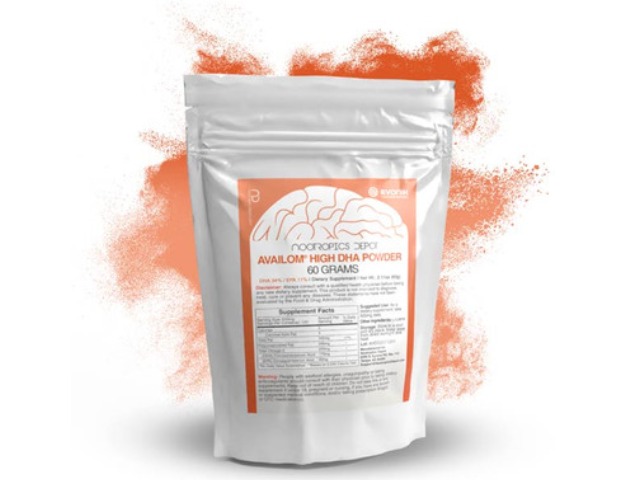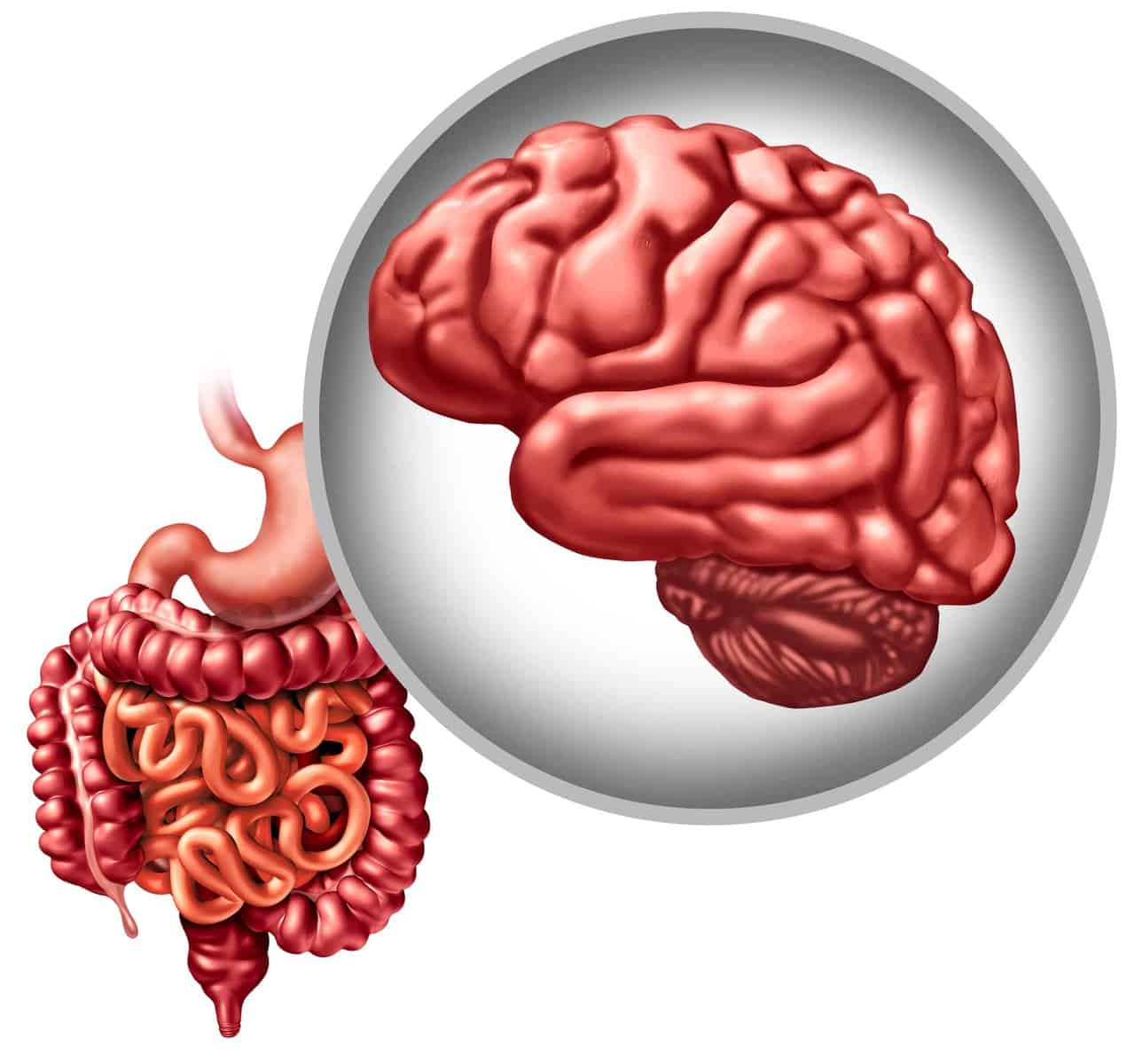
If there’s one supplement that virtually everyone reading this site should be taking, it’s omega-3 fatty acids. Not because they’re trendy — they’ve been studied for decades. But because the evidence has reached a point where the risk-benefit calculation is overwhelming, and most people eating a Western diet are significantly deficient.
Your brain is roughly 60% fat by dry weight. DHA alone makes up 20-30% of the phospholipid fatty acids in your brain’s gray matter, with particularly high concentrations in synaptic membranes. When you’re deficient in omega-3s, you’re literally building your brain with suboptimal materials.
The Short Version: A 2023 meta-analysis of 48 longitudinal studies (103,651 participants) found dietary omega-3 intake reduces all-cause dementia risk by ~20%. A dose-response analysis of 58 RCTs showed significant improvements in attention, memory, processing speed, and global cognition with each 2g daily increment. EPA is superior for depression (especially at 4g/day in people with high inflammation). DHA is the structural brain fatty acid critical for neuroprotection. For ADHD in children, omega-3 supplementation improves symptoms with moderate-to-large effect sizes. Aim for 750mg+ combined EPA/DHA daily; target an omega-3 index of 8%+.
The Dementia and Cognitive Decline Evidence
Let me start with the strongest evidence, because it’s genuinely impressive.
The 2023 Meta-Analysis: 103,651 Participants
Wei et al. (2023, American Journal of Clinical Nutrition, PMID 37028557) analyzed 48 longitudinal studies spanning over 100,000 participants and found that dietary omega-3 intake reduced the risk of all-cause dementia or cognitive decline by approximately 20%. The effect was dose-dependent: each 0.1g daily increment of DHA or EPA was associated with an 8-10% lower risk of cognitive decline.
The most striking finding: long-term omega-3 supplement users in the Alzheimer’s Disease Neuroimaging Initiative cohort showed a 64% reduced risk of Alzheimer’s disease (HR = 0.36, p = 0.004) compared to non-users.
The 2025 Dose-Response Analysis: 58 RCTs
A comprehensive dose-response meta-analysis (PMID 40836005) examined 58 randomized controlled trials and quantified exactly how much cognitive benefit each 2g daily increment of omega-3 provides:
- Attention: SMD 0.98 (large effect)
- Global cognition: SMD 1.08 (large effect)
- Primary memory: SMD 0.87 (large effect)
- Visuospatial function: SMD 0.86 (large effect)
- Processing speed: SMD 0.50 (moderate effect)
Importantly, the relationship isn’t strictly linear. Episodic memory showed a curvilinear pattern — benefits up to a point, then diminishing returns. This suggests an optimal dosing window rather than a “more is always better” relationship.
Brain Structure: Not Just Function
An exploratory study using neuroimaging found that both EPA levels and the omega-3 index were significantly associated with total white matter volume and entorhinal cortex thickness — brain regions critical for memory and executive function. Higher omega-3 status literally corresponds to more preserved brain tissue.
EPA vs. DHA: Different Roles, Different Uses
This is one of the most important distinctions in omega-3 research, and one that most people miss. EPA and DHA aren’t interchangeable — they serve different functions in the brain.
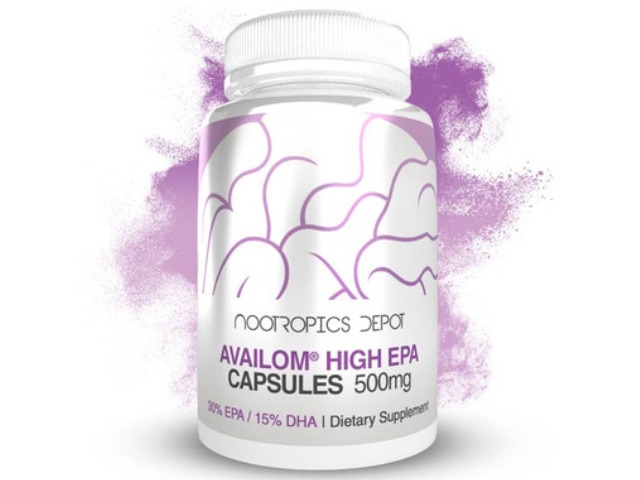
EPA Is Superior for Depression

A 2019 meta-analysis of 26 RCTs (2,160 participants, PMID 31383846) found that the antidepressant benefit of omega-3s was driven almost entirely by EPA:
- EPA-pure formulations at 1g/day or less: SMD -0.50 (p = 0.003)
- EPA-major formulations (60%+ EPA): SMD -1.03 (p = 0.03)
- DHA-pure or DHA-major formulations: No significant antidepressant benefit
A 2022 dose-finding trial (PMID 36005883) tested three EPA doses in 61 unmedicated adults with major depression and elevated inflammation (CRP > 3 mg/L). The 4g/day EPA dose produced a 64% response rate (vs. 40% placebo, Cohen’s d = 0.53), and the degree of CRP reduction correlated directly with depression improvement. Lower doses (1g, 2g) didn’t outperform placebo.
The takeaway: If you’re using omega-3s specifically for mood, you want a high-EPA formulation. If your depression involves elevated inflammation (common with obesity, chronic stress, autoimmune conditions), higher doses (2-4g EPA) may be needed.
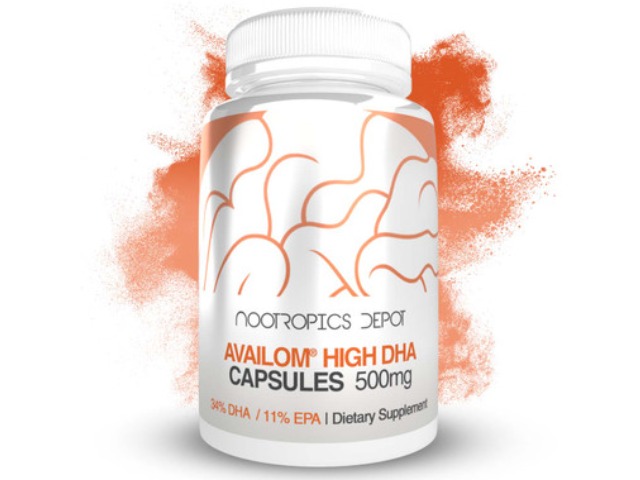
DHA Is the Structural Brain Fatty Acid
DHA is the dominant omega-3 in brain tissue, comprising 20-30% of gray matter phospholipids with especially high concentrations at synapses. Its roles include:
- Membrane fluidity and signaling: DHA maintains optimal cell membrane properties for neurotransmitter receptor function
- Resolvin production: DHA metabolites (resolvins, neuroprotectin D1) actively resolve neuroinflammation and protect against amyloid-beta neurotoxicity
- Myelin integrity: DHA is critical for white matter preservation
A 2025 study using strategic omega-3 delivery in Alzheimer’s disease mice found that early-life DHA treatment suppressed microglial activation and reduced pro-inflammatory sphingolipids, with effects persisting into adulthood. This suggests DHA may establish a neuroprotective microglial phenotype that provides lifelong protection.
The Omega-3 Index: Your Biomarker
The omega-3 index — EPA + DHA as a percentage of total red blood cell fatty acids — has emerged as the best biomarker for omega-3 status and brain health risk.
- Below 4%: High risk zone (associated with faster cognitive decline, higher depression risk)
- 4-8%: Intermediate
- Above 8%: Target range (associated with preserved cognitive function, white matter volume, and cortical thickness)
Getting your omega-3 index tested (simple finger-prick blood test) is more useful than guessing based on diet. Many people who eat fish occasionally still test below 4%.
Omega-3s for ADHD in Children
The evidence here is stronger than most people realize.
Chang et al. (2018, Neuropsychopharmacology, PMID 28741625) conducted a systematic review and meta-analysis of omega-3 supplementation in youth with ADHD:
- ADHD symptom improvement: Effect size 0.38 (p < 0.0001) across 7 RCTs with 534 youth
- Attention specifically: Effect size 1.09 (p = 0.001) in 3 RCTs with 214 youth
- Children with ADHD had significantly lower baseline DHA (-76%), EPA (-38%), and total omega-3s (-58%) compared to controls
These aren’t subtle effects. An effect size of 1.09 for attention is large by any standard. And the finding that ADHD children are systemically omega-3 deficient — with 60-70% more likely to carry genetic variants impairing fatty acid metabolism — suggests supplementation is correcting a genuine neurochemical deficit, not just providing a marginal boost.
For parents: The evidence supports trying omega-3 supplementation (targeting 500mg+ EPA daily for 16-24 weeks) before or alongside other ADHD interventions. It’s safe, it addresses a documented deficiency, and it may enhance the effectiveness of other treatments.
The EPA:DHA Ratio Question
A 2026 meta-analysis of 96 clinical trials examined how the EPA:DHA ratio in supplements affects outcomes:
- EPA:DHA ratio < 1.0 (DHA-dominant): Greatest reductions in inflammatory markers (CRP, TNF-alpha, IL-6)
- EPA:DHA ratio > 1.0 (EPA-dominant): Most effectively increased blood EPA:DHA ratio and reduced arachidonic acid
- Total dose of 1-3g daily: Most consistent inflammatory marker reductions
Practical guidance: For general brain health and neuroprotection, a balanced or slightly DHA-dominant formula is ideal. For mood disorders with inflammation, an EPA-dominant formula at higher doses (2-4g) is better supported. For most people, a quality fish oil providing 1-2g combined EPA/DHA daily hits the sweet spot.
The APOE4 Factor
If you carry the APOE4 allele (the strongest genetic risk factor for Alzheimer’s disease), omega-3 metabolism is different for you. APOE4 carriers show:
- 77% lower whole-body half-life of DHA (faster peripheral catabolism)
- Reduced brain DHA uptake even with adequate peripheral levels
- Greater blood-brain barrier vulnerability to neuroinflammation
This means APOE4 carriers may need higher DHA doses to achieve the same brain levels as non-carriers. Higher midlife omega-3 intake was specifically protective against dementia in APOE4 carriers. If you know you carry this allele, omega-3 supplementation becomes even more important — and you may need 2g+ DHA daily.
A Sex-Specific Finding Worth Knowing
A 2025 large-scale lipidomic analysis found that women with Alzheimer’s disease showed sharp losses of omega-3 fatty acids compared to healthy women — while men with Alzheimer’s showed no such difference. This sex-specific finding may help explain why women are diagnosed with Alzheimer’s at higher rates after age 80.
The mechanism isn’t fully understood, but may involve how estrogen loss during menopause affects omega-3 metabolism. For women especially, maintaining adequate omega-3 intake through midlife and beyond may be particularly important for long-term cognitive protection.
Practical Recommendations
Minimum effective dose: 750mg combined EPA + DHA daily for general cognitive protection.
For depression: 2-4g EPA-dominant formulation, especially if you have elevated CRP or BMI.
For ADHD (children): 500mg+ EPA daily for at least 16 weeks.
For APOE4 carriers: 2g+ DHA daily, starting in midlife.
Food sources: Fatty fish (salmon, sardines, mackerel, anchovies) 2-3x per week provides roughly 1-2g EPA/DHA. Wild-caught is preferable for lower contaminant load.
Supplements: Look for third-party tested products (IFOS or NSF certification). Triglyceride form absorbs better than ethyl ester form. Store in the refrigerator to prevent oxidation. Take with a fat-containing meal.
What to avoid: Don’t rely on plant-based ALA (flaxseed, chia) for brain health — conversion to EPA/DHA is only 5-10% efficient. If you’re plant-based, use algal DHA supplements.
The Omega-6 Problem
The typical Western diet has an omega-6 to omega-3 ratio of roughly 16:1. The ancestral and optimal ratio is closer to 1:1 to 4:1. This imbalance promotes systemic inflammation that directly impairs brain function.
Increasing omega-3 intake is only half the equation. Reducing omega-6 (primarily from seed oils: soybean, corn, canola, sunflower) shifts the ratio toward anti-inflammatory balance. Both steps together produce larger effects than either alone.
My Protocol
I take 2g combined EPA/DHA daily from a high-quality fish oil (roughly 1:1 EPA:DHA ratio), taken with dinner. I also eat wild-caught salmon 2-3 times per week. My last omega-3 index test was 9.2% — comfortably in the target range.
For detailed pharmacology and dosing information on each fatty acid, see our substance pages for DHA and EPA.