
- Reduces Oxidative Stress
- Supports Immune Function
- Promotes Detoxification
I used to think of my health like a mechanic fixing a car—if the check engine light came on (brain fog), I’d find the one broken part (a supplement) and swap it out. I spent years chasing symptoms, popping the latest “smart drug” for focus or guzzling caffeine for energy, wondering why nothing ever truly stuck. I was trying to tune the engine while completely ignoring that the oil was sludge and the fuel was contaminated.
That sludge? It’s called oxidative stress. And the master janitor your body uses to clean it up is L-Glutathione. If you feel like you’re running on a low battery no matter what you do, understanding this molecule might be the key that changes everything.
The Short Version: L-Glutathione is your body’s “master antioxidant,” a tripeptide that protects cells from damage, helps the liver detoxify harmful compounds, and supports the immune system. Standard oral glutathione is poorly absorbed, so for real benefits, you have to use a bioavailable form like Liposomal or S-Acetyl L-Glutathione, or focus on supplements that help your body make its own.
What Is L-Glutathione?
L-Glutathione is a small but mighty protein made from three amino acids: L-cysteine, L-glutamic acid, and glycine. Your liver produces it, and it’s present in nearly every cell, acting as the frontline defense against cellular wear-and-tear. First discovered way back in 1888, it wasn’t until the 1920s and 30s that scientists figured out its structure and dubbed it the body’s “master antioxidant.”
Most people hear “antioxidant” and think of Vitamin C or blueberries. But glutathione is different. It’s not something you get from food in significant amounts; it’s something your body makes.
This brings us to a core tenet of the Holistic Nootropics philosophy: address the foundations first. Before you try to fine-tune your neurotransmitters, you have to make sure your cells have the basic tools they need to function. Glutathione is one of those fundamental tools. If your levels are low, you’re fighting an uphill battle against inflammation and damage, and no amount of exotic nootropics will fix that underlying problem.
How Does the ‘Master Antioxidant’ Actually Work?
Think of your cells as bustling cities. Every day, these cities produce pollution just from normal activity (metabolism). This pollution comes in the form of unstable molecules called free radicals and reactive oxygen species (ROS). Left unchecked, they bounce around damaging everything they touch—your cellular machinery, your DNA, your cell walls. Glutathione is the city’s built-in, hyper-efficient cleanup crew.
Here’s the science behind it:
Glutathione works in a few key ways. First, it acts as a direct antioxidant, sacrificing itself to neutralize free radicals before they can cause harm. It’s like a bodyguard diving in front of a bullet. Second, it’s the key player in maintaining your cellular “redox balance.” It cycles between its active form (GSH) and its inactive, oxidized form (GSSG). A high ratio of active GSH to inactive GSSG is one of the most important biomarkers of cellular health—it’s a sign your cleanup crew is well-staffed and winning.
But its most critical roles might be in detoxification and immune function. In the liver, glutathione binds to toxins, heavy metals like mercury, and other junk, making them water-soluble so you can pee them out. It also helps your immune system’s best soldiers—lymphocytes and Natural Killer (NK) cells—stay strong and ready for action.
So what does this mean for you? In plain English, glutathione is constantly working in the background to protect your body from the unavoidable stress of being alive. When your levels are optimal, your systems can run cleanly and efficiently. When they’re low, the “pollution” builds up, leading to inflammation, fatigue, and a vulnerable immune system.
The Evidence-Backed Benefits of L-Glutathione
This is where things get tricky. While glutathione is undeniably critical inside your body, the evidence for supplementing with it is nuanced. The biggest hurdle is that when you swallow a standard glutathione capsule, most of it gets destroyed by your digestive system before it ever reaches your cells.
- Reduces Oxidative Stress: This is its best-supported benefit. Studies, particularly in older adults or those with conditions that deplete glutathione, show that supplementation can increase the body’s stores and lower markers of oxidative damage.
- Cognitive Function: The research here is a mixed bag that should make you skeptical of any wild claims. A fascinating 2014 study found that people with Mild Cognitive Impairment (MCI) actually had elevated glutathione levels in their brains. This suggests the brain might be ramping up its own production as an early defense mechanism against neurodegeneration. So, while we know Alzheimer’s patients have depleted glutathione, simply adding more isn’t a proven fix.
- Immune Support: The evidence here is more promising. Clinical trials have shown that boosting glutathione levels can directly enhance the function and killing power of immune cells, especially NK cells. Users often report getting sick less frequently, which makes sense from a mechanistic standpoint.
- Skin Health: Glutathione is huge in the beauty world, often marketed as a skin lightener. The evidence is spotty at best and mostly tied to IV administration. Anecdotally, however, many users report a clearer, brighter complexion or a “glow” after consistent use, which is likely a side effect of reduced systemic oxidative stress.
Reality Check: Nootropics aren’t magic pills, and L-Glutathione is no exception. It is not a cure for Alzheimer’s disease or cognitive decline. The research is still preliminary, and its primary role is as a foundational antioxidant, not a targeted cognitive enhancer.
How to Take L-Glutathione (Without Wasting Your Money)
This is the most important section of this article. If you just grab the cheapest bottle of “L-Glutathione” from Amazon, you’re probably just paying for expensive pee. Bioavailability is everything.
-
Forms (The Key Difference):
- Standard/Reduced L-Glutathione: This is the most common and least effective form. Its oral bioavailability is extremely low. I generally don’t recommend it.
- Liposomal L-Glutathione: In this form, the glutathione is wrapped in a layer of fat (a liposome). This protects it from digestion and allows it to be absorbed directly into the bloodstream. This is a solid, reliable choice.
- S-Acetyl L-Glutathione (S-A-GSH): This is another advanced form where an acetyl group is attached to the glutathione molecule. This helps it survive the gut and enter cells easily, where the acetyl group is then removed, releasing active glutathione. Some experts consider this the most effective oral form.
-
Dosage: For the bioavailable forms (Liposomal or S-Acetyl), a typical dose is 250-500 mg per day. Standard glutathione requires much higher doses (up to 1,000 mg) for a fraction of the effect.
-
Timing: Take glutathione on an empty stomach to maximize absorption. First thing in the morning, at least 30 minutes before food, is a common protocol.
Insider Tip: Don’t chase a high dose. Consistency with a bioavailable form is far more important. Start with a lower dose (around 250mg) of Liposomal or S-Acetyl Glutathione daily and give it at least 4-6 weeks to assess how you feel. The benefits are cumulative, not acute.
The Side Effects & Safety Nobody Talks About
Glutathione is found in every cell in your body, so it’s generally very safe and well-tolerated. However, there are a few things to be aware of.
- Common Side Effects: Some people experience mild bloating, gas, or abdominal cramps when first starting oral glutathione. This usually subsides as your body adjusts.
- Long-Term Use: Some evidence suggests that very high-dose, long-term use could potentially lower zinc levels, so it’s wise to ensure adequate zinc intake if you’re using it for extended periods.
- Inhaled Glutathione: This is a specific form used in some clinical settings and is NOT for home use. It can trigger asthma attacks in individuals with asthma.
- Pregnancy/Nursing: There isn’t enough reliable data to confirm its safety, so it’s best to avoid it during pregnancy or while breastfeeding.
Important: Glutathione’s powerful antioxidant action may interfere with the effectiveness of certain chemotherapy drugs, which rely on creating oxidative stress to kill cancer cells. It may also interact with some antipsychotic medications. If you are on any of these medications, you MUST consult your oncologist or physician before supplementing.
How to Boost Your Glutathione Levels Naturally
Given the challenges with direct supplementation, one of the most effective strategies is to give your body the raw materials it needs to produce its own glutathione. This is often more reliable and cost-effective.
- N-Acetylcysteine (NAC): This is the single most important synergist. The availability of the amino acid cysteine is the bottleneck in glutathione production. N-Acetylcysteine (NAC) is a supplement that provides a stable form of cysteine, effectively telling your body, “Hey, make more glutathione!” For many people, taking 600-1200mg of NAC daily is a more potent strategy than taking glutathione itself.
- Vitamin C: Vitamin C helps recycle oxidized glutathione (GSSG) back into its active, useful form (GSH). They work as a team. Taking 500-1000mg of Vitamin C with your glutathione or NAC is a classic and effective pairing.
- Selenium: This essential mineral is a critical cofactor for the enzyme glutathione peroxidase, which is responsible for carrying out many of glutathione’s most important antioxidant functions. You can get selenium from a few Brazil nuts a day or a good multivitamin.
- Milk Thistle (Silymarin): This herb is famous for its liver-protective effects and has been shown to help increase glutathione levels within the liver, your body’s main detoxification hub.
My Take
For years, I completely ignored glutathione. It seemed too… basic. I was chasing the exotic, potent nootropics and missed the foundation. It wasn’t until I started focusing on my body’s fundamental detox and antioxidant systems that I saw real, sustainable improvements in my energy and mental clarity.
Here’s my honest assessment: taking a standard L-Glutathione capsule is a waste of money. Don’t do it.
However, supplementing with a high-quality Liposomal or S-Acetyl L-Glutathione is a legitimate strategy for anyone feeling run-down, getting sick often, or living in our modern, toxin-filled world (which is all of us). It’s for the person who wants to invest in long-term cellular health, not the person looking for a quick pre-workout buzz.
But before you even spend money on those premium forms, I’d ask yourself: are you taking N-Acetylcysteine (NAC)? For most people, NAC is the more logical and cost-effective starting point. It empowers your body to manage its own glutathione levels, which is always the most elegant solution.
My recommendation: Start with 600mg of NAC twice a day. Add in some Vitamin C. See how you feel after a month. If you still want to level up your antioxidant defenses, then add 250-500mg of a high-quality Liposomal Glutathione in the morning. That is a powerful, synergistic stack for building a more resilient foundation.
Recommended L-Glutathione Products
I know how frustrating it is to sort through dozens of brands making the same claims. These are the ones I've personally vetted — because quality is the difference between results and wasted money.
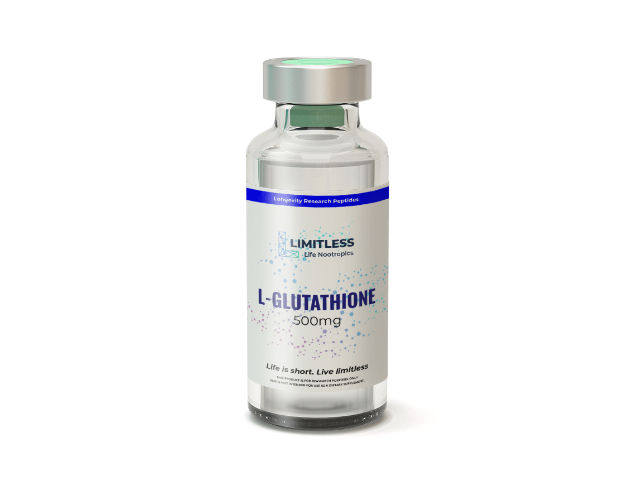
L-Glutathione 600mg by Limitless Life Nootropics
Shop Now →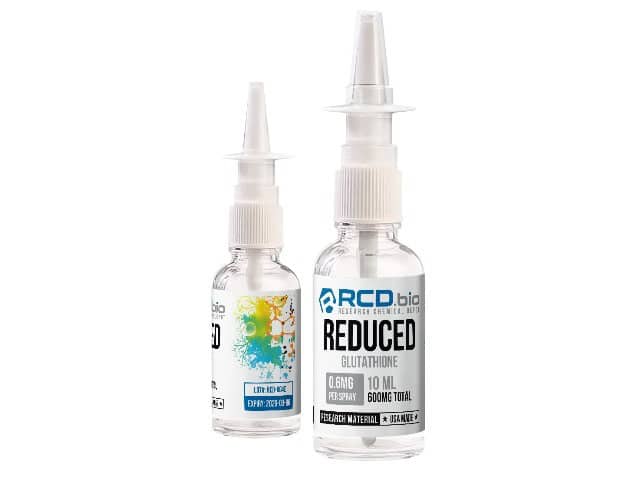
Reduced Glutathione Nasal Spray by Research Chemical Depot
Shop Now →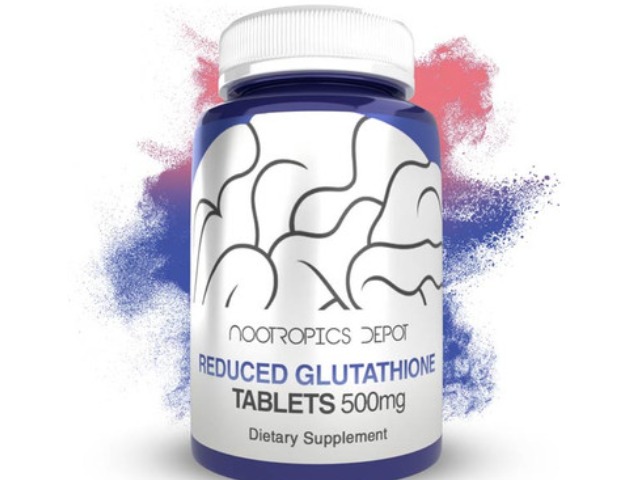
Reduced Glutathione Tablets | 500mg by Nootropics Depot
Shop Now →Disclosure: These are affiliate links. I earn a small commission if you purchase — at no extra cost to you. I only recommend products I personally use or have thoroughly researched.
Research & Studies
This section includes 3 peer-reviewed studies referenced in our analysis.