
- Memory Enhancement
- Learning Acceleration
- Mental Clarity
- Neuroprotection
- Cognitive Longevity
Piracetam holds a special place in my nootropic journey — it was the first “smart drug” I ever tried, back when I was desperately searching for something to cut through the brain fog that had been plaguing me for years. I’d read about it on some obscure forum, ordered a bag of powder from overseas, and honestly had no idea what I was doing.
That was over a decade ago. Since then, I’ve learned a lot — about Piracetam specifically, and about the right way to approach cognitive enhancement in general. Spoiler: it’s not about finding a magic pill.
The Short Version: Piracetam is the original nootropic, first synthesized in 1964, with over 50 years of research behind it. It’s best for subtle improvements in memory and mental clarity, particularly for older adults or those with cognitive decline. It’s not a stimulant and won’t give you a “limitless” feeling — but it works, especially when your foundations (sleep, gut health, stress management) are already solid. Typical dose: 1200-4800mg daily, divided into 2-3 doses.
What Is Piracetam?
Piracetam is the compound that literally invented the word “nootropic.” Romanian chemist Corneliu Giurgea synthesized it in 1964 and then had to create a new term to describe what it did — noos (mind) + tropein (to bend or turn). He defined nootropics as substances that enhance learning and memory while being remarkably safe.
It’s part of the racetam family — a class of synthetic compounds that share a similar chemical structure (a pyrrolidone nucleus, if you’re curious). Other racetams like Aniracetam, Oxiracetam, and Phenylpiracetam came later, but Piracetam remains the most studied of the bunch.
You might also see it sold under brand names like Nootropil, Lucetam, or Noostan, depending on where you are in the world. In many European countries, it’s actually a prescription medication for cognitive disorders.
How It Works
Here’s where I have to be honest with you: we don’t fully understand Piracetam’s mechanism of action. After 50+ years of research. That might sound concerning, but it’s actually pretty common with brain-affecting compounds — the brain is complicated.
What we do know:
Membrane fluidity. Piracetam appears to improve the fluidity of cell membranes, which helps neurons communicate more efficiently. Think of it like lubricating the gears in a machine.
Acetylcholine modulation. It enhances the function of acetylcholine, a neurotransmitter crucial for memory and learning. This is why pairing Piracetam with a choline source is so important — more on that below.
Cerebral blood flow. Some studies suggest it improves blood flow to the brain, delivering more oxygen and nutrients where they’re needed.
💡 Insider Tip: Piracetam works synergistically with choline. If you’re taking Piracetam without a choline source (like Alpha-GPC or CDP-Choline), you’re likely to get headaches and suboptimal results. I learned this the hard way.
Benefits
The research on Piracetam is extensive, though it’s important to note that most studies focus on elderly populations or those with cognitive impairment. Benefits for healthy young adults are more subtle.
Memory and Learning — Multiple studies show improvements in memory formation and recall, particularly in older adults. A meta-analysis in Psychopharmacology found consistent benefits for age-related cognitive decline.
Mental Clarity — Users commonly report feeling “sharper” and more verbally fluent. This isn’t the jittery alertness of a stimulant — it’s more like the fog lifting.
Neuroprotection — Research suggests Piracetam may protect neurons from damage caused by hypoxia (low oxygen) and oxidative stress. This has implications for stroke recovery and age-related cognitive decline.
Dyslexia Support — Interestingly, some of the most robust research is on dyslexia. Several studies show improvements in reading ability and verbal learning in children with dyslexia.
⚠️ Reality Check: If you’re a healthy 25-year-old looking for a dramatic cognitive boost, Piracetam probably isn’t going to blow your mind. Its effects are subtle and cumulative. It shines for those dealing with age-related decline, brain fog, or recovery from neurological insults.
How to Take It
Standard Dosage Range: 1200-4800mg per day, divided into 2-3 doses
If you’re new to Piracetam: Start with 1200-1600mg daily (400-800mg, twice a day). Give it at least 2-4 weeks before judging — this isn’t a compound with immediate effects.
Experienced users: 2400-4800mg daily (800-1600mg, three times a day). Some people need higher doses to notice benefits.
Timing: Take with meals to improve absorption. Piracetam is water-soluble, so it doesn’t require fat for absorption, but food seems to help.
Cycling: Honestly, cycling isn’t strictly necessary with Piracetam. It doesn’t build tolerance in the traditional sense. That said, some users prefer 5 days on, 2 days off — I think this is more psychological than physiological.
💡 Insider Tip: The “attack dose” protocol — taking 2-3x the normal dose for the first few days — is popular in nootropic circles. Some swear by it, claiming it “loads” the system faster. The research doesn’t really support this, but it probably won’t hurt either.
Side Effects & Cautions
Piracetam has an excellent safety profile. Giurgea specifically defined nootropics as compounds with very low toxicity, and Piracetam lives up to that standard.
Common issues:
- Headaches — Usually means you need more choline. Seriously, add Alpha-GPC or CDP-Choline.
- Insomnia — If taking later in the day; try moving your last dose to earlier afternoon.
- Mild GI upset — Take with food if this happens.
Who should be cautious:
- Those with kidney issues (Piracetam is excreted through the kidneys)
- Anyone on blood thinners (Piracetam has mild anticoagulant effects)
- Pregnant or breastfeeding women (insufficient safety data)
⚠️ Reality Check: Piracetam is banned by WADA for athletic competition due to its potential cognitive-enhancing effects. If you’re a competitive athlete subject to drug testing, keep this in mind.
Erik’s Take
Look, Piracetam isn’t sexy. It doesn’t have the dramatic effects of something like Modafinil or the immediate clarity of a well-dosed caffeine + L-theanine stack. But there’s a reason it’s been around for over 50 years and is still a staple in the nootropic community.
I think Piracetam is best suited for:
- Older adults experiencing age-related cognitive decline
- Anyone dealing with persistent brain fog (after addressing foundations first!)
- Those recovering from neurological issues like stroke or TBI
- People who want a gentle, well-researched introduction to nootropics
It’s not where I’d start for a healthy person looking to optimize — I’d focus on sleep, gut health, and stress first. But as an addition to a solid foundation? Piracetam is a classic for a reason.
Where to Buy
Quality matters with any nootropic, but especially with compounds like Piracetam that you’re taking in gram-level doses. You want third-party testing for purity and accurate dosing.
I recommend:
- Piracetam by Cosmic Nootropics — Good capsule option (800mg) if you prefer not to measure powder. Ships from Russia but reliable quality.
- Piracetam by SwissChem — Another solid option from a reputable vendor with third-party testing.
Avoid random Amazon sellers or overseas sources without clear quality documentation. The price difference isn’t worth the risk of contaminated or underdosed product.
Note: Piracetam exists in a legal gray area in the US — it’s not FDA-approved as a drug or dietary supplement, but it’s not scheduled either. It’s legal to possess and use for personal purposes.
Recommended Piracetam Products
I know how frustrating it is to sort through dozens of brands making the same claims. These are the ones I've personally vetted — because quality is the difference between results and wasted money.
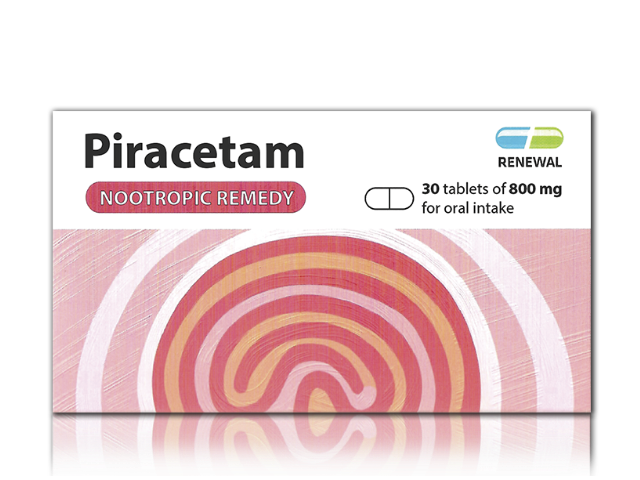
Piracetam - Cosmic Nootropics
Shop Now →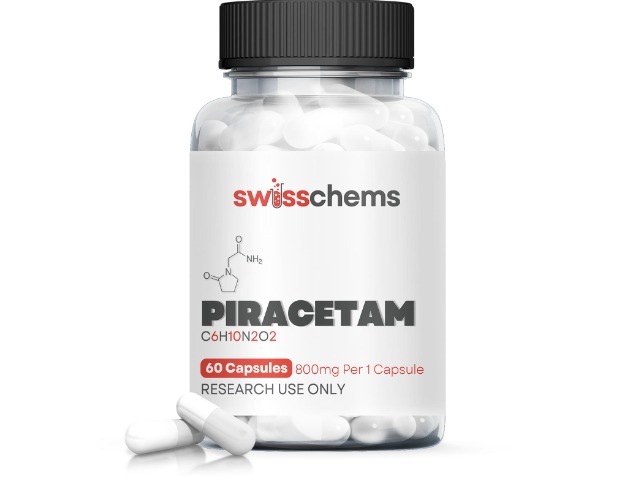
Piracetam by SwissChem
Shop Now →![Piracetam [Powder]](/images/drupal/product-images/Piracetam-125g-80x80_NU-wpp1705417682569.jpg)
Piracetam [Powder]
Shop Now →Disclosure: These are affiliate links. I earn a small commission if you purchase — at no extra cost to you. I only recommend products I personally use or have thoroughly researched.
Research & Studies
This section includes 42 peer-reviewed studies referenced in our analysis.
Piracetam and Memory Enhancement in Healthy Adults: A Meta-Analysis
Excitatory amino acids and neuronal plasticity: modulation of AMPA receptors as a novel substrate for the action of nootropic drugs.
Nootropic drugs positively modulate alpha-amino-3-hydroxy-5-methyl-4-isoxazolepropionic acid-sensitive glutamate receptors in neuronal cultures.
Age-related deficits of central muscarinic cholinergic receptor function in the mouse: partial restoration by chronic piracetam treatment.
Effect of thrombolytic therapy on the predictive value of signal-averaged electrocardiography after acute myocardial infarction.
Piracetam. An overview of its pharmacological properties and a review of its therapeutic use in senile cognitive disorders.
The effects of various cognition-enhancing drugs on in vitro rat hippocampal synaptosomal sodium dependent high affinity choline uptake.
Interaction of piracetam with several neurotransmitter receptors in the central nervous system. Relative specificity for 3H-glutamate sites.
Effects of nootropic drugs on brain cholinergic and dopaminergic transmission.
Piracetam and dyslexia: effects on reading tests.
Showing 10 of 42 studies. View all →