
- Mood Regulation
- Cognitive Function
- Neuroprotection
For years, I thought of Vitamin D as the “bone vitamin.” It was the stuff in milk, the reason to get some sun. I had no idea it was one of the most powerful hormones for brain function, and that my “low but normal” levels were a major drag on my mood and focus, especially through the long gray winters.
It wasn’t until I dug into the research for a client struggling with seasonal depression that the pieces clicked. This isn’t just a vitamin; it’s a foundational building block for a healthy, high-performing brain. And almost half of us aren’t getting nearly enough.
The Short Version: Cholecalciferol (Vitamin D3) is a critical prohormone for brain health, not just bones. Low levels are strongly linked to depression and cognitive decline. Supplementing with 1,000-5,000 IU daily (with fat) can restore optimal levels, but it’s crucial to pair it with cofactors like Magnesium and Vitamin K2 for safety and effectiveness.
What Is Cholecalciferol?
Cholecalciferol, better known as Vitamin D3, is a fat-soluble vitamin that acts as a prohormone—a precursor to a powerful steroid hormone called calcitriol. Your body’s main source is a clever bit of internal chemistry: when UVB rays from the sun hit your skin, they convert a type of cholesterol into Vitamin D3. We can also get it from food, but the sources are limited—fatty fish like salmon, egg yolks, and fortified foods.
The story of Vitamin D is really the story of rickets, a devastating childhood bone disease. As far back as the 19th century, doctors knew cod liver oil was a reliable folk remedy. It took until the 1920s for researchers like Elmer McCollum to prove that an unknown “vitamin D” in the oil was responsible. Around the same time, Adolf Windaus mapped out its chemical structure and its creation in the skin, work that earned him a Nobel Prize in 1928.
It wasn’t until decades later that we figured out its full role. We now know that the body converts Vitamin D3 into a hormone that has receptors in nearly every cell in the body, including all over the brain in areas essential for mood, memory, and cognition.
How Does Cholecalciferol Work?
Think of the Vitamin D3 you get from the sun or a supplement as an inactive ingredient. Before your brain can use it, it needs to go through a two-step activation process, like a key that needs to be cut twice before it fits the lock.
First, the liver converts D3 into calcifediol (25-hydroxyvitamin D), which is the storage form that’s measured in a blood test. From there, the kidneys (and other tissues, including brain cells) perform the second conversion, turning it into calcitriol (1,25-dihydroxyvitamin D), the highly active hormone that influences your biology. In the brain, this active form binds to Vitamin D Receptors (VDRs), which are found all over the hippocampus and cerebral cortex—critical areas for learning and memory.
Here’s what it does once it’s activated:
- Neuroprotection: It helps regulate calcium balance in the brain, reduces inflammation, and fights oxidative stress, all of which protect your neurons from damage.
- Neurotransmitter Synthesis: It acts as a master regulator for the enzymes that produce key neurotransmitters like dopamine and serotonin. Low D levels can mean subpar neurotransmitter production.
- Neurotrophic Factor Regulation: It boosts the expression of powerful compounds like Brain-Derived Neurotrophic Factor (BDNF) and Nerve Growth Factor (NGF), which are like fertilizer for your brain cells, helping them grow, survive, and form new connections (synaptic plasticity).
In plain English, Vitamin D acts like a master switch for your brain’s maintenance crew. It helps protect brain cells from daily wear and tear, tunes up the production of chemicals that make you feel motivated and happy, and helps your brain build the physical connections it needs for learning and memory.
Benefits of Cholecalciferol
The evidence is clear: the biggest cognitive and mood benefits are seen in people who are fixing a deficiency. This is less of a “performance-enhancing” nootropic and more of a “restore-to-factory-settings” essential nutrient.
Mood Regulation: The link between low Vitamin D and depression is one of the strongest in the literature. Observational studies consistently show a high correlation between low D levels and the risk of depression, including Seasonal Affective Disorder (SAD). Several meta-analyses of clinical trials have found that supplementation can significantly reduce depressive symptoms, particularly in people with diagnosed depression and low baseline vitamin D. The effect size in some studies is even comparable to antidepressant medication.
Reality Check: Vitamin D3 isn’t a magic pill for a bad mood. If your levels are already optimal, you won’t likely feel a dramatic shift. Its real power is in correcting a deficiency, which is incredibly common and a major, often overlooked, drag on mood and brain performance.
Cognitive Function: Similar to mood, the evidence points to Vitamin D being crucial for preventing decline. Low levels are consistently linked to a higher risk of age-related cognitive decline, dementia, and Alzheimer’s. While some trials have shown that supplementing can improve cognition in older adults who are already experiencing mild cognitive impairment, the results in healthy adults are mixed. This suggests it’s more of a protective, corrective measure than a universal cognitive enhancer for those with already-healthy levels.
How to Take Cholecalciferol
Taking Vitamin D3 correctly is simple, but a few details make a huge difference in absorption and safety.
Dosage: The standard RDA of 600-800 IU per day is often too low to maintain optimal levels. Most functional medicine experts recommend 1,000-2,000 IU daily for maintenance. To correct a deficiency, doses of 2,000-5,000 IU daily are common. However, the only way to know your real need is to get a 25-hydroxyvitamin D blood test.
Timing: As a fat-soluble vitamin, D3 should always be taken with a meal that contains healthy fats (like avocado, olive oil, or fish) to ensure it’s absorbed properly. Many people, myself included, find that taking it late in the day can interfere with sleep, so morning or midday is often best.
Forms: Always choose Vitamin D3 (cholecalciferol) over D2 (ergocalciferol), as D3 is significantly more effective at raising and maintaining blood levels. Oil-based softgels or liquid drops are generally better absorbed than dry powders or tablets.
Pro Tip: Look for a supplement that combines Vitamin D3 with its most important cofactor, Vitamin K2 (specifically the MK-7 form). This is a classic stack for a reason. Vitamin D increases calcium absorption, and K2 helps make sure that calcium ends up in your bones and teeth, not in your arteries.
Side Effects & Safety
At recommended doses, Vitamin D3 is extremely safe. The risk comes from taking excessively high doses (consistently over 10,000 IU/day) for long periods without medical supervision.
This can lead to a condition called hypercalcemia, or abnormally high blood calcium. Symptoms of toxicity include nausea, vomiting, constipation, weakness, fatigue, and increased thirst and urination. In serious cases, it can cause kidney stones and other organ damage.
Important: Never supplement with high-dose Vitamin D (above 4,000 IU daily) for an extended time without first getting your blood levels tested. Toxicity is rare, but it’s serious and entirely preventable.
Individuals with certain conditions like hyperparathyroidism, sarcoidosis, or kidney disease should not supplement without strict medical supervision. It can also interact with certain medications, including thiazide diuretics and steroids, so consult with your doctor if you are on any prescription drugs.
Stacking Cholecalciferol
Vitamin D doesn’t work in a vacuum. To get the most out of it, and to use it most safely, you need its cofactors. I learned this the hard way after taking high-dose D and feeling inexplicably anxious—I was depleting my magnesium.
- Magnesium (CRITICAL): The enzymes that convert Vitamin D into its active form in the liver and kidneys are magnesium-dependent. If you don’t have enough magnesium, your body can’t “turn on” the Vitamin D you’re taking. High-dose D supplementation also increases your body’s demand for magnesium, so taking them together is essential.
- Vitamin K2 (CRITICAL): This is the other crucial partner. As mentioned, Vitamin D boosts how much calcium you absorb from your diet. Vitamin K2 activates proteins that direct that calcium into your bones and teeth. Without enough K2, the excess calcium can end up deposited in your arteries and soft tissues, which is a major long-term health risk.
- Healthy Fats: Not a supplement, but a requirement. Always take your D3 with a source of fat to maximize absorption.
- Boron & Zinc: These trace minerals also act as supporting cofactors in Vitamin D metabolism and hormone function.
My Take
I spent years of my life ignoring Vitamin D, dismissing it as something that only mattered for old ladies and bone density. It wasn’t until I finally got my own bloodwork done and saw my number—a “sufficient” but far from optimal 32 ng/mL—that I took it seriously.
Getting my levels up into the 50-60 ng/mL range was one of the most profound and noticeable shifts I’ve ever experienced from a supplement. My mood through the winter was dramatically more stable, my energy levels felt more consistent, and that low-grade “brain fog” I didn’t even realize I had started to lift.
This is a foundational supplement, not a flashy nootropic. But getting it right is non-negotiable for long-term brain health and one of the first things I check with new clients. It’s best for anyone who works indoors, lives in a northern climate, or struggles with low mood, fatigue, and brain fog. If your levels are already optimal, you won’t get a huge boost, but for the huge percentage of people who are running low, it’s a complete game-changer.
Recommended Vitamin D3 Products
I know how frustrating it is to sort through dozens of brands making the same claims. These are the ones I've personally vetted — because quality is the difference between results and wasted money.
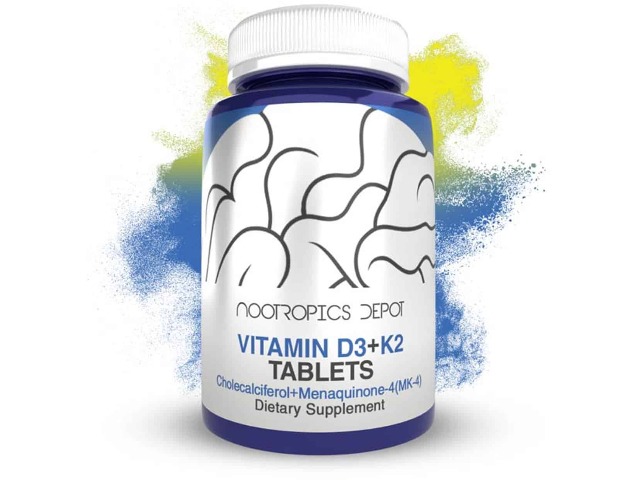
Vitamin D + K2 by Nootropics Depot
Shop Now →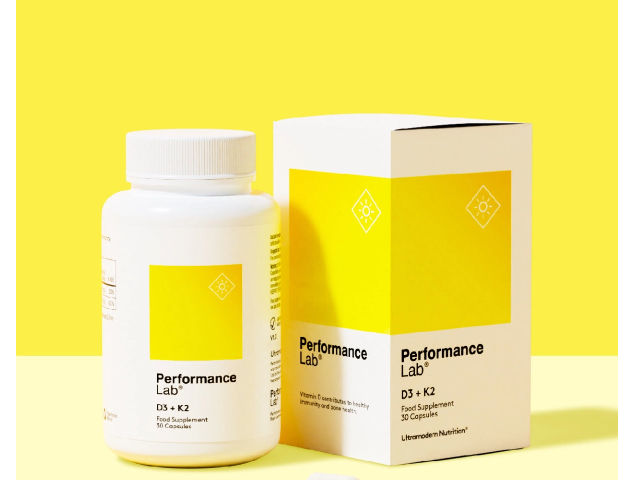
Vitamin D + K2 by Performance Lab
Shop Now →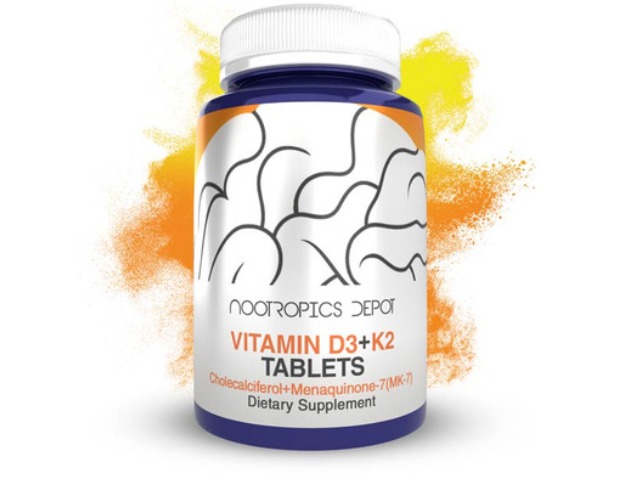
Buy Vitamin D3 + K2 with Vitamin C Supplement by Nootropics Depot
Shop Now →Disclosure: These are affiliate links. I earn a small commission if you purchase — at no extra cost to you. I only recommend products I personally use or have thoroughly researched.