
- Cognitive Function
- Memory
- Neuroprotection
- Cerebral Blood Flow
You see them every time you walk through the produce aisle. The deep blue of a blueberry, the rich purple of a blackberry, the vibrant red of a cherry. That color comes from anthocyanins, and for years, I just thought of them as “the stuff that makes berries healthy.” I filed them away with “eat the rainbow” and didn’t think much more about it.
It wasn’t until I dug into the research on brain inflammation and blood flow that I realized my mistake. These compounds aren’t just passive health markers; they are active, potent nootropics that can cross the blood-brain barrier and go to work protecting your most important asset. They’re one of the most compelling arguments for a food-first approach to cognitive enhancement.
The Short Version: Anthocyanins are powerful antioxidant flavonoids found in red, purple, and blue plants (like berries). They support cognitive function, memory, and brain health by reducing inflammation, neutralizing free radicals, and increasing blood flow to the brain. Think of them not as a quick-fix nootropic, but as a long-term strategy for brain protection and maintenance.
What Is Anthocyanins?
Anthocyanins are a class of water-soluble pigments in the flavonoid family. In simple terms, they’re the molecules that give plants like blueberries, pomegranates, black rice, and red cabbage their characteristic colors.
In the plant kingdom, these pigments are workhorses. They act as a natural sunscreen, protecting cells from UV damage, and their bright colors are crucial for attracting bees and other pollinators. It turns out that many of these same protective qualities that benefit the plant can also benefit our brains.
While they’ve been part of the human diet for millennia, we only started to understand their chemical structure in the early 20th century. Today, they’re one of the most heavily researched flavonoids, valued not just for their antioxidant capacity but for their specific effects on cognitive health and the brain’s circulatory system. This isn’t just about general wellness; it’s about targeted support for your brain.
How Does Anthocyanins Work?
The biggest mistake people make with nootropics is looking for a single magic bullet. Anthocyanins aren’t a magic bullet; they’re more like a Swiss Army knife for your brain, working through multiple pathways at once to protect and support cognitive function.
The research shows they are capable of crossing the blood-brain barrier to act directly on brain tissue. A 2019 meta-analysis in Advances in Nutrition confirmed that anthocyanin intake significantly improves cognitive function. Their power lies in a few key mechanisms:
- Potent Antioxidant & Anti-inflammatory Action: Your brain is metabolically expensive, which means it produces a lot of metabolic waste, or “free radicals.” Anthocyanins are masters at neutralizing these free radicals, reducing the oxidative stress that damages neurons. They also calm down the brain’s immune cells (microglia), preventing the kind of chronic, low-grade neuroinflammation that leads to brain fog and cognitive decline.
- Boosted Cerebral Blood Flow: This might be their most underrated benefit. Anthocyanins help your blood vessels relax by increasing the production of nitric oxide (NO). Better blood flow means more oxygen and nutrients get delivered to your brain cells, allowing them to function at their peak.
- Neurogenesis & Plasticity: Emerging research suggests anthocyanins may help your brain grow new neurons and strengthen the connections between existing ones (synaptic plasticity). In plain English: they may help your brain’s wiring become more robust and efficient, which is the physical basis of learning and memory.
- Gut-Brain Axis Modulation: This is fascinating. When you eat anthocyanins, your gut bacteria metabolize them into other powerful, neuroprotective compounds. They also help cultivate a healthier gut microbiome, which in turn reduces systemic inflammation that can affect your brain.
So what does this all mean? It means anthocyanins aren’t just masking symptoms. They’re working in the background to create a healthier, more resilient brain environment. They’re cleaning up waste, improving fuel delivery, and helping maintain the physical structure of the brain itself.
Benefits of Anthocyanins
The evidence for anthocyanins is surprisingly strong, especially when compared to more obscure nootropics. We have multiple human trials, systematic reviews, and meta-analyses backing up their cognitive benefits.
- Improved General Cognitive Function: This is the most well-supported benefit. A meta-analysis of randomized controlled trials (the gold standard of research) found that anthocyanin supplementation consistently improves performance across several cognitive domains, including attention, processing speed, and executive function.
- Memory Enhancement: Multiple studies have connected anthocyanin intake—from both supplements and foods like blueberry juice—to better memory performance. This includes verbal, short-term, and long-term memory, with particularly strong results seen in older adults who are already experiencing some cognitive decline.
- Neuroprotection: Because they fight oxidative stress and inflammation—two of the primary drivers of brain aging—anthocyanins are believed to play a protective role against age-related cognitive decline. While the evidence is still emerging, their fundamental mechanisms suggest they could be a powerful tool for maintaining brain health long-term.
Reality Check: While human studies are promising, much of the most exciting research on neurogenesis and Alzheimer’s prevention is still in preliminary stages or based on animal models. Anthocyanins are not a “cure” for neurodegenerative disease. They are a tool for building a more resilient brain that is less susceptible to age-related damage. Consistency is more important than a massive, acute dose.
How to Take Anthocyanins
Before I spent a dime on an anthocyanin supplement, I’d first focus on loading my diet with berries, cherries, red cabbage, and other colorful foods. But if you want to ensure a consistent, therapeutic dose, supplements are a reliable option.
- Dosage: Clinical studies have used a wide range, from as low as 10 mg to over 400 mg per day. A common and effective dosage seen in many trials is around 300 mg daily.
- Timing: They can be taken any time of day, but consuming them with a meal can help improve absorption and prevent any potential for stomach upset.
- Forms: You can get them through whole foods, juices, or supplements. Supplements are typically sold as extracts (e.g., Bilberry Extract, Elderberry Extract) and should be standardized to a specific percentage of anthocyanins. This is crucial for knowing you’re getting an effective dose. Bioavailability can vary based on the source and your individual gut microbiome.
Insider Tip: Don’t chase the highest possible dose. The benefits of anthocyanins appear to be cumulative. A moderate, consistent daily dose of 200-300 mg is likely to be far more effective for long-term brain health than taking massive, infrequent doses.
Side Effects & Safety
Anthocyanins are among the safest compounds you can take, especially when consumed from whole foods. They are very well-tolerated.
- Common Side Effects: At very high supplemental doses, a small number of people may experience mild gastrointestinal issues like constipation or nausea. This is rare and often resolves by taking them with food.
- Who Should Avoid: If you have a known allergy to berries or the specific food source of an extract, you should avoid it.
- Pregnancy/Nursing: There isn’t enough research here, so it’s best to consult a healthcare provider before using supplements.
Important: Because they can affect blood vessels and metabolism, anthocyanin-rich supplements (like chokeberry or bilberry extract) may interact with certain medications. Be cautious if you take anticoagulants/antiplatelet drugs (blood thinners), as they may increase bleeding risk. They could also enhance the effect of antidiabetes medications, so monitor blood sugar closely.
Stacking Anthocyanins
Anthocyanins are a great foundational element in a stack because they create a healthier brain environment for other nootropics to work in.
- For Neurogenesis & Plasticity: Stacking with compounds that also support Nerve Growth Factor (NGF) could be highly synergistic. Consider combining anthocyanins with Lion’s Mane or Bacopa Monnieri for enhanced learning and memory support.
- For Cerebral Blood Flow: To further boost blood flow and nutrient delivery, pairing them with Ginkgo Biloba or Vinpocetine is a classic and effective combination.
- For Foundational Brain Health: Pair anthocyanins with a high-quality Omega-3 fatty acid supplement (especially high-DHA fish oil) and a good B-complex vitamin. This covers your bases for brain structure, energy, and protection.
My Take
For years, I dismissed the cognitive benefits of “superfoods” as marketing hype. I was focused on potent, single-molecule compounds and figured the effects of something like blueberries were too diffuse to matter. I was wrong. The data on anthocyanins is robust, especially for long-term brain health and memory in aging populations.
In my experience, you won’t “feel” anthocyanins the way you feel caffeine or even a racetam. The effect is far more subtle. It’s what you don’t notice: less brain fog on a stressful day, remembering a name that would have normally escaped you, feeling a bit sharper and clearer over months of consistent use.
This is NOT for someone looking for a quick pre-workout or study aid. This is for the person playing the long game. It’s for anyone over 40 looking to protect their brain from age-related decline, or for the individual who understands that managing inflammation and blood flow is the bedrock of sustained cognitive performance. By supporting your brain’s fundamental health, you’re raising the ceiling for what other, more targeted nootropics can do. For me, a daily, food-based source of anthocyanins is non-negotiable.
Recommended Anthocyanins Products
I know how frustrating it is to sort through dozens of brands making the same claims. These are the ones I've personally vetted — because quality is the difference between results and wasted money.
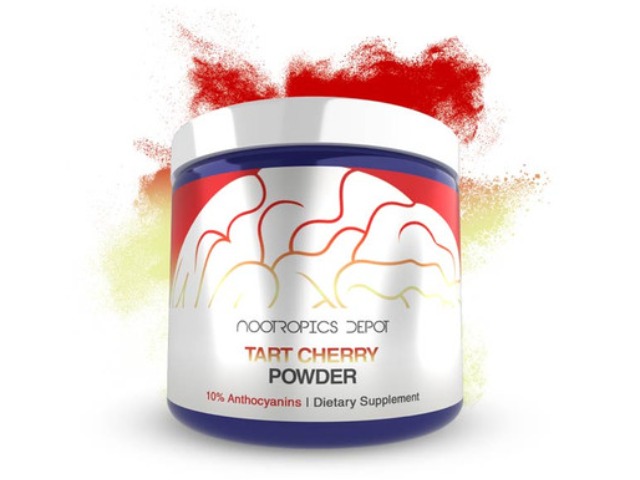
Disclosure: These are affiliate links. I earn a small commission if you purchase — at no extra cost to you. I only recommend products I personally use or have thoroughly researched.
Research & Studies
This section includes 5 peer-reviewed studies referenced in our analysis.