
- Slowing Cognitive Decline
- Neuroprotection
- Supports Long-Term Brain Health
I used to think that to get a real cognitive edge, you needed exotic sounding powders and complex chemical names. I spent a small fortune chasing that “limitless” feeling in a bottle, only to realize I was completely ignoring the most powerful nootropics on the planet—the ones in the produce aisle.
It’s a humbling lesson for a nutrition guy to admit. But my focus on obscure supplements meant I was overlooking the foundational power of whole foods. And at the top of that list is one of the most nutrient-dense vegetables you can eat: kale.
The Short Version: Kale (Brassica oleracea var. sabellica) is a leafy green that supports long-term brain health by providing a rich source of brain-protective antioxidants and vitamins. It’s best for anyone looking to build a solid foundation for cognitive longevity, not for those seeking an immediate nootropic “kick.”
What Is Brassica oleracea var. sabellica?
Kale is a leafy green vegetable from the cabbage family, and it’s considered one of the closest relatives to wild cabbage. Think of it as the great-great-grandfather of broccoli, cauliflower, and Brussels sprouts. While those other vegetables were selectively bred over centuries for specific traits, kale stayed rugged and closer to its original form.
It was first cultivated thousands of years ago in the Mediterranean, but it only became a health-food superstar in the last couple of decades. Before it was smoothie-fodder, it was mostly just a garnish.
The reason people like me are finally paying attention is simple: kale is an absolute powerhouse of nutrients. It’s packed with vitamins, minerals, and unique compounds that have profound effects on the body, especially the brain. It’s a perfect example of the “foundations first” philosophy in action. Before you spend hundreds on a fancy supplement stack, are you at least eating your greens?
How Does Kale Actually Work?
Kale’s nootropic power doesn’t come from one single mechanism but from a team of bioactive compounds working together to protect your brain from the inside out. It’s less like a sniper rifle targeting one specific pathway and more like a full-security detail for your neurons.
The key players are its antioxidants, vitamins, and unique Brassica compounds. Lutein and Zeaxanthin are two carotenoids famous for eye health, but they also cross the blood-brain barrier and accumulate in brain tissue. Higher levels are linked to better cognitive performance, essentially helping your brain perform as if it were younger.
Reality Check: The benefits of kale are cumulative and long-term. This isn’t a “take it and feel it in an hour” compound. It works by slowly building up your brain’s defenses against inflammation and age-related damage over weeks and months.
Then you have the heavy-hitting flavonoids Quercetin and Kaempferol. These are powerful antioxidants that fight inflammation throughout the body, including the brain. Chronic, low-grade inflammation is a primary driver of brain fog and more serious neurodegenerative issues down the road, and these compounds help put out that fire. On top of that, kale is loaded with Folate (Vitamin B9) and Vitamin K1, both of which are crucial for slowing the rate of cognitive decline as we age.
Finally, like its cousins broccoli and Brussels sprouts, kale contains glucosinolates. When you chop or chew it, these compounds convert into isothiocyanates like sulforaphane, which have been shown in studies to have powerful neuroprotective effects, shielding brain cells from oxidative damage.
In plain English: kale gives your brain the raw materials it needs to defend itself against the daily grind of stress, toxins, and inflammation.
The Evidence-Backed Benefits of Kale
The research on kale points overwhelmingly toward long-term neuroprotection rather than acute, noticeable nootropic effects. This is a supplement for your future brain.
The strongest evidence is for slowing cognitive decline. Multiple large-scale, long-term studies have shown that regular consumption of leafy greens like kale is associated with a significantly slower rate of cognitive decline in older adults. One incredible study from Rush University found that people who ate just one serving of leafy greens per day had brains that were the cognitive equivalent of being 11 years younger. That’s not a small effect.
The other benefits stem from the mechanisms we just discussed. Its rich profile of antioxidants and compounds like sulforaphane provides neuroprotection. While much of this research comes from cell or animal studies, it shows that extracts from Brassica vegetables can protect neurons from the kind of damage seen in Alzheimer’s models and reduce inflammatory markers.
Some studies on individual nutrients in kale, like Lutein, have also shown a correlation with improved cognitive function in middle-aged and older adults. The takeaway is that the more of these compounds you have circulating in your system and stored in your brain, the better your brain functions over the long haul.
How to Take Kale Without Wasting Your Money
For most of us, getting a concentrated, effective dose of kale is easiest with a powder. One tablespoon of a quality powder is roughly equivalent to a full cup of fresh kale, without you having to chew through a forest.
- Dosage: A standard daily dose of kale powder is 1-2 teaspoons (about 5-10 grams). Start with one teaspoon to see how your digestion handles the fiber.
- Timing: You can take it any time of day. I find it’s easiest to mix into a morning smoothie or a glass of water. Taking it with a meal can help with absorption and prevent any potential stomach upset.
- Forms: Kale is available fresh, powdered, or in capsules. Powders are the most convenient for a concentrated dose. However, how the powder is made matters—a lot.
Insider Tip: Always look for freeze-dried kale powder. This processing method is done at a low temperature, which preserves the delicate nutrients, enzymes, and compounds like sulforaphane. High-heat drying methods can destroy these beneficial compounds, leaving you with little more than green-colored fiber.
When sourcing a supplement, look for USDA Organic certification and, most importantly, third-party testing. A Certificate of Analysis (COA) is non-negotiable, as it verifies the product is free from heavy metals, which can be a concern in some greens powders. Avoid products with proprietary blends, fillers, or sweeteners. The only ingredient should be “organic kale.”
The Side Effects Nobody Talks About
While kale is incredibly safe, it’s not without a few potential issues, especially in high, concentrated doses.
- Digestive Issues: It’s high in fiber. If you’re not used to it, too much too soon can lead to gas and bloating. Start low and go slow.
- Kidney Stones: Kale is high in oxalates, which can contribute to kidney stone formation in people who are susceptible. If you have a history of kidney stones, talk to your doctor.
- Thyroid Function: It contains goitrogens, compounds that can interfere with the thyroid’s iodine uptake. This is mainly a concern for those with an existing underactive thyroid (hypothyroidism). Cooking kale significantly reduces its goitrogenic effect.
Important: Kale is extremely high in Vitamin K, which is essential for blood clotting. If you are taking a blood-thinning medication like Warfarin (Coumadin), a sudden, large increase in Vitamin K intake can make your medication less effective. You must talk to your doctor to ensure your Vitamin K intake remains consistent.
Stacking Kale for Better Brain Health
With kale, “stacking” is less about specific nootropic compounds and more about a dietary pattern. The cognitive benefits are massively amplified when it’s part of a diet rich in other brain-supportive foods, like the MIND diet, which is built around leafy greens, berries, nuts, and healthy fats.
Many commercial “greens powders” already stack kale with other synergistic ingredients. You’ll often see it combined with other superfoods like Spirulina and Chlorella, or with adaptogens and nootropic mushrooms. A common and effective combination is kale powder with Lion’s Mane mushroom and Ashwagandha, which work together to reduce brain fog, support Nerve Growth Factor, and build stress resilience.
It also pairs well foundationally with other Brassica vegetables like broccoli and broccoli sprouts, which are especially rich in sulforaphane, or cabbage, which contains brain-protective anthocyanins.
My Take
So, is kale a nootropic? Yes, but not in the way most people think. It’s not going to give you a jolt of focus to power through an all-nighter. It’s a long-term investment in your cognitive capital.
In my experience, adding a quality greens powder with a heavy dose of kale was one of the most effective things I did to reduce that feeling of persistent, low-grade brain fog. The effects were subtle and took a good 3-4 weeks to notice, but it felt like my brain just ran “cleaner.” My thinking was clearer, and my energy levels were more stable.
This is best for anyone who is playing the long game. If you’re serious about protecting your brain for decades to come, it’s a non-negotiable part of your routine. Who should skip it? If you’re looking for an immediate study aid or a pre-workout cognitive boost, this isn’t the tool for that job.
My recommendation is simple: before you spend money on anything else, make sure your diet is dialed in. And a high-quality, freeze-dried kale powder is one of the easiest and most effective ways to cover your nutritional bases for long-term brain health.
Recommended Kale Products
I know how frustrating it is to sort through dozens of brands making the same claims. These are the ones I've personally vetted — because quality is the difference between results and wasted money.
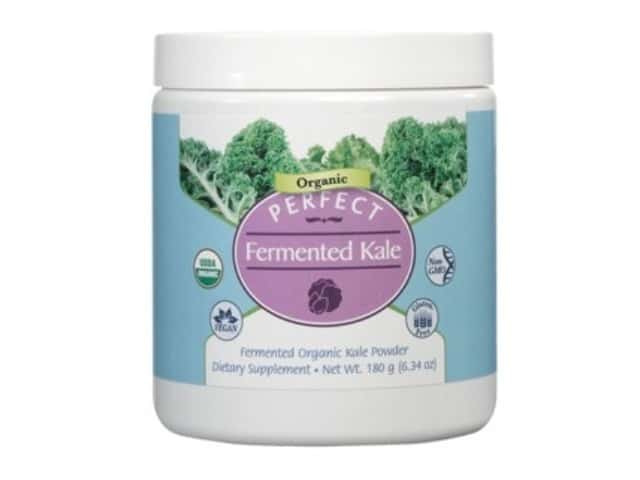
Disclosure: These are affiliate links. I earn a small commission if you purchase — at no extra cost to you. I only recommend products I personally use or have thoroughly researched.