

- Reduces stress and anxiety through cortisol regulation
- Enhances memory and cognitive processing
- Supports neuroprotection and brain cell regeneration
- Improves sleep quality and recovery
- Balances neurotransmitter systems (GABA, acetylcholine)
I used to think “stressed out” was just my default operating system. Racing thoughts at 2 AM. Forgetting names mid-conversation. That wired-but-exhausted feeling where you’re simultaneously running on fumes and can’t shut your brain off.
Then I discovered ashwagandha — not through some supplement ad, but buried in a research paper on cortisol regulation. Three months later, my resting heart rate dropped 8 beats per minute, I was sleeping through the night, and I could actually finish a book without re-reading the same page five times.
If you’re dealing with chronic stress that’s affecting your memory, focus, or sleep, this guide breaks down exactly how ashwagandha works and whether it’s worth adding to your routine.
The Short Version: Ashwagandha (Withania somnifera) is a clinically-validated adaptogen that reduces cortisol, enhances GABA and acetylcholine signaling, and protects brain cells from stress-induced damage. Typical dosing is 300-600mg daily of standardized extract. Benefits build over 8-12 weeks — this isn’t a quick fix, but the research backing it is solid.
What Is Ashwagandha? (The 3,000-Year-Old Stress Fighter)
Ashwagandha is one of the most revered herbs in Ayurvedic medicine, used for millennia as a “rasayana” — a rejuvenative tonic that promotes longevity and vitality. The name translates to “smell of horse,” which sounds terrible until you learn it refers to the herb’s traditional reputation for imparting the strength and virility of a stallion.
Modern science has caught up to the traditional wisdom. Ashwagandha is classified as an adaptogen — a compound that helps your body adapt to stress by normalizing physiological processes. Unlike stimulants that force a short-term response, adaptogens work by restoring balance over time.
The active compounds are withanolides — steroidal lactones unique to the Withania genus. These molecules cross the blood-brain barrier and interact with multiple neural systems simultaneously: stress hormone regulation, neurotransmitter balance, inflammation control, and antioxidant defense.
People use ashwagandha primarily for stress and anxiety, but the cognitive benefits — improved memory, faster processing speed, enhanced neuroplasticity — are equally well-documented. Think of it as a foundational support system that makes everything else work better.
Reality Check: Ashwagandha won’t compensate for sleeping 4 hours a night, eating garbage, and never moving your body. It’s not a magic pill that erases stress. But if you’re handling the fundamentals and still struggling with stress-related cognitive issues, ashwagandha is one of the most evidence-backed tools available.
How Does Ashwagandha Work? (The Science Without the Headache)
Here’s where ashwagandha gets interesting. Most nootropics target one or two pathways. Ashwagandha modulates at least four major brain systems simultaneously.
Cortisol Regulation and Stress Response
The most well-established mechanism is cortisol reduction. Ashwagandha modulates the hypothalamic-pituitary-adrenal (HPA) axis — your body’s central stress response system. When you’re chronically stressed, this axis gets dysregulated, pumping out excess cortisol that damages hippocampal neurons and impairs memory formation.
A 2019 study in Medicine tracked 60 adults with chronic stress over 8 weeks. The ashwagandha group showed a 27.9% reduction in serum cortisol compared to placebo (p < 0.001). Their scores on standardized stress assessment scales dropped significantly, and they reported better sleep quality and cognitive clarity.
Translation: ashwagandha helps normalize your stress response so your brain isn’t constantly operating in crisis mode. This isn’t numbing or sedating — it’s recalibrating the system.
GABAergic Modulation (The Calming System)
Ashwagandha enhances GABAergic neurotransmission — the brain’s primary inhibitory signaling system. GABA acts like the brakes on neural excitation, preventing overstimulation and promoting calm focus.
Research shows that withanolides interact with GABA-A receptors and may influence the enzymes involved in GABA synthesis. A 1991 study in The Indian Journal of Medical Research demonstrated that ashwagandha root extract produced anxiolytic effects comparable to lorazepam in animal models, but without the sedation or dependency risk.
In plain English: ashwagandha helps your brain achieve a balanced state between alertness and calm. It’s why many users report feeling simultaneously more focused and less anxious — the system is working more efficiently.
Cholinergic Enhancement (Memory and Learning)
Ashwagandha enhances cholinergic transmission by inhibiting acetylcholinesterase — the enzyme that breaks down acetylcholine. More acetylcholine at synapses means better signal transmission in memory and learning circuits.
This mechanism is similar to how Huperzine A works, but ashwagandha’s effect is gentler and more sustained. A 2017 double-blind study in the Journal of Dietary Supplements found that 300mg of ashwagandha twice daily for 8 weeks significantly improved immediate and general memory, executive function, and attention compared to placebo.
The improvement isn’t instant — cholinergic enhancement requires consistent signaling over weeks to strengthen neural pathways. But the effects are cumulative and persist even after you stop supplementing.
Neuroprotection and Neuroplasticity
This is where ashwagandha shifts from “stress reducer” to “brain optimizer.” The herb contains compounds that stimulate neuritic regeneration — the growth of dendrites and axons that form new neural connections.
A 2005 study in British Journal of Pharmacology demonstrated that withanolide A, one of ashwagandha’s key compounds, induced significant neuritic outgrowth in cultured neurons and promoted synaptic reconstruction in degenerative conditions. This is regeneration at the structural level — your brain physically building better wiring.
Additionally, ashwagandha’s potent antioxidant properties protect neurons from oxidative stress. Withanolides scavenge free radicals and upregulate endogenous antioxidant enzymes like superoxide dismutase and catalase. This creates a protective shield around neurons during periods of metabolic stress.
Pro Tip: The neuroprotective effects stack well with compounds that enhance mitochondrial function. I’ve found combining ashwagandha with CoQ10 and Alpha-Lipoic Acid creates a synergistic protective effect that improves both cognitive resilience and recovery.
Benefits of Ashwagandha (What the Research Actually Shows)
Let’s separate hype from evidence. Here’s what the clinical research supports — and where the evidence is still preliminary.
Stress and Anxiety Reduction (Strong Evidence)
This is ashwagandha’s superpower. Multiple randomized controlled trials demonstrate significant reductions in perceived stress and anxiety scores.
A 2012 study in the Indian Journal of Psychological Medicine gave 64 adults with chronic stress either 300mg of ashwagandha extract twice daily or placebo for 60 days. The ashwagandha group showed:
- 44% reduction in perceived stress scores (p < 0.0001)
- 27.9% decrease in serum cortisol (p < 0.001)
- Significant improvements in sleep quality and overall well-being
The evidence quality here is excellent — multiple RCTs, consistent effect sizes, clear dose-response relationships.
Memory and Cognitive Function (Moderate-to-Strong Evidence)
Ashwagandha improves multiple cognitive domains, particularly memory consolidation and information processing speed.
The 2017 study mentioned earlier (Journal of Dietary Supplements, 50 participants, 8 weeks) found statistically significant improvements across:
- Immediate memory recall
- Executive function tasks
- Sustained attention
- Information processing speed
Effect sizes were moderate but clinically meaningful. Participants weren’t becoming geniuses overnight, but they reported tangible improvements in daily cognitive performance.
Another 2014 study in Evidence-Based Complementary and Alternative Medicine found that ashwagandha improved reaction time and task performance in healthy adults, suggesting benefits even in non-stressed populations.
Sleep Quality (Moderate Evidence)
Ashwagandha improves both sleep onset and sleep quality, likely through GABAergic modulation and cortisol reduction.
A 2020 meta-analysis in PLOS ONE reviewed five randomized controlled trials and found that ashwagandha supplementation significantly improved overall sleep quality, particularly in adults with insomnia. Effects were stronger at doses of 600mg+ and with longer supplementation periods (8+ weeks).
Users consistently report falling asleep faster and waking more refreshed. This isn’t sedating drowsiness — it’s normalized sleep architecture from better stress regulation.
Neuroplasticity and Neuroprotection (Preliminary but Promising)
The research on neuritic regeneration and synaptic reconstruction is compelling, but most studies are in vitro or animal models. We need more human trials to confirm these effects translate to clinical benefits.
That said, the mechanisms are well-characterized, and the preclinical evidence is strong enough to warrant serious attention for neurodegenerative prevention strategies.
Reality Check: Ashwagandha isn’t going to reverse Alzheimer’s disease or repair severe neurological damage. But the evidence suggests it’s a legitimate tool for maintaining brain health and supporting cognitive resilience over time. The neuroprotective effects are long-term and preventative, not acute and curative.
Physical Performance and Testosterone (Bonus Benefit)
While not strictly cognitive, ashwagandha also improves physical performance, muscle strength, and testosterone levels in men. A 2015 study in the Journal of the International Society of Sports Nutrition found significant increases in muscle mass, strength, and testosterone in resistance-trained men taking 300mg twice daily.
Why does this matter for cognition? Because physical vitality and metabolic health directly impact brain function. Better mitochondrial efficiency, improved hormonal balance, and enhanced recovery all support cognitive performance indirectly.
How to Take Ashwagandha (Without Wasting Your Money)
Dosing matters. Too little and you won’t see benefits. Too much and you risk side effects without additional gains.
Dosage
The clinically-validated range is 300-600mg daily of a standardized extract containing 5% withanolides. Most studies showing cognitive benefits used either:
- 300mg twice daily (600mg total)
- 600mg once daily
Start at 300mg per day for the first 2 weeks to assess tolerance. If you’re not noticing benefits after 3-4 weeks, increase to 600mg. Going beyond 600mg doesn’t appear to provide additional cognitive benefits and increases the risk of side effects.
| Use Case | Dosage | Timing | Notes |
|---|---|---|---|
| General stress support | 300mg | Morning or evening | Start here for most users |
| Cognitive enhancement | 600mg | Split AM/PM or single dose | Optimal for memory/focus |
| Sleep support | 300-600mg | 1-2 hours before bed | Promotes sleep quality |
| Athletic performance | 600mg | Post-workout | Aids recovery and adaptation |
Timing and Food
Take ashwagandha with food to enhance absorption and minimize GI upset. The withanolides are fat-soluble, so taking it with a meal containing some fat improves bioavailability.
Morning dosing works well for daytime stress management and focus. Evening dosing is better if you’re primarily using it for sleep support. If you’re splitting doses, morning and early evening (not right before bed unless targeting sleep) provides consistent coverage.
Forms and Bioavailability
Not all ashwagandha extracts are created equal. Look for products standardized to 5% withanolides or higher — this ensures consistent active compound content.
| Form | Withanolide Content | Bioavailability | Best For |
|---|---|---|---|
| KSM-66 | 5% | High | General use, most studied |
| Sensoril | 10% | High | Evening/sleep support |
| Raw powder | Variable (1-3%) | Lower | Traditional use, budget option |
KSM-66 is the most extensively researched extract — if you want to replicate study results, this is your best bet. Sensoril has a higher withanolide content and includes more withaferin A, which may enhance calming effects but can be more sedating.
Raw ashwagandha powder is traditional and cheaper, but potency is inconsistent and you’ll need higher doses (3-6 grams) to match extract benefits.
Cycling
Ashwagandha doesn’t require cycling for most users. The adaptogenic effects build over time and remain beneficial with continuous use. I’ve taken it daily for 6+ month stretches without tolerance or diminished effects.
That said, some practitioners recommend periodic breaks (1-2 weeks off every 3 months) to “reset” receptor sensitivity. There’s no strong evidence this is necessary, but it’s a reasonable precaution if you’re concerned about long-term adaptation.
Insider Tip: Consistency matters more than perfection. Taking 300mg daily for 12 weeks will yield far better results than sporadic 600mg doses or jumping between compounds. Ashwagandha’s benefits are cumulative — this is a marathon supplement, not a sprint.
Side Effects & Safety (What Could Actually Go Wrong)
Ashwagandha has an excellent safety profile in clinical trials, but it’s not side-effect-free.
Common Side Effects
- Gastrointestinal upset (5-10% of users): Mild nausea, stomach discomfort, or loose stools. Usually resolves with food or dose reduction.
- Drowsiness (especially at higher doses): GABAergic effects can cause sedation in sensitive individuals. If this happens, switch to evening dosing or reduce dose.
- Mild headache (rare): Typically transient and resolves within the first week.
Who Should Avoid Ashwagandha
Pregnancy and breastfeeding: Ashwagandha has traditional abortifacient uses and may stimulate uterine contractions. Avoid during pregnancy. Safety during breastfeeding is unknown.
Hyperthyroidism: Ashwagandha may increase thyroid hormone levels. If you have hyperthyroidism or Graves’ disease, avoid or use only under medical supervision.
Autoimmune conditions: As an immune modulator, ashwagandha may stimulate immune activity. Use cautiously with rheumatoid arthritis, lupus, or multiple sclerosis.
Upcoming surgery: Stop ashwagandha 2 weeks before scheduled surgery due to potential effects on anesthesia and blood sugar regulation.
Drug Interactions
| Medication/Substance | Interaction Type | Risk Level | Notes |
|---|---|---|---|
| Sedatives (benzodiazepines, sleep aids) | Additive CNS depression | Moderate | May increase drowsiness; monitor carefully |
| Thyroid hormones (levothyroxine) | Thyroid hormone increase | Moderate | May potentiate effects; monitor TSH levels |
| Immunosuppressants (corticosteroids, cyclosporine) | Immune stimulation | Moderate | May counteract immunosuppressive effects |
| Blood sugar medications (metformin, insulin) | Hypoglycemic | Low-Moderate | May lower blood sugar; monitor glucose |
| Blood pressure medications | Hypotensive | Low-Moderate | May enhance blood pressure reduction |
| Alcohol | CNS depression | Low-Moderate | Avoid combining; increased sedation risk |
Important: If you’re taking medications for thyroid conditions, autoimmune disease, or psychiatric conditions, consult your physician before adding ashwagandha. The herb’s effects on hormonal and immune systems can interact with pharmaceutical treatments.
Long-Term Safety
Clinical studies lasting up to 12 months show no serious adverse effects with continuous ashwagandha use. Liver and kidney function markers remain normal in long-term users. However, very high doses (>1000mg daily) have rare reports of hepatotoxicity — stick to the 300-600mg range.
Stacking Ashwagandha (The Combinations That Actually Work)
Ashwagandha plays well with many compounds because it addresses foundational stress regulation rather than forcing a single pathway.
For Stress Resilience + Cognitive Performance
The Adaptogenic Triad:
- 300mg Ashwagandha (morning)
- 300mg Rhodiola Rosea (morning)
- 200mg L-Theanine (morning or as needed)
This combination addresses stress from three angles: HPA axis regulation (ashwagandha), fatigue resistance (rhodiola), and acute anxiety without sedation (L-theanine). It’s my go-to for high-pressure work periods.
For Deep Focus + Calm Energy
The Calm Productivity Stack:
- 300mg Ashwagandha (morning with food)
- 300mg Alpha-GPC (morning)
- 100-200mg Caffeine (morning)
- 200mg L-Theanine (with caffeine)
Ashwagandha provides the stress buffer, Alpha-GPC enhances cholinergic drive for memory and focus, and the caffeine/L-theanine combo delivers clean energy without jitters. The ashwagandha prevents the cortisol spike that often accompanies chronic caffeine use.
For Sleep Quality + Recovery
The Restorative Evening Stack:
- 300-600mg Ashwagandha (1-2 hours before bed)
- 400mg Magnesium Glycinate (evening)
- 300-500mg L-Theanine (evening)
This trio addresses sleep from multiple pathways: cortisol normalization, GABAergic enhancement, muscle relaxation, and neural calming. Users report falling asleep faster and waking more refreshed.
For Neuroprotection + Longevity
The Brain Defense Stack:
- 300mg Ashwagandha (morning)
- 500mg Lion’s Mane (morning)
- 200mg CoQ10 (with food)
- 300mg R-Alpha-Lipoic Acid (with food)
This combination targets neuroplasticity (ashwagandha + Lion’s Mane), mitochondrial function (CoQ10), and comprehensive antioxidant defense (R-ALA). It’s a long-term brain health strategy, not an acute performance booster.
| Stack Goal | Key Synergies | Timing Strategy |
|---|---|---|
| Stress + Cognition | Ashwagandha + Rhodiola + L-Theanine | Morning or split AM/PM |
| Focus + Energy | Ashwagandha + Alpha-GPC + Caffeine + L-Theanine | Morning for work sessions |
| Sleep + Recovery | Ashwagandha + Magnesium + L-Theanine | Evening, 1-2 hours pre-bed |
| Neuroprotection | Ashwagandha + Lion’s Mane + CoQ10 + R-ALA | Morning with breakfast |
What NOT to Stack
Avoid combining ashwagandha with:
- Strong sedatives or alcohol: Additive CNS depression — increased drowsiness and impairment risk
- Multiple GABAergic compounds (unless carefully titrated): Stacking ashwagandha + Phenibut + high-dose GABA = excessive sedation
- Immunostimulants if you’re on immunosuppressants: Conflicting mechanisms
Pro Tip: When stacking ashwagandha with other adaptogens, start with one compound at a time for 2-3 weeks to assess individual responses. Then layer in additional ingredients. This prevents the “kitchen sink” problem where you can’t identify what’s working or causing issues.
My Take
I’ve been using ashwagandha consistently for three years, and it’s one of the few compounds I’d genuinely struggle to give up.
Here’s what it actually does for me: my baseline stress response is noticeably lower. The things that used to send me into anxious overthinking now feel manageable. I sleep better — not knocked-out sedated, but genuine restorative sleep where I wake up feeling recovered. And my working memory under stress improved measurably.
What it doesn’t do: it’s not a stimulant. You won’t “feel it” acutely like caffeine or Modafinil. The first 2-3 weeks feel like nothing is happening. Then around week 4-6, you realize you’ve been handling pressure differently. It’s subtle until you compare before and after.
Who this is best for:
- People with chronic stress affecting cognitive performance
- Anyone with poor stress resilience who gets mentally fried easily
- Sleep issues driven by racing thoughts or cortisol dysregulation
- Long-term cognitive health and neuroprotection strategies
Who should probably try something else:
- If you need acute cognitive enhancement for a specific task right now, try Alpha-GPC + Caffeine + L-Theanine
- If you have hyperthyroidism or autoimmune conditions, work with Rhodiola Rosea or Bacopa Monnieri instead
- If you’re looking for rapid mood elevation, explore L-Tyrosine or SAMe
The honest verdict: Ashwagandha is one of the most evidence-backed adaptogens available. It won’t fix a broken lifestyle, but if you’re doing the fundamentals and still struggling with stress-related cognitive issues, it’s absolutely worth a 12-week trial. Start with 300mg of KSM-66, give it 6-8 weeks, and assess objectively. If your sleep improves, your stress resilience increases, or your memory under pressure gets sharper, you’ve found a foundational tool.
If nothing changes after 12 weeks at 600mg, move on — not every compound works for every brain. But based on the research and my experience, most people will notice meaningful improvements.
Recommended Ashwagandha Products
I know how frustrating it is to sort through dozens of brands making the same claims. These are the ones I've personally vetted — because quality is the difference between results and wasted money.
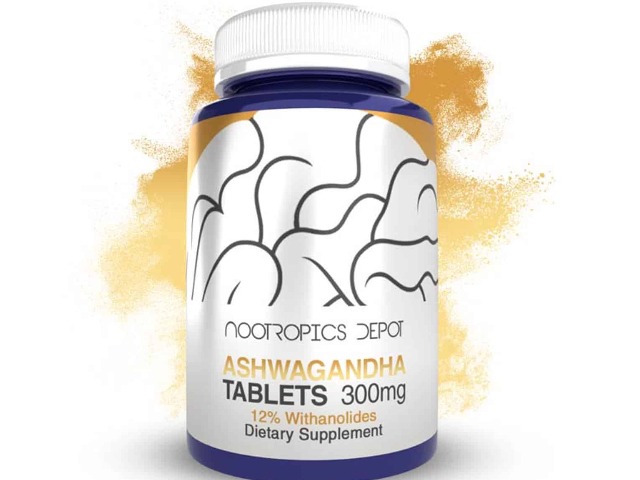
Ashwagandha by Nootropics Depot
Shop Now →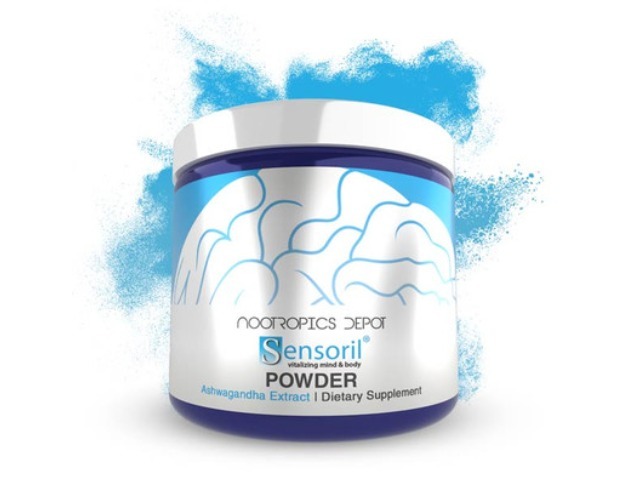
Buy Sensoril Ashwagandha Powder | Read Benefits and by Nootropics Depot
Shop Now →
Buy Shoden® Ashwagandha Extract Capsules by Nootropics Depot
Shop Now →Disclosure: These are affiliate links. I earn a small commission if you purchase — at no extra cost to you. I only recommend products I personally use or have thoroughly researched.