
- Antioxidant Support
- Immune Modulation
- Reduced Inflammation
For years, I chased antioxidant “superfoods” like a man possessed. I spent a small fortune on exotic berries from the Amazon, bitter green powders that tasted like lawn clippings, and fancy juices that promised to reverse all my bad decisions. I was looking for a shield—something to protect my body and brain from the stress of modern life.
It turns out the most powerful shield I ever found wasn’t a berry or a juice. It was a weird, ugly fungus that looks like a lump of charcoal growing on the side of a tree.
The Short Version: Inonotus obliquus, better known as Chaga, is one of the most potent natural antioxidants on the planet. It’s best used as a foundational tool for reducing inflammation and supporting the immune system, not as a sharp, fast-acting nootropic. While its benefits are impressive, its high oxalate content means you have to be smart about how you use it.
What Is Inonotus obliquus?
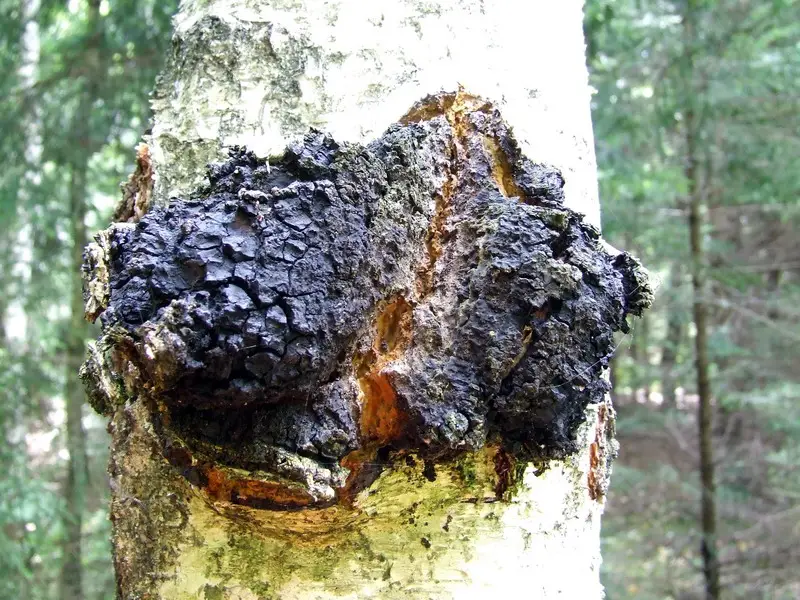
First, let’s clear something up. Chaga isn’t technically a mushroom. It’s a sterile conk, or canker—a hardened, parasitic mass of fungal mycelium and birch wood. It looks like a crusty, black growth on the outside, but if you break it open, you’ll find a bright, cork-like orange interior.
Chaga grows primarily on birch trees in very cold climates, like Siberia, Northern Europe, and North America. This is key, as it draws many of its powerful compounds, like betulinic acid, directly from its host tree.
Its use dates back centuries in Russian and Siberian folk medicine, where it was brewed as a tea to boost vitality, treat infections, and combat a wide range of serious ailments. It earned titles like “King of Herbs” and “Gift from God” for a reason. Its reputation was so strong that the Russian Medical Academy of Science officially approved it for public use in 1955.
While it’s an incredible tool, remember the “foundations first” philosophy. Chaga can’t protect you from a terrible diet, chronic sleep deprivation, or unmanaged stress. But if you have those foundations in place, it can add a powerful layer of resilience.
How Does Inonotus obliquus Work?
Chaga doesn’t have one single mechanism; it works on multiple systems at once. Think of it less like a sniper rifle targeting one problem and more like a full-body tune-up.
Its main power comes from its incredible density of bioactive compounds, including polyphenols, triterpenoids, and a dark pigment called melanin, all of which have potent antioxidant effects. It also contains special polysaccharides called beta-glucans that are fantastic for the immune system.
Here’s the sandwich:
1. It’s a World-Class Antioxidant.
In plain English, Chaga is a master at cleaning up cellular junk. It acts like a powerful scavenger for free radicals—unstable molecules that cause oxidative stress, which is a root cause of aging, inflammation, and chronic disease.
The science is almost cartoonishly impressive. Chaga has one of the highest ORAC (Oxygen Radical Absorbance Capacity) scores ever recorded in a natural food. It’s packed with a spectrum of antioxidants, including a high concentration of Superoxide Dismutase (SOD), an enzyme that plays a critical role in protecting our cells from damage.
So what? By neutralizing oxidative stress, Chaga helps protect your cells, your DNA, and your mitochondria (your cellular power plants) from the damage that accumulates over time. This is the source of its deep, systemic, anti-aging benefits.
2. It’s a Smart Immune Modulator.
Instead of just “boosting” your immune system, which can be a problem in autoimmune conditions, Chaga acts as a modulator. Think of it as a smart personal trainer for your immune cells.
The beta-glucans in Chaga are the key players here. Studies show they can stimulate the production of beneficial cytokines, helping your immune system mount a faster and more effective response against pathogens. At the same time, it can help down-regulate an overactive immune response, which is crucial for taming the chronic inflammation seen in many autoimmune issues.
This dual action is what makes Chaga so valuable. It helps your body’s defenses work smarter, not just harder.
Benefits of Inonotus obliquus
The evidence for Chaga is a tale of two cities: a massive body of promising preclinical research and a frustrating lack of large-scale human trials. Honesty is key here.
Reality Check: Chaga is not a miracle cure. While animal and in-vitro studies are incredibly exciting, especially for anti-cancer and anti-diabetic effects, we can’t directly translate those results to humans. Anyone promising otherwise is selling hype, not science.
Strong Preclinical Evidence (Lab & Animal Studies):
- Antioxidant & Anti-inflammatory Power: This is Chaga’s most well-supported benefit. Dozens of studies confirm its ability to fight oxidative stress and downregulate inflammatory pathways like NF-κB.
- Immune System Support: Extensive evidence shows Chaga’s beta-glucans effectively modulate the immune system.
- Anti-Cancer Potential: In lab settings, Chaga extracts have been shown to inhibit tumor growth and induce cell death (apoptosis) in various cancer cell lines. This is promising but very far from being a proven cancer treatment in humans.
- Organ Protection: Its antioxidant load seems to protect the liver and kidneys in animal models.
Human Evidence & Cognitive Benefits: This is where we need to be careful. While the mechanisms for cognitive enhancement are plausible—it may inhibit the breakdown of acetylcholine, the “learning neurotransmitter”—there are no strong human studies confirming that Chaga directly improves focus, memory, or other cognitive functions. The benefit is more likely indirect, stemming from reduced brain inflammation and oxidative stress over time.
How to Take Inonotus obliquus
How you take Chaga matters—a lot. Throwing raw Chaga powder in a smoothie is mostly a waste of money. The good stuff is locked away behind a tough cellular wall made of chitin, which humans can’t digest.
The Most Important Rule: Quality & Extraction To get the benefits, you need an extracted product.
- Dual-Extract is Best: A hot-water extract pulls out the water-soluble beta-glucans (for immunity), and an alcohol extract pulls out the alcohol-soluble triterpenoids (for anti-inflammatory and other effects). A dual-extract gives you the full spectrum.
- Avoid “Mycelium on Grain”: This is a cheap shortcut where the fungus is grown on oats or rice. The final product is mostly starchy grain filler, not the true Chaga conk. Look for 100% Chaga sclerotium (or fruiting body).
Insider Tip: Any reputable brand will provide a third-party lab report (a Certificate of Analysis) showing the active compounds. Look for a verified beta-glucan content of at least 20%. If a company won’t show you their labs, don’t give them your money.
Dosage & Timing:
- Extract Powder (e.g., 8:1): A typical dose is 500 mg to 1,500 mg per day.
- Tincture: Usually 1-2 mL (20-30 drops) once or twice daily.
- Timing: You can take it any time of day, with or without food.
The Oxalate Warning: Why You Must Be Careful Chaga contains extremely high levels of oxalates. In high doses over long periods, these can accumulate and form kidney stones or, in rare cases, cause severe kidney damage. Because of this risk, it is wise not to exceed 1-2 grams of extract per day and to consider intermittent use (e.g., 5 days on, 2 days off) instead of continuous daily intake.
Side Effects & Safety
While generally safe at the right doses, Chaga is not without risks.
Important: The high oxalate content is the most serious risk. Anyone with a history of kidney stones, kidney disease, or impaired kidney function should avoid Chaga completely.
- Bleeding Risk: Chaga can have a mild blood-thinning effect. If you have a bleeding disorder or are scheduled for surgery, stop taking it at least two weeks prior.
- Autoimmune Conditions: Because it stimulates the immune system, there’s a theoretical risk it could worsen conditions like Lupus or Rheumatoid Arthritis. Proceed with caution and talk to your doctor.
- Drug Interactions:
- Anticoagulants (Blood Thinners): Increases bleeding risk. Avoid if you take Warfarin, Aspirin, etc.
- Antidiabetic Medications: Chaga can lower blood sugar, so combining it with drugs like insulin could lead to hypoglycemia (dangerously low blood sugar).
- Immunosuppressants: It may interfere with the action of these drugs.
Stacking Inonotus obliquus
Chaga is a fantastic team player. It provides a foundational shield that other, more targeted nootropics can build upon.
What it pairs well with:
- For Cognition (Lion’s Mane): This is a classic pairing. Chaga provides the antioxidant protection while Lion’s Mane directly stimulates Nerve Growth Factor (NGF) for enhanced focus and memory.
- For Energy (Cordyceps): Combine Chaga’s antioxidant shield with Cordyceps’ ability to boost cellular energy (ATP) and oxygen utilization for clean, non-jittery physical and mental stamina.
- For Calm (Reishi): Pair Chaga with Reishi to combine antioxidant support with powerful stress reduction and a sense of calm focus.
What to AVOID combining:
- High-Dose Vitamin C: This is a negative synergy few people know about. Taking high doses of Vitamin C at the same time as Chaga can increase the body’s absorption of oxalates, further elevating the risk of kidney stones.
My Take
After years of experimenting, I don’t think of Chaga as a “nootropic” in the classic sense. I don’t take it expecting to feel a sharp jolt of focus or creativity. I take it for the same reason I have insurance on my house. It’s a shield.
I see it as a tool for long-term resilience. It’s for the person who wants to build a more robust system that’s less susceptible to the constant barrage of inflammation and oxidative stress.
Who is it best for?
- Anyone looking for a powerful, full-body antioxidant and anti-inflammatory agent.
- Individuals who want to support their immune system in a balanced, intelligent way.
- People who play the long game and are more interested in healthspan and prevention than short-term bio-hacks.
Who should probably skip it?
- Anyone with a history of kidney problems. The oxalate risk is real.
- Someone looking for an immediate cognitive “hit.” You’d be better off with something like Alpha-GPC or a good racetam.
- People taking blood-thinning or diabetes medication.
In my experience, Chaga provides a subtle sense of well-being and stability. It’s the feeling of knowing your body’s defenses are tuned up. If you’re looking for a foundational supplement to protect your system for the long haul, and you’re willing to respect the dosage, Chaga is one of the best things nature has to offer.
Recommended Chaga Mushroom Products
I know how frustrating it is to sort through dozens of brands making the same claims. These are the ones I've personally vetted — because quality is the difference between results and wasted money.
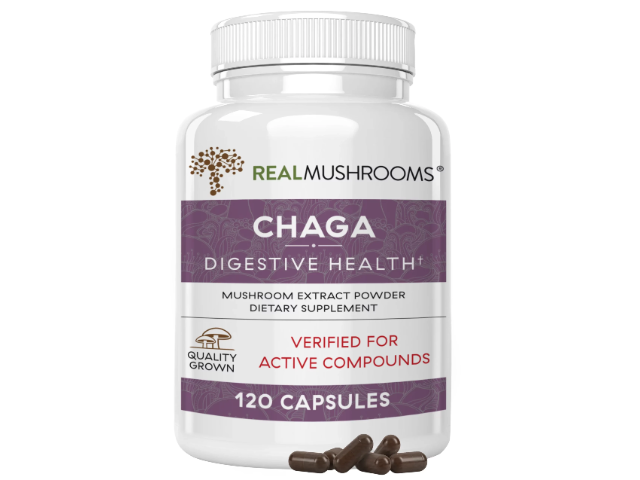
Chaga Capsules by Real Mushrooms
Shop Now →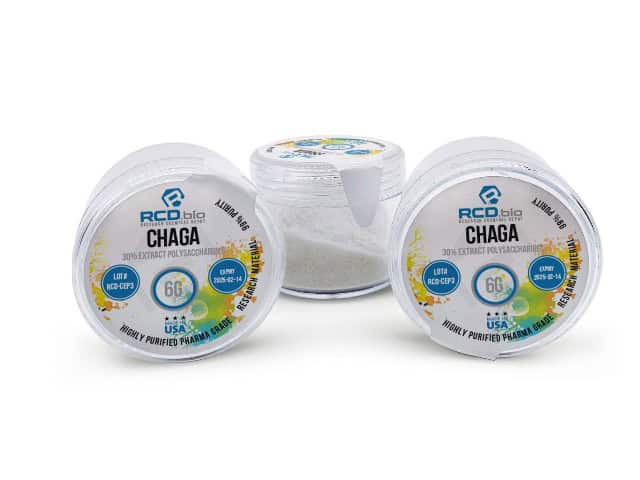
Chaga Powder 30 Extract by Research Chemical Depot
Shop Now →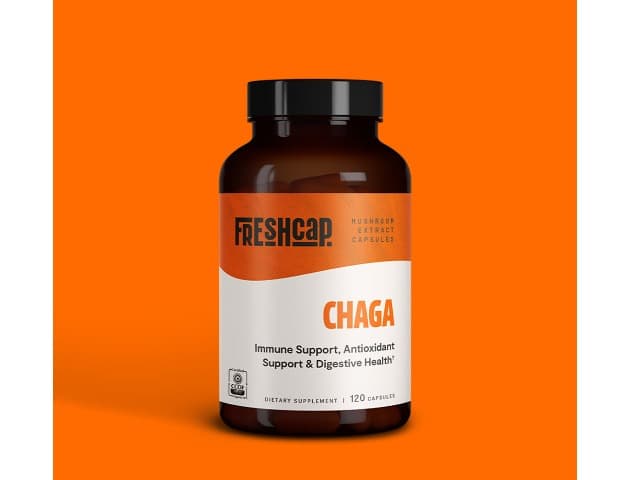
Freshcap Chaga Capsules
Shop Now →Disclosure: These are affiliate links. I earn a small commission if you purchase — at no extra cost to you. I only recommend products I personally use or have thoroughly researched.