

- Supports memory and learning through acetylcholine synthesis
- Enhances mental clarity and processing speed
- Supports neuronal membrane integrity
- May augment growth hormone secretion
- Synergizes with racetams and other cholinergics
I used to think all choline supplements were basically the same. Cheap choline bitartrate from the grocery store, fancy Alpha-GPC from the nootropics shop — same molecule, same results, right?
Wrong. Spectacularly wrong. The difference became obvious the first time I stacked piracetam without a quality choline source and spent the afternoon with a dull headache and the cognitive sharpness of a wet sponge. Once I switched to Alpha-GPC, the headaches vanished and the racetam actually started doing what everyone said it would.
That experience taught me something I now consider foundational: how you deliver choline to your brain matters as much as whether you deliver it at all.
The Short Version: Alpha-GPC is one of the most bioavailable choline sources available, delivering choline directly across the blood-brain barrier for acetylcholine production. It has solid clinical evidence for cognitive decline and emerging evidence for sharper mental performance in healthy adults. It’s the gold-standard choline source for nootropic stacking — and the one I keep coming back to after years of experimentation.
What Is Alpha-GPC?
Alpha-GPC (L-alpha-glycerylphosphorylcholine) is a water-soluble phospholipid metabolite that your brain already produces naturally as a byproduct of phosphatidylcholine metabolism. It delivers roughly 41% choline by weight, making it one of the most concentrated choline sources you can take.
Here’s why that matters: choline is the raw material your brain needs to produce acetylcholine — the neurotransmitter responsible for memory, learning, focus, and muscle contraction. Most people don’t get enough choline from diet alone, and even those who do may not be getting it in a form that efficiently crosses the blood-brain barrier. Alpha-GPC solves both problems.
The compound has a longer track record than most people realize. It was first synthesized back in 1948, and by the late 1980s it was being prescribed in Italy for cognitive recovery after stroke and for dementia. A landmark Italian trial followed over 2,000 stroke patients taking Alpha-GPC for six months and found significant cognitive recovery — with side effects in only about 2% of participants. Today it’s still a prescription drug in parts of Europe and South Korea, while in the US and Canada it’s sold as a dietary supplement.
Commercially, Alpha-GPC is produced by enzymatically breaking down phosphatidylcholine from soy or sunflower lecithin. You’ll find it in trace amounts in dairy and organ meats, but nowhere near therapeutic levels. Supplementation is really the only practical route.
Reality Check: Alpha-GPC is a powerful tool, but it’s not going to rescue you from the cognitive effects of sleeping five hours a night, eating garbage, and running on cortisol. Fix the foundations — gut health, sleep, stress management — and then layer in targeted nootropics. That’s when compounds like Alpha-GPC really shine.
How Does Alpha-GPC Work?
Think of Alpha-GPC as a specialized delivery truck for choline. It doesn’t just dump choline into your bloodstream and hope some of it makes it to your brain. It crosses the blood-brain barrier efficiently, delivering its payload right where it’s needed.
Once inside the brain, Alpha-GPC gets cleaved into two useful pieces: free choline and glycerophosphate. The choline feeds directly into acetylcholine production via an enzyme called choline acetyltransferase. The glycerophosphate contributes to phosphatidylcholine biosynthesis — essentially helping maintain the structural integrity of your neuronal cell membranes.
A 1991 study by Lopez et al. demonstrated that Alpha-GPC increases acetylcholine release in the hippocampus (your brain’s memory center) and partially counteracts the acetylcholine depletion caused by scopolamine, a drug that blocks cholinergic signaling. That’s not just theory — it’s measurable neurotransmitter activity.
But the story doesn’t end with acetylcholine. More recent research from 2024 by Cantone et al. found that Alpha-GPC modulates microglial activity through the alpha-7 nicotinic acetylcholine receptor. In plain English: it appears to influence the brain’s immune cells in ways that could dampen the neuroinflammation seen in Alzheimer’s disease. Alpha-GPC also influences dopaminergic and serotonergic transmission and can augment growth hormone secretion — likely through acetylcholine-stimulated catecholamine release.
So you’re not just getting a memory boost. You’re supporting membrane structure, modulating neuroinflammation, and influencing multiple neurotransmitter systems. That’s a lot of value from a single compound.
Benefits of Alpha-GPC
Cognitive Decline and Dementia Support — Moderate-to-Strong Evidence
This is where Alpha-GPC has its deepest evidence base. A 2023 systematic review and meta-analysis by Sagaro et al. pooling seven randomized controlled trials found that Alpha-GPC — alone or combined with donepezil — significantly improved cognition, behavioral outcomes, and functional outcomes in patients with adult-onset cognitive dysfunction.
The previously mentioned Italian multicenter trial of 2,044 stroke and TIA patients used a protocol of 1,000mg intramuscular daily for 28 days followed by 1,200mg oral daily for five months. Cognitive scores reached normal ranges by month three. That’s a serious result in a large patient population.
Acute Cognitive Performance in Healthy Adults — Emerging Evidence
If you’re a healthy person wondering “will this actually make me sharper?” — the answer is promising but not yet definitive. A 2024 randomized, double-blind, placebo-controlled crossover study in 20 healthy resistance-trained men found that a single 630mg dose significantly improved Stroop test performance (a measure of processing speed and cognitive interference). The effect was real but limited to one of three cognitive tasks tested.
My honest assessment: healthy young adults will notice subtler effects than older adults or those with cognitive impairment. The benefits are more often described as “cleaner thinking” and “better word recall” than any dramatic cognitive leap.
Growth Hormone and Athletic Performance — Preliminary Evidence
A study by Kawamura et al. (2012) showed that a single 1,000mg dose significantly increased growth hormone secretion at 60 minutes post-ingestion. A smaller study found 600mg taken before exercise produced a 44-fold increase in GH response compared to 2.6-fold for placebo, along with a 14% increase in peak bench press force.
These are intriguing numbers, but the studies are small. A 2023 trial using a combination supplement containing 300mg Alpha-GPC (alongside BCAAs and L-citrulline) found an 11% increase in peak power and 36% improvement in time to fatigue — though isolating Alpha-GPC’s contribution from that blend is impossible.
Insider Tip: The athletic performance angle is one of those areas where anecdotal reports run way ahead of the published research. Plenty of lifters swear by pre-workout Alpha-GPC for the mind-muscle connection. The science is catching up, but it’s not there yet. Take the GH and performance claims with appropriate skepticism.
How to Take Alpha-GPC
Standard cognitive support: 300–600mg daily, taken in one or two doses. Start at 300mg and assess for two weeks before increasing.
Cognitive decline protocol: 1,200mg daily, split into three 400mg doses. This mirrors the dosing used in most clinical trials and should be done under medical supervision.
Pre-workout: 300–600mg taken 60–90 minutes before training. This timing is well-supported for both the cognitive and potential GH effects.
With racetams: 300mg alongside each racetam dose. This is the classic pairing that prevents the “racetam headache” many users experience from increased acetylcholine turnover without sufficient choline supply.
Timing: Morning or early afternoon is generally preferred for cognitive benefits. Some users report overstimulation or vivid dreams when taking it too late in the day. It can be taken with or without food.
Pro Tip: Here’s something that trips up a LOT of people: most Alpha-GPC capsules contain 50% Alpha-GPC powder mixed with 50% silica or another filler, because pure Alpha-GPC is hygroscopic — it literally absorbs moisture from the air and turns into a sticky mess. So that “600mg Alpha-GPC” capsule on the label? It might only deliver 300mg of actual active compound. Always check whether the product lists total powder weight or actual Alpha-GPC content. Reputable brands will clearly state something like “300mg Alpha-GPC (from 600mg Alpha-GPC 50%).”
Cycling: Clinical trials have used continuous daily dosing for three to six months without reported tolerance issues. That said, many long-term users notice diminishing subjective effects after several weeks of uninterrupted use. A common approach is five days on, two days off — or cycling off for one week each month.
Side Effects and Safety
Alpha-GPC has a reassuringly clean safety profile across decades of clinical use. In large trials, side effects occurred in roughly 2% of participants and were generally mild:
- Heartburn or GI distress (most common, ~0.7%)
- Nausea (~0.5%)
- Insomnia or overstimulation (~0.4%)
- Headache (~0.2%)
- Fishy body odor (rare — a byproduct of choline metabolism)
A comprehensive 2024 toxicology study by Tian et al. found no toxic effects at extremely high doses and no genotoxicity, providing formal safety reassurance.
The stroke risk question. A large 2021 Korean retrospective study of over 12 million people found that Alpha-GPC users had a higher 10-year stroke risk. This made headlines, and understandably so. But context matters enormously here: in Korea, Alpha-GPC is prescribed to people who already have cognitive impairment — a population inherently at elevated stroke risk. This is classic confounding by indication. A 2025 Korean study found the opposite association — Alpha-GPC linked to lower stroke risk in the general population. The proposed biological mechanism involves TMAO, a metabolite produced when gut bacteria process choline, which has been associated with cardiovascular issues.
Important: The stroke data is conflicting and mostly observational. It shouldn’t cause panic, but if you have existing cardiovascular disease, talk to your doctor before supplementing with Alpha-GPC or any high-dose choline source. This is a “monitor and discuss” situation, not a “run for the hills” one.
Drug interactions: Alpha-GPC may reduce the effectiveness of anticholinergic medications (like scopolamine). When combined with acetylcholinesterase inhibitors (donepezil, rivastigmine), clinical evidence actually suggests the combination is safe and beneficial under medical supervision — several trials used this combination successfully. But the theoretical risk of excessive cholinergic stimulation exists, so medical guidance is warranted.
Pregnancy and nursing: There’s insufficient safety data for Alpha-GPC specifically during pregnancy, even though choline needs increase substantially. Other choline forms like phosphatidylcholine have more pregnancy safety data. Consult your healthcare provider.
Stacking Alpha-GPC
This is where Alpha-GPC really earns its reputation in the nootropics community.
The Classic: Alpha-GPC + Racetams. Piracetam, aniracetam, oxiracetam, pramiracetam — racetams increase acetylcholine turnover, which can deplete your choline reserves and cause headaches. Alpha-GPC at 300mg per racetam dose replenishes the precursor pool. This is one of the most time-tested combinations in nootropics. If you’re taking a racetam without a good choline source, you’re leaving performance on the table.
Alpha-GPC + Huperzine A. Huperzine A inhibits the enzyme that breaks down acetylcholine, while Alpha-GPC provides more raw material for production. You’re boosting supply and reducing breakdown simultaneously. Start with low doses of both to gauge your response.
The Mr. Happy Stack: Uridine + DHA + Alpha-GPC. Uridine, DHA, and a choline source work synergistically to support phosphatidylcholine synthesis and synaptic membrane formation. This is a long-game stack aimed at foundational brain health rather than acute performance.
Alpha-GPC + Noopept. Noopept modulates cholinergic signaling and benefits from having adequate choline substrate available. The pairing is popular in the community for enhanced focus and verbal fluency.
Complementary additions: Lion’s Mane for nerve growth factor support alongside Alpha-GPC’s neurotransmitter support. Bacopa Monnieri for memory consolidation to complement Alpha-GPC’s working memory effects. Caffeine and L-theanine as the foundational alertness stack with Alpha-GPC layered on for cholinergic depth.
What to avoid: Don’t stack multiple high-dose choline sources simultaneously. Alpha-GPC plus citicoline plus choline bitartrate is asking for excessive cholinergic side effects — depressive mood, brain fog, GI distress, and that lovely fishy body odor nobody warns you about. Pick one quality choline source and use it well.
My Take
Alpha-GPC is one of those compounds I consider a staple rather than a novelty. It’s been in my rotation for years, and it earned that spot by being consistently effective and well-tolerated.
For me, the sweet spot is 300mg in the morning alongside my other daily nootropics, with an extra 300mg pre-workout on training days. I notice cleaner thinking, better word recall in conversations, and a genuine improvement in mind-muscle connection during lifts. The effects aren’t dramatic in the way caffeine is dramatic — it’s more like upgrading from standard definition to HD. Everything’s a little crisper.
Who this is BEST for: Anyone stacking racetams (honestly, this is non-negotiable), people over 40 looking for reliable cognitive support with solid clinical backing, athletes wanting to explore the mind-muscle connection angle, and anyone who’s tried cheap choline bitartrate and wondered why it didn’t seem to do anything.
Who should try something else first: If you’re looking for broader neuroprotective benefits and aren’t concerned about acute performance, CDP-Choline (citicoline) might be a better daily driver — it provides uridine precursor alongside choline and has slightly more evidence for long-term brain health. Many experienced users (myself included) eventually land on using both: CDP-Choline daily for the long game, Alpha-GPC pre-workout or on days when you need sharper acute performance.
The bottom line: Alpha-GPC is well-researched, well-tolerated, and genuinely useful. It’s not going to make you limitless, but it’s one of the most reliable cognitive support tools in the nootropic toolkit. Start at 300mg, give it two weeks, and pay attention to whether your thinking feels a little more dialed in. For most people, it does.
Recommended Alpha-GPC Products
I know how frustrating it is to sort through dozens of brands making the same claims. These are the ones I've personally vetted — because quality is the difference between results and wasted money.
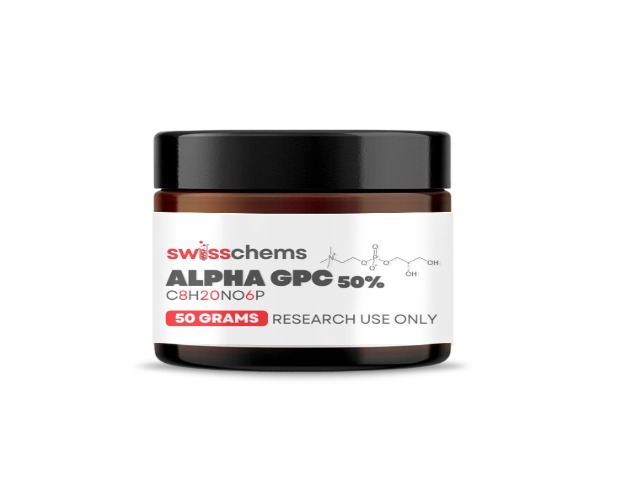
Alpha GPC (50%) – Powder by Swiss Chems
Shop Now →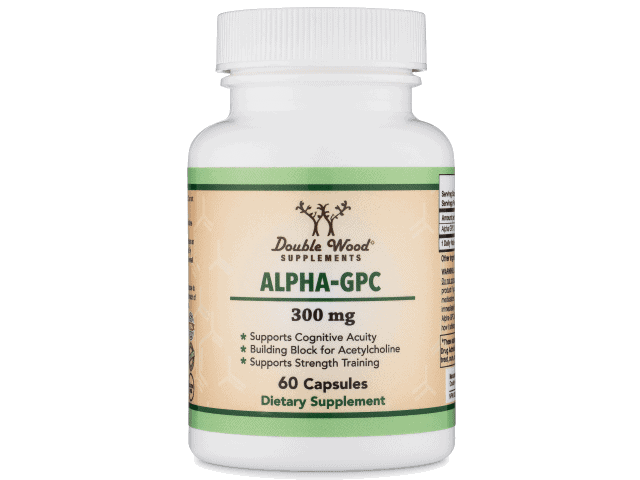
Alpha-GPC by Doublewood Supplements
Shop Now →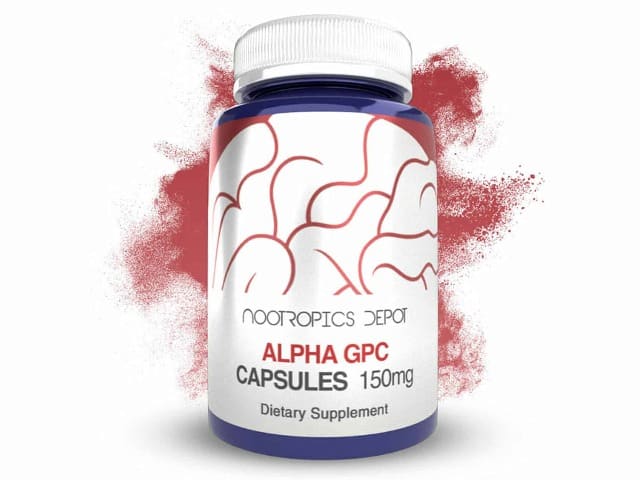
Alpha-GPC by Nootropics Depot
Shop Now →Disclosure: These are affiliate links. I earn a small commission if you purchase — at no extra cost to you. I only recommend products I personally use or have thoroughly researched.
Research & Studies
This section includes 10 peer-reviewed studies referenced in our analysis.