
- Antioxidant Support
- Anti-Inflammatory Action
- Hormone Balance
I used to be obsessed with finding the most obscure, lab-synthesized nootropic molecule I could get my hands on. If it had a name full of numbers and dashes, I figured it had to be powerful. I spent a fortune chasing the latest hype, convinced the next powder would be the one to fix my brain.
It took me years to realize I was ignoring the powerful compounds hiding in plain sight—in my own kitchen. What if one of the most interesting molecules for long-term brain health and hormone balance wasn’t from a secretive lab, but from a head of broccoli?
That’s the story of Indole-3-carbinol.
The Short Version: Indole-3-carbinol (I3C) is a compound from cruciferous veggies like broccoli that your body converts into the more powerful and important molecule, diindolylmethane (DIM). It’s a potent antioxidant and is most famous for helping to balance hormones. While it has some promising neuroprotective mechanisms, direct evidence for it being a “nootropic” is thin. Below, I break down the science, why it’s still worth knowing about, and who should probably just take DIM instead.
What Is Indole-3-carbinol?
Indole-3-carbinol (I3C) is a natural compound produced when you chew, chop, or digest cruciferous vegetables. Think broccoli, cauliflower, cabbage, kale, and Brussels sprouts. When you break down these plants, an enzyme converts a substance called glucobrassicin into I3C.
Scientific interest in I3C started picking up in the late 1980s, not as a nootropic, but for its potential role in cancer prevention. It’s a classic example of the “foundations first” philosophy. Before we even talk about supplements, we have to talk about food. The fact that a diet rich in these vegetables is linked to better health outcomes is old news, and compounds like I3C are a big reason why.
People use it primarily for its antioxidant properties and its effects on estrogen metabolism. The nootropic angle is a more recent development, and as you’ll see, it’s a bit of a stretch.
How Does Indole-3-carbinol Work?
The most important thing to understand is that I3C is more of a delivery system than the main event. When you take I3C, it hits your stomach acid and quickly converts into a variety of other compounds, most notably diindolylmethane (DIM). DIM is more stable, more bioavailable, and is considered the primary actor responsible for most of the benefits we attribute to I3C.
Here’s a breakdown of how I3C (and its star metabolite, DIM) influences your brain and body, using the science sandwich.
1. It Activates Your Body’s Master Antioxidant Switch
- What it does (conversational): Think of I3C as a drill sergeant for your cell’s internal cleanup crew. It doesn’t just neutralize one or two free radicals; it tells your cells to build a stronger, more resilient antioxidant defense system.
- The evidence (authoritative): I3C and its metabolites are potent activators of the Nrf2 pathway. Nrf2 is a protein that acts as a master regulator of the body’s antioxidant response, turning on genes that protect cells from oxidative stress.
- So what? (practical): This means I3C helps your brain protect itself from oxidative stress, a primary driver of brain fog, cognitive decline, and that general feeling of being “burnt out.”
2. It Calms Neuroinflammation
- What it does (conversational): If oxidative stress is a fire, inflammation is the smoke that chokes everything. I3C helps clear the air by dampening the main inflammatory alarm system in your cells.
- The evidence (authoritative): It inhibits the pro-inflammatory NF-κB pathway. This pathway is a key factor in neuroinflammation, which is implicated in everything from depression to more serious neurodegenerative diseases.
- So what? (practical): By reducing neuroinflammation, I3C may help create a better environment for your brain to operate efficiently.
3. It May Support Neurotransmitters and Brain Cell Growth
- What it does (conversational): This is where the “nootropic” claims get their start. Preliminary research suggests I3C could help your brain build new connections and preserve the key neurotransmitter for learning and memory.
- The evidence (authoritative): Animal studies show I3C may inhibit acetylcholinesterase (AChE), the enzyme that breaks down acetylcholine. This could increase levels of this vital neurotransmitter. Furthermore, pre-clinical research suggests it may activate the TrkB receptor, mimicking Brain-Derived Neurotrophic Factor (BDNF), which is crucial for neuron growth and survival.
- So what? (practical): In theory, this could lead to better memory and learning. But—and this is a huge but—these effects are primarily seen in animal models and petri dishes, not in human cognitive studies.
The (Real) Benefits of Indole-3-carbinol
Let’s be brutally honest about the evidence. While the mechanisms above sound incredible, it’s critical to separate hype from reality.
Reality Check: Let’s be clear: there are no significant human clinical trials demonstrating that I3C supplementation improves cognition, memory, or focus. Its fame comes from its well-researched effects on hormone metabolism, particularly estrogen. The nootropic benefits are, at this point, purely theoretical.
The primary, evidence-based benefits are centered on antioxidant support and hormone balance. The neuroprotective effects seen in animal studies are promising, suggesting it could help protect the brain from injury, but this doesn’t automatically translate to making a healthy brain work better.
How to Take Indole-3-carbinol Without Wasting Your Money
If you’re still curious, getting the protocol right is key. Because I3C is so unstable, how you take it matters—a lot.
- Dosage: The typical daily dose ranges from 200 mg to 800 mg, often split between two meals. Start at the low end (200mg) for a couple of weeks to assess your tolerance.
- Timing: You must take I3C with food. The conversion to its active metabolites like DIM depends entirely on stomach acid. Taking it on an empty stomach is a waste of money.
- Forms: I3C is notoriously unstable and has low bioavailability. This is its biggest weakness as a supplement.
Insider Tip: Honestly? Most savvy users skip I3C and supplement directly with its more stable, bioavailable metabolite, DIM. Taking I3C is an indirect and less reliable way to get the job done. Think of it like this: why eat the whole sugar cane stalk if what you really want is the refined sugar? In this case, DIM is the refined, active compound.
The Side Effects Nobody Warns You About
I3C is generally considered safe, but it’s not without potential side effects.
Common side effects are usually mild and can include skin rashes, nausea, or diarrhea, especially as your body first adjusts.
At high doses (typically above 800 mg/day), more concerning side effects like tremor and balance problems have been reported.
Important: I3C can accelerate how your liver processes many common medications (via the CYP1A2 enzyme), including some antidepressants, antipsychotics, and others, potentially making them less effective. It also interacts with estrogen-based drugs like birth control. Do not take I3C without talking to your doctor if you are on any prescription medication.
People who are pregnant or breastfeeding, or who have bleeding disorders, should avoid I3C entirely.
Stacking Indole-3-carbinol
There are no established nootropic stacks for I3C. It’s just not used that way in the community. However, based on its mechanisms, we can theorize about some logical pairings.
- A Choline Source: If I3C does help preserve acetylcholine, pairing it with a high-quality choline source like Alpha-GPC could provide the raw material for this neurotransmitter.
- Other Nrf2 Activators: Combining it with other antioxidant-pathway activators like sulforaphane (also from broccoli) or curcumin could provide a broad spectrum of antioxidant support.
The most important stacking advice is what not to do: do not combine I3C with any prescription medications it’s known to interact with, and use extreme caution when mixing it with other supplements that have hormone-altering or blood-thinning effects.
My Take
After all the research and experimentation, what’s my final verdict on Indole-3-carbinol?
In my experience, I3C is a fascinating molecule, but not as a nootropic. It’s a foundational health supplement masquerading as a brain-booster. The science just isn’t there to support taking it for focus, memory, or mental clarity. Its real power lies in cellular protection and hormone balance.
So, who should consider it? Maybe someone deeply invested in sourcing supplements from whole foods who is specifically targeting estrogen metabolism and wants the “full-spectrum” effect of all of I3C’s metabolites.
Who should skip it? Anyone whose primary goal is cognitive enhancement.
Is I3C worth trying for nootropic benefits? In my opinion, no. Your money, time, and attention are better spent on compounds with actual human data backing them up for cognitive performance. Eat your broccoli and cauliflower—get your I3C from your diet. If you’re specifically interested in the powerful systemic antioxidant and hormone-balancing effects, I’d strongly recommend looking directly at a high-quality, third-party tested DIM supplement instead. It’s the more direct, reliable, and effective approach.
Recommended Indole-3-carbinol Products
I know how frustrating it is to sort through dozens of brands making the same claims. These are the ones I've personally vetted — because quality is the difference between results and wasted money.
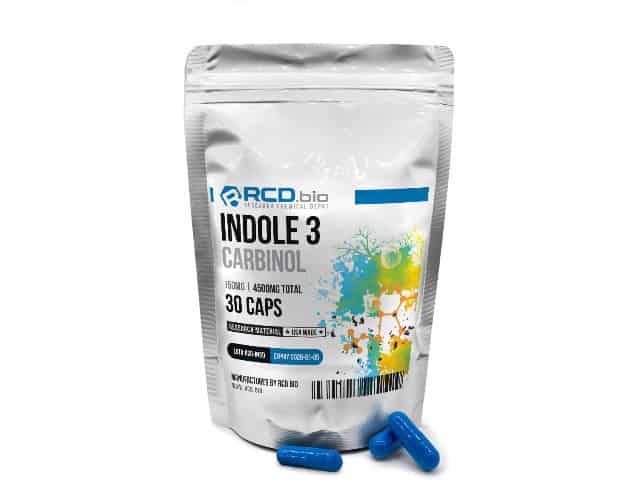
Disclosure: These are affiliate links. I earn a small commission if you purchase — at no extra cost to you. I only recommend products I personally use or have thoroughly researched.
Research & Studies
This section includes 8 peer-reviewed studies referenced in our analysis.