
- Acne Treatment
Every so often, a drug pops up in nootropic forums that makes me nervous, and Isotretinoin—better known by its original brand name, Accutane—is at the top of that list. I get emails asking if its brain-altering effects could be harnessed for cognitive enhancement, usually from people desperate for a solution. They see a powerful compound and think, “what if?”
This is a dangerous path. While Isotretinoin is undeniably potent, its power comes at a steep price, and the brain is one of the things that pays.
The Short Version: Isotretinoin is a highly effective prescription medication for severe acne. It is not a nootropic. It works by altering brain chemistry in ways that are linked to depression, anxiety, and a persistent, debilitating “brain fog” that can last for years after you stop taking it. The cognitive risks far outweigh any incidental benefits.
What Is Isotretinoin?
Isotretinoin (13-cis-retinoic acid) is a synthetic oral retinoid, which is a fancy way of saying it’s a man-made chemical derived from Vitamin A. Developed in the 1950s and approved in 1982, it revolutionized the treatment of severe, scarring nodular acne that didn’t respond to anything else. For dermatology, it was a game-changer.
But it was never intended for cognitive enhancement. Its discovery for acne was almost an accident; it was first investigated as a chemotherapy drug. The reason it’s even discussed in nootropics circles is because of its profound and not-fully-understood effects on the brain—effects that are primarily negative.
Before we even get into the science, this is where our “foundations first” philosophy comes in. If you’re struggling with brain fog or mood issues, the answer isn’t a high-risk pharmaceutical. The answer is dialing in your sleep, managing stress, and fixing your gut. Trying to fix your brain with Isotretinoin is like trying to fix a leaky pipe with a sledgehammer.
How Does Isotretinoin Work?
To understand why this drug is so problematic for the brain, you have to look past its effects on the skin. Yes, it dramatically shrinks your oil glands and helps prevent pores from clogging. That’s how it clears acne. But the molecule doesn’t just stay in your skin.
Layer 1 — What it does (conversational): Isotretinoin’s active form can cross the blood-brain barrier, meaning it gets direct access to your brain’s command center. Think of it like a software update that fixes your skin’s oil production but has a nasty bug that messes with your brain’s most important operating systems: mood and memory.
Layer 2 — The evidence (authoritative): Once in the brain, it influences retinoid receptors that are dense in the hippocampus (your memory hub) and the orbitofrontal cortex (your mood and decision-making center). Human brain imaging studies are particularly alarming; one showed that treatment can cause a significant decrease in metabolic activity in the orbitofrontal cortex. This is the same pattern seen in patients with clinical depression. Animal studies add another layer of concern, suggesting it may reduce hippocampal neurogenesis—the birth of new brain cells.
Layer 3 — So what? (practical): In plain English: Isotretinoin directly throttles activity in the parts of your brain responsible for emotion, focus, and memory formation. This isn’t a vague, “you might feel a little off” side effect. This is a direct, measurable physiological change in your brain that can have serious and lasting consequences.
The “Benefits”: What the Research Actually Says
Isotretinoin has one, and only one, evidence-based benefit: it provides highly effective, long-lasting remission for severe acne. That’s it. It is not a nootropic.
The research on its cognitive effects is a minefield of contradictions, but the big picture is clear. While a few small studies have noted no negative impact on cognition (and one even suggested a slight improvement), these are outliers. The overwhelming anecdotal evidence and the plausible mechanism (i.e., messing with your prefrontal cortex) point in the other direction.
Reality Check: Some studies report improved mood in patients after treatment. This isn’t a nootropic effect. It’s the natural result of clearing severe, disfiguring acne that was likely causing social anxiety and depression. The drug didn’t fix their brain chemistry; it fixed a skin condition that was hurting their self-esteem.
The evidence for any cognitive benefit is incredibly weak and incidental. The evidence for its potential to cause harm, however, is much stronger.
How to Take Isotretinoin (For Acne, Under a Doctor’s Care)
This is not a protocol for self-experimentation. This is for educational purposes only, to illustrate how this drug is used in its proper medical context. There is no established or safe dosage for nootropic purposes.
- Dosage: The therapeutic dose is based on body weight, typically 0.5 to 1.0 mg/kg per day.
- Timing: It is extremely lipophilic, meaning it needs fat to be absorbed. It must always be taken with a high-fat meal. Taking it on an empty stomach is like pouring it down the drain.
- Course Duration: A typical course lasts 15-20 weeks. The goal is to reach a cumulative dose of 120-150 mg/kg, which is associated with a lower risk of acne relapse.
- Forms: It’s available as oral capsules under various brand names.
Insider Tip: The “take with a high-fat meal” rule is not a suggestion. I’m talking avocados, olive oil, nuts, fatty fish. The difference in absorption can be up to 2-fold, which is the difference between the treatment working or failing.
The Side Effects Nobody Warns You About
My biggest issue with people toying with Isotretinoin is that they underestimate the side effects. They are not rare, and they are not mild.
- Common Side Effects: Expect extreme dryness. Your lips will crack and peel (cheilitis), your skin will be dry and fragile, your nose will be dry (leading to nosebleeds), and your eyes will feel like sandpaper. You’ll also be extremely sensitive to the sun. Muscle and joint aches are also very common.
- Serious/Rare Side Effects:
- Neuropsychiatric Effects: This is the big one. Reports of depression, anxiety, psychosis, and suicidal thoughts have been linked to this drug for decades. The most common user complaint online is “brain fog”—a feeling of mental slowness, poor concentration, and memory loss that can persist for years after stopping the drug.
- Increased Intracranial Pressure (Pseudotumor Cerebri): A rare but serious risk that mimics a brain tumor, causing severe headaches, nausea, and vision changes.
- Liver & Lipid Damage: Requires regular blood tests to monitor for liver damage and skyrocketing cholesterol and triglyceride levels.
Important: Isotretinoin causes catastrophic birth defects. It is an absolute contraindication for pregnancy. In the U.S., the mandatory iPLEDGE program requires female patients to use two forms of birth control and undergo monthly pregnancy tests. Do not take this drug if you are pregnant or may become pregnant.
Stacking Isotretinoin: A List of What to Avoid
There are no nootropic “stacks” for Isotretinoin. The goal is harm reduction. Combining it with the wrong things can be dangerous.
- DO NOT combine with Vitamin A supplements. This will increase the risk of Vitamin A toxicity, leading to a world of pain.
- DO NOT combine with Tetracycline antibiotics (like doxycycline or minocycline). This combination dramatically increases your risk of pseudotumor cerebri.
- DO NOT rely on Progestin-only “mini-pills” for birth control, as they may not be effective enough.
- AVOID St. John’s Wort as it can interfere with the efficacy of hormonal birth control.
My Take
Let’s be crystal clear: Isotretinoin is not a nootropic. It’s a last-resort dermatological drug with a cognitive risk profile that I find genuinely alarming. The anecdotal reports on forums like Reddit are a graveyard of stories about persistent brain fog, memory loss, and anhedonia that started with Accutane.
In my opinion, the potential for permanent cognitive damage is far too high to even consider this for off-label use. The “benefit” is nonexistent, and the “risk” is your entire sense of mental clarity.
Who is this BEST for? Someone with severe, painful, scarring nodular acne that has failed all other treatments, who is under the close supervision of a dermatologist who monitors their physical and mental health.
Who should AVOID it? Anyone looking for a cognitive edge. Period.
If you want to improve your focus, memory, and mood, don’t look for a pharmaceutical sledgehammer. Start with the foundations: sleep, nutrition, and stress. Then, explore well-researched, safe nootropics with a long history of use, like Bacopa Monnieri or Lion’s Mane.
Isotretinoin may clear your skin, but it’s not worth sacrificing your brain to do it.
Recommended Isotretinoin Products
I know how frustrating it is to sort through dozens of brands making the same claims. These are the ones I've personally vetted — because quality is the difference between results and wasted money.
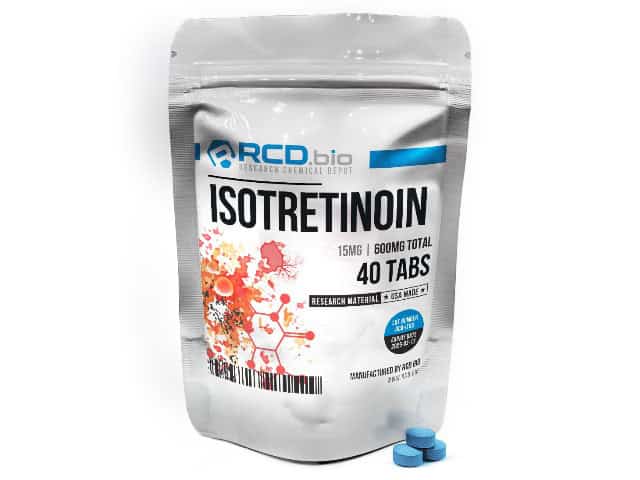
Disclosure: These are affiliate links. I earn a small commission if you purchase — at no extra cost to you. I only recommend products I personally use or have thoroughly researched.
Research & Studies
This section includes 6 peer-reviewed studies referenced in our analysis.