
- Nitric Oxide Production
- Improved Blood Flow
- Cardiovascular Health
- Growth Hormone Secretion
- Exercise Performance
I spent my early twenties chasing the perfect pre-workout “pump.” I’d slam down chalky powders full of stimulants and a massive dose of L-Arginine, all in the hopes of getting more blood flow to my biceps. It worked, sort of. But something else happened that I didn’t expect: on the days I took arginine, my brain felt… sharper. The afternoon brain fog didn’t hit as hard. I was chasing bigger muscles, but I accidentally stumbled on a brain-booster.
That experience taught me a crucial lesson: the things you do for your body, you also do for your brain. They aren’t separate. L-Arginine is the perfect example of this connection.
The Short Version: L-Arginine is an amino acid your body uses to create nitric oxide (NO), a gas that relaxes and widens your blood vessels. This improves circulation everywhere, including your brain, which can enhance cognitive function. It’s best for people seeking combined physical and mental benefits, but it has some significant drawbacks you need to know about.
What Is L-Arginine?
L-Arginine is a “semi-essential” amino acid. Your body can produce some on its own, but under certain conditions—like stress, illness, or intense physical exertion—your demand outstrips your supply, and you need to get more from your diet or supplements. You’ll find it in red meat, poultry, fish, and dairy products.
While it’s a building block for proteins like other amino acids, its superstar role is as the direct precursor to nitric oxide. This discovery was so profound it earned a Nobel Prize in 1998. Suddenly, this simple amino acid was recognized as a key player in cardiovascular health, immune function, and cellular communication.
Most people still associate L-Arginine with bodybuilding and erectile dysfunction supplements, and for good reason—both are heavily dependent on blood flow. But we’re here to talk about the brain, and delivering more oxygen and fuel to our most energy-hungry organ is one of the most fundamental “nootropic” mechanisms there is.
How Does L-Arginine Work?
Think of your circulatory system as a network of highways. Over time, these highways can get congested and narrow. L-Arginine is the raw material for the road crew that comes in and opens up new lanes.
Here’s the science sandwich:
What it does (conversational): L-Arginine provides the fuel for an enzyme in your body to create a special gas called nitric oxide (NO). This gas signals the smooth muscles in your blood vessel walls to relax, causing them to widen. Wider blood vessels mean more blood can flow through, more efficiently.
The evidence (authoritative): The enzyme nitric oxide synthase (NOS) catalyzes the conversion of L-Arginine into L-Citrulline and nitric oxide. This is the primary mechanism for endothelium-dependent vasodilation. Increased NO bioavailability reduces blood pressure, improves arterial compliance, and enhances the delivery of oxygen and nutrients to peripheral tissues. Crucially, this includes cerebral blood flow—the circulation of blood within the brain.
So what? (practical): More blood flow to your brain is a very good thing. Your brain is an energy hog, consuming about 20% of your body’s oxygen and calories despite being only 2% of your body weight. Better circulation means a more consistent supply of this fuel, which can translate into better focus, faster thinking, and greater mental stamina.
Benefits of L-Arginine
The evidence for L-Arginine is strongest for its physical benefits, but they create a foundation for its cognitive effects.
- Cardiovascular Support: This is the most well-researched benefit. Multiple studies have shown that L-Arginine supplementation can help lower blood pressure in individuals with hypertension and improve overall endothelial function, which is a marker of cardiovascular health.
- Exercise Performance: By boosting nitric oxide, L-Arginine can enhance nutrient and oxygen delivery to working muscles, potentially improving strength, endurance, and recovery. This is the “pump” I was chasing all those years ago.
- Cognitive Function: The evidence here is more theoretical and less direct than for blood pressure. The benefit is inferred from its known effect on cerebral blood flow. By increasing the delivery of oxygen and glucose to the brain, L-Arginine may support cognitive processes, particularly in situations of high mental demand or in individuals with compromised circulation.
Reality Check: Don’t expect to take L-Arginine and instantly gain 20 IQ points. The cognitive benefits are subtle and are a secondary effect of improved circulatory health. If your blood flow is already excellent, you may not notice much of a difference in your head.
How to Take L-Arginine
Getting the dosage right is key to avoiding side effects and not wasting your money.
- Dosage: A typical clinical dose is between 3 to 6 grams per day. It’s often best to split this into two or three smaller doses (e.g., 1.5-2 grams at a time). Always start low—try 1 gram once a day to see how you feel.
- Timing: For exercise performance, take it about 30-60 minutes before your workout. For general cardiovascular and cognitive support, taking it in the morning or splitting the dose between morning and evening works well. It’s best absorbed on an empty stomach.
- Forms: You’ll see L-Arginine, L-Arginine HCL, and Arginine-AKG. For general purposes, standard L-Arginine is fine and the most cost-effective. The purported benefits of other forms often don’t justify the extra cost.
Pro Tip: Stack L-Arginine with an antioxidant like Vitamin C or Pycnogenol. Nitric oxide is a very unstable molecule. An antioxidant can help protect it from free radicals, potentially extending its lifespan and its vasodilating effects in your body.
Side Effects & Safety
I wish my younger self had paid attention to this section. L-Arginine is generally safe, but it’s not without its issues.
- Digestive Distress: This is the most common complaint. High doses can lead to nausea, cramping, and diarrhea as it draws water into the gut. Splitting your dose helps, but some people are just sensitive to it.
- Blood Pressure: Because it lowers blood pressure, you need to be cautious if you are already on blood pressure medication or have hypotension (low blood pressure).
- Drug Interactions: Be careful combining this with other drugs that affect blood pressure, including ED medications like sildenafil (Viagra), as it can amplify the effect.
Important: L-Arginine can be a major trigger for herpes simplex virus (HSV-1 and HSV-2) outbreaks. The virus requires arginine to replicate. If you’ve ever had a cold sore or genital herpes, I would strongly advise against supplementing with L-Arginine.
Stacking L-Arginine
Here’s where things get interesting. L-Arginine plays well with others, but its best friend is actually its own precursor.
- L-Citrulline: This is the undisputed champion for boosting L-Arginine levels. When you take L-Arginine directly, a large portion is broken down by the liver before it even reaches your bloodstream. L-Citrulline, however, bypasses the liver and is converted into L-Arginine in the kidneys, leading to a more sustained and significant increase in blood arginine levels. Most savvy users today opt for L-Citrulline instead of L-Arginine.
- Pycnogenol (French Maritime Pine Bark Extract): This antioxidant has been shown in studies to work synergistically with L-Arginine to improve endothelial function and blood flow.
- What to Avoid: I would not recommend stacking L-Arginine with other powerful vasodilators or multiple blood pressure-lowering compounds unless you are under medical supervision and monitoring your blood pressure closely.
My Take
L-Arginine was my gateway drug into the world of blood flow optimization. It was the first compound that made me realize that improving my physical circulation could have tangible benefits for my mental performance.
However, in all honesty, I rarely use L-Arginine anymore. Why? Because we’ve discovered a better way: L-Citrulline. Taking L-Citrulline is like using a time-release version of L-Arginine that actually gets absorbed better and doesn’t cause the same stomach issues.
Who is L-Arginine BEST for? It’s a solid choice for a beginner who is curious about the effects of nitric oxide and wants a supplement that can pull double duty for the gym and for brain health. It’s inexpensive and widely available.
Who should probably try something else? Anyone prone to cold sores should run in the other direction. And if you’re serious about maximizing nitric oxide for cognitive or physical performance, you’ll get more bang for your buck and fewer side effects by just starting with L-Citrulline from the get-go.
My recommendation? L-Arginine is a fine place to start your journey. It’s the OG blood flow enhancer. But don’t be surprised if, after a while, you graduate to its more effective younger sibling.
Recommended L-Arginine Products
I know how frustrating it is to sort through dozens of brands making the same claims. These are the ones I've personally vetted — because quality is the difference between results and wasted money.
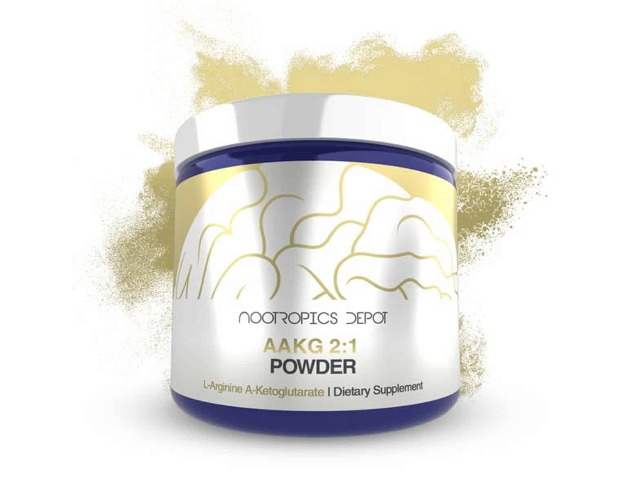
L-Arginine by Nootropics Depot
Shop Now →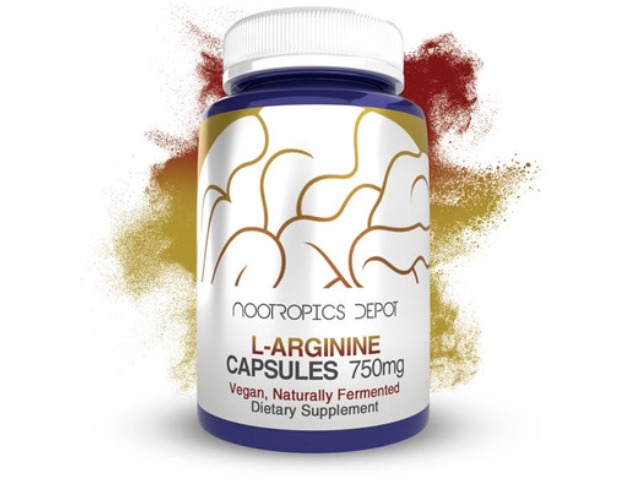
L-Arginine Capsules | 750mg | Fermented & Vegan by Nootropics Depot
Shop Now →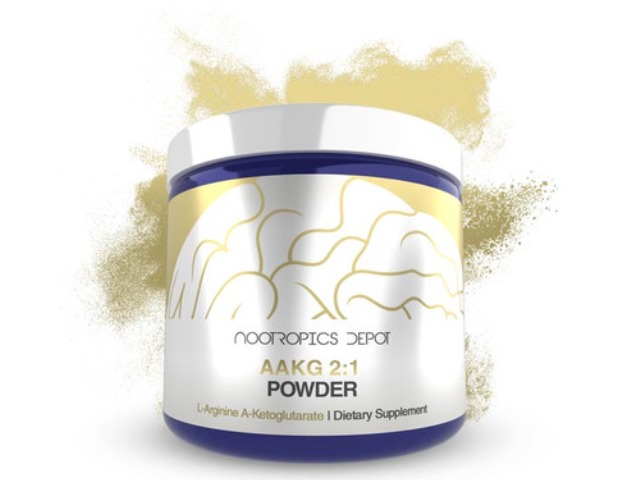
Nootropics Depot Buy Aakg L-Arginine a-Ketoglutarate Powder
Shop Now →Disclosure: These are affiliate links. I earn a small commission if you purchase — at no extra cost to you. I only recommend products I personally use or have thoroughly researched.
Research & Studies
This section includes 6 peer-reviewed studies referenced in our analysis.