
- Enhances blood flow and oxygen delivery to the brain
- Supports physical and mental endurance
- Reduces mental fatigue during demanding tasks
- Improves exercise performance and recovery
- May support cardiovascular health
I used to think amino acids were just for gym bros chugging pre-workout at 5 AM. Then I discovered L-Citrulline during a period when I was writing for 8-10 hours a day and hitting a brutal mental wall around hour five. My focus would crater, my processing speed would slow to a crawl, and I’d reread the same sentence four times without absorbing it.
Turns out, my brain was starving for blood flow. And L-Citrulline — this humble amino acid found in watermelon — completely changed my cognitive endurance game.
The Short Version: L-Citrulline is an amino acid that boosts nitric oxide production, enhancing blood flow throughout your body and brain. It’s particularly effective for sustained mental performance during long work sessions, supporting both cognitive endurance and physical stamina. Most people notice improved mental clarity and reduced fatigue within 30-90 minutes of taking 3-6g.
What Is L-Citrulline?
L-Citrulline is a non-essential amino acid, meaning your body can produce it naturally, but you can also get it from food or supplements. It’s named after Citrullus vulgaris — watermelon — where it was first isolated in 1914. Unlike most amino acids that go straight to building proteins, citrulline has a more interesting job: it’s a precursor to L-arginine, which your body uses to make nitric oxide.
Here’s why that matters for your brain: nitric oxide is a signaling molecule that relaxes blood vessels, improving circulation. Better circulation means more oxygen and nutrients reaching your neurons. More fuel for your neurons means better sustained cognitive performance, especially during mentally demanding tasks that require hours of focus.
Most people encounter L-Citrulline as a workout supplement — and that’s a legitimate use case. But dismissing it as just a gym supplement misses its cognitive benefits. Your brain is metabolically expensive, consuming roughly 20% of your body’s oxygen despite being only 2% of your body weight. When blood flow improves, cognitive performance follows.
Before you run off to buy watermelon by the truckload, know this: you’d need to eat about 3-4 pounds of watermelon to get an effective cognitive dose. Supplementation is the practical route here.
How Does L-Citrulline Work?
Think of L-Citrulline as the smart way to boost arginine levels. You might wonder: why not just take L-arginine directly? Great question. Here’s the catch — when you take oral L-arginine, your liver and intestines break down most of it before it reaches your bloodstream. It’s like trying to fill a leaky bucket.
L-Citrulline bypasses this problem entirely. After you consume it, citrulline gets absorbed intact in your intestines, travels to your kidneys, and converts to L-arginine there. This kidney conversion is remarkably efficient, leading to higher blood levels of arginine than if you’d taken arginine directly. A 2008 study in the British Journal of Nutrition found that citrulline supplementation increased arginine levels more effectively than arginine supplementation itself.
Once you have elevated arginine, your endothelial cells use it to produce nitric oxide (NO) via the enzyme nitric oxide synthase. Nitric oxide is a vasodilator — it signals smooth muscle in blood vessel walls to relax, widening the vessels and improving blood flow. This process is called vasodilation, and it’s the same mechanism behind beet root juice, Viagra, and that warm flush you feel after taking citrulline.
For your brain, this translates to better cerebral blood flow. Multiple neuroimaging studies confirm that improved cerebral perfusion correlates with enhanced cognitive function, particularly for tasks requiring sustained attention and working memory. The brain is essentially a high-performance engine — when you improve fuel delivery, performance improves accordingly.
Translation: L-Citrulline is your brain’s pit crew, making sure oxygen and nutrients get where they need to go when you’re running a mental marathon. It won’t make you smarter, but it helps you maintain your cognitive edge for longer periods without hitting the wall.
Benefits of L-Citrulline
Enhanced Mental Endurance
This is where L-Citrulline really shines. If you’re doing work that requires several hours of sustained focus — writing, coding, studying for exams, strategic planning — citrulline helps you maintain cognitive performance deeper into your work session.
A 2020 study published in Nutrients examined citrulline’s effects on mental fatigue during prolonged cognitive tasks. Participants taking 2.4g of citrulline showed significantly reduced subjective fatigue and better task accuracy during extended computer work compared to placebo. The effect was most noticeable after 3-4 hours of continuous mental effort.
In my experience, this is the standout benefit. I notice it most clearly during writing sessions — my ability to maintain sharp thinking and avoid the late-afternoon mental fog improves noticeably on days when I take citrulline.
Improved Exercise Performance
The research here is stronger and more extensive than the cognitive studies, which makes sense given citrulline’s popularity in sports nutrition. A 2015 meta-analysis in the Journal of the International Society of Sports Nutrition found that citrulline supplementation improved exercise performance by reducing perceived exertion and increasing work output.
Why does this matter for nootropics users who aren’t athletes? Because many cognitive benefits come downstream from better overall metabolic health and cardiovascular function. Exercise supports brain health — and anything that makes exercise more effective and sustainable contributes to long-term cognitive wellness.
Reduced Muscle Soreness
Citrulline malate (citrulline bound to malic acid) has been shown to reduce delayed onset muscle soreness (DOMS) following intense training. A 2010 study found that participants taking 8g of citrulline malate before resistance training reported 40% less muscle soreness two days later compared to placebo.
This isn’t directly cognitive, but here’s why it matters: recovery quality affects everything else. If you’re less sore and recover faster, you’re more likely to maintain consistent exercise habits. Consistent exercise is one of the most powerful long-term cognitive enhancers we have.
Cardiovascular Support
Regular citrulline supplementation may support healthy blood pressure in people with pre-hypertension or mildly elevated blood pressure. A 2017 systematic review in the Journal of Clinical Hypertension found that citrulline supplementation (ranging from 3-9g daily) resulted in modest reductions in systolic and diastolic blood pressure.
Reality Check: L-Citrulline is not a cognitive rocket fuel. You won’t feel dramatically smarter or experience euphoric focus. What you’ll notice — and this can take a few days of consistent use — is that your cognitive stamina improves. You maintain clarity longer, hit the wall later, and recover faster between demanding mental sessions. It’s subtle, sustainable, and accumulates over time.
How to Take L-Citrulline
Dosage
For cognitive benefits and general circulation support: 3-6g daily
For athletic performance enhancement: 6-8g taken 30-60 minutes pre-workout
For blood pressure support: 3-6g split into two doses daily
Start at the lower end (3g) and assess your response over 5-7 days before increasing. Some people find their sweet spot at 3-4g, others need the full 6g to notice benefits.
Forms and Bioavailability
You’ll encounter two main forms:
L-Citrulline (pure): This is exactly what it sounds like — pure citrulline with nothing else attached. When dosing recommendations say “6g of citrulline,” this is what they mean. It’s typically flavorless or mildly bitter, mixes easily in water, and has excellent bioavailability.
Citrulline Malate (2:1 ratio): This is citrulline bound to malic acid in a 2:1 ratio — meaning 3g of citrulline malate contains roughly 2g of actual citrulline and 1g of malate. Malic acid is involved in energy production (the Krebs cycle), so some people prefer this form for workout performance. The malate adds a tart, slightly sour taste.
If you’re taking citrulline malate, you need to dose higher to get equivalent citrulline content. For 6g of pure citrulline, you’d need approximately 9g of citrulline malate (2:1).
Both forms work well. Pure L-citrulline is more precise for dosing and has a cleaner taste profile. Citrulline malate may offer slight additional benefits for exercise performance due to the malic acid component.
Timing
For cognitive work: Take 30-60 minutes before starting your mentally demanding session. Effects typically peak around 60-90 minutes and last 4-6 hours. You can also split your dose — half in the morning, half early afternoon — for sustained all-day support.
For exercise: Take 30-60 minutes pre-workout. Most studies showing performance benefits used this timing window.
With or without food: Both work fine. Some people find that taking citrulline on an empty stomach leads to faster onset, while others prefer taking it with a small meal to avoid any mild stomach upset at higher doses.
Cycling
There’s no evidence that you need to cycle L-citrulline. Your body maintains normal arginine and nitric oxide regulation even with daily supplementation. I’ve used it consistently for months at a time without diminishing effects.
Pro Tip: Keep a simple log during your first two weeks. Note your dose, timing, and subjective mental stamina around hour 3-5 of focused work. This is when citrulline’s effects are most noticeable. If you’re not seeing benefits after 7-10 days at 3g, bump up to 4-5g. Some people are low responders at lower doses but respond well at 5-6g.
Side Effects & Safety
L-Citrulline has an excellent safety profile and is generally well-tolerated, even at higher doses. Most people experience no side effects at standard dosing (3-8g daily).
Common Side Effects
Mild gastrointestinal discomfort: At doses above 8g, some people report stomach upset, bloating, or loose stools. This is dose-dependent and typically resolves by reducing the amount.
Temporary tingling or warmth: Some users notice a mild flushing sensation or warmth, particularly in the face or extremities. This is the vasodilation working — blood vessels widening — and is generally harmless. It usually diminishes with consistent use as your body adapts.
Who Should Avoid L-Citrulline
Citrullinemia: This is a rare genetic disorder where the body cannot properly process citrulline, leading to toxic buildup. If you have this condition (you’d likely know from early childhood), do not supplement citrulline.
Taking nitrates or blood pressure medications: L-Citrulline lowers blood pressure modestly through vasodilation. If you’re taking medications for hypertension or angina (like nitroglycerin), combining them with citrulline could cause blood pressure to drop too low. Consult your doctor before adding citrulline if you’re on these medications.
Scheduled surgery: Some practitioners recommend stopping citrulline 2 weeks before surgery due to its effects on circulation and blood pressure regulation.
Pregnancy and Nursing
There isn’t sufficient research on L-citrulline supplementation during pregnancy or breastfeeding. While citrulline occurs naturally in foods, the concentrated doses used in supplementation haven’t been adequately studied in these populations. If you’re pregnant or nursing, talk to your healthcare provider before supplementing.
Important: If you experience persistent headaches, dizziness, or significant blood pressure changes while taking L-citrulline, discontinue use and consult a healthcare professional. While rare, individual responses can vary.
Stacking L-Citrulline
L-Citrulline plays well with other nootropics and can enhance certain combinations by improving overall cerebral circulation.
Synergistic Combinations
L-Citrulline + Caffeine + L-Theanine
This is my go-to stack for long writing sessions. Caffeine provides alertness and focus, L-theanine smooths out jitters and promotes calm concentration, and citrulline extends mental endurance. The improved blood flow from citrulline may help deliver caffeine more efficiently to the brain.
- 3-5g L-Citrulline
- 100-200mg Caffeine
- 200-400mg L-Theanine
Take together 30-60 minutes before starting focused work.
L-Citrulline + Creatine Monohydrate
Both support cellular energy production through different mechanisms. Creatine provides rapid ATP recycling for short bursts of cognitive demand, while citrulline improves sustained nutrient delivery. This combination is particularly effective if you’re combining intense mental work with physical training.
- 3-6g L-Citrulline
- 5g Creatine Monohydrate (daily maintenance dose)
L-Citrulline + Alpha-GPC or CDP-Choline
Choline sources support acetylcholine production (critical for memory and learning), while citrulline ensures efficient delivery of oxygen and nutrients to support those processes. This is a solid combination for studying or learning complex material.
- 3-6g L-Citrulline
- 300-600mg Alpha-GPC or 250-500mg CDP-Choline
L-Citrulline + Beetroot Extract (if available)
Both increase nitric oxide through complementary pathways — citrulline through arginine conversion, beetroot through dietary nitrates. Some users report enhanced effects, though this isn’t well-studied. If you try this combination, reduce doses of each initially to assess tolerance.
What to Avoid
Multiple vasodilators without monitoring: Stacking citrulline with other potent vasodilators (like high-dose niacin or prescription vasodilators) without medical supervision can cause blood pressure to drop too low.
Stimulants at very high doses: While caffeine pairs well with citrulline, extremely high stimulant doses combined with vasodilation can occasionally cause headaches in sensitive individuals. Start conservatively.
My Take
L-Citrulline is one of those quietly effective supplements that doesn’t get enough attention in cognitive enhancement circles. It won’t give you laser focus or make you feel like you’re on Adderall. What it will do — and this is genuinely valuable — is extend your cognitive gas tank.
If your work involves sustained mental effort over multiple hours, citrulline is absolutely worth trying. I’ve used it consistently during writing-intensive periods and notice a clear difference in how long I can maintain sharp thinking without the late-afternoon crash. It’s particularly effective when stacked with caffeine and L-theanine — the three create a smooth, enduring focus that carries through long work sessions.
Here’s who should prioritize trying L-Citrulline:
Writers, programmers, students, or anyone doing deep work for 4+ hours: The mental endurance benefit is real and noticeable.
People combining cognitive work with physical training: You get dual benefits — better mental stamina and improved workout performance.
Anyone dealing with brain fog from poor circulation: If you suspect your cognitive issues stem from suboptimal blood flow (common with sedentary lifestyles), citrulline addresses a root cause rather than masking symptoms.
Who should look elsewhere:
If you’re looking for immediate, stimulant-like effects, citrulline isn’t it. Try caffeine, modafinil, or phenylpiracetam instead. Citrulline is a slow burn, not a firecracker.
If you’re on blood pressure medications, have circulation disorders, or have any cardiovascular concerns, talk to your doctor before experimenting. The blood pressure effects are real.
My honest recommendation: Start with 3-4g of pure L-citrulline taken 45 minutes before your most cognitively demanding work. Give it a solid 7-10 days of consistent use — the effects are cumulative and subtle. Track your subjective mental endurance during hour 3-5 of focused work. If you notice improved stamina and reduced mental fatigue, you’ve found a valuable tool. If not, bump to 5-6g for another week before deciding it’s not for you.
L-Citrulline isn’t flashy. It won’t be the most exciting supplement in your stack. But for sustained cognitive performance — the kind of endurance that lets you do your best thinking for hours instead of burning out after 90 minutes — it’s one of the most reliable tools I’ve found.
And for $20-30 per 200-serving container, it’s absurdly cost-effective compared to most nootropics. That’s a detail I care about after years of expensive supplement experiments that went nowhere.
Give it a shot. Your brain will thank you around hour four.
Recommended L-Citrulline Products
I know how frustrating it is to sort through dozens of brands making the same claims. These are the ones I've personally vetted — because quality is the difference between results and wasted money.
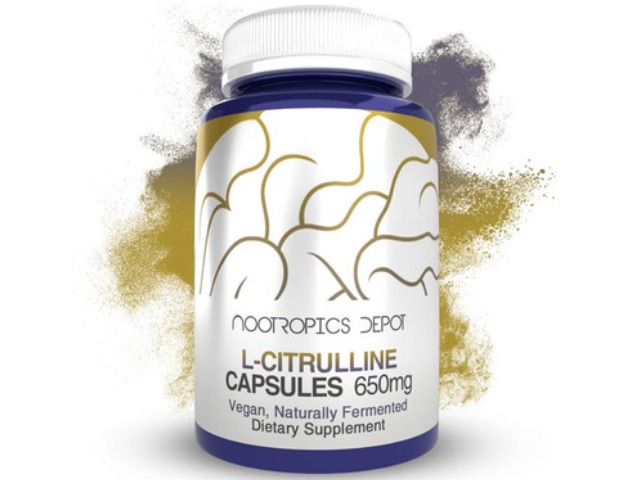
L-Citrulline Capsules | 650mg | Fermented & Vegan by Nootropics Depot
Shop Now →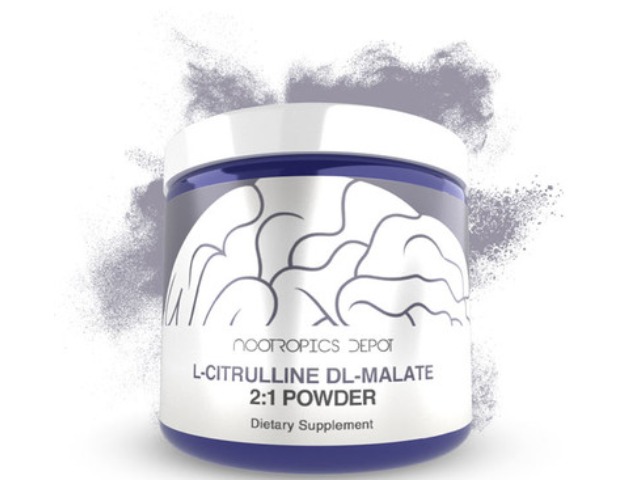
Nootropics Depot Buy L Citrulline Dl Malate 2:1 Powder
Shop Now →Disclosure: These are affiliate links. I earn a small commission if you purchase — at no extra cost to you. I only recommend products I personally use or have thoroughly researched.
Research & Studies
This section includes 7 peer-reviewed studies referenced in our analysis.