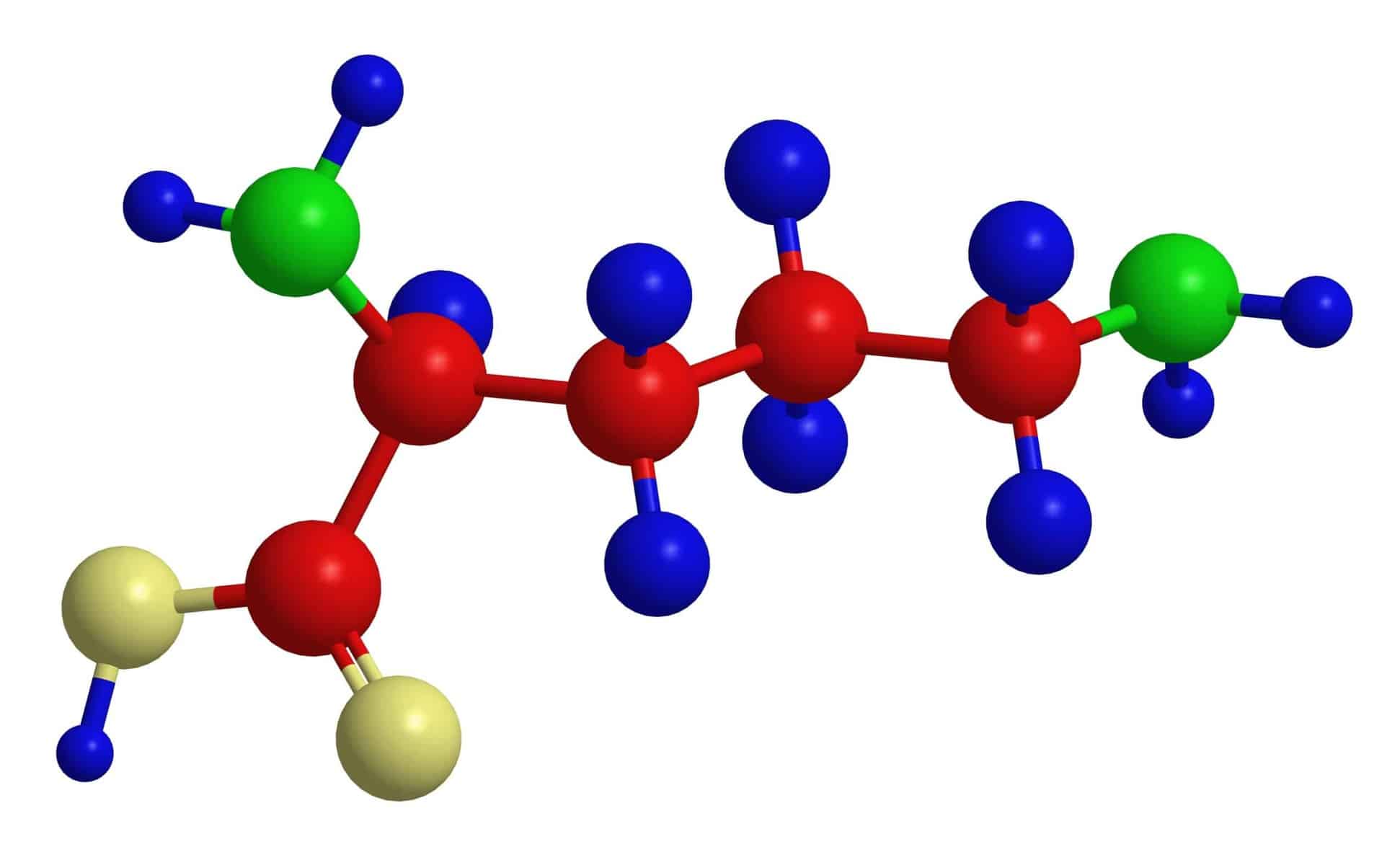

- Physical fatigue reduction
- Sleep quality improvement
- Stress response modulation
- Ammonia detoxification
I once spent three days convinced I was developing early-onset dementia because I couldn’t remember why I’d walked into my kitchen. Turns out I wasn’t losing my mind—I was just drowning in ammonia. Not the cleaning-product kind, but the metabolic waste that builds up when you’re underslept, overtrained, and trying to run a business on caffeine and determination alone. That was the week I discovered L-Ornithine, a compound that sounds like it belongs in a chemistry lab but was actually first isolated from bird droppings in 1877. Sometimes the best solutions come from the strangest places.
The Short Version: L-Ornithine is a non-essential amino acid that helps your body clear toxic ammonia through the urea cycle. It’s not a stimulant and won’t make you feel “high”—instead, it works behind the scenes to reduce physical fatigue, improve sleep depth, and take the edge off stress. Best for athletes, high-performers, or anyone who feels “toxic” after intense physical or mental exertion. Typical dose: 500mg-2g daily.
What Is L-Ornithine?
Let’s get the weird history out of the way first. German chemist Friedrich Jaffé discovered L-Ornithine in 1877 while analyzing bird excrement—hence the name, derived from the Greek ornis meaning bird. For decades, scientists dismissed it as just a metabolic byproduct of arginine breakdown, useful only as a biochemical curiosity.
Turns out they were wrong. L-Ornithine is a non-proteinogenic amino acid, meaning your body doesn’t use it to build proteins like it does with, say, leucine or tryptophan. Instead, it serves as a critical metabolic traffic cop—specifically, the molecule that ushers toxic ammonia out of your body through the urea cycle.
Your body produces small amounts naturally from arginine, and you consume trace amounts in meat, fish, and dairy. But here’s the catch: dietary sources provide nowhere near the pharmacological doses shown to impact fatigue or sleep. To get therapeutic effects, you need supplementation—and you need to understand what you’re actually buying, because not all ornithine is created equal.
The therapeutic potential emerged in the 1960s when researchers developed L-Ornithine L-Aspartate (LOLA) to treat liver disease. But the nootropic and ergogenic applications didn’t gain real traction until Japanese researchers in the 2000s started examining how this compound affects fatigue, stress responses, and brain energy metabolism.
Reality Check: This isn’t a “limitless pill” that will turn you into a productivity machine overnight. Think of it more like a metabolic janitor—working quietly in the background to clean up the waste products that slow you down.
How Does L-Ornithine Work?
To understand why this matters for your brain, you need to understand ammonia. Every time you break down amino acids—whether from that steak you ate or the intense workout you crushed—your body produces ammonia as a waste product. Normally, your liver converts this into urea and you pee it out. But when the system gets overwhelmed—during intense exercise, high protein intake, or metabolic stress—ammonia accumulates.
Here’s why that’s bad news for cognition: ammonia is neurotoxic. Even slightly elevated levels impair glutamate cycling (your primary excitatory neurotransmitter) and reduce ATP production. The result? Brain fog, fatigue, and that lovely “hit by a truck” feeling after leg day.
The Urea Cycle Connection L-Ornithine sits at the entrance of the urea cycle, the mitochondrial process that detoxifies ammonia. It combines with carbamoyl phosphate to form citrulline, effectively trapping ammonia for urinary excretion. By accelerating this clearance, it prevents the neurotoxic buildup that impairs cognitive clarity during metabolic stress.
But that’s only half the story. Research suggests L-Ornithine operates through multiple neurological pathways:
GABA-A Receptor Modulation A fascinating 2011 study using neonatal chicks found that L-Ornithine attenuates stress responses by acting as a positive allosteric modulator at GABA-A receptors—the same receptors targeted by anti-anxiety medications, but without the sedation. This produces anxiolytic effects while keeping your cognitive speed intact.
HPA Axis Regulation Your hypothalamic-pituitary-adrenal axis is the command center for stress hormones. Research from 2012 demonstrated that L-Ornithine reduces restraint stress-induced activation of the HPA axis, lowering corticosterone levels. Translation: it helps your brain distinguish between actual threats and everyday stressors.
Brain Energy Metabolism When bound with aspartate (as LOLA), it facilitates the malate-aspartate shuttle—essentially helping transport NADH into mitochondria for ATP synthesis. This becomes crucial during hypoxic or hyperammonemic states when your brain is literally starving for energy.
Polyamine Synthesis L-Ornithine serves as the precursor to putrescine, spermine, and spermidine—compounds essential for cellular repair, DNA stabilization, and potentially neurogenesis. These aren’t just funny names; they’re critical for maintaining cellular integrity under stress.
Benefits of L-Ornithine
Let’s cut through the marketing hype and look at what the research actually shows—because while L-Ornithine has some solid evidence, it’s not the miracle compound some supplement companies claim.
Physical Fatigue Attenuation (Strong Evidence) This is where L-Ornithine shines brightest. A 2008 Japanese randomized controlled trial gave healthy volunteers 2g daily for eight days. The results? Significant reductions in subjective fatigue and improved markers of lipid metabolism during post-exercise recovery. Participants showed attenuated ammonia accumulation and altered amino acid metabolism profiles—exactly what you’d expect from enhanced detoxification.
A 2010 exercise study using L-Ornithine HCl (2g) found improved time-to-exhaustion in incremental bicycle tests. The mechanism isn’t magic—it’s ammonia clearance. By delaying the central fatigue that occurs when ammonia crosses the blood-brain barrier, it lets you push harder for longer.
Sleep Quality & Stress Markers (Moderate Evidence) If you’re looking for deeper sleep without the hangover of sedatives, this is promising. A 2014 RCT on healthy workers found that 400mg taken nightly for eight weeks improved sleep quality scores (measured by PSQI) and reduced the cortisol awakening response. Subjects reported faster sleep onset and reduced perceived stress without next-day drowsiness—likely due to that GABA-A modulation and HPA axis regulation we discussed.
Anxiolytic Effects (Animal/Mechanistic Evidence) While human trials are limited, animal studies are compelling. A 2011 mouse study found that orally administered L-Ornithine (200-400mg/kg) elevated brain ornithine levels and produced anxiolytic-like effects in elevated plus-maze tests. The researchers attributed this to GABAergic mechanisms rather than direct sedation.
Growth Hormone Stimulation (Mixed Evidence) Here’s where I need to be honest. Early studies from the 1980s and 90s suggested high doses (5-10g) could stimulate growth hormone secretion. Modern controlled trials? The results are inconsistent at best. Any GH increase appears transient and likely doesn’t translate to meaningful anabolic or cognitive effects in healthy adults. Don’t buy this expecting steroid-like gains.
Cognitive Enhancement (Limited Evidence) Direct nootropic effects in healthy, non-fatigued adults remain understudied. The cognitive benefits likely manifest indirectly—through ammonia clearance during metabolic stress and improved sleep architecture—rather than through direct enhancement of learning or memory.
Important: While L-Ornithine L-Aspartate (LOLA) is clinically validated for hepatic encephalopathy treatment, this doesn’t automatically extend to L-Ornithine HCl or free-form ornithine alone. The aspartate component is crucial for the malate-aspartate shuttle optimization that makes LOLA effective for brain energy metabolism.
How to Take L-Ornithine
Getting the benefits of L-Ornithine requires understanding the different forms and timing strategies. This isn’t a “take it whenever” supplement—the timing depends entirely on your goals.
Forms & Bioavailability
L-Ornithine HCl is the most common supplemental form—stable, water-soluble, and cost-effective. This is your standard option for general use.
L-Ornithine L-Aspartate (LOLA) is prescription-grade in many countries (Europe and Japan) and contains the aspartate salt crucial for brain energy metabolism. If you’re dealing with serious metabolic dysfunction or liver support needs, this is superior—but it’s regulated as a drug in some jurisdictions.
Ornithine Alpha-Ketoglutarate (OKG) combines ornithine with a Krebs cycle intermediate. Used in clinical nutrition at doses of 10-20g daily, it’s popular for trauma recovery and nitrogen retention during caloric deficits.
Free Base L-Ornithine is less common; theoretically better bioavailability but less stable in storage.
Dosage Guidelines
Standard Therapeutic Range: 500mg – 3,000mg daily Athletic/High-Dose Range: Up to 6,000mg daily (divided doses) Sleep/Stress: 400mg – 1,000mg Performance: 2g – 3g
Timing Strategies
For sleep and stress reduction, take 400mg-1,000mg 30-60 minutes before bedtime on an empty stomach. The GABAergic effects seem to work best without competing amino acids.
For athletic performance, take 2g-3g 60-90 minutes pre-workout or immediately post-workout to enhance ammonia clearance during the recovery window.
For general anti-fatigue, split 500mg-1g between morning and evening to maintain steady plasma levels.
Insider Tip: You don’t need to load this compound. Unlike creatine, there’s no saturation point to reach. Effects on ammonia metabolism are acute, while sleep and stress benefits may require 1-2 weeks of consistent use to become noticeable. Start at 500mg and titrate up based on response—jumping straight to 6g is just asking for stomach cramps.
Cycling: Not strictly necessary. There’s no evidence of receptor downregulation with chronic use, though some users prefer 8 weeks on, 2-4 weeks off to prevent tolerance to the subjective effects.
Side Effects & Safety
L-Ornithine is generally well-tolerated with a favorable safety profile—it’s actually Generally Recognized as Safe (GRAS) by the FDA for food use. But that doesn’t mean it’s side-effect-free, especially at higher doses.
Common Side Effects (Dose-Dependent):
- Gastrointestinal distress: diarrhea, nausea, and abdominal cramps (typically manifesting at doses above 3g)
- Unpleasant taste if using unflavored powder—think sour/salty
- Paradoxical sleepiness in some users, likely due to GABA-A modulation
Rare but Serious:
- Hypotension (theoretical, due to potential vasodilation via arginine conversion)
- Electrolyte imbalances with chronic high-dose use
Contraindications: Avoid use during pregnancy and lactation—there’s simply insufficient safety data. Use caution if you have hypotension or are on blood pressure medications. Rare genetic disorders like ornithine translocase deficiency (hyperornithinemia) are absolute contraindications.
Drug Interactions: If you’re taking ammonia-lowering medications like lactulose or rifaximin for hepatic encephalopathy, ornithine may synergize—monitor for excessive ammonia reduction. There’s theoretical concern about combining with growth hormone secretagogues, though practical interactions are rare.
Pro Tip: If you experience GI distress, try splitting your dose or taking it with a small amount of carbohydrate rather than on an empty stomach. The slight reduction in absorption is better than abandoning the supplement due to stomach cramps.
Stacking L-Ornithine
L-Ornithine plays well with others, but there are specific synergies worth knowing about—and one major combination to avoid.
L-Citrulline (1:1 or 2:1 ratio) This is the power couple of ammonia clearance. Citrulline converts to arginine and ornithine in the kidneys, creating a recycling loop that enhances detoxification beyond either compound alone. I recommend this for pre-workout stacks—take them together 60 minutes before training.
Alpha-Ketoglutarate (as OKG) If you’re recovering from injury, surgery, or intense physical trauma, the combination enhances nitrogen retention and glutamine synthesis. This is clinical-grade stuff—overkill for casual gym-goers but invaluable for serious athletes or medical recovery.
Magnesium Glycinate Synergistic for sleep and stress reduction. Magnesium supports GABA function while ornithine modulates the HPA axis. Together, they address both the neurological and hormonal aspects of stress without sedation.
B-Complex Vitamins Particularly B6 (pyridoxine), which serves as a cofactor for ornithine aminotransferase and other urea cycle enzymes. Without adequate B6, you’re not getting full utilization.
What to Avoid: Don’t combine with high-dose L-Arginine simultaneously—they compete for the same transport systems. If you’re using both, stagger doses by at least two hours. And while ornithine might theoretically mitigate alcohol-induced ammonia, combining them masks intoxication and stresses your liver—just don’t.
My Take
After years of experimentation with every fatigue-fighting compound under the sun, L-Ornithine has earned a permanent spot in my cabinet—but with specific caveats. This isn’t a daily driver for everyone; it’s a targeted tool for specific situations.
Who it’s best for: High-intensity athletes dealing with central fatigue, shift workers struggling with sleep quality, or anyone in a high-stress period who notices their recovery lagging. If you finish workouts feeling “toxic” or mentally foggy despite adequate calories and sleep, your ammonia clearance might need support.
Who should skip it: If you’re already sleeping well, not training intensely, and have no metabolic stress issues, you’re probably wasting your money. The benefits are most pronounced when there’s actual metabolic dysfunction to correct.
Personally, I use 2g of L-Ornithine HCl on heavy training days—specifically after leg days or high-volume metabolic conditioning when I know ammonia accumulation will be high. For sleep support during stressful periods, 500mg before bed works noticeably better than placebo, though I prefer it combined with magnesium glycinate.
The bottom line: L-Ornithine is a metabolic support agent, not a cognitive enhancer in the traditional sense. It won’t make you smarter, but it might help your brain function optimally when metabolic waste would otherwise slow it down. Start low, be patient with the timeline, and pay attention to whether you’re actually experiencing the metabolic stress that justifies its use.
If you’re building a nootropic stack, remember the foundations first—sleep, nutrition, gut health. But once those are dialed in and you’re still hitting walls with fatigue? That’s when this bird-droppings-derived amino acid might just surprise you.
Recommended L-Ornithine Products
I know how frustrating it is to sort through dozens of brands making the same claims. These are the ones I've personally vetted — because quality is the difference between results and wasted money.
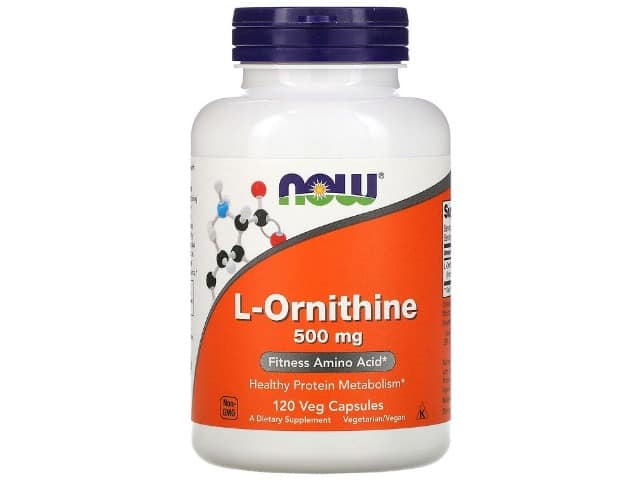
Disclosure: These are affiliate links. I earn a small commission if you purchase — at no extra cost to you. I only recommend products I personally use or have thoroughly researched.
Research & Studies
This section includes 14 peer-reviewed studies referenced in our analysis.
The determination of total filtration on mammographic X-ray sets.
L-ornithine supplementation attenuates physical fatigue in healthy volunteers by modulating lipid and amino acid metabolism.
The effect of L-ornithine hydrochloride ingestion on performance during incremental exhaustive ergometer bicycle exercise and ammonia metabolism during and after exercise.
L-ornithine attenuates corticotropin-releasing factor-induced stress responses acting at GABAA receptors in neonatal chicks.
Effect of L-ornithine hydrochloride ingestion on intermittent maximal anaerobic cycle ergometer performance and fatigue recovery after exercise.
Orally administered L-ornithine elevates brain L-ornithine levels and has an anxiolytic-like effect in mice.
Orally administered L-ornithine reduces restraint stress-induced activation of the hypothalamic-pituitary-adrenal axis in mice.
Randomised controlled trial of the effects of L-ornithine on stress markers and sleep quality in healthy workers.
Central Sulcus Misfolding: Polarity Reversal of SSEP N20 Potential in "Layered" Polymicrogyria.
L-Aspartate, L-Ornithine and L-Ornithine-L-Aspartate (LOLA) and Their Impact on Brain Energy Metabolism.
Showing 10 of 14 studies. View all →