I’ll never forget the first time someone told me to sprinkle “nooch” on my popcorn. It was 1999, I was wandering through a co-op in Portland, and a woman in Birkenstocks promised me it would “change everything.” I took the bag home, shook some on a bowl of air-popped corn, and thought — yeah, this is pretty good. Cheesy. Savory. Weirdly addictive.
But here’s the thing that bugged me then and still bugs me now: somewhere between that first handful of popcorn and today, nutritional yeast got promoted from “tasty vegan condiment” to “superfood.” And in my years as a Functional Nutritional Therapy Practitioner reviewing supplements and nootropics, I’ve learned that the word “superfood” is where critical thinking goes to die.
So let’s do what I always do on this site — cut through the hype, look at the actual evidence, and figure out whether nutritional yeast deserves a spot in your daily routine or just a spot on your popcorn.
The Short Version: Nutritional yeast is a legitimately nutrient-dense food — especially for vegans who need B12 — and its beta-glucans have modest but real evidence behind them for cholesterol and immunity. But “superfood” is a stretch. The benefits are meaningful, not magical. Below, I break down exactly what the science supports and where the claims get ahead of the data.
What Nutritional Yeast Actually Is (And Isn’t)
Nutritional yeast is a deactivated strain of Saccharomyces cerevisiae — the same species used in baking and brewing, but with one crucial difference: it’s been heated and killed. It can’t leaven bread. It can’t ferment beer. And no, it absolutely cannot give you a yeast infection. (More on that myth later.)
It’s typically grown on molasses, harvested, washed, and dried into those familiar yellow flakes or powder. The result is something that’s roughly 45-50% protein by weight, loaded with B-vitamins (most brands fortify with B12), and rich in beta-glucans — a type of soluble fiber that’s where most of the health claims originate.
Here’s a quick snapshot of what you’re getting per tablespoon (~6g):
| Nutrient | Amount per Tbsp (~6g) | % Daily Value |
|---|---|---|
| Calories | 20-30 | — |
| Protein | 3-4g | 6-8% |
| Fiber | 1-2g | 4-8% |
| Vitamin B12 (fortified) | 6-9 mcg | 250-375% |
| Vitamin B6 | 1.5-2 mg | 75-100% |
| Folate | 60-80 mcg | 15-20% |
| Zinc | 1-3 mg | 10-27% |
| Selenium | 5-15 mcg | 9-27% |
That B12 number jumps out. And it should — it’s the single most important reason nutritional yeast matters for anyone eating plant-based.
Important: Not all nutritional yeast is fortified. Unfortified varieties contain almost no B12. Always check the label, especially if you’re relying on it as your primary B12 source.
The B12 Question (Why Vegans Should Pay Attention)
Let me be direct: if you’re vegan or mostly plant-based, vitamin B12 deficiency is not a hypothetical risk. It’s a common, well-documented problem that can cause fatigue, nerve damage, cognitive decline, and megaloblastic anemia. B12 is almost exclusively found in animal products, and your body can’t make it.
Two teaspoons of fortified nutritional yeast gives you over 300% of the RDA for B12. That’s significant. It’s also one of the only whole-food-adjacent ways for vegans to hit that number without popping a supplement.
But here’s the nuance most “nooch is amazing” articles skip: the B12 in nutritional yeast is added during manufacturing. It’s not inherently present in the yeast. You’re getting a fortified food, not some magical B12-producing organism. That’s perfectly fine — fortification works — but it means unfortified nutritional yeast does essentially nothing for your B12 status.
For brain health specifically, B12 matters because it’s a key player in methylation — the biochemical process your body uses to build neurotransmitters, repair DNA, and keep homocysteine levels in check. Elevated homocysteine is linked to cognitive decline and increased cardiovascular risk. A 2016 review in Nutrients confirmed that B-vitamins, particularly B12 and folate, play a measurable role in slowing age-related brain changes, especially in people who were deficient to begin with.
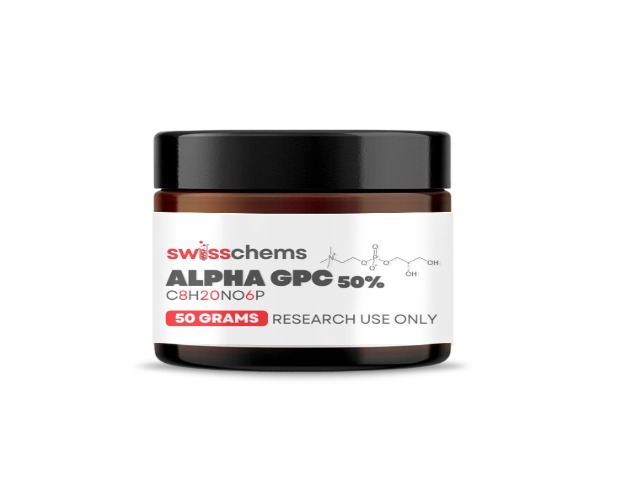
Pro Tip: If you’re relying on nutritional yeast as your sole B12 source, consider backing it up with a methylcobalamin supplement — especially if you’re over 50 or have MTHFR gene variants that impair methylation. Pair it with Alpha-GPC for a solid choline + methylation foundation.
Beta-Glucans: The Real Science Behind the Immune and Cholesterol Claims
This is where the conversation gets interesting — and where I need to be honest about the limits of the evidence.
What beta-glucans do (mechanistically)
Beta-glucans are soluble polysaccharides found in the cell walls of yeast, oats, and certain mushrooms. In the gut, they bind bile acids and cholesterol, reducing absorption. They also activate immune cells — specifically macrophages — through Dectin-1 receptors on cell surfaces. Think of it as a gentle wake-up call for your immune system.
This is the same mechanism that makes mushrooms like Lion’s Mane and reishi interesting for immunity. The beta-glucan structures differ between sources, but the core signaling pathway overlaps.
Cholesterol: Modest but real
A 2003 trial in the European Journal of Clinical Nutrition studied 15 men with mildly elevated cholesterol taking 15g of yeast beta-glucan daily for 8 weeks. Total cholesterol dropped 6%, LDL dropped 7.5% (p<0.05). Those are modest numbers. Not life-changing, but clinically meaningful — especially as part of a broader dietary strategy.
A 2024 meta-analysis in Nutrients pooled 25 trials (n=1,200+) on beta-glucans broadly, finding a standardized mean difference of -0.42 for LDL cholesterol (p<0.001). The yeast-derived subgroup (n=150) showed a 5-6% LDL reduction at doses of 3-15g/day. Again — real, but modest.
| Source | Trial Details | Cholesterol Outcome | Statistical Significance |
|---|---|---|---|
| Yeast beta-glucan (2003) | n=15, 8 weeks, 15g/day | Total -6%, LDL -7.5% | p<0.05 |
| Beta-glucan meta-analysis (2024) | n=1,200+ (25 trials), yeast subgroup n=150 | LDL SMD -0.42 | p<0.001 |
Reality Check: A 5-7% drop in LDL is helpful, but it’s not replacing statins for anyone with serious cardiovascular risk. Think of nutritional yeast as one tool in a broader strategy that includes fiber-rich foods, exercise, and stress management. Stack it with oats for additive beta-glucan effects.
Immunity: Promising, not proven
Baker’s yeast beta-glucan has shown a roughly 25% reduction in cold/flu incidence across several trials from the 2010s, with an odds ratio of 0.75 (p<0.05) in studies of 100+ participants taking 250-500mg daily for 12 weeks. A 2014 trial in the Journal of the American College of Nutrition found that 40 stressed adults taking beta-glucan had significantly reduced cold severity (p<0.01) and a 15% improvement in self-reported mood scores.
A 2025 pilot study on yeast beta-glucans in 80 athletes suggested 20% fewer upper respiratory tract infections (p=0.02), though the full text remains unpublished as of this writing.
Here’s my honest read: the immune evidence is encouraging but incomplete. Most trials are small, industry-funded, and use proprietary beta-glucan extracts — not tablespoons of nutritional yeast flakes. The leap from “purified yeast beta-glucan supplement at 500mg” to “sprinkle nooch on your pasta” is bigger than most health blogs acknowledge.
For serious immune support, I’d pair nutritional yeast with a dedicated beta-glucan supplement and 15mg of zinc — especially during cold season or heavy training blocks.
Gut Health and the Fiber Factor (The Part People Overlook)
Nutritional yeast contains about 2g of fiber per tablespoon, mostly as prebiotic beta-glucans that feed beneficial gut bacteria. This isn’t a blockbuster amount — you’d need 3-4 tablespoons to get a meaningful prebiotic dose — but it adds up if you’re using it daily.
The gut-brain connection is where this gets relevant to the nootropic conversation. A healthy microbiome supports serotonin production (about 90% of your serotonin is made in the gut), reduces systemic inflammation, and improves nutrient absorption — including the B-vitamins that nutritional yeast provides.
It’s worth noting the related but distinct organism Saccharomyces boulardii — a probiotic yeast that IS alive and has stronger gut health evidence. A 2012 review in the International Journal of Molecular Sciences found that S. boulardii achieved a 68% remission rate in ulcerative colitis patients (n=22, p<0.05) and improved intestinal permeability in Crohn’s patients by 20% (n=40, p<0.01). Nutritional yeast is NOT a probiotic — it’s dead. But it may support the environment where probiotics thrive.
Insider Tip: If gut health is your primary goal, nutritional yeast alone won’t cut it. Use it as a prebiotic base, then add a quality probiotic (look for S. boulardii or spore-based strains) and fiber-rich whole foods. The synergy matters more than any single ingredient.
Myths That Won’t Die (Let’s Kill Them)
“Nutritional yeast causes yeast infections”
No. Full stop. Nutritional yeast is dead. Deactivated. It cannot colonize anything. This confusion comes from the name sharing “yeast” with Candida albicans, the organism responsible for yeast infections. They’re related the way a house cat is related to a lion — same family, completely different situation.
”It’s a superfood”
It’s a nutrient-dense food. That’s a real thing, and it’s enough. The beta-glucan effects on cholesterol and immunity are in the range of 5-25% improvements — helpful, not heroic. Unfortified, it doesn’t even provide B12. Call it a smart addition to your diet. Don’t call it super.
”Does nutritional yeast have B12 naturally?”
No. Only fortified versions contain B12. Always read the label.
”Will it cause weight gain?”
At 20-30 calories per tablespoon with 3-4g of protein and 1-2g of fiber, nutritional yeast is more likely to support satiety than cause weight gain. It’s one of the most calorie-efficient ways to add flavor and nutrition to a meal.
”Is it safe for people with yeast allergies?”
Generally yes, since it’s deactivated. However, if you have a true Saccharomyces allergy (rare), avoid it. Most people who think they’re “allergic to yeast” are actually reacting to something else in fermented foods.
Side Effects Nobody Warns You About
Nutritional yeast has GRAS (Generally Recognized as Safe) status, and for most people, it’s completely benign. But “most people” isn’t everyone.
Watch out for:
- Gas and bloating. The fiber and beta-glucans can cause digestive distress, especially if you go from zero to three tablespoons overnight. Start with 1 teaspoon and build up over a week.
- IBD flares. If you have Crohn’s disease or ulcerative colitis, the insoluble fiber component may aggravate symptoms. Introduce cautiously and monitor.
- Tyramine sensitivity. Aged or improperly stored nutritional yeast can accumulate tyramine, a compound that triggers migraines in susceptible people. Buy from reputable brands and store in a cool, dry place.
- Purine content. Nutritional yeast contains moderate purines, which break down into uric acid. If you have gout or hyperuricemia, limit intake.
- Chromium interaction. The naturally occurring chromium in yeast may enhance the effect of insulin-sensitizing drugs like metformin. Not dangerous, but worth mentioning to your doctor.
Important: If you’re taking medication for diabetes or cholesterol, talk to your healthcare provider before adding significant amounts of nutritional yeast. The beta-glucan and chromium content can have additive effects with statins and insulin sensitizers.
How to Actually Use It (A Practical Protocol)
Here’s what I recommend based on the evidence and my own experience:
Daily Use Protocol
- Start low: 1 teaspoon (3g) per day sprinkled on food — popcorn, soups, salads, scrambled eggs
- Build up: Over 2 weeks, increase to 1-2 tablespoons (6-12g) daily
- Maintenance dose: 2 tablespoons (12-15g) provides meaningful beta-glucan and B-vitamin intake
- Cycle if needed: If you notice gas or bloating plateauing, try 8 weeks on, 2 weeks off
The Nootropic Stack Angle
Nutritional yeast isn’t a nootropic by itself. But it’s an excellent foundation layer that supports the nutrients your brain needs to respond to actual nootropics:
- B12 + Alpha-GPC: Methylation support meets choline delivery. A solid cognitive base, especially for memory.
- Beta-glucan + L-Theanine: Immune support paired with calm focus. Great during stressful or high-workload periods.
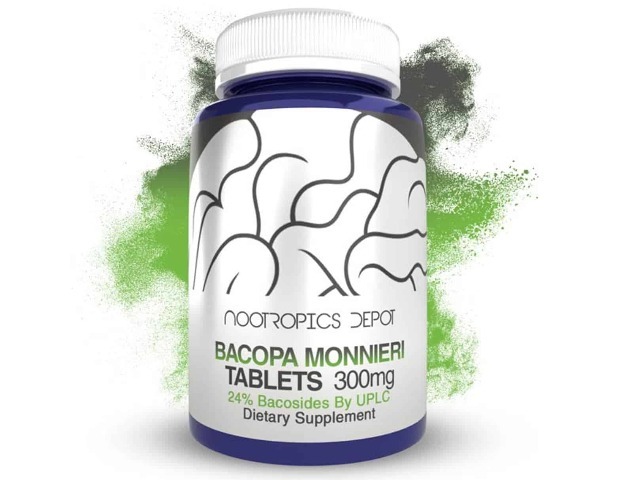
- Zinc + Bacopa Monnieri: Anti-inflammatory mineral support combined with one of the most evidence-backed memory enhancers. B-vitamins from yeast may enhance Bacopa’s effects on long-term retention.
- Fiber base + probiotic: Feed your gut, then populate it. Better nutrient absorption means every other supplement works a little harder.
Best Forms and Products (2026)
| Brand | Fortified? | Approx. Price | Testing/Certification | Best For |
|---|---|---|---|---|
| Bob’s Red Mill | B12, B-complex | $8-10/8oz | NSF-certified | Gold standard; reliable B12 |
| Anthony’s Premium | B12, zinc | $12/1lb | Labdoor A-rated | Budget pick; heavy metals tested |
| Bragg Premium | B12, selenium | $15/4.5oz | USP-verified | Organic; higher antioxidant profile |
| NOW Foods | Full B-vitamins | $10/10oz | ConsumerLab verified | Good all-rounder |
| Sari Foods | B12, iron | $14/8oz | Non-GMO verified | Gluten-free; organic |
Buy flakes over powder for better flavor and texture. Look for USP or NSF certification — it’s the only way to know heavy metal testing actually happened.
My Take
Here’s the honest truth: nutritional yeast isn’t going to transform your cognitive performance or reverse a chronic disease. If someone tells you it will, they’re selling something — probably nutritional yeast.
But that doesn’t mean it’s not worth using. For what it is — a low-calorie, protein-dense, nutrient-rich food with legitimate (if modest) evidence behind its beta-glucans — it’s one of the better additions you can make to a daily diet. Especially if you’re plant-based.
I’ve been using it for over 25 years now. Not because I think it’s a superfood. Because it tastes good on popcorn, it rounds out my B-vitamin intake, and the beta-glucan content gives me a small but consistent edge on immunity and gut health.
My philosophy has always been foundations first — fix your sleep, manage your stress, eat real food, move your body. Then layer in targeted supplements where the evidence supports it. Nutritional yeast fits squarely in that “real food” foundation category. It’s not a nootropic. It’s not a medicine. It’s a genuinely useful food that earns its place in your kitchen.
If you’re looking for the real cognitive heavy-hitters, check out my guides on Bacopa Monnieri, Lion’s Mane, and Alpha-GPC. Those are the substances with direct, robust evidence for brain performance. Nutritional yeast? It’s the supporting cast member that makes the leads look better.
And honestly? The supporting cast doesn’t get enough credit.