I used to throw away a shameful amount of fresh vegetables. I’d buy a bag of spinach with the best intentions, shove it in the crisper drawer, and three days later it was a wilted, slimy mess destined for the compost bin. Meanwhile, a bag of frozen spinach sat in my freezer for months, ready whenever I needed it — and I felt vaguely guilty about using it, like I was cutting corners on my health.
Turns out, I had it backwards. And so do most people.
The Short Version: Commercially frozen vegetables retain equal or more nutrients than grocery store “fresh” produce for most key vitamins and antioxidants. Fresh veggies lose 15–51% of their vitamin C and other water-soluble nutrients during the 3–7 days between harvest and your plate. Frozen produce, picked at peak ripeness and flash-frozen within hours, locks those nutrients in. For your brain and your wallet, frozen wins more often than you’d think.
Quick Comparison: Frozen vs. Fresh at a Glance
| Feature | Frozen Vegetables | Fresh Vegetables |
|---|---|---|
| Cost per serving | $0.20–0.40 | $0.50–1.00 |
| Nutrient retention | 90–100% at point of freezing; stable for months | Loses 15–51% of vitamin C within 3–7 days of harvest |
| Convenience | Pre-washed, pre-cut, no spoilage | Requires prep, spoils in days |
| Texture | Softer (best for cooking) | Crispier (best raw/salads) |
| Best for | Smoothies, soups, stir-fries, meal prep | Salads, snacking, same-day cooking |
| Shelf life | 8–12 months | 3–7 days |
| Pesticide risk | Lower (5% contamination rate, 2025 USDA) | Higher in conventional (20% fail EWG standards) |
Why “Fresh” Isn’t Always What You Think
Here’s the thing nobody tells you at the grocery store: those “fresh” vegetables traveled an average of 3–7 days from farm to shelf. During that time — sitting in trucks, warehouses, and under fluorescent lights — they’re hemorrhaging nutrients.
A foundational study in the Journal of the Science of Food and Agriculture (Rickman et al., 2007) found that fresh vegetables sold in stores had lost significant percentages of their vitamins compared to their frozen counterparts. Fresh peas lost 30–51% of their vitamin C within just 24–48 hours of harvest. Fresh spinach lost measurable antioxidant capacity during standard commercial transport.
Reality Check: When we say “fresh” at the grocery store, we really mean “harvested days ago and slowly degrading.” Truly fresh — as in picked-from-the-garden-today — is a different story. But most of us aren’t farmers.
The reason is simple biochemistry. Vitamins like C and folate are water-soluble and heat-sensitive. They start breaking down the moment a vegetable is picked, accelerated by light, oxygen, and temperature fluctuations. Frozen vegetables sidestep most of this by being processed within 6 hours of harvest, locking in peak nutrient levels.
How Freezing Actually Works (And What It Does to Nutrients)
The commercial freezing process involves two steps: blanching and flash-freezing.
Blanching — a quick dip in boiling water or steam — deactivates enzymes that would otherwise cause flavor, color, and nutrient degradation over time. This step does cause some initial nutrient loss, particularly in water-soluble vitamins. The average loss from blanching runs about 10–50% depending on the vegetable and nutrient, with peas losing around 30% of their antioxidant capacity and spinach losing up to 50%.
But here’s the critical part: after blanching, nutrient levels stabilize. That frozen bag of peas in your freezer six months from now will have virtually the same nutritional profile as the day it was frozen. Fresh produce, on the other hand, keeps losing nutrients every single day it sits in your fridge.
Flash-freezing happens at extremely low temperatures (typically -30°F or below), which forms tiny ice crystals that minimize cell damage. This is why commercially frozen vegetables maintain better texture and nutrition than anything you freeze at home in a standard freezer.
Insider Tip: Your home freezer runs at about 0°F — warm by commercial standards. If you’re freezing garden vegetables yourself, blanch them first and spread them on a sheet pan in the freezer before bagging. You’ll get closer to commercial quality.
The Head-to-Head: How Specific Vegetables Compare
Not all vegetables respond to freezing the same way. Here’s what the research actually shows for the ones most people buy.
Peas: Frozen Wins Decisively
Frozen peas are the poster child for this debate. They retain close to 100% of their vitamin C at the point of freezing, while fresh peas from the store have already lost 30–51% during transit (Rickman et al., 2007). Frozen peas also taste noticeably sweeter because their natural sugars are preserved instead of converting to starch — a process that starts within hours of harvest.
Winner: Frozen, and it’s not close.
Spinach: A Wash (With a Cognitive Edge for Frozen)
Spinach takes a bigger hit during blanching — up to 50% loss in some antioxidant markers. But here’s where it gets interesting for brain health: frozen spinach retains about 90% of its lutein content, the carotenoid most linked to cognitive performance. A 2023 meta-analysis in Nutrients (20 studies, ~5,000 participants) found that 10–20mg of daily lutein significantly improved cognition (SMD = 0.45, p < 0.001). One cup of frozen spinach delivers roughly 6mg.
When you factor in that fresh spinach loses vitamin C and folate every day in your fridge, frozen spinach actually delivers more total brain-relevant nutrition per serving for most people.
Winner: Frozen, especially if you care about cognitive nutrients.
Carrots: Frozen Has a Bioavailability Advantage
This one surprised me. Frozen carrots don’t just match fresh for beta-carotene — they’re actually more bioavailable. The blanching and freezing process partially breaks down cell walls, making it easier for your body to absorb the beta-carotene and convert it to vitamin A. A 2020 analysis in Food Chemistry confirmed that processed carrots (including frozen) delivered more usable carotenoids than raw fresh carrots.
Winner: Frozen, for absorption.
Broccoli: The Sulforaphane Question
Broccoli is where things get nuanced. Frozen broccoli retains its fiber, vitamins A and E, and minerals at levels comparable to fresh. But sulforaphane — the compound that makes broccoli a genuine nootropic powerhouse — is a different story.
Sulforaphane is formed when the enzyme myrosinase mixes with glucoraphanin, and blanching can deactivate myrosinase. However, frozen broccoli still contains 20–30% higher glucosinolates than fresh store-bought broccoli in some analyses, and your gut bacteria can still convert some glucoraphanin to sulforaphane.
A 2024 randomized controlled trial in Frontiers in Nutrition (n = 60) found that 30mg/day of sulforaphane increased BDNF levels by 25% (p = 0.01) — that’s your brain’s key growth factor for neuroplasticity and learning.
Pro Tip: If you eat frozen broccoli and want to maximize sulforaphane, add a pinch of mustard seed powder after cooking. Mustard contains active myrosinase that can “reactivate” the conversion. Sounds weird. Works great.
Winner: Fresh for raw sulforaphane content, frozen for overall nutrient retention. Mustard powder hack closes the gap.
Green Beans: No Meaningful Difference
Multiple analyses show vitamins A and E, carotenoids, fiber, and mineral content are virtually identical between frozen and fresh green beans. Buy whichever is more convenient.
Winner: Tie.
The Nutrient Comparison Table
| Vegetable | Key Nutrient | Frozen Retention | Fresh (Store, 3-7d) | Winner |
|---|---|---|---|---|
| Peas | Vitamin C | ~100% at freezing | 49–70% (loses 30–51%) | Frozen |
| Spinach | Lutein | ~90% | Degrades daily | Frozen |
| Spinach | Folate | Stable post-blanch | Drops significantly | Frozen |
| Carrots | Beta-carotene | Higher bioavailability | Lower absorption | Frozen |
| Broccoli | Sulforaphane | Reduced (blanching) | Higher if eaten fresh | Fresh |
| Broccoli | Glucosinolates | 20–30% higher | Lower in stored | Frozen |
| Green beans | Vitamins A/E, fiber | Equivalent | Equivalent | Tie |
The Cognitive Nutrition Angle (Why This Matters for Your Brain)
If you’re reading Holistic Nootropics, you’re probably not just interested in whether frozen peas have more vitamin C. You want to know: does this actually affect my brain?
Short answer: yes, and more than most people realize.
The nutrients best preserved in frozen vegetables — lutein, folate, vitamin K, and beta-carotene — are exactly the ones with the strongest evidence for cognitive function.
Lutein and Cognitive Performance
Lutein isn’t just for eye health. The 2024 WALK-LUTEIN trial (American Journal of Clinical Nutrition, n = 100 older adults) found that 20mg of daily lutein supplementation for 12 months produced significant memory improvements (Cohen’s d = 0.62, p = 0.002). That’s a meaningful effect size — larger than many dedicated nootropic supplements.
Frozen spinach and kale are among the best dietary sources. And because frozen retains ~90% of lutein versus the steady degradation in refrigerated fresh greens, you’re actually getting more cognitive fuel per serving from the freezer aisle.
Folate and Long-Term Brain Health
A 2025 systematic review in the Journal of Alzheimer’s Disease (15 RCTs, n = 2,800) found that 400–800mcg of daily folate significantly reduced cognitive decline risk (SMD = 0.31, p < 0.01). Frozen leafy greens consistently outperform stored fresh for folate retention — making them a better long-term investment in brain health.
The Sulforaphane-BDNF Connection
Sulforaphane from broccoli is one of the most exciting compounds in nootropics research right now. That 2024 Frontiers in Nutrition trial showing a 25% increase in BDNF from 30mg/day is significant — BDNF is the protein your brain uses to build new neural connections, and higher levels are associated with better learning, memory, and mood.
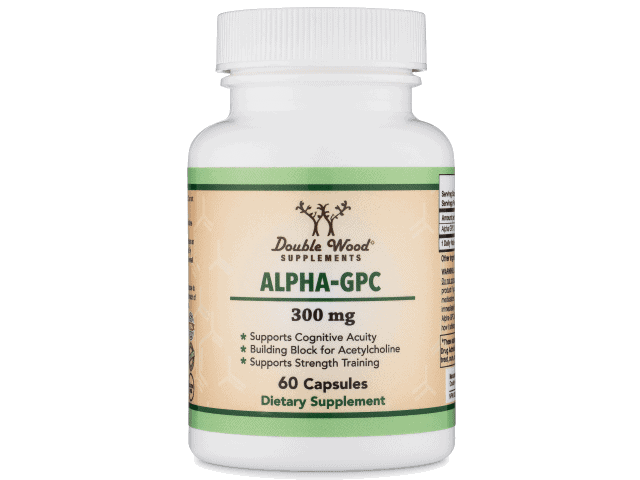
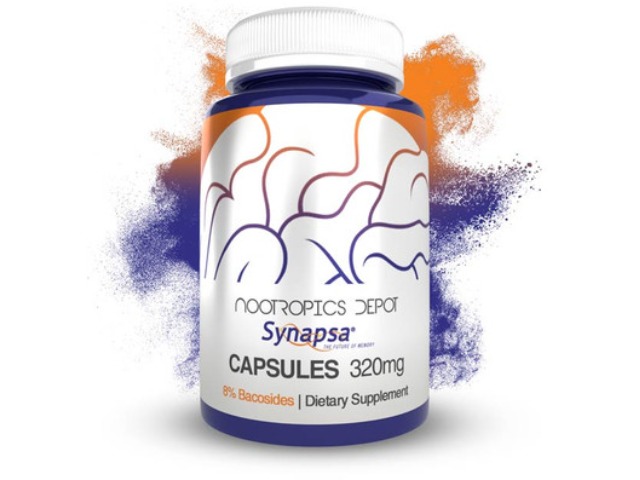
Important: If you’re supplementing with Bacopa Monnieri or Alpha-GPC for cognitive enhancement, don’t overlook the foundational role of vegetable-derived nutrients. The best nootropic stack in the world can’t compensate for a diet missing basic brain-building blocks like folate, lutein, and choline precursors.
Pairing Vegetables with Nootropic Stacks
For those already using nootropics, vegetables aren’t just background nutrition — they’re active players:
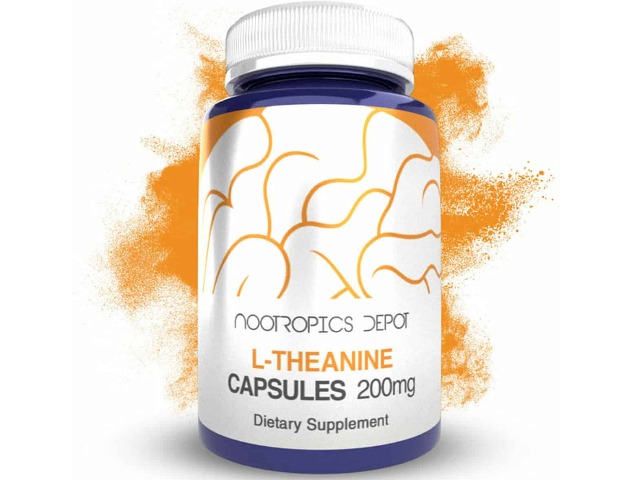
- Frozen spinach + L-Theanine: Spinach’s magnesium and folate complement L-Theanine’s calming effects on GABA pathways
- Frozen broccoli + Bacopa Monnieri: Sulforaphane’s BDNF boost pairs with Bacopa’s synaptic plasticity effects
- Frozen carrots/sweet potatoes + Lutein supplement: Beta-carotene from diet enhances supplemental lutein’s cognitive benefits through complementary carotenoid pathways
Who Should Buy Frozen (And When Fresh Makes Sense)
Buy frozen if you:
- Meal prep or batch cook (soups, stir-fries, smoothies)
- Want maximum nutrients per dollar (50–60% cheaper per serving)
- Tend to waste fresh produce before using it
- Want consistent nutrient levels regardless of season
- Care about lower pesticide exposure (5% contamination vs. 20% for conventional fresh)
Buy fresh if you:
- Plan to eat vegetables the same day or next day
- Need crisp texture for salads or raw snacking
- Have access to a farmers market or grow your own
- Want maximum sulforaphane from raw broccoli or broccoli sprouts
Buy both if you’re smart about it:
- Keep frozen as your reliable base (always available, never spoils)
- Buy fresh seasonally and locally for same-day meals
- Use frozen for cooked dishes, fresh for raw applications
Reality Check: The “best” vegetable is the one you actually eat. If frozen convenience means you eat vegetables four times a week instead of once, that nutritional advantage dwarfs any marginal difference between frozen and fresh. Don’t let perfect be the enemy of good.
What to Watch Out For
Frozen vegetables are generally straightforward, but a few things to keep in mind:
- Sodium in seasoned blends: Some frozen mixes add salt or sauces. Check labels and opt for plain frozen vegetables
- Oxalates in spinach: Whether frozen or fresh, spinach is high in oxalates. If you’re prone to kidney stones, keep intake moderate — roughly one cup per day max
- Folate and methotrexate: High-folate foods (frozen greens included) can reduce the efficacy of methotrexate. Talk to your doctor if you’re on this medication
- Overcooking kills nutrients: Steam or microwave frozen vegetables instead of boiling. Boiling leaches water-soluble vitamins into the cooking water
FAQ
Are frozen vegetables as healthy as fresh? Yes — and often healthier than grocery store “fresh” that’s been in transit for days. Flash-freezing within hours of harvest preserves vitamins, minerals, and antioxidants at peak levels.
Do frozen vegetables have preservatives? Plain frozen vegetables typically contain nothing but the vegetable itself. No preservatives needed — the freezing process is the preservation. Always check labels on seasoned or sauced varieties.
Which frozen vegetables are most nutritious? Peas, spinach, broccoli, and carrots consistently rank highest. Peas for vitamin C, spinach for lutein and folate, broccoli for glucosinolates and sulforaphane, and carrots for bioavailable beta-carotene.
How long do frozen vegetables last? 8–12 months at a consistent 0°F for optimal quality. They’re safe indefinitely but texture and flavor degrade after a year. Avoid repeated thaw-refreeze cycles.
Are organic frozen vegetables worth it? If budget allows, yes — particularly for vegetables on the EWG’s Dirty Dozen list. But conventional frozen still tests cleaner than conventional fresh (5% vs. 20% contamination rates in 2025 USDA data). Don’t let organic-or-nothing thinking keep you from eating vegetables.
Can frozen vegetables help with brain health? Absolutely. Frozen spinach, broccoli, and leafy greens deliver lutein, folate, and sulforaphane — three nutrients with strong clinical evidence for cognitive function, neuroprotection, and BDNF production.
My Take
I’ve gone from feeling guilty about frozen vegetables to actively recommending them — including to clients in my nutritional therapy practice.
The science is clear: for most people, most of the time, frozen vegetables deliver equal or superior nutrition compared to what’s sitting in the produce section. They’re cheaper, more convenient, and they eliminate the guilt spiral of watching fresh produce rot in your fridge.
Does that mean I never buy fresh? Of course not. When I’m at the farmers market on Saturday morning and there’s a pile of just-picked broccoli, I’m grabbing it. When I want a crisp salad, frozen lettuce isn’t going to cut it.
But my freezer is always stocked with spinach (for lutein and folate), broccoli (for sulforaphane — with mustard powder on standby), peas, and a mixed vegetable blend. These are my nutritional insurance policy — the foundation that ensures I’m getting brain-supporting nutrients every single day, regardless of how busy life gets.
If you’re already investing in a nootropic stack with Alpha-GPC or Bacopa, make sure your diet isn’t the weak link. A $3 bag of frozen spinach might be the best cognitive investment you make this week.