
- Gut barrier support
- Anti-inflammatory
- Potential neuroprotection
- Brain fog reduction (inflammation-related)
Four years ago, I sat in my car for ten minutes trying to remember if I’d taken my—wait, what was I saying? Oh right. I couldn’t remember if I’d taken my morning supplements. I’d already checked the cabinet twice. My brain felt like it was wading through maple syrup, and my stomach had been staging a revolution for weeks.
That was my introduction to inflammation-driven brain fog. I was pounding coffee to fix what was actually a gut problem masquerading as a cognitive one. If you’re dealing with that same heavy-headed, post-meal mental crash—or if traditional nootropics feel like they’re missing the mark—you need to know about KPV. It’s not a typical cognitive enhancer. It might be something better: a molecular bridge between your gut and your brain.
The Short Version: KPV (Lysine-Proline-Valine) is a tripeptide fragment of α-MSH with potent anti-inflammatory effects. While human cognitive trials don’t exist, it shows promise for clearing inflammation-related brain fog by healing intestinal permeability and calming overactive microglia. It’s best suited for those with gut issues, not healthy seekers of immediate enhancement.
What Is KPV?
KPV stands for Lysine-Proline-Valine—a linear tripeptide representing the C-terminal fragment (amino acids 193-195) of the larger hormone α-MSH (alpha-Melanocyte Stimulating Hormone). Discovered in the 1990s during research into melanocortin peptides, researchers realized this tiny three-amino-acid snippet retained the anti-inflammatory superpowers of its parent molecule without triggering the pigmentation side effects that make α-MSH famous.
Think of α-MSH as a Swiss Army knife with a dozen tools, including one that tans your skin. KPV is like pulling out just the anti-inflammatory blade—precise, targeted, and without the unwanted extras.
Originally developed for inflammatory bowel disease and wound healing, KPV has recently caught the attention of biohackers and functional medicine practitioners for its potential role in the gut-brain axis. The theory? Systemic inflammation—particularly originating from a compromised intestinal barrier—creates neuroinflammation that manifests as brain fog, anxiety, and cognitive sluggishness. By extinguishing fires in the gut, KPV may indirectly clear the smoke from your brain.
Reality Check: Before I understood the gut-brain connection, I was popping racetams and choline sources while eating foods that were tearing up my intestinal lining. I was essentially revving an engine with a cracked gasket. KPV isn’t a shortcut around fixing your foundations—it’s a tool for repairing the foundation itself.
How Does KPV Work?
KPV operates through multiple pathways that connect your gut lining to your neural environment. Here’s the science sandwich:
Plain English first: KPV acts like a molecular fire extinguisher. It sprays anti-inflammatory signals in your intestines (via specific transport systems) and potentially calms overactive immune cells in your brain called microglia. Less inflammation equals better cellular communication.
The mechanistic evidence: KPV binds to melanocortin receptors (MC1R, MC3R, and MC4R), triggering cascades that inhibit NF-κB—the master switch for inflammatory gene expression. This downregulates pro-inflammatory cytokines including TNF-α, IL-6, and IL-1β. A 2008 study demonstrated that KPV utilizes the PepT1 transporter in intestinal epithelial cells, enabling direct gut-healing effects when administered orally.
So what for your brain? By reducing systemic inflammation and potentially crossing into the central nervous system to modulate microglial activation, KPV may remove the inflammatory “static” that interferes with neuroplasticity. It also indirectly supports BDNF (Brain-Derived Neurotrophic Factor) signaling by reducing inflammatory cytokines that otherwise suppress neurotrophic factor production.
The gut-brain axis mechanism is particularly relevant: by tightening intestinal junctions via PepT1 transport and reducing gut permeability (“leaky gut”), KPV may prevent bacterial endotoxins from entering circulation and triggering the neuroinflammation that causes cognitive sluggishness.
Benefits of KPV
Let’s be brutally honest about what we know and what we don’t. The evidence pyramid for KPV looks lopsided—heavy at the bottom with animal studies, virtually empty at the top with human cognitive trials.
| Benefit | Evidence Level | Key Context |
|---|---|---|
| Intestinal inflammation/IBD | Strong (Animal) | Multiple colitis models show reduced severity and improved barrier function |
| Wound healing/Skin repair | Strong (Animal) | Accelerated closure in dermal injury models |
| Systemic inflammation | Moderate | Consistent reduction in CRP and cytokines across species |
| Cognitive enhancement | Weak/Speculative | No human trials; inferred from anti-inflammatory mechanisms |
| Neuroprotection | Preliminary | Microglial modulation observed in related melanocortin studies |
The gut inflammation connection is where KPV shines brightest. In animal models of colitis, both oral and rectal administration significantly reduced mucosal damage and inflammatory markers. For humans with IBD or IBS, this translates to potential relief from the gut disturbances that precede cognitive symptoms.
The cognitive angle is where things get theoretical. Users in peptide communities report “clearer thinking” and “reduced brain fog” after 2–4 weeks of use, particularly those with histories of food sensitivities, bloating, or post-meal cognitive crashes. However, these reports lack placebo controls and could reflect the placebo effect or general gut health improvements.
Reality Check: If you’re a healthy 25-year-old looking for a Limitless pill, KPV will likely disappoint you. It’s not a stimulant. It doesn’t acutely boost neurotransmitters. The cognitive benefits—if they occur—manifest as the absence of inflammation-related sluggishness rather than the presence of enhanced processing speed.
How to Take KPV
Here’s where peptide pharmacokinetics get tricky. KPV is a small peptide, which means it’s vulnerable to digestive enzymes unless protected.
| Route | Bioavailability | Typical Dosage | Best For |
|---|---|---|---|
| Subcutaneous injection | High (90%+) | 300 mcg – 1 mg daily | Cognitive/systemic effects |
| Oral (capsules) | Low (10-20%) | 1–5 mg daily | Gut-specific healing (PepT1 transport) |
| Sublingual | Moderate | 500 mcg – 2 mg daily | Middle ground (uncommon) |
| Rectal | High (local) | 2–5 mg daily | Severe colonic inflammation |
Starting protocol: If using for cognitive support, begin with 300 mcg subcutaneously every morning for two weeks. Assess gut comfort and mental clarity before increasing. Some advanced users report benefits up to 1 mg daily, but returns diminish beyond that for nootropic purposes.
Timing matters: Morning administration is generally preferred. Some users report mild alertness or reduced anxiety throughout the day, while evening dosing occasionally causes sleep disturbances (though others report improved sleep—individual variation is high).
Cycling: While no formal data exists on receptor desensitization, conservative protocols suggest 4–6 weeks “on” followed by 2–4 weeks “off” to prevent potential melanocortin receptor downregulation.
Insider Tip: If you’re terrified of needles (I was for years), oral KPV isn’t worthless—it just works differently. By utilizing the PepT1 transporter in your gut epithelium, oral administration may actually be superior for healing intestinal permeability, which indirectly supports cognition via the gut-brain axis. For direct CNS effects, however, subcutaneous remains king.
Side Effects & Safety
KPV appears remarkably safe in available animal data, but the lack of long-term human trials demands respect.
Common side effects (injection route):
- Injection site reactions (redness, itching, bruising)
- Mild transient flushing (rare, due to melanocortin receptor interaction)
- Temporary appetite suppression or changes
- Mild fatigue or headache during initial days
Theoretical concerns:
- Immunosuppression: Due to potent NF-κB inhibition, high-dose long-term use could theoretically impair immune surveillance
- Autoimmune interactions: While potentially beneficial for inflammatory conditions, those with active autoimmune diseases should only use under medical supervision due to complex immunomodulatory effects
Important: Do not use KPV if you are pregnant, breastfeeding, or have active cancer without explicit oncologist approval. The effects of melanocortin peptides on tumor surveillance remain understudied.
Drug interactions:
- Immunosuppressants (corticosteroids, biologics like Humira/Remicade): Potential additive effects requiring medical supervision
- NSAIDs: Possible synergistic anti-inflammatory action—monitor for excessive bleeding or immune suppression
Stacking KPV
KPV shines brightest when combined with other gut-healing and anti-inflammatory compounds rather than traditional stimulatory nootropics.
Synergistic combinations:
KPV + BPC-157: The gut-healing dream team. While KPV calms inflammation via melanocortin pathways, BPC-157 promotes angiogenesis and cellular repair. Together, they address both the inflammatory fire and the structural damage in intestinal barriers. Dosage: 300 mcg KPV + 250 mcg BPC-157 (subcutaneous, morning).
KPV + Curcumin (Phytosome): Additive NF-κB inhibition. Curcumin blocks inflammatory transcription factors through different mechanisms, creating comprehensive cytokine management. This stack particularly benefits those with systemic inflammation markers.
KPV + Probiotics/Prebiotics: Optimizing your PepT1 transporter function with butyrate-producing bacteria may enhance KPV’s intestinal uptake while the peptide simultaneously creates a healthier environment for those bacteria to colonize.
Avoid combining with:
- Other melanocortin peptides (Melanotan II, PT-141): Risk of receptor competition and excessive stimulation
- High-dose immunosuppressants: Without medical guidance, due to compounded immune dampening
| Substance | Mechanism | Synergy with KPV |
|---|---|---|
| BPC-157 | Angiogenesis/tight junctions | Gut barrier repair |
| Semax | ACTH fragment/BDNF | Cognitive enhancement (different pathway) |
| Curcumin | NF-κB inhibition | Anti-inflammatory amplification |
| Omega-3 | Resolvin production | Inflammation resolution |
My Take
After experimenting with KPV for three months—alternating between oral and subcutaneous protocols—I can report modest but meaningful results. The “maple syrup brain” sensation I mentioned earlier? It lifted around week three. Not dramatically. Not like switching from SD television to 4K. More like someone finally wiped the smudges off my glasses.
I noticed the biggest improvements on days when I accidentally ate something my gut disagreed with. Previously, that would mean 48 hours of brain fog and anxiety. With KPV, the reaction was muted—present but manageable.
Who is this actually for? If you have confirmed gut issues (IBS, IBD, food sensitivities), chronic low-grade inflammation, or that specific “inflamed” feeling of cognitive sluggishness that coffee can’t touch—KPV deserves a place in your protocol. It’s particularly valuable for those who’ve tried traditional nootropics and found they only address symptoms while ignoring the inflammatory root.
Who should skip it? Healthy individuals seeking acute cognitive enhancement. If your gut is solid and you’re looking for focus or memory gains, spend your money on Alpha-GPC, Bacopa Monnieri, or Lion’s Mane instead.
The bottom line: KPV isn’t a nootropic in the classical sense. It’s a foundation-repair tool that happens to clear the way for better cognition. In the Holistic Nootropics framework, that’s often exactly what we need—not another band-aid for the symptoms, but a wrench for the underlying machinery.
Start low, track your gut symptoms alongside your cognition, and remember: the peptide is just the catalyst. Your diet, sleep, and stress management remain the main ingredients.
Recommended KPV Products
I know how frustrating it is to sort through dozens of brands making the same claims. These are the ones I've personally vetted — because quality is the difference between results and wasted money.
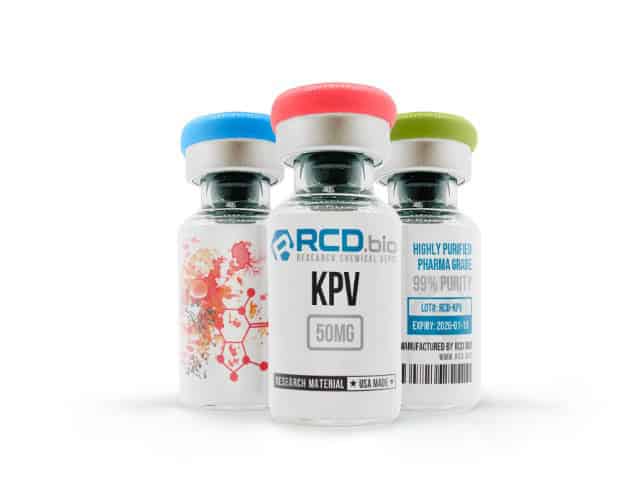
KPV (Lysine-Proline-Valine) Peptide by Research Chemical Depot
Shop Now →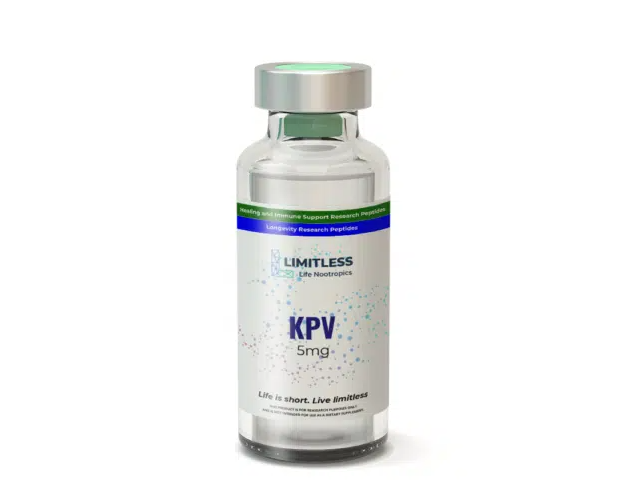
KPV Peptide (10mg), by Limitless Life Nootropics
Shop Now →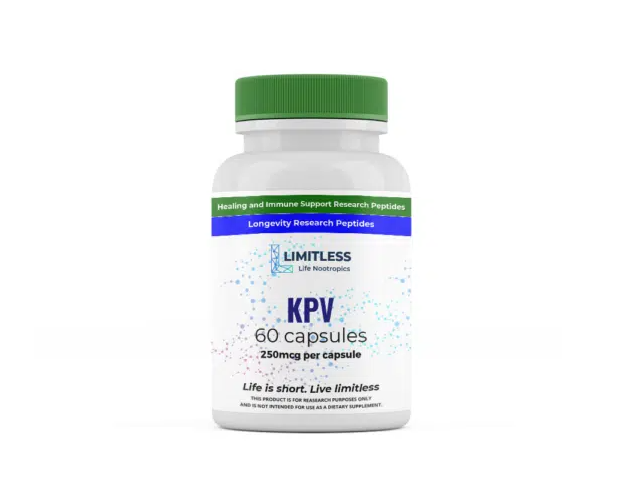
KPV Peptide Capsules by Limitless Life Nootropics
Shop Now →Disclosure: These are affiliate links. I earn a small commission if you purchase — at no extra cost to you. I only recommend products I personally use or have thoroughly researched.
Research & Studies
This section includes 4 peer-reviewed studies referenced in our analysis.