
- Neurogenesis
- Neuroprotection
- Respiratory Health
- Immune Support
I almost dismissed it as marketing hype when I first heard the name. “Tiger Milk Mushroom” sounds like something dreamed up by a supplement copywriter who’d watched too many nature documentaries. But then I learned this fungus doesn’t grow like normal mushrooms—no cap, no stem, no fairy-ring circles in the forest. It grows underground as a hardened tuber, sometimes as big as a coconut, waiting for monsoon rains to push up a fleeting fruiting body that disappears within days.
That underground sclerotium—the part traditional healers have used for centuries—contains compounds that mimic nerve growth factor in ways that rival, and possibly complement, my old favorite Lion’s Mane. The catch? While the preclinical research is genuinely exciting, we’re still waiting on human trials for cognitive enhancement.
The Short Version: Lignosus rhinocerocerotis (Tiger Milk Mushroom) is a Southeast Asian medicinal fungus that grows underground as a sclerotium and contains bioactive compounds that activate TrkA receptors to promote neurite outgrowth. Best known for respiratory and immune support, it shows promising neuroprotective mechanisms but lacks human cognitive trials. Take 1–3g daily of sclerotium powder or 200–500mg of extract, ideally with fats. Avoid if you take immunosuppressants.
What Is Lignosus rhinocerotis?
Lignosus rhinocerotis is a polypore fungus native to the tropical rainforests of Malaysia, Indonesia, Thailand, and the Philippines. Unlike the mushrooms you’re probably picturing, this one spends most of its life as a sclerotium—a dense, woody mass of hardened mycelium that looks more like a tuber than a toadstool. The actual fruiting body emerges only briefly after heavy rainfall, making the sclerotium the primary source of medicinal compounds.
Malaysian indigenous communities—the Orang Asli—have used this “Cendawan Susu Harimau” for centuries to treat respiratory ailments, fever, and inflammation. The folklore suggests it grows where tiger milk spills during nursing, which is admittedly a better story than “random fungal spore landed in rich soil.”
Scientifically, it was first described in the 19th century and later reclassified in 1972. Commercial cultivation began in Malaysia in the early 2000s, making it accessible without unsustainable wild harvesting. For nootropic purposes, we’re interested in the sclerotium specifically, which contains 3–5 times higher concentrations of bioactive peptidoglycans and triterpenoids than the fruiting body.
Reality Check: Most “mushroom” supplements you see use fruiting bodies because they’re cheaper to harvest. With Tiger Milk Mushroom, that’s backwards. If your supplement doesn’t specify “sclerotium,” you’re getting the wrong part of the fungus.
How Does Lignosus rhinocerotis Work?
The neurotrophic effects of this mushroom operate through a fascinating NGF-mimicry mechanism that bypasses some of the slower pathways required by other compounds.
The NGF Mimicry Pathway
Most neurogenic compounds either stimulate your body to produce more Nerve Growth Factor (NGF) or provide building blocks for existing neurons. Lignosus rhinocerotis takes a more direct approach. It contains bioactive peptidoglycans—particularly a compound called lignosusin—that can directly activate TrkA receptors, the same receptors that respond to endogenous NGF.
This triggers the MEK/ERK1/2 signaling cascade, essentially flipping the switch for neurite outgrowth and synaptic connectivity without waiting for your body to manufacture and release NGF. Think of it as having a key to the front door instead of waiting for someone inside to unlock it.
Research published in BMC Complementary Medicine and Therapies (2016) demonstrated that ethanolic extracts of the sclerotium induced neurite outgrowth in PC-12 cells comparable to direct NGF application at 50 ng/mL. The effect wasn’t just measurable in cell cultures—studies showed regeneration in dissociated brain, spinal cord, and even retinal cells.
Anti-Inflammatory and Antioxidant Protection
Beyond growth signals, this mushroom protects existing neurons through multiple defensive pathways:
- NF-κB inhibition: Blocks the nuclear factor-kappa B pathway, suppressing pro-inflammatory cytokines like TNF-α and IL-6 that can damage neural tissue over time
- Nrf2 activation: Upregulates your body’s own antioxidant enzymes—superoxide dismutase, catalase, and glutathione peroxidase—through the Nrf2/ARE pathway
- Glutamate protection: Prevents excitotoxicity by inhibiting glutamate-induced calcium influx and mitochondrial dysfunction, demonstrated specifically in HT22 hippocampal cells (2021 study)
Translation: it helps build new neural wiring while simultaneously protecting existing circuits from oxidative stress and inflammation. That’s a rare combination in the nootropic world.
Benefits of Lignosus rhinocerotis
The evidence landscape here is uneven. We’ve got rock-solid preclinical data on neuroprotection, moderate human evidence for immune and respiratory function, and a glaring gap where the human cognitive trials should be.
Neurogenesis and Neuroprotection (Strong Preclinical Evidence)
The neurite outgrowth data is compelling. Multiple in vitro studies confirm that sclerotium extracts stimulate physical regrowth of neural connections. A 2021 study in Caenorhabditis elegans (nematode worms commonly used for aging research) showed that Tiger Milk Mushroom extended lifespan and reduced neurodegenerative markers.
In rodent models and cell cultures, it demonstrates protection against glutamate-induced toxicity—the kind of cellular damage associated with neurodegenerative conditions and chronic stress.
Cognitive Enhancement (Insufficient Human Evidence)
Here’s where I need to pump the brakes. Despite the impressive mechanisms, no published human RCTs specifically measure cognitive outcomes as of 2024. The 2021 open-label human study (n=50) that everyone cites measured immune markers, antioxidant status, and respiratory symptoms—not memory, focus, or executive function.
We have mechanistic plausibility. We have traditional use suggesting mental clarity. But we don’t have the gold-standard human trials that would let me confidently tell you this will improve your working memory.
Respiratory and Immune Support (Moderate Evidence)
Where we do have human data, it’s impressive. That 2021 trial showed significant improvements in respiratory symptoms and immune markers including IgA and IgG over three months. This aligns with centuries of traditional use for asthma, chronic cough, and lung inflammation.
| Benefit | Evidence Level | Notes |
|---|---|---|
| Neurite outgrowth | Strong | Multiple in vitro and animal studies |
| Neuroprotection | Moderate-Strong | Cell and nematode models |
| Cognitive enhancement | Weak | No RCTs available; mechanism only |
| Respiratory support | Moderate | One open-label human trial + traditional use |
| Immune modulation | Moderate | Human data on IgA/IgG markers |
Reality Check: If you’re looking for a mushroom with proven human cognitive enhancement data, Lion’s Mane is still your better bet. Tiger Milk Mushroom is the speculative play with better respiratory side benefits.
How to Take Lignosus rhinocerotis
Getting the benefits requires getting the right form—and unfortunately, the supplement market is flooded with underdosed or incorrectly sourced products.
Dosage Guidelines
| Form | Dosage | Timing | Duration |
|---|---|---|---|
| Raw sclerotium powder | 1,000–3,000 mg | Morning with food | 8–12 weeks minimum |
| Concentrated extract (20-30% polysaccharides) | 200–500 mg | Morning with food | 8–12 weeks minimum |
| Loading protocol | 3,000 mg (or equivalent) | Morning first 2–4 weeks | Then drop to maintenance |
Critical Sourcing Requirements
You must verify three things on the label:
- Sclerotium specified: If it just says “Tiger Milk Mushroom” without specifying the underground sclerotium, assume it’s inferior fruiting body material
- Malaysian origin: Indigenous genetics from Malaysian cultivation (MARDI-certified) show superior bioactive profiles
- Dual extraction: Hot water extraction captures polysaccharides; ethanol extraction captures triterpenoids. Both matter.
Pro Tip: Take this with a meal containing healthy fats or a fish oil supplement. The triterpenoids and peptidoglycans are lipophilic—they absorb significantly better with dietary fat.
Cycling Considerations
Traditional use suggests continuous consumption, and there’s no evidence of receptor downregulation. However, following adaptogen principles, some practitioners cycle 8 weeks on, 2 weeks off. I haven’t found this necessary personally, but if you plateau after months of use, a brief break might resensitize the pathways.
Side Effects & Safety
Tiger Milk Mushroom is generally well-tolerated, but the immunomodulatory effects create specific contraindications you can’t ignore.
Common Side Effects (Rare/Mild)
- Gastrointestinal discomfort (nausea, bloating) at doses exceeding 3g
- Dry mouth or throat irritation if taken without sufficient water
- Mild allergic reactions in those sensitive to fungal compounds
Serious Contraindications
Important: Do not use if you take immunosuppressant medications (cyclosporine, corticosteroids, biologics). This mushroom upregulates immune function and may reduce drug efficacy or trigger autoimmune flares. This includes transplant patients and those with active autoimmune conditions—consult your physician.
Bleeding Risk Contains compounds that may inhibit platelet aggregation. Discontinue use two weeks before any surgery and use caution if taking anticoagulants (warfarin, high-dose aspirin).
Pregnancy and Nursing Insufficient safety data exists. Avoid during pregnancy and lactation.
Stacking Lignosus rhinocerotis
This mushroom plays well with other neurotrophic compounds, creating complementary mechanisms rather than redundant ones.
Synergistic Combinations
With Lion’s Mane (Hericium erinaceus) The classic neurogenesis stack. Lion’s Mane increases endogenous NGF production via hericenones and erinacines. Tiger Milk Mushroom mimics NGF directly at the receptor level. Together, they address both supply and signal. Dosage: 500mg Lion’s Mane extract + 1,000mg Tiger Milk sclerotium.
With Bacopa Monnieri Bacopa enhances dendritic arborization through different pathways. The combination supports both the physical growth of neurons (Tiger Milk) and the branching complexity of existing dendrites (Bacopa). Allow 8–12 weeks for both to reach full effect.
With Omega-3 Fatty Acids (DHA/EPA) Essential for membrane fluidity in new neurite extensions. The phospholipid bilayer requires DHA to maintain the flexibility needed for new neural connections to properly integrate. Take 1–2g combined EPA/DHA with your morning dose.
With Phosphatidylserine Supports myelination of new neuronal growth, completing the “build and insulate” protocol.
What to Avoid
- High-dose immunostimulants: Combining with other intense immune activators (high-dose Reishi, astragalus) may overstimulate the immune system in sensitive individuals
- Sedatives: Some users report mild energizing effects; theoretically may counteract sedative compounds (though evidence is anecdotal)
My Take
I’ve been cycling Tiger Milk Mushroom for about eight months, and I need to be honest: it’s subtle. Unlike Alpha-GPC or caffeine where you feel the effect within an hour, this is a background-support compound. The respiratory benefits showed up first—I noticed easier breathing during cardio around week three. The cognitive clarity took longer, maybe week six, and manifested as reduced afternoon brain fog rather than any “limitless” surge.
Who is this best for?
- Anyone with respiratory inflammation or chronic cough who also wants neuroprotective benefits
- Biohackers willing to experiment beyond the standard Lion’s Mane protocol
- Those recovering from neurological inflammation or looking to support long-term brain health
Who should skip it?
- If you need immediate cognitive enhancement for tomorrow’s deadline, look elsewhere
- If you take immunosuppressants, this is contraindicated, not optional
- If you won’t verify sclerotium sourcing, you’re likely wasting money on inferior fruiting body extracts
The science is genuinely exciting, particularly the direct TrkA activation mechanism. But I’m frustrated by the lack of human cognitive trials. In my protocol, I treat this as “Lion’s Mane’s understudy with better lungs”—supportive, protective, and worth the experiment if you can source quality Malaysian sclerotium. Just don’t expect to turn into Bradley Cooper in Limitless because you took some fungal tuber powder.
Start with 1g daily of verified sclerotium, give it three months, and track your respiratory health and afternoon mental clarity. That’s the only way to know if this underground oddity works for your biology.
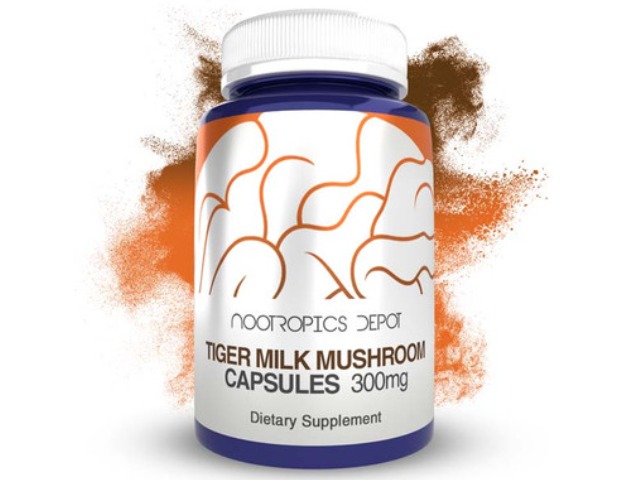
Recommended Tiger Milk Mushroom Products
I know how frustrating it is to sort through dozens of brands making the same claims. These are the ones I've personally vetted — because quality is the difference between results and wasted money.
Disclosure: These are affiliate links. I earn a small commission if you purchase — at no extra cost to you. I only recommend products I personally use or have thoroughly researched.