
I spent three years living next to a four-lane road in Portland before I noticed the pattern. Every winter, my sleep tanked, my focus got foggy, and I’d pick up every cold that came through the office. I blamed seasonal affective disorder, stress, bad luck — everything except the air I was breathing for 20+ hours a day indoors. When I finally stuck a PM2.5 monitor in my apartment, the numbers were genuinely alarming. That’s what sent me down the air purifier rabbit hole — and what I found in the clinical literature was more interesting (and more nuanced) than any marketing copy I’d read.
If you’ve been wondering whether an air purifier is worth the investment or just another wellness gadget collecting dust, here’s what the actual research says.
The Short Version: HEPA air purifiers with activated carbon filters meaningfully reduce indoor particulate matter and nitrogen dioxide. Clinical trials show they can lower blood pressure by 2–3 mmHg on average, reduce COPD exacerbations, and improve respiratory symptoms — but the benefits depend heavily on consistent use (80%+ of the time) and your baseline health. Healthy people in clean-air areas won’t notice much. People with respiratory conditions, cardiovascular risk factors, or high pollution exposure stand to gain the most.
How Air Purifiers Actually Work (The 60-Second Version)
Before we get into the evidence, let’s clear up what these machines actually do — because the marketing makes it sound like magic, and it’s really just physics.
HEPA filters (High-Efficiency Particulate Air) are dense mats of fibers that trap particles 0.3 micrometers and larger with 99.97% efficiency. That includes fine particulate matter (PM2.5), dust, pollen, pet dander, mold spores, and most bacteria. Think of it as a very, very fine net.
Activated carbon filters handle what HEPA can’t — gaseous pollutants like nitrogen dioxide (NO₂), volatile organic compounds (VOCs), and odors. The porous carbon chemically adsorbs these molecules.
The combination matters. A 2023 randomized trial in former smokers with COPD found that HEPA + carbon units achieved a 61% greater reduction in PM2.5 and a 24% reduction in NO₂ compared to sham devices. And a 2020 meta-analysis of 14 crossover RCTs confirmed that physical-type purifiers (HEPA/carbon) consistently outperformed ionizers and other technologies.
Reality Check: Ionizers and ozone-generating purifiers lack robust clinical evidence and may actually irritate your airways. The California Air Resources Board (CARB) specifically certifies devices for low ozone output. If a purifier doesn’t have CARB certification, think twice.
Here’s why particulate matter is such a big deal: PM2.5 particles are small enough to penetrate deep into your lung alveoli and cross into your bloodstream. Once there, they trigger systemic inflammation — elevated IL-6, IL-8, and C-reactive protein — which drives both respiratory decline and cardiovascular damage simultaneously. Reducing that exposure is the mechanism behind every benefit we’re about to discuss.
The Respiratory Evidence (It’s Better Than You’d Expect)
The strongest clinical evidence for air purifiers comes from a landmark 2023 blinded RCT published in PMC — the first environmental intervention trial in COPD to show clinically meaningful results.
The study design: Former smokers with moderate-to-severe COPD received either active HEPA + carbon air cleaners or sham units (identical-looking devices with no real filtration) for six months. Researchers tracked respiratory symptoms using the St. George’s Respiratory Questionnaire (SGRQ), a gold-standard tool for measuring quality of life in lung disease.
The headline result: In the intention-to-treat analysis — meaning everyone who enrolled, regardless of how much they actually used the device — the primary outcome didn’t reach statistical significance. That sounds like a failure. It wasn’t.
The real story: Among participants who actually used their purifiers consistently (≥80% adherence), the results were striking:
- SGRQ scores improved by 4.9 points, exceeding the minimally clinically important difference (MCID) — and outperforming several major COPD drug trials
- Significant reductions in moderate exacerbation risk
- Measurable improvements in breathlessness, cough, sputum production, and 6-minute walk distance
- Participants spending >80% of their time indoors showed substantially greater benefits
| Outcome | Per-Protocol Result | Clinical Significance |
|---|---|---|
| SGRQ Score Change | −4.76 points (95% CI: −9.2 to −0.34) | Exceeded MCID threshold |
| Exacerbation Risk | Significant reduction | Fewer ER visits/hospitalizations |
| 6-Minute Walk Distance | Improved | Better functional capacity |
| PM2.5 Reduction | 61% greater than sham | Substantial exposure decrease |
| NO₂ Reduction | 24% vs. sham | Meaningful gas-phase filtration |
Insider Tip: The 80% adherence threshold is the critical takeaway here. Running your air purifier “sometimes” or only when you remember isn’t enough. The COPD trial essentially proved that air purifiers are an all-or-nothing intervention — consistent use drives real outcomes, inconsistent use drives nothing.
This matters beyond COPD too. If you’re dealing with seasonal allergies, asthma, or chronic sinus issues, the mechanism is the same: reduce particulate exposure, reduce inflammatory load, reduce symptoms. Supporting respiratory function with anti-inflammatory compounds like N-Acetyl Cysteine — a mucolytic and potent antioxidant with its own evidence base in COPD — makes sense as a complementary strategy alongside cleaner air.
What Air Purifiers Do for Your Heart (The Surprising Cardiovascular Data)
This is where things get interesting for anyone who doesn’t have a diagnosed lung condition. You don’t need COPD to benefit from cleaner air — your cardiovascular system responds too.
A 2020 systematic review and meta-analysis pooled data from 14 crossover RCTs (18 publications) examining air purification and cardiovascular outcomes. The findings:
- Systolic blood pressure dropped by 2.28 mmHg (95% CI: −3.92 to −0.64) — statistically significant
- Diastolic blood pressure showed a non-significant trend downward (−0.35 mmHg)
- Pulse pressure improved with physical-type purifiers: −1.56 mmHg (95% CI: −2.98 to −0.15)
- Reactive hyperemia index (RHI) — a marker of vascular endothelial function — improved by +0.13 with physical-type purifiers
- C-reactive protein trended downward (−0.23 mg/L) but didn’t reach significance
Now, 2.28 mmHg might sound trivial. It’s not. At a population level, a 2 mmHg reduction in systolic blood pressure translates to meaningful reductions in stroke and heart disease risk. And that’s the average — specific populations do much better.
The Highway Study (2025)
A randomized crossover trial published in JACC: Advances in 2025 studied 154 adults living near highways. Each participant spent one month with a real HEPA filter and one month with a sham unit (filter removed), separated by a washout period.
Results:
- Average SBP reduction: 3.4 mmHg in response to a 40% reduction in fine particulate matter
- Obese individuals: 6–10 mmHg SBP reduction — a clinically substantial effect
- Benefits appeared within 3-day measurement windows, suggesting rapid vascular response
| Population | SBP Reduction | Timeframe |
|---|---|---|
| General (near highway) | 3.4 mmHg | Within days |
| Obese individuals | 6–10 mmHg | Within days |
| Meta-analysis average | 2.28 mmHg | Weeks |
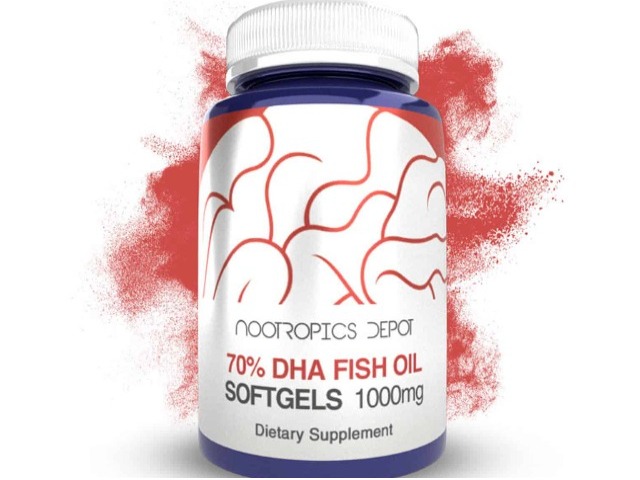
Pro Tip: If you live within 500 meters of a major road, your baseline pollution exposure is significantly higher than average. This is the population where air purifiers show the most dramatic cardiovascular benefits. Combine with Omega-3 fatty acids — which have their own anti-inflammatory evidence in pollution-exposed populations — for a one-two punch against vascular inflammation.
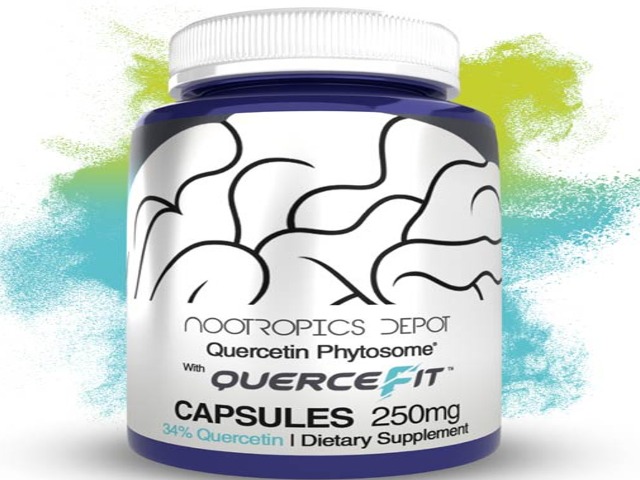
Supporting vascular health from the inside matters just as much as cleaning the air you breathe. Magnesium plays a direct role in vascular smooth muscle relaxation and blood pressure regulation, and deficiency is shockingly common. Quercetin, a flavonoid with anti-inflammatory properties, has preliminary evidence for both asthma symptom reduction and cardiovascular protection.
Who Actually Benefits (And Who Doesn’t)
This is where I have to be honest with you — because the air purifier industry wants you to believe everyone needs one. The evidence doesn’t support that.
High-benefit populations (strong evidence):
- People with COPD, asthma, or chronic respiratory conditions
- Adults living near highways or in high-traffic urban areas
- Obese individuals (2–3× larger blood pressure response)
- Anyone spending ≥80% of their time indoors (remote workers, elderly, young children)
- People in wildfire-prone regions during smoke season
Modest/unclear benefit:
- Healthy individuals in low-pollution suburban or rural areas
- People who spend most of their day outdoors
- Anyone who won’t run the purifier consistently
No benefit:
- Using an ionizer or ozone generator instead of HEPA
- Running a purifier sporadically
- Expecting a purifier to fix outdoor air exposure
Reality Check: An air purifier doesn’t create a pollution-proof bubble. It reduces indoor particulate matter. If you spend 4 hours commuting through traffic daily, a bedroom HEPA unit isn’t going to offset that exposure. Think of it as one layer in a multi-layer strategy — not a silver bullet.
How to Choose Without Wasting Your Money
The air purifier market is full of overpriced units with flashy features that don’t matter and cheap units that don’t work. Here’s what actually matters based on the clinical evidence.
What to Look For
| Feature | Why It Matters | What to Check |
|---|---|---|
| True HEPA filter | 99.97% capture at 0.3μm — the clinical standard | Verify “True HEPA,” not “HEPA-type” or “HEPA-like” |
| Activated carbon filter | Removes NO₂, VOCs, gaseous pollutants | Should be a separate, substantial carbon filter — not a thin carbon sheet |
| CADR rating | Clean Air Delivery Rate — how much air it actually cleans per minute | Match CADR to room size (AHAM recommends CADR ≥ 2/3 of room area in sq ft) |
| CARB certification | Confirms ozone emissions below 0.05 ppm | Non-negotiable for safety |
| Noise level | You need to run it 24/7; if it’s too loud, you won’t | Look for units under 50 dB on medium settings |
What Doesn’t Matter
- Smart features and app connectivity — nice to have, irrelevant to filtration efficacy
- UV-C light — insufficient exposure time in portable units to meaningfully sterilize air
- Ionization modes — lack robust evidence, may generate ozone
- “Washable” HEPA filters — true HEPA filters degrade when washed; these are usually lower-grade filters marketed as HEPA
The Practical Protocol
Based on the clinical trial designs that actually showed results:
- Get two units — one for your bedroom, one for your primary living/work space (this was the setup in the COPD trial)
- Run them 24/7 — the 80% adherence threshold means “most of the time” isn’t good enough
- Size appropriately — match CADR to room square footage; an undersized unit in a large room is essentially useless
- Replace filters on schedule — clogged filters reduce effectiveness and can harbor mold
- Commit to 6 months — respiratory benefits in the COPD trial appeared at 6 months, not 3; cardiovascular benefits may show earlier
- Monitor if possible — a $30 PM2.5 sensor gives you objective feedback on whether your setup is working
Important: Avoid ozone-generating purifiers entirely. Ozone is a respiratory irritant that can worsen asthma and COPD — the exact conditions you’re trying to improve. Check for CARB certification before buying anything.
The Inflammation Connection (Why Clean Air Supports Your Entire Stack)
If you’re already taking anti-inflammatory supplements — and if you read this site, you probably are — here’s the connection that most people miss.
PM2.5 exposure drives the same inflammatory pathways that many nootropics and supplements are designed to counteract. Elevated IL-6, IL-8, and C-reactive protein from air pollution create a baseline of systemic inflammation that makes everything else work harder. It’s like trying to bail water out of a boat with a hole in it.
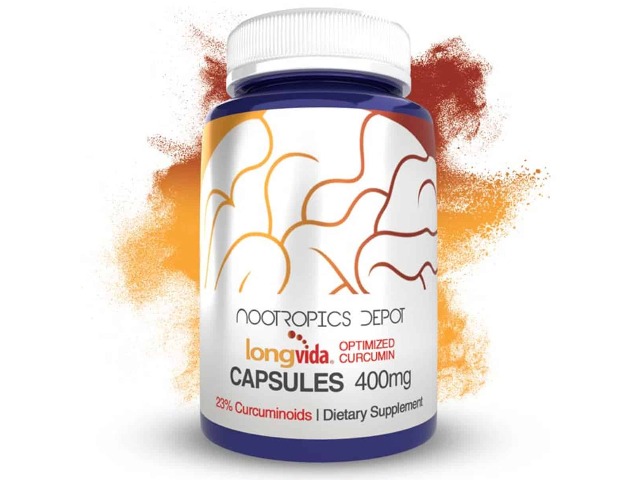
Curcumin is a powerful anti-inflammatory, but it’s fighting an uphill battle if your indoor air is feeding the fire. N-Acetyl Cysteine replenishes glutathione — your body’s master antioxidant — but oxidative stress from particulate matter depletes it faster than you can supplement it.
This is the “foundations first” philosophy I always come back to. Before you optimize your nootropic stack for focus, memory, or mood, make sure the basics are covered: sleep, gut health, stress management — and yes, the air you breathe. An air purifier isn’t a nootropic. But it removes a barrier that makes your nootropics work less effectively.
| Supplement | Relevant Mechanism | How Clean Air Helps |
|---|---|---|
| NAC | Glutathione replenishment, mucolytic | Less oxidative stress = less glutathione depletion |
| Quercetin | Anti-inflammatory flavonoid | Lower baseline inflammation = stronger net effect |
| Magnesium | Vascular relaxation, bronchial smooth muscle | Reduced vascular inflammation supports Mg function |
| Omega-3s | EPA/DHA anti-inflammatory cascade | Less competing inflammatory signaling |
| Curcumin | NF-κB pathway modulation | Lower inflammatory baseline = less to modulate |
Common Misconceptions (Let’s Clear These Up)
“Air purifiers work right away.” Cardiovascular benefits (blood pressure) can appear within days. Respiratory benefits in the COPD trial took six months. Set your expectations accordingly.
“Any air purifier will do.” The meta-analysis specifically found that physical-type purifiers (HEPA + carbon) outperformed other technologies. Ionizers and UV purifiers don’t have equivalent evidence.
“I’ll run it when I remember.” The COPD trial’s intention-to-treat analysis failed. Only participants with ≥80% adherence saw significant benefits. This is a consistency game.
“It’ll protect me from all pollution.” Air purifiers only work indoors. If you spend significant time outside in polluted areas, the purifier can’t offset that exposure. Think of it as reducing your total pollution load, not eliminating it.
“Expensive = better.” A $150 Levoit with a true HEPA filter and proper CADR rating will outperform a $500 ionizer every time. Filtration type and room-size matching matter more than price.
My Take
I’ll be straightforward: buying an air purifier was one of the better health investments I’ve made — and I say that as someone who’s skeptical of most wellness gadgets. The difference in my sleep quality and morning congestion after running a HEPA unit in the bedroom for a few months was noticeable enough that I bought a second one for my office.
But I also live near a busy road in a city with mediocre air quality. If I lived in rural Montana, I probably wouldn’t bother.
The evidence here is solid but specific. If you have COPD, asthma, or cardiovascular risk factors — or if you live in a polluted area — the clinical data supports real, measurable benefits from HEPA + carbon air purifiers used consistently. The 2023 COPD trial is genuinely impressive once you account for adherence. The cardiovascular meta-analysis shows modest but population-significant blood pressure improvements. And the 2025 highway study suggests that people with metabolic risk factors (especially obesity) see dramatically larger effects.
If you’re healthy and living in a clean-air area, the evidence for benefit is thin. Spend that money on Magnesium, better sleep hygiene, or a gym membership instead.
For everyone else: get a HEPA + carbon unit, size it to your room, run it around the clock, and give it six months. Pair it with foundational anti-inflammatory support — NAC, Omega-3s, Magnesium — and you’re addressing air quality from both sides. That’s the holistic approach, and it’s the one with the most evidence behind it.