
- Supports healthy stress response and relaxation
- May improve sleep quality and onset
- Supports cognitive function and memory (form-dependent)
- Supports healthy mood and emotional resilience
- Neuroprotective via NMDA receptor modulation
- Supports over 300 enzymatic processes in the body
Here’s a number that still stops me in my tracks: roughly half of Americans aren’t getting enough magnesium. Half. And this one mineral is involved in over 300 processes in your body — including the ones that build your neurotransmitters, regulate your stress response, and keep your neurons firing without burning out.
I used to think magnesium was boring. The unsexy mineral your grandma took for leg cramps. Then I started digging into the research, and I realized this was the single most underrated tool in my entire nootropic toolkit. Not the flashiest. Not the one that gives you a story to tell at dinner parties. But the one that quietly made everything else work better.
The Short Version: Magnesium is an essential mineral that most people are deficient in, and that deficiency is silently undermining your brain function, mood, and sleep. The key factors are choosing the right form (L-threonate for cognition, glycinate for sleep and anxiety), getting consistent daily doses of 200–400mg elemental magnesium, and understanding that this is a foundational fix — not a quick hit. Below, I break down the science, the different forms, and exactly how to use it.
What Is Magnesium?
Magnesium is the fourth most abundant mineral in your body and the second most common intracellular cation after potassium. It’s an essential cofactor in over 300 enzymatic reactions — everything from DNA synthesis to energy production to neurotransmitter metabolism. Your body can’t make it. You have to get it from food or supplements.
Historically, humans got plenty of magnesium from mineral-rich water, soil-dense vegetables, and unprocessed grains. Modern agriculture, water filtration, and processed food have changed that equation dramatically. The result? Between 50–60% of Americans don’t meet the Estimated Average Requirement, and 10–30% have measurable subclinical deficiency. That’s not a fringe statistic. That’s a public health problem hiding in plain sight.
People reach for magnesium for everything from muscle cramps to migraines, but the nootropic community has zeroed in on it for good reason. Magnesium directly modulates the brain systems most involved in cognition, mood, and stress resilience — NMDA receptors, GABA signaling, serotonin pathways, and the HPA axis. It’s the definition of a “foundations first” supplement. If you’re stacking racetams and adaptogens on top of a magnesium deficiency, you’re tuning a guitar with a broken string.
How Does Magnesium Work in Your Brain?
Think of magnesium as your brain’s volume knob. It doesn’t amplify or suppress any single signal — it regulates the overall gain, keeping excitatory and inhibitory systems in balance. When magnesium is low, the volume gets stuck on loud. Neurons fire too easily, stress responses overreact, and sleep becomes shallow.
Here’s how that plays out at the molecular level:
NMDA Receptor Gating. Magnesium ions sit inside NMDA receptor channels at resting membrane potential, acting as a voltage-dependent block. This prevents calcium from flooding the neuron when it shouldn’t. When the neuron receives a strong, legitimate signal, the magnesium block lifts and calcium flows through — enabling learning and memory formation. Without enough magnesium, these receptors become “leaky.” Calcium trickles in chronically, leading to excitotoxicity, neuronal damage, and that wired-but-tired brain fog that so many people live with.
GABAergic Modulation. Magnesium enhances binding at GABA-A receptors — the same receptors targeted by benzodiazepines, minus the dependency risk. This is a big part of why magnesium helps with anxiety and sleep. It’s gently turning up your brain’s primary inhibitory brake system.
Serotonin Regulation. Magnesium is a required cofactor for tryptophan hydroxylase, the rate-limiting enzyme in serotonin synthesis. Low magnesium literally means less raw material for making serotonin. This connection helps explain the strong link between magnesium deficiency and depressive symptoms.
HPA Axis and Cortisol. Here’s where it gets particularly interesting for anyone dealing with chronic stress. Magnesium helps regulate the hypothalamic-pituitary-adrenal (HPA) axis — your body’s central stress response system. When magnesium is adequate, cortisol responses stay proportional to the stressor. When it’s depleted, the HPA axis becomes hyperactive, pumping out excessive cortisol. And here’s the vicious cycle: stress burns through magnesium, and low magnesium amplifies stress. This feedback loop is one of the most underappreciated mechanisms in functional neuroscience.
Neuroinflammation. Magnesium modulates inflammatory cytokines and NF-κB signaling in the brain. Chronic neuroinflammation is increasingly recognized as a driver of cognitive decline, brain fog, and mood disorders. Maintaining adequate magnesium is one of the simplest ways to keep this in check.
In plain English: magnesium keeps your neurons from overheating, supports the neurotransmitters you need for calm and focus, and prevents your stress system from going haywire. It’s not flashy. It’s essential.
The Real Benefits of Magnesium (and How Strong the Evidence Actually Is)
Let me be straight with you — not all magnesium claims are created equal. Some are backed by solid human trials. Others are extrapolated from petri dishes and rodents. Here’s where the evidence actually stands:
| Benefit | Evidence Level | Key Finding |
|---|---|---|
| Mood / Depression | Strong (multiple RCTs) | 2023 meta-analysis: SMD −0.919, p = 0.001 across 7 RCTs |
| Sleep Quality | Strong (RCTs) | Significant improvements in subjective sleep quality and onset |
| Anxiety | Moderate (mixed results) | Suggestive but not yet definitive in controlled trials |
| Cognition / Memory | Moderate (form-specific) | L-threonate shows promise in 2022 and 2025 studies |
| Stress Resilience | Moderate | HPA axis regulation supported by mechanistic and clinical data |
| Neuroprotection | Strong (mechanistic) | NMDA gating and anti-inflammatory effects well-established |
Mood and Depression. This is where the evidence has gotten genuinely impressive. A 2023 meta-analysis pooling 7 randomized controlled trials found a standardized mean difference of −0.919 (p = 0.001) favoring magnesium supplementation for depressive symptoms. That’s a large effect size. To put it in context, that’s comparable to or better than some pharmaceutical interventions — with a fraction of the side effects.
Reality Check: Magnesium isn’t an antidepressant replacement. But for people with subclinical deficiency — which, remember, is roughly 10–30% of the population — correcting that deficiency can produce meaningful mood improvements. If you’re already replete, the benefit may be modest.
Cognition and Memory. This one comes with an important asterisk: the cognitive benefits are form-specific. The studies showing memory and cognitive improvements have primarily used magnesium L-threonate (branded as Magtein), which is the only form demonstrated to effectively raise brain magnesium levels. A 2022 clinical trial showed improvements in working memory and executive function, and a 2025 follow-up reinforced these findings. Don’t assume that magnesium oxide from the grocery store will do the same thing. It won’t.
Sleep. Multiple studies demonstrate that magnesium supplementation improves subjective sleep quality, reduces time to fall asleep, and increases sleep duration — particularly in older adults and those with insomnia. Magnesium glycinate and magnesium taurate are the standout forms here, combining magnesium with amino acids that have their own calming effects.
Anxiety. The anxiety evidence is more suggestive than definitive. Several trials show trends toward improvement, but the results are mixed, sample sizes are often small, and the effect may be driven primarily by correcting underlying deficiency rather than a pharmacological anxiolytic action. I’ve personally found it helpful, but I’m honest about the data not being rock-solid yet.
How to Take Magnesium Without Wasting Your Money
This is where most people go wrong. They grab whatever bottle is cheapest at the pharmacy, take a random dose, and wonder why they don’t feel anything — or why they’re running to the bathroom.
Form matters more than dose. This isn’t a situation where “magnesium is magnesium.” Different forms have radically different bioavailability, target tissues, and effects.
| Form | Best For | Bioavailability | Cost | Notes |
|---|---|---|---|---|
| L-Threonate (Magtein) | Cognition, memory | High (crosses BBB) | $$$ | Only form proven to raise brain Mg |
| Glycinate | Sleep, anxiety, general | High | $$ | Gentle on stomach, excellent all-rounder |
| Taurate | Mood, cardiovascular | High | $$ | Taurine adds calming benefit |
| Citrate | General, constipation | Moderate | $ | Can cause loose stools at higher doses |
| Oxide | Budget, laxative effect | Low (~4%) | $ | Poor absorption; mostly a laxative |
| Malate | Energy, muscle pain | Moderate-High | $$ | Good for fatigue and fibromyalgia |
Dosage guidelines:
| Goal | Elemental Mg/Day | Form Recommendation | Timing |
|---|---|---|---|
| General foundation | 200–300mg | Glycinate or Citrate | Evening |
| Sleep support | 300–400mg | Glycinate or Taurate | 30–60 min before bed |
| Cognitive enhancement | 1,500–2,000mg Magtein* | L-Threonate | Split: morning + evening |
| Mood / stress | 300–400mg | Glycinate or Taurate | Split or evening |
| Therapeutic (depression) | 400–600mg | Glycinate | Split doses, with meals |
*Note: 2,000mg of magnesium L-threonate delivers approximately 144mg of elemental magnesium. The dosing is based on the full compound weight, not elemental Mg.
Pro Tip: Start at the lower end and increase over 1–2 weeks. Your gut microbiome needs time to adjust, and starting too high is the #1 reason people quit magnesium (“it gave me diarrhea” — no, you took too much citrate on an empty stomach).
Timing considerations:
- Take with food to improve absorption and reduce GI issues
- Evening dosing is ideal for glycinate and taurate (supports sleep)
- L-threonate can be split morning and evening — some people find it mildly stimulating
- Avoid taking with high-dose calcium, iron, or zinc supplements at the same time — they compete for absorption
How long to assess: Give it at least 4–6 weeks of consistent daily use. Magnesium doesn’t produce an overnight effect. It’s rebuilding intracellular stores that may have been depleted for years.
The Side Effects Nobody Warns You About
Let’s be real — magnesium is one of the safest supplements on the planet. But “safe” doesn’t mean “zero considerations.”
Common side effects:
- Loose stools or diarrhea (especially with citrate and oxide forms)
- Mild GI discomfort if taken on an empty stomach
- Drowsiness at higher doses (this is often the desired effect)
Less common:
- Low blood pressure (in people already on antihypertensives)
- Flushing or warmth (usually transient)
Who should be cautious:
- People with kidney disease — the kidneys regulate magnesium excretion, and impaired function can lead to dangerous accumulation
- Anyone on heart medications (digoxin, calcium channel blockers) — consult your doctor first
- People taking antibiotics (tetracyclines, fluoroquinolones) — magnesium can bind to these and reduce their effectiveness. Separate dosing by at least 2–4 hours
- Those on bisphosphonates for osteoporosis — same binding concern
Important: If you have chronic kidney disease or severe heart conditions, talk to your healthcare provider before supplementing with magnesium. Hypermagnesemia is rare in people with normal kidney function, but it’s a real risk if your kidneys can’t clear excess efficiently.
What about “too much”? The tolerable upper intake level from supplements is 350mg of elemental magnesium per day (this doesn’t include dietary magnesium). Going above this doesn’t mean you’ll have a medical emergency, but your GI tract will likely let you know.
Stacking Magnesium for Maximum Effect
Magnesium plays well with others. In fact, it’s the kind of foundational supplement that makes your entire stack work better.
High-synergy combinations:
- Magnesium + Vitamin B6: B6 enhances cellular magnesium uptake. This is why some formulations include pyridoxal-5-phosphate (P5P). A particularly effective combo for PMS-related mood symptoms
- Magnesium + L-Theanine: Both promote GABAergic calming. Together they create a noticeable sense of relaxed alertness — excellent for evening wind-down or anxious days
- Magnesium L-Threonate + Lion’s Mane: Cognitive synergy. L-threonate supports synaptic plasticity via NMDA modulation while Lion’s Mane stimulates NGF production. Different mechanisms, complementary results
- Magnesium + Zinc + Vitamin D: The “foundational triad.” These three nutrients are the most commonly deficient and work synergistically. Vitamin D requires magnesium for activation (conversion to its active form). Zinc and magnesium support immune and neurological function together
- Magnesium Glycinate + Melatonin (low dose): For serious sleep issues. The glycinate provides the calming mineral foundation while 0.3–0.5mg melatonin handles circadian signaling
What to avoid combining:
- Don’t stack magnesium with high-dose calcium at the same meal — they compete for the same transport pathways
- Avoid magnesium oxide if you’re also using it for cognitive effects — the bioavailability is too low to meaningfully raise brain levels
- Be cautious combining high-dose magnesium with other sedating compounds (phenibut, benzodiazepines) — excessive CNS depression is possible
My Take
Magnesium is the supplement I recommend more than any other. Full stop. Not because it’s exciting — it isn’t. Not because you’ll feel a dramatic difference the first day — you probably won’t. But because it addresses a near-universal deficiency that silently sabotages everything else you’re trying to do for your brain.
In my own experience, adding magnesium glycinate at night was one of those “why didn’t I do this years ago” moments. My sleep improved within the first week. The low-grade tension I didn’t even realize I was carrying started to dissolve. And when I later added magnesium L-threonate in the mornings, I noticed a subtle but real improvement in my ability to hold complex information in working memory.
Here’s who this is best for:
- Anyone who hasn’t been tested or supplemented before — statistically, you’re probably low
- High-stress individuals — the stress-magnesium depletion cycle is real and vicious
- People with sleep issues — glycinate or taurate before bed is one of the simplest interventions that actually works
- Nootropic users building or optimizing a stack — fix the foundation before adding the fancy stuff
- Anyone dealing with mood challenges — the depression evidence is genuinely strong
Who should try something else? If you’ve been supplementing consistently for 3+ months, have tested your RBC magnesium (not serum — that’s nearly useless), and your levels are optimal, the marginal returns diminish. At that point, look at other foundational gaps or targeted nootropics for specific goals.
My honest recommendation: start with 300mg of magnesium glycinate at night. Do it every single day for 6 weeks. Keep it boring. Keep it consistent. Then reassess. I’d bet real money you’ll notice the difference — and I say that as someone who’s tried hundreds of compounds over the years. Sometimes the unsexy answer is the right one.
Recommended Magnesium Products
I know how frustrating it is to sort through dozens of brands making the same claims. These are the ones I've personally vetted — because quality is the difference between results and wasted money.
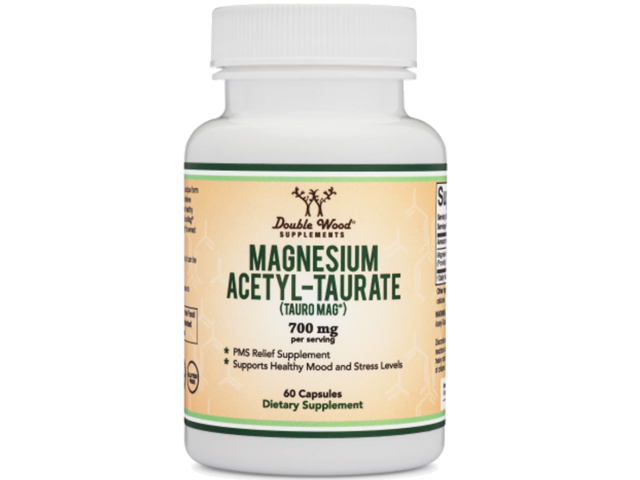
Magnesium Acetyl l Taurate
Shop Now →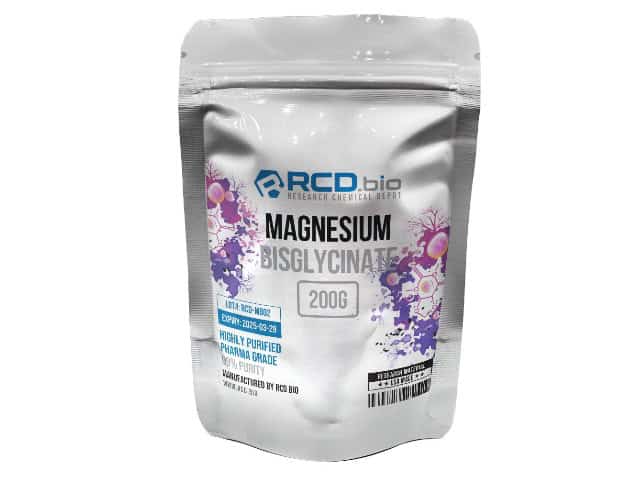
Magnesium Bisglycinate by Research Chemical Depot
Shop Now →
Magnesium Breakthrough
Shop Now →Disclosure: These are affiliate links. I earn a small commission if you purchase — at no extra cost to you. I only recommend products I personally use or have thoroughly researched.
Research & Studies
This section includes 60 peer-reviewed studies referenced in our analysis.
Magnesium in affective disorders.
Localization of the expression of type I, II, III collagen, and aggrecan core protein genes in developing human articular cartilage.
Red blood cell magnesium and chronic fatigue syndrome.
Alcohol intoxication results in rapid loss in free magnesium in brain and disturbances in brain bioenergetics: relation to cerebrovasospasm, alcohol-induced strokes, and barbiturate anesthesia-induced deaths.
The role of magnesium in clinical biochemistry: an overview.
A pilot study of magnesium aspartate hydrochloride (Magnesiocard) as a mood stabilizer for rapid cycling bipolar affective disorder patients.
Dietary boron modified the effects of magnesium and molybdenum on mineral metabolism in the cholecalciferol-deficient chick.
Magnesium ions block an N-methyl-D-aspartate receptor-mediated component of synaptic transmission in rat hippocampus.
[Magnesium aspartate as a cardioprotective agent and adjuvant in tocolysis with betamimetics. Animal experiments on the kinetics and calcium antagonist action of orally administered magnesium aspartate with special reference to simultaneous vitamin B admi
Effects of boron supplementation on bone mineral density and dietary, blood, and urinary calcium, phosphorus, magnesium, and boron in female athletes.
Showing 10 of 60 studies. View all →