
- Reduces neuroinflammation via NF-κB and NLRP3 inflammasome inhibition
- Supports memory and working memory through BDNF upregulation
- Modulates serotonin and dopamine for mood support
- Potent antioxidant through direct scavenging and Nrf2 pathway activation
- Supports metabolic health markers including blood glucose and lipid profiles
- May reduce amyloid-beta and tau protein accumulation in the brain
I used to think turmeric lattes were peak wellness theater — the kind of thing people drink to feel healthy while scrolling Instagram. Golden milk, golden paste, golden everything. It all seemed like marketing wrapped in a spice.
Then I actually looked at the research. Over 20,000 published studies. Clinical trials showing measurable changes on brain PET scans. Meta-analyses across hundreds of randomized controlled trials. Curcumin isn’t a wellness fad. It’s one of the most thoroughly investigated natural compounds in modern science — and the evidence for brain health is genuinely compelling, once you cut through the hype.
The problem? Most people are taking it wrong. And that’s costing them real results.
The Short Version: Curcumin is the primary active compound in turmeric, with strong evidence for reducing inflammation, supporting mood, and protecting long-term brain health. The biggest barrier is its notoriously poor bioavailability — standard curcumin is barely absorbed. Choose an enhanced formulation like Longvida (best for brain penetration) or Meriva (best for joints), take it with fat, and give it at least 8-12 weeks. It’s not a “feel it today” nootropic — it’s a long-game brain health investment.
What Is Curcumin?
Curcumin is a bright yellow polyphenol extracted from the rhizome of Curcuma longa — the turmeric plant you probably have sitting in your spice rack right now. It makes up about 3-5% of turmeric by weight and belongs to a family of compounds called curcuminoids, which also includes demethoxycurcumin and bisdemethoxycurcumin.
This isn’t some obscure lab creation. Turmeric has been a cornerstone of Ayurvedic and traditional Chinese medicine for thousands of years, used for everything from wound healing to digestive support to reducing inflammation. The compound itself was first isolated in 1815, its chemical structure was mapped by 1911, and modern science has been obsessively studying it ever since.
Here’s what makes curcumin unusual in the nootropic world: it’s pleiotropic, meaning it acts on multiple biological pathways at once. Most supplements target one receptor or one enzyme. Curcumin modulates inflammation, oxidative stress, neurotransmitter activity, and neurotrophic signaling simultaneously. That’s a rare profile — and it’s why the research spans everything from depression to Alzheimer’s to metabolic syndrome.
But I need to be upfront about the elephant in the room. Curcumin has an enormous bioavailability problem. Your body barely absorbs standard curcumin extract — most of it passes straight through your gut. This single fact has derailed more supplement experiences than I can count. The formulation you choose matters more here than with almost any other compound I write about.
How Does Curcumin Work?
Think of chronic, low-grade inflammation as static on a radio signal. Your brain is constantly trying to send and receive clear messages — between neurons, between brain regions, between your gut and your head. When inflammation is elevated, those signals get noisy. Over time, the noise becomes the new normal, and you stop noticing how much clarity you’ve lost.
Curcumin turns down that static through several mechanisms at once.
The inflammation switch. The primary target is a protein complex called NF-κB — essentially the master control switch for your body’s inflammatory response. When NF-κB is chronically activated (from poor diet, stress, sleep deprivation, gut issues), it cranks up production of inflammatory molecules like IL-6, TNF-α, and IL-1β. Curcumin blocks NF-κB activation by preventing a key step in its signaling cascade. A 2024 umbrella review of 54 meta-analyses confirmed significant reductions in CRP, IL-6, and TNF-α across the literature (Phytotherapy Research, PMID: 38892660). That’s not a single cherry-picked study — that’s the aggregate of decades of research pointing the same direction.
The antioxidant defense system. Beyond directly scavenging free radicals (which it does — those phenolic rings are good at neutralizing reactive oxygen species), curcumin activates your body’s own antioxidant machinery through the Nrf2 pathway. This triggers your cells to produce more of their built-in protective enzymes — superoxide dismutase, catalase, glutathione peroxidase. It’s the difference between hiring a security guard and installing a full alarm system.
The brain growth factor. This is where it gets really interesting for cognitive health. Curcumin significantly increases expression of Brain-Derived Neurotrophic Factor (BDNF) — the protein your brain uses to grow new connections, strengthen existing ones, and maintain neuronal health. A meta-analysis found a weighted mean increase of +1,789 pg/mL in serum BDNF with curcumin supplementation. BDNF is essentially fertilizer for your brain’s wiring. Low BDNF is linked to depression, cognitive decline, and neurodegeneration. Higher BDNF is linked to better learning, memory, and mood resilience.
The neurotransmitter effect. Curcumin modulates both serotonin and dopamine activity, and it influences the kynurenine pathway — redirecting tryptophan metabolism away from neurotoxic byproducts and toward healthier outcomes. This dual action on mood chemistry is likely why it shows up as effective in depression trials.
In plain English: curcumin works by quieting chronic inflammation, boosting your brain’s natural defense and repair systems, and supporting the chemical messengers that regulate mood and cognition. It’s not flipping a switch — it’s restoring the conditions your brain needs to function well.
What Curcumin Actually Does to Your Brain
Memory and Cognitive Function — The UCLA Study Changed Everything
The landmark study here is Small et al. (2018) out of UCLA. Forty non-demented adults aged 51-84 took 90mg of Theracurmin twice daily for 18 months in a double-blind, placebo-controlled trial. The results were striking: 28% improvement in memory tests, plus gains in visual memory and attention. But the real headline was the PET imaging — participants on curcumin showed significantly less amyloid and tau accumulation in the amygdala and hypothalamus compared to placebo.
That’s not a subjective questionnaire. That’s objective brain imaging showing reduced Alzheimer’s-associated protein buildup.
A 2025 meta-analysis of 10 human studies (531 participants) found that while the overall cognitive effect didn’t reach significance, subgroup analysis revealed significant improvements in working memory and processing speed — with stronger effects in older adults. Meanwhile, 25 animal studies in the same analysis consistently showed robust cognitive benefits. The human evidence is catching up to what animal models have shown for years.
Insider Tip: For cognitive goals specifically, formulation matters enormously. Longvida and Theracurmin are designed to cross the blood-brain barrier. Standard curcumin with piperine improves systemic absorption but doesn’t necessarily get more curcumin into your brain. If your goal is cognitive, choose accordingly.
Mood and Depression — A Serious Adjunct Tool
Multiple randomized controlled trials support curcumin as an adjunctive treatment for depression — meaning it works alongside standard therapy, not as a replacement. The mechanisms make sense: it modulates serotonin and dopamine, suppresses the NLRP3 inflammasome (increasingly implicated in depression), and reduces neuroinflammation that blunts mood-regulating circuits.
Dosages in the depression literature range from 500-1,000mg daily for at least 6 weeks. A 2025 study found that tetrahydrocurcumin at just 200mg/day showed promise when combined with escitalopram.
I want to be clear: curcumin is not a standalone antidepressant, and the evidence, while encouraging, is still inconsistent across studies. But for someone already working with a practitioner on mood issues, it’s a well-supported addition to the toolkit.
Metabolic Health — Surprisingly Strong Evidence
This one caught me off guard. An umbrella analysis of 104 randomized controlled trials found that curcumin significantly improved fasting blood glucose (14 of 15 meta-analyses positive), insulin resistance (12 of 12 positive), HbA1c (7 of 8 positive), and lipid markers across the board. The metabolic evidence is arguably stronger than the cognitive evidence at this point.
Reality Check: Despite all these findings, curcumin is not a drug. The effect sizes are modest — meaningful over time, but not dramatic overnight transformations. And even the best-formulated curcumin achieves plasma concentrations roughly 100-fold lower than what’s used in cell culture studies. The in vivo story is real, but it’s subtler than the in vitro fireworks suggest.
How to Take Curcumin Without Wasting Your Money
This is where most people go wrong, and it’s why so many give up on curcumin before it has a chance to work.
Choose the right formulation for your goal:
- For brain health and cognition: Longvida (400-500mg daily) or Theracurmin (90mg twice daily). These are specifically designed for blood-brain barrier penetration and have the strongest cognitive trial data.
- For joint health and inflammation: Meriva/Phytosome (500-1,000mg daily). Excellent tissue distribution and strong osteoarthritis evidence.
- For general health on a budget: Standard 95% curcuminoid extract (1,000mg) + 6mg BioPerine/piperine. The most cost-effective option, though less targeted for brain-specific goals.
- For maximum bioavailability: NovaSol (~185x standard) or CurcuWin (~136x). These newer formulations allow lower doses with high absorption, but have less clinical trial data behind them.
Timing and absorption essentials:
Take curcumin with a meal containing at least 15 grams of fat — it’s fat-soluble and absorption improves dramatically with dietary fat. Split your dose between breakfast and dinner. Curcumin’s half-life is short, so twice-daily dosing maintains more consistent levels.
The patience factor: Most cognitive and mood benefits emerge at 8-12 weeks minimum. The UCLA study ran for 18 months. This is not caffeine — you won’t feel it in an hour (though one study did find acute working memory improvements with Longvida after a single dose). Commit to at least three months before evaluating.
Pro Tip: If you’re currently taking a basic curcumin supplement and feeling nothing, don’t give up on the compound — give up on the formulation. Switching from generic curcumin to Longvida or Meriva is the single change that makes the biggest difference for most people.
The Side Effects Nobody Warns You About
Curcumin is genuinely well-tolerated at standard doses. In dose-escalation studies testing up to 12,000mg/day, only 7 of 34 subjects reported any complaints — and those were mild. But there are some things you should know.
Common and mild: GI discomfort is the most frequent issue — nausea, diarrhea, stomach upset, acid reflux, yellow stool. These are more likely at higher doses or when taken on an empty stomach. At 500-1,000mg/day with food, most people experience nothing.
Rare but serious — the liver issue: This deserves attention. Several dozen cases of acute liver injury have been reported in the medical literature, typically appearing 1-4 months after starting curcumin supplements. Symptoms include fatigue, nausea, dark urine, and jaundice. The good news: it’s reversible when you stop taking it. The pattern suggests a link to products containing piperine or other absorption enhancers that may inhibit detoxification pathways, and some cases involved adulterated products.
Important: Stop curcumin immediately and see a doctor if you develop unexplained fatigue, dark urine, abdominal pain, or yellowing of the skin or eyes. These symptoms are rare but warrant immediate attention.
Who should avoid curcumin entirely:
- Gallstones or bile duct obstruction — curcumin stimulates gallbladder contractions
- Bleeding disorders or anyone on blood thinners (warfarin, aspirin, clopidogrel) — curcumin has antiplatelet effects and the combination increases bleeding risk
- Iron deficiency — curcumin chelates iron and suppresses absorption
- Pre-surgery — stop at least 2 weeks before any scheduled procedure
- Active liver disease — given the rare hepatotoxicity reports
Drug interactions to watch: Curcumin can enhance the glucose-lowering effects of diabetes medications (metformin, glyburide, insulin), potentially causing hypoglycemia. It may reduce the effectiveness of acid-reducing medications. And anyone on chemotherapy should consult their oncologist — the interactions are complex and drug-specific.
Stacking Curcumin
Curcumin plays well with others — and some combinations are genuinely synergistic rather than just additive.
The DHA connection is fascinating. Curcumin actually increases your body’s synthesis of DHA and raises brain DHA concentrations. Pairing curcumin with an omega-3 supplement containing DHA and EPA creates complementary anti-inflammatory coverage and enhanced brain delivery. This is probably the single best pairing for long-term brain health.
Curcumin + Boswellia serrata targets different inflammatory pathways — curcumin hits COX-2 and NF-κB while Boswellia targets 5-LOX. Clinical evidence suggests the combination is more effective for joint inflammation than either compound alone. If chronic inflammation is your primary concern, this stack covers more ground.
Brain health stack: Longvida Curcumin (400mg) + DHA/EPA (1-2g) + a choline source like Alpha-GPC or Citicoline. This combines neuroprotection, anti-inflammatory support, and acetylcholine precursors for a comprehensive cognitive foundation.
Anti-inflammatory foundation: Curcumin (500-1,000mg enhanced form) + Boswellia (300-500mg) + Fish Oil (2-3g). Broad coverage of inflammatory pathways from different angles.
What to avoid combining: Don’t stack curcumin with blood thinners without medical supervision. Separate iron supplements from curcumin by at least 2 hours if you need both. And if you have any liver concerns, avoid piperine-enhanced formulations — choose phospholipid-based forms (Meriva, Longvida) instead.
My Take
After years of recommending supplements and testing them myself, curcumin sits in a specific category for me: it’s not a flashy nootropic, but it might be one of the most important ones.
Here’s what I mean. Compounds like noopept or phenylpiracetam give you an obvious, acute cognitive shift. You feel them working. Curcumin doesn’t do that — and that’s exactly why so many people dismiss it. The benefits are slow, cumulative, and operate beneath conscious awareness. You don’t feel reduced neuroinflammation. You don’t feel your BDNF levels climbing. You don’t feel less amyloid plaque forming.
But six months in, you might notice your thinking is a little clearer. Your mood is a little more stable. Your joints don’t ache after a long run. Those are the kinds of benefits that compound over years and decades.
In my experience, curcumin is best for:
- Anyone over 40 concerned about long-term cognitive decline
- People with chronic low-grade inflammation (which, honestly, is most of us)
- Those dealing with mood issues alongside other interventions
- People with joint pain who want to reduce NSAID use
It’s probably not the best first choice for:
- Someone looking for an acute cognitive boost for studying or work deadlines
- Anyone who needs to feel a supplement working to stay motivated
- People on blood thinners or with the other contraindications mentioned above
My honest recommendation: make curcumin part of your foundation stack, choose Longvida or Meriva over cheap generic extracts, pair it with omega-3s, and give it time. It’s one of those rare supplements where the research actually backs up the reputation — as long as you respect the bioavailability problem and choose your formulation wisely.
The ancient Ayurvedic practitioners didn’t have PET scanners or randomized controlled trials. But they figured out something 4,000 years ago that modern science is just now catching up to: this unassuming yellow root is genuinely good for your brain. They just didn’t know how good.
Recommended Curcumin Products
I know how frustrating it is to sort through dozens of brands making the same claims. These are the ones I've personally vetted — because quality is the difference between results and wasted money.
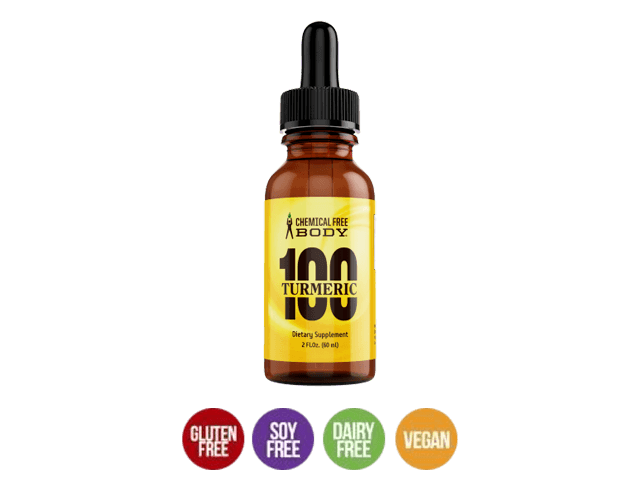
Curcumin
Shop Now →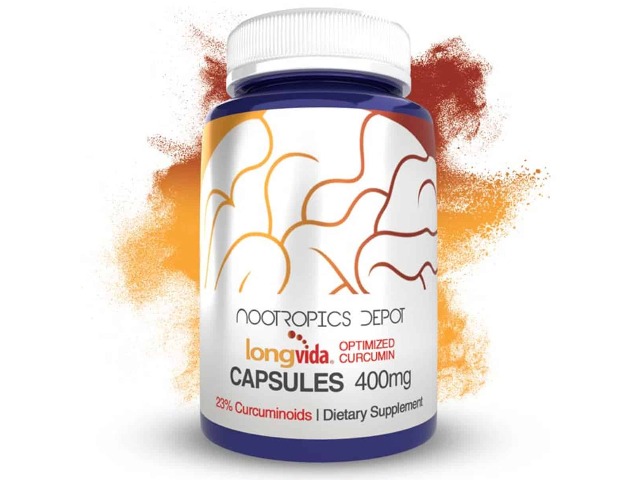
Curcumin - Nootropics Depot
Shop Now →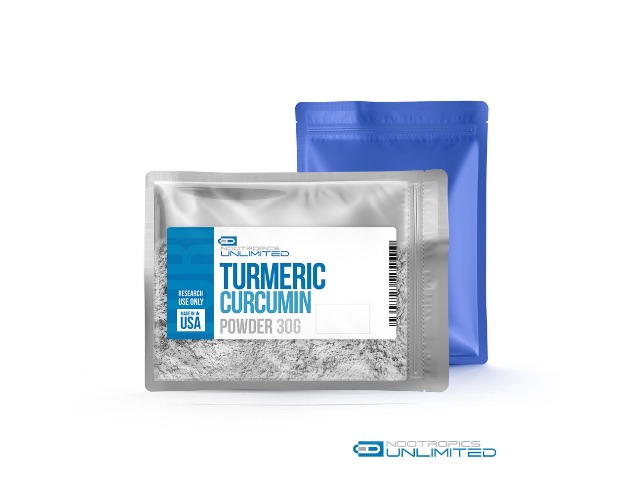
Curcumin by Nootropics Unlimited
Shop Now →Disclosure: These are affiliate links. I earn a small commission if you purchase — at no extra cost to you. I only recommend products I personally use or have thoroughly researched.
Research & Studies
This section includes 19 peer-reviewed studies referenced in our analysis.
Compilation and analysis of DNA sequences associated with apparent streptomycete promoters.
Influence of piperine on the pharmacokinetics of curcumin in animals and human volunteers.
Phase I clinical trial of oral curcumin: biomarkers of systemic activity and compliance.
Antioxidant and anti-inflammatory properties of curcumin.
Antidepressant activity of curcumin: involvement of serotonin and dopamine system.
Herbal extracts and phytochemicals: plant secondary metabolites and the enhancement of human brain function.
Curcumin extract for prevention of type 2 diabetes.
Efficacy and safety of curcumin in major depressive disorder: a randomized controlled trial.
Investigation of the effects of solid lipid curcumin on cognition and mood in a healthy older population.
Curcumin and cancer: barriers to obtaining a health claim.
Showing 10 of 19 studies. View all →