I spent years avoiding egg yolks like they were nutritional land mines.
Every health blog I read in the early 2010s said the same thing — cholesterol causes inflammation, inflammation causes heart disease, and egg yolks are basically edible grenades. So I dutifully ordered egg-white omelets, scraped the golden centers into the trash, and congratulated myself on being “health-conscious.”
Then I actually read the research. And I felt like an idiot.
Turns out, the egg-inflammation story is one of the most persistent — and most thoroughly debunked — myths in modern nutrition. But the real answer isn’t a simple “eggs are fine, eat as many as you want.” It’s more nuanced than that, and the latest science (including a comprehensive 2026 review) reveals some genuinely surprising findings about who benefits most, which part of the egg matters, and how eggs connect to brain health in ways most people never consider.
The Short Version: For the vast majority of people, eggs are not inflammatory. A 2026 review in the Journal of Poultry Science confirms that moderate egg consumption (up to 1-2 per day) is neutral-to-beneficial for inflammation markers, improves HDL cholesterol, and reduces oxidized LDL. Egg yolks are one of the best dietary sources of choline — a critical nutrient for brain function. Below, I break down the full science, who should be cautious, and how to stack eggs with nootropics for maximum benefit.
What We Actually Mean by “Inflammatory” (And Why It Matters)
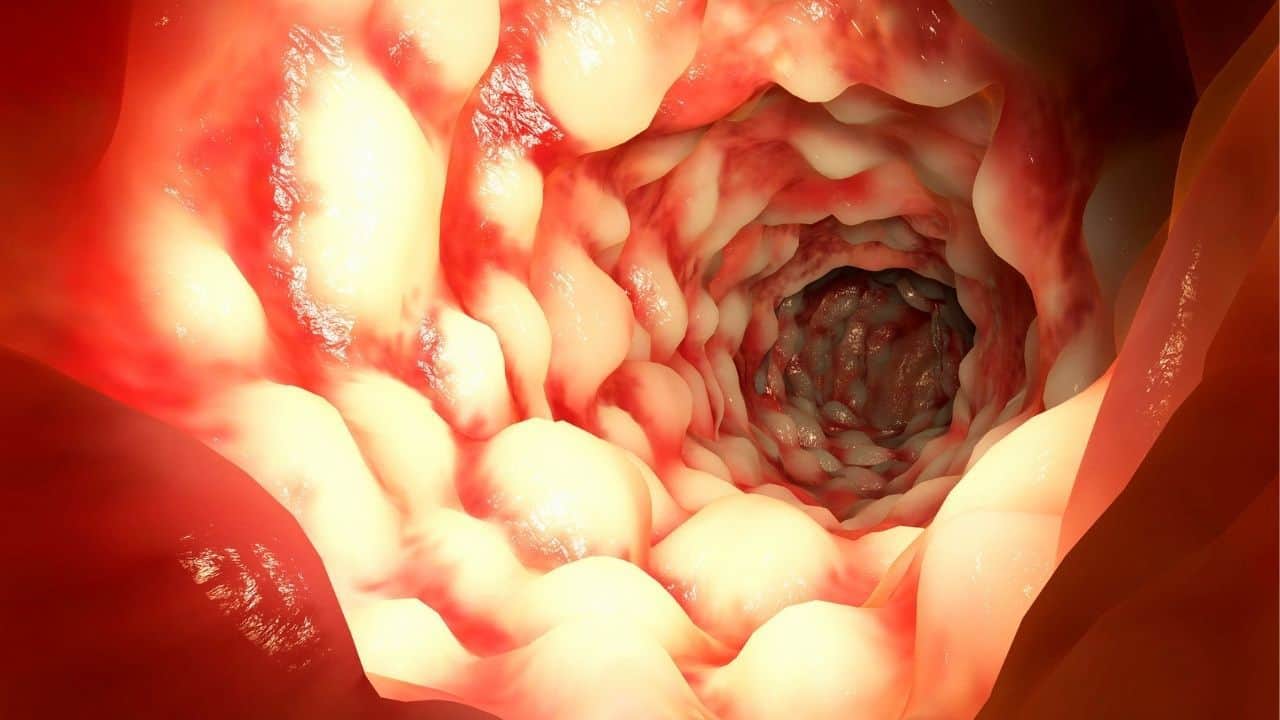

Before we get into eggs specifically, let’s get on the same page about inflammation — because this word gets thrown around so loosely it’s almost lost its meaning.
Acute inflammation is your body’s SWAT team. You cut your finger, white blood cells rush to the scene, clean things up, and leave. That’s good inflammation. You want that.
Chronic inflammation is when the SWAT team never goes home. It lingers for months or years, driven by persistent irritants — poor diet, chronic stress, gut dysfunction, environmental toxins — and quietly damages tissue in the process. This is the kind linked to heart disease, neurodegeneration, autoimmune conditions, and metabolic dysfunction.
When people ask “are eggs inflammatory?” they’re really asking: do eggs contribute to chronic inflammation?
The answer requires looking at specific biomarkers — things like C-reactive protein (CRP), interleukin-6 (IL-6), oxidized LDL, and HDL function. Not just vibes. Not just what a wellness influencer said on Instagram.
Reality Check: Most “inflammatory food” lists online are based on oversimplified models. A food containing a pro-inflammatory compound (like arachidonic acid) doesn’t automatically make it inflammatory in the body. Context — dose, overall diet, individual health — determines the actual effect.
The Cholesterol Myth That Started It All
The anti-egg crusade traces back to one flawed assumption: dietary cholesterol raises blood cholesterol, and blood cholesterol causes inflammation and heart disease.
Here’s what actually happened.
In the 1960s and 70s, early epidemiological studies drew a rough correlation between dietary fat, cholesterol, and cardiovascular disease. Eggs — with about 186mg of cholesterol per yolk — became the poster child for “bad” foods. The American Heart Association capped dietary cholesterol at 300mg/day for decades.
But the science didn’t hold up. Your liver produces roughly 1,000-2,000mg of cholesterol per day. When you eat more cholesterol, your liver compensates by producing less. For most people, dietary cholesterol has minimal impact on serum cholesterol.
By 2015, the Dietary Guidelines Advisory Committee officially dropped its cholesterol intake limit, stating that “cholesterol is not a nutrient of concern for overconsumption.” That’s not a fringe opinion — that’s the U.S. government’s own scientific advisory body.
Yet the myth persists. I still get DMs from people who think eating two eggs will clog their arteries by lunchtime.
What the 2026 Science Actually Says (Spoiler: Eggs Look Good)
Let’s go straight to the most current evidence.
A 2026 comprehensive review published in the Journal of Poultry Science analyzed data from randomized controlled trials, meta-analyses, and cross-sectional studies. The findings were clear:
- 1 egg per day for 4 weeks significantly increased HDL cholesterol (the “good” cholesterol that transports lipids away from blood vessels) and decreased oxidized LDL (a key driver of arterial inflammation)
- Moderate intake of 3-4 eggs per week was associated with lower prevalence of multi-vessel coronary disease in patients not taking lipid-lowering drugs
- No increased risk of atherosclerosis or cardiovascular disease was observed at moderate intake levels
- Ecological data showed a negative association between egg consumption and ischemic heart disease mortality — meaning populations that eat more eggs tend to have less heart disease death, not more
That last point deserves a double-take. Not “neutral.” Protective.
| Finding | Effect | Significance |
|---|---|---|
| HDL cholesterol increase | ↑ after 4 weeks of 1 egg/day | p < 0.05 |
| Oxidized LDL decrease | ↓ after 4 weeks of 1 egg/day | p < 0.05 |
| Multi-vessel disease prevalence | ↓ at 3-4 eggs/week | p < 0.05 (non-drug users) |
| CVD/atherosclerosis risk | No increase | Confirmed across multiple designs |
| Ischemic heart disease mortality | Negative association (protective trend) | Ecological data |
The mechanism makes sense when you understand what eggs actually contain. Yolks are rich in lutein and zeaxanthin — carotenoid antioxidants that reduce oxidative stress and prevent LDL oxidation. Oxidized LDL is a far better predictor of cardiovascular inflammation than total cholesterol.
Insider Tip: If your doctor is still fixating on total cholesterol as a cardiovascular risk marker, ask about oxidized LDL and HDL particle number instead. These are far more predictive of actual inflammation and plaque formation — and eggs improve both.
The Arachidonic Acid Question (The One Legitimate Concern)
Now, I’m not going to pretend eggs are perfect in every context. There’s one compound worth understanding: arachidonic acid (AA).
Each egg yolk contains roughly 70mg of arachidonic acid, an omega-6 fatty acid. AA is a precursor to prostaglandins and leukotrienes — molecules that, in excess, promote inflammation. This is the kernel of truth that the “eggs are inflammatory” crowd latches onto.
But here’s what they miss.
AA doesn’t automatically convert into inflammatory molecules. The conversion depends on your overall omega-6 to omega-3 ratio, enzyme activity, and existing inflammatory state. In a person eating a balanced diet with adequate omega-3 fatty acids (from fish, algae, or supplements), that 70mg of AA is a non-issue.
Human trials consistently show that eating 1-2 eggs per day does not increase CRP, IL-6, or TNF-alpha — the major inflammatory biomarkers. The AA gets metabolized without tipping the inflammatory balance.
The problem isn’t eggs. The problem is eating eggs alongside a diet already drowning in omega-6s from seed oils, processed foods, and fast food — while getting almost no omega-3s. In that context, yes, the extra AA could matter. But blaming the egg is like blaming the last raindrop for the flood.
Age, Egg Fractions, and Who Benefits Most

One of the most interesting developments is a University of Connecticut clinical trial (NCT06086795), launched in 2023 and currently ongoing, investigating how different egg fractions — whites, yolks, and whole eggs — affect HDL function and immune profiles across age groups.
This randomized crossover trial is studying 40 participants in two age brackets (18-30 and 50-75) with a BMI under 30. Each person cycles through four-week periods of eating egg whites, yolks, whole eggs, or no eggs, with researchers tracking HDL function and T-cell profiles as markers of immune and inflammatory status.
The results are pending, but the study design tells us something important: researchers now suspect that age significantly modifies how your body responds to different parts of the egg. Preliminary data from earlier work at UConn suggests older adults may see greater HDL benefits from yolks than younger adults.
This makes intuitive sense. As we age, HDL function declines, and the phospholipids and choline in yolks may help restore it. If confirmed, this trial could flip the script on the common advice to “skip the yolk” — especially for people over 50.
Pro Tip: If you’re over 50, don’t fear egg yolks. The emerging evidence suggests yolks may actually be more beneficial for your age group, not less. The choline, phospholipids, and fat-soluble vitamins in yolks support both cardiovascular and cognitive health.
The Egg-Brain Connection Most People Miss
Here’s where eggs get really interesting for the nootropics-minded reader.
One whole egg contains approximately 125mg of choline — and most of it is in the yolk. Choline is the direct precursor to acetylcholine, the neurotransmitter responsible for memory, focus, and learning. It’s also essential for cell membrane integrity and methylation processes throughout the brain.
The problem? An estimated 90% of Americans don’t get enough choline. The adequate intake is 550mg/day for men and 425mg/day for women, and most people hover around 300mg. Two eggs gets you halfway there.
This is why eggs pair so well with cholinergic nootropics like Alpha-GPC and Citicoline. These supplements convert to acetylcholine in the brain, but they work best when your baseline choline intake is solid. Eggs provide that dietary foundation.
Think of it this way: Alpha-GPC is the turbo, but eggs are the fuel. You need both.
| Nutrient | Amount Per Egg | Why It Matters |
|---|---|---|
| Choline | ~125mg | Acetylcholine precursor, brain cell membranes |
| Lutein | ~0.2mg | Crosses blood-brain barrier, neuroprotective |
| Zeaxanthin | ~0.1mg | Antioxidant, reduces neural oxidative stress |
| Vitamin D | ~1mcg | Neuroinflammation regulation |
| B12 | ~0.5mcg | Myelin formation, methylation |
| Selenium | ~15mcg | Glutathione synthesis, antioxidant defense |
| DHA (omega-3 enriched) | Up to 100mg | Neuronal membrane fluidity |
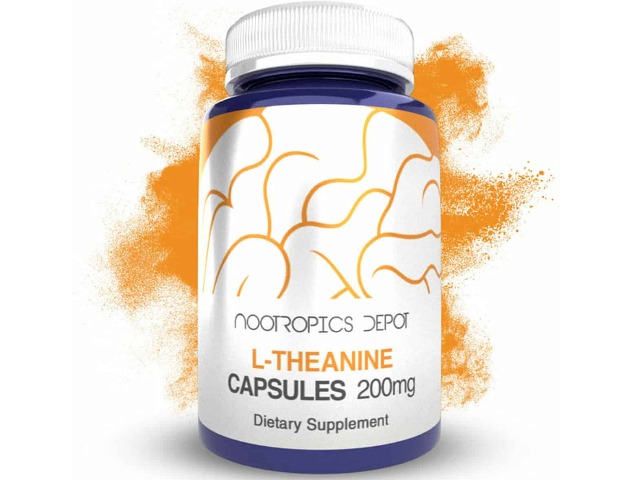
And here’s the kicker — Bacopa Monnieri, one of the most evidence-backed nootropics for memory, works partly through cholinergic mechanisms. Pairing bacopa with a choline-rich diet (eggs included) may enhance its effects. Same story with L-Theanine for calm focus — it pairs well with the steady choline supply eggs provide.
Egg White Hydrolysates: The Emerging Anti-Inflammatory Angle
Here’s something the old article completely missed, and it’s genuinely fascinating.
Recent research published in Food Science & Nutrition has identified anti-inflammatory peptides in egg white hydrolysates — essentially, egg white proteins broken down into smaller bioactive fragments. These peptides demonstrated the ability to inhibit iNOS (inducible nitric oxide synthase), a key enzyme in inflammatory pathways.
Now, a few important caveats. This research is largely in vitro (test tube/cell culture) at this point, and egg white hydrolysates aren’t widely available as a consumer product yet. You can’t just eat scrambled whites and expect the same effect — the hydrolysis process is what unlocks these peptides.
But it signals something important: eggs may have anti-inflammatory properties we haven’t fully appreciated, beyond just being “neutral.” As this research matures, expect to see egg-derived peptide supplements hit the market.
For now, egg white protein isolate (like NOW Foods’ USP-verified version) may offer some of these benefits due to partial protein breakdown during processing, though it’s speculative.
Reality Check: Egg white hydrolysates are exciting but still early-stage. Don’t buy expensive “anti-inflammatory egg peptide” products yet — the science isn’t there for specific dosing recommendations. Plain eggs remain your best bet.
When Eggs ARE a Problem: Allergies and Sensitivities
I’ve been painting a positive picture, and for good reason — the evidence supports it for most people. But “most people” isn’t everyone.
Egg allergy affects 0.5-3% of children and is one of the most common childhood food allergies. It’s driven by an IgE-mediated immune response to proteins in egg whites (primarily ovomucoid, ovalbumin, and ovotransferrin). This is true inflammatory activation — not the vague “inflammation” from arachidonic acid, but a genuine immune system overreaction.
A multicenter clinical trial (NCT05740163), launched in 2023, is testing oral immunotherapy (OIT) for egg-allergic children aged 6-16. The protocol starts with 1/200 of an egg protein dose and gradually increases to 1/5 over 12 months, with antihistamine coverage. Researchers are tracking IgE levels, skin prick tests, and exhaled nitric oxide (a direct inflammation marker) at baseline, 6 months, and 12 months.
Early-phase OIT research has shown promise for building tolerance, but the trial specifically flags higher risk for children with uncontrolled asthma.
Who should genuinely avoid eggs:
- Confirmed egg allergy (IgE-positive)
- Uncontrolled asthma with egg sensitivity
- People on ACE inhibitors during OIT protocols (higher anaphylaxis risk)
- Those with alpha-gal syndrome (rare, but cross-reactivity possible)
If you suspect an egg sensitivity but haven’t been formally tested, get a proper IgE panel before eliminating eggs entirely. Too many people cut out nutrient-dense foods based on vague symptoms that turn out to have nothing to do with the food itself.
Your Practical Anti-Inflammatory Egg Protocol
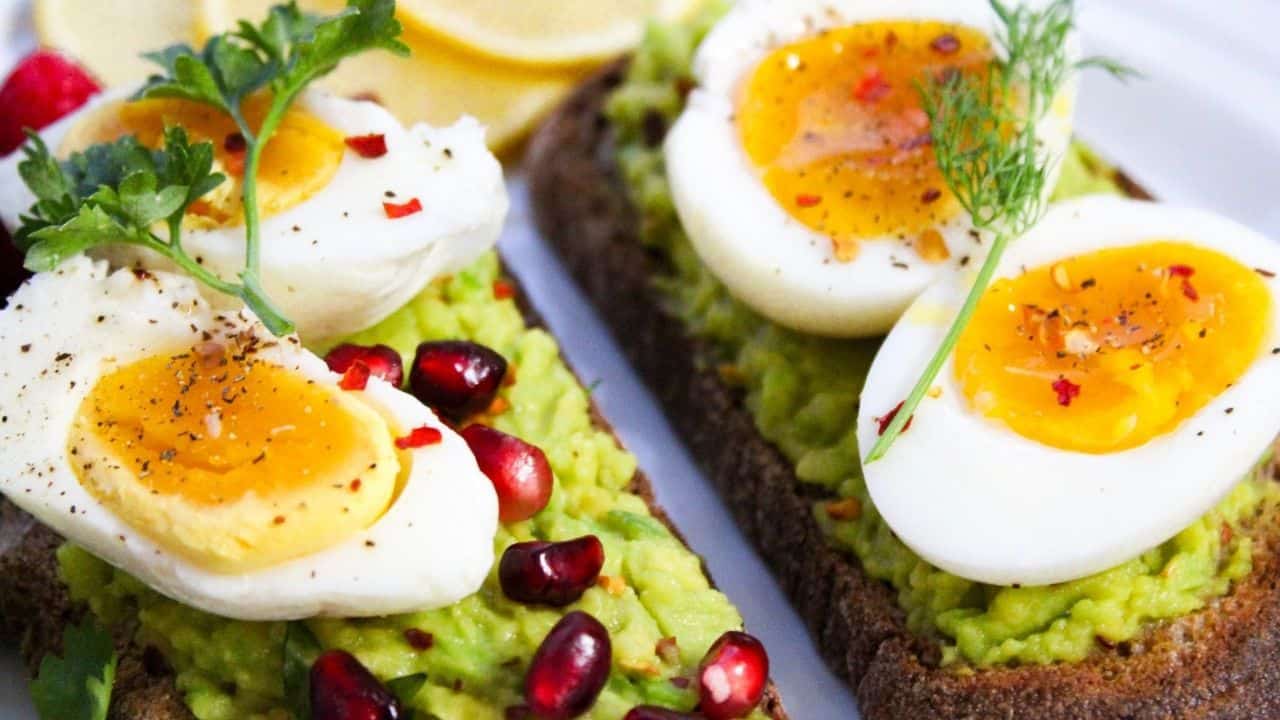
Alright, enough theory. Here’s what to actually do.
For the general population (no allergies, no active inflammatory conditions):
- Eat 1-2 whole eggs daily. Don’t skip the yolk. That’s where the choline, lutein, and fat-soluble vitamins live.
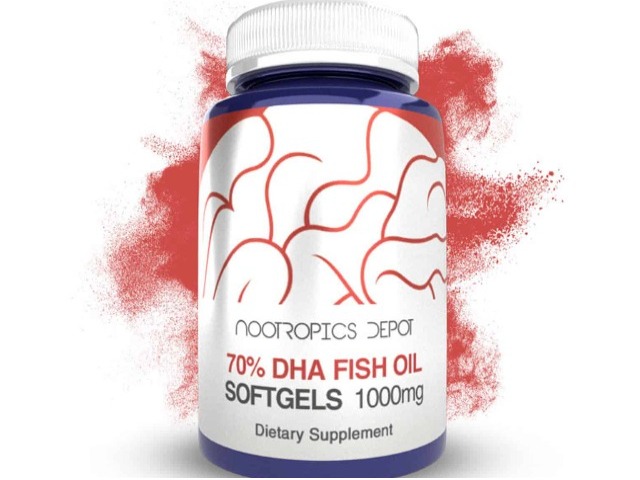
- Pair with omega-3s. Either eat omega-3 enriched eggs or supplement with 1-2g of EPA/DHA from fish oil or omega-3 supplements. This neutralizes any theoretical AA concerns.
- Cook them well. Cooking denatures allergenic proteins and improves digestibility. Soft-boiled or poached preserves more nutrients than high-heat scrambling.
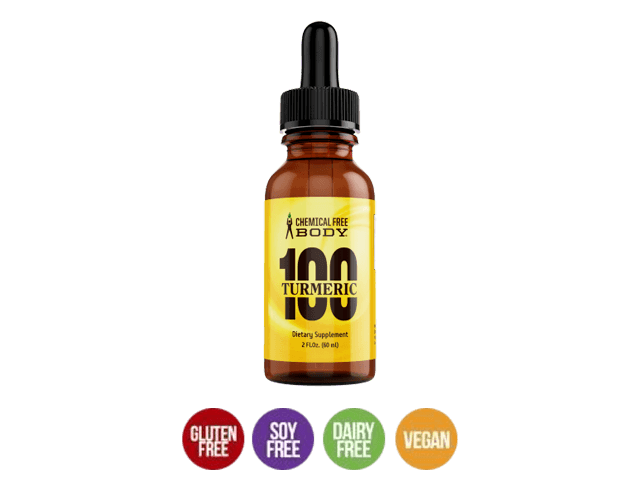
- Add vegetables. Seriously. An omelet with spinach, tomatoes, and turmeric is an anti-inflammatory powerhouse.
For the nootropics-focused reader:
- Morning egg + nootropic stack: 2 eggs + Alpha-GPC (300mg) or Citicoline (250mg) for a choline-loaded cognitive boost
- Anti-inflammatory synergy: Eggs + Curcumin (500mg with piperine) + Omega-3 (1g EPA/DHA) — this combination addresses inflammation from multiple pathways while supporting brain health
- Calm focus protocol: Eggs + L-Theanine (200mg) + green tea — choline for acetylcholine production, theanine for alpha-wave relaxation without drowsiness
For people with inflammatory conditions (arthritis, IBD, autoimmune):
- There’s no evidence that eggs worsen these conditions at moderate intake
- Consider egg whites if you want to minimize AA exposure while still getting protein
- Stack with Bacopa Monnieri and Curcumin for additional anti-inflammatory support
- Monitor CRP levels via bloodwork every 6 months to track your personal response
Important: If you have a confirmed egg allergy, oral immunotherapy should only be pursued under medical supervision. Do not attempt gradual egg introduction on your own — anaphylaxis risk is real, especially if you have asthma.
The Product Angle: Choosing Quality Eggs and Egg Supplements
Not all eggs are created equal, and the 2026 market has shifted heavily toward regenerative, pasture-raised, and omega-3 enriched options.
| Product | Type | What You Get | Best For |
|---|---|---|---|
| Pasture-raised eggs (Vital Farms, etc.) | Fresh whole eggs | Higher omega-3, more lutein, better AA ratio | Daily consumption |
| Omega-3 enriched eggs | Fresh whole eggs | Up to 100mg DHA per egg | People not supplementing omega-3 |
| Egg yolk powder (pasture-raised) | Powder supplement | ~400mg choline per serving, high lutein | Nootropic stacking |
| Egg white protein isolate | Protein powder | 25g protein per serving, minimal AA | Sensitive individuals, athletes |
What to look for: Third-party testing, pasture-raised certification (not just “cage-free” — that label is nearly meaningless), and a Certificate of Analysis for supplements. The jump from conventional to pasture-raised eggs costs about $3-4 more per dozen but delivers meaningfully better nutrition.
My Take
I ate nothing but egg whites for three years because the internet told me yolks were toxic. Three years of throwing away the most nutrient-dense part of the egg. I cringe thinking about it.
The evidence is about as clear as nutrition science gets: eggs are not inflammatory for the vast majority of people. The 2026 Journal of Poultry Science review, the ongoing UConn trial, and decades of prior research all point in the same direction — moderate egg consumption improves HDL, reduces oxidized LDL, and provides critical nutrients like choline that most people desperately need.
Are there exceptions? Of course. If you have a confirmed egg allergy, eggs are genuinely inflammatory for you — via a completely different mechanism than what most people worry about. And if your diet is already saturated with omega-6 fatty acids and devoid of omega-3s, adding more arachidonic acid from any source isn’t ideal. But that’s a diet problem, not an egg problem.
For the nootropics community specifically, I think eggs are one of the most underrated cognitive foods. The choline content alone makes them a foundational component of any brain-health protocol. Pair them with Alpha-GPC, Omega-3s, and Curcumin, and you’ve got a simple, affordable, evidence-backed stack that addresses both inflammation and cognitive performance.
Stop throwing away your yolks. Your brain will thank you.