The Best Natural Supplements for Blood Sugar Support: What the Research Shows
If you spend any time in the nootropics space, you quickly realize that brain optimization does not start and end with racetams and cholinergics. Some of the most profound improvements I have made to my own cognitive performance had nothing to do with exotic compounds — they came from getting my metabolic health in order. And at the center of metabolic health sits one thing: blood sugar regulation.
I first became interested in glycemic control after noticing a pattern in my own productivity. On days when I ate poorly — high-glycemic meals, sugary snacks, the usual — my afternoon focus would crater. Not just a mild dip, but full-on brain fog, difficulty holding a thought, the kind of cognitive sluggishness that no amount of caffeine could fix. When I started tracking my glucose with a continuous monitor, the correlation became impossible to ignore. Every spike was followed by a crash, and every crash came with a measurable drop in mental performance. That experience sent me down a research rabbit hole into the compounds that can genuinely support healthy blood sugar levels, and I want to share what I found.
Short Version: Blood sugar instability directly undermines cognitive function. The best-studied natural compounds for glycemic support include berberine (comparable to metformin in clinical trials), cinnamon extract (particularly Cinnulin PF), gymnema sylvestre, banaba leaf, and chromium. Of these, berberine has by far the strongest evidence base. Always consult a healthcare provider before combining any of these with diabetes medications.
Why Blood Sugar Matters for Brain Function

Your brain is, metabolically speaking, one of the most demanding organs in your body. Despite accounting for only about 2% of your body weight, it consumes roughly 20% of your total glucose supply. Glucose is the brain’s primary fuel source, and the efficiency with which your neurons can access and utilize that glucose has a direct, measurable impact on how well you think.
This is not just a theoretical concern. When blood sugar drops too low (hypoglycemia), cognitive function degrades rapidly — you lose working memory, reaction time suffers, and decision-making becomes impaired. But the damage from chronically elevated blood sugar is arguably worse and far more insidious. Insulin resistance — the metabolic state where your cells stop responding efficiently to insulin — does not just affect your muscles and liver. It affects your brain.
Emerging research has established a strong link between insulin resistance and cognitive decline. Some researchers have even dubbed Alzheimer’s disease “type 3 diabetes” because of how closely the neurodegenerative processes mirror the metabolic dysfunction seen in type 2 diabetes. Insulin receptors are densely concentrated in the hippocampus, the brain region most critical for memory formation. When those receptors become desensitized, your ability to form and retrieve memories takes a hit.
Beyond the long-term risks, there is the daily reality. Blood sugar volatility — the spikes and crashes that come from poor glycemic control — creates an unstable metabolic environment that your brain simply cannot perform optimally in. If you are serious about cognitive enhancement, getting your blood sugar under control is not optional. It is foundational.
So what can you actually do about it? Beyond the obvious lifestyle interventions (diet, exercise, sleep), several natural compounds have accumulated meaningful clinical evidence for supporting healthy blood sugar levels. Let me walk you through them.
The Best Evidence-Based Blood Sugar Supplements
Berberine: The Gold Standard
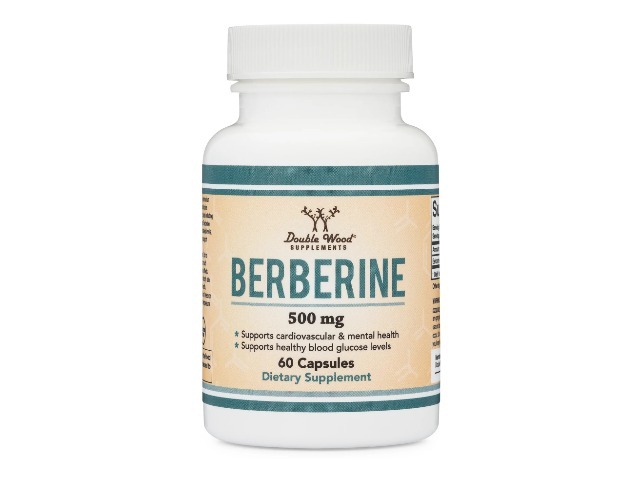
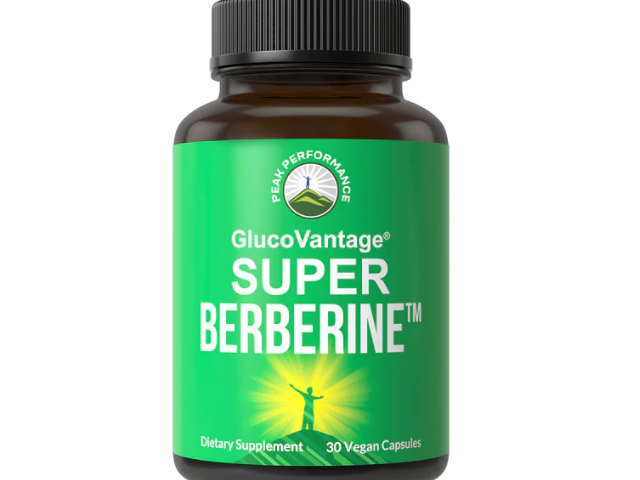
If I had to recommend a single natural compound for blood sugar support, it would be berberine without hesitation. This is not a fringe supplement with a few promising rodent studies. Berberine is one of the most thoroughly researched natural compounds for glycemic control, with clinical evidence that puts many pharmaceuticals to shame.
Berberine is an isoquinoline alkaloid found in several plants, including goldenseal, barberry, and Oregon grape. It has been used in traditional Chinese medicine for thousands of years, but the modern research is what makes it truly compelling.
The mechanism: Berberine works primarily through activation of AMP-activated protein kinase (AMPK), often called the body’s “metabolic master switch.” Turner et al. demonstrated in a 2008 paper published in Diabetes that berberine activates AMPK by inhibiting mitochondrial respiratory complex I, which increases the AMP/ATP ratio and triggers a cascade of metabolic improvements (PMID: 18285556). This same pathway is how metformin works, which is why the comparison between the two is so frequently made.
The clinical evidence: A landmark 2008 study by Yin et al. in Metabolism directly compared berberine to metformin in patients with newly diagnosed type 2 diabetes. The results were striking: berberine reduced HbA1c (a measure of long-term blood sugar control) by 2%, fasting blood glucose by 25.9%, and postprandial blood glucose by 44.7%. These improvements were statistically comparable to metformin (PMID: 18442638). That is a remarkable finding for a natural compound.
A comprehensive meta-analysis by Lan et al. (2015), published in the Journal of Ethnopharmacology, pooled data from 27 randomized controlled trials involving over 2,500 patients and confirmed berberine’s significant effects on fasting blood glucose, HbA1c, triglycerides, and total cholesterol (PMID: 25498346). The effect sizes were clinically meaningful, not just statistically significant.
More recently, a 2025 review by Wang et al. in Frontiers in Pharmacology examined berberine’s impact across all components of metabolic syndrome — not just blood sugar, but also lipids, blood pressure, and body composition — and found consistent benefits with a favorable safety profile (PMID: 40740996).
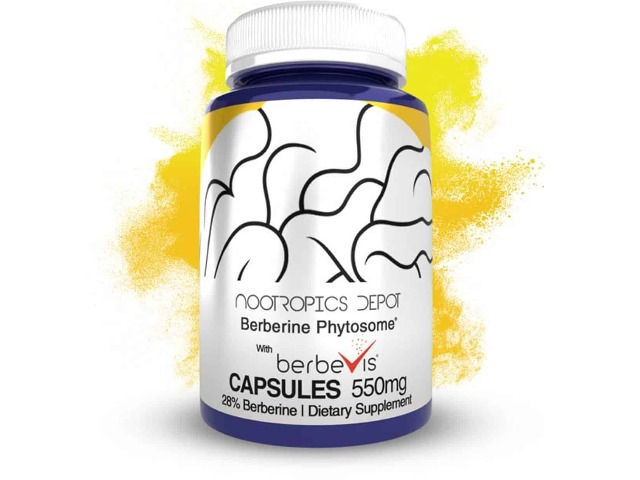
Dihydroberberine — the better-absorbed alternative: One well-known limitation of berberine is its poor oral bioavailability. Only about 5% of ingested berberine actually makes it into your bloodstream, which means you need relatively high doses (typically 1,000-1,500 mg/day) to see clinical effects. This is where dihydroberberine (DHB) enters the picture.
Dihydroberberine is a reduced form of berberine that is absorbed significantly better in the gut. Buchanan et al. (2021) published a study in Nutrients examining the absorption kinetics and found that DHB achieves comparable or superior plasma levels at roughly one-fifth the dose of standard berberine, with equivalent glycemic effects (PMID: 35010998). The original mechanistic work by Turner et al. (2008) in Diabetes also demonstrated that dihydroberberine retains the same AMPK-activating properties as its parent compound (PMID: 18285556).
From a practical standpoint, if you are interested in berberine for blood sugar support but have experienced GI side effects at therapeutic doses (a common complaint), DHB at 100-200 mg may give you the same metabolic benefits with significantly better tolerability.
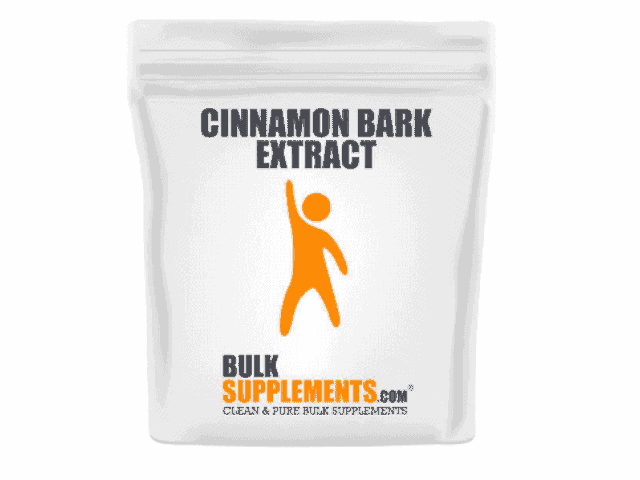
Cinnamon Extract: More Than a Kitchen Spice
Cinnamon is probably the most accessible blood sugar supplement — it is literally sitting in most people’s spice cabinets. But there is a significant gap between sprinkling cinnamon on your oatmeal and taking a standardized extract at clinical doses, and there are important distinctions between cinnamon types that most people miss.
Ceylon vs. Cassia: There are two primary types of cinnamon used in supplements. Cassia cinnamon (Cinnamomum cassia) is the cheaper, more common variety and contains relatively high levels of coumarin, a compound that can be hepatotoxic at high doses. Ceylon cinnamon (Cinnamomum verum) — sometimes called “true cinnamon” — contains negligible coumarin and is the safer choice for long-term supplementation.
The evidence: Hajimonfarednejad et al. (2019) published a clinical trial in Complementary Therapies in Medicine showing that cinnamon supplementation significantly reduced fasting blood glucose, HbA1c, and several anthropometric measures in patients with type 2 diabetes (PMID: 30935562). A more comprehensive review by Rashidi et al. (2025) in Nutrition Reviews analyzed cinnamon’s effects across multiple metabolic biomarkers and found consistent improvements in fasting glucose, insulin sensitivity, and lipid profiles (PMID: 38917435).
Cinnulin PF: The most well-studied cinnamon extract is Cinnulin PF, a water-soluble extract standardized to Type-A polymers — the bioactive compounds responsible for cinnamon’s insulin-sensitizing effects. Cinnulin PF has the advantage of concentrating the active constituents while removing the coumarin, making it both more effective and safer than whole cinnamon powder. Clinical trials using Cinnulin PF have demonstrated reductions in fasting blood glucose of approximately 8% over 12 weeks.
The mechanism appears to involve enhancement of insulin receptor signaling, increased glucose transporter (GLUT4) translocation to the cell surface, and inhibition of protein tyrosine phosphatase 1B (PTP1B), an enzyme that dampens insulin signaling.
Gymnema Sylvestre: The Sugar Destroyer
Gymnema sylvestre has one of the most fitting nicknames in herbal medicine: “gurmar,” which translates from Hindi as “sugar destroyer.” This is not just poetic license. When you place gymnema leaf on your tongue, it temporarily blocks your ability to taste sweetness — a direct demonstration of its interaction with sugar receptors.
The clinical evidence for gymnema dates back decades. Shanmugasundaram et al. (1990) published a study in the Journal of Ethnopharmacology demonstrating that gymnema leaf extract, given as an adjunct to insulin therapy in patients with insulin-dependent diabetes, significantly reduced fasting blood glucose and HbA1c. Some patients were even able to reduce their insulin dosages (PMID: 2259216). That was over 35 years ago, and subsequent research has largely confirmed these findings.
A comprehensive review by Khan et al. (2022) in the Journal of Ethnopharmacology synthesized the modern evidence and identified multiple mechanisms of action: gymnema’s gymnemic acids appear to stimulate insulin secretion from pancreatic beta cells, enhance peripheral glucose uptake, inhibit glucose absorption in the intestine, and may even promote beta cell regeneration (PMID: 34906636).
From a nootropic perspective, I find gymnema interesting not just for its blood sugar effects but for its potential to reduce sugar cravings. The same receptor-blocking mechanism that eliminates the taste of sweetness seems to reduce the hedonic reward from sugary foods, making it easier to adhere to a low-glycemic diet. If sugar cravings are a weak point in your diet — and they are for most people — gymnema is worth considering.
Bitter Melon (Momordica charantia): Traditional Promise, Mixed Modern Evidence
Bitter melon is one of the most widely used traditional remedies for blood sugar management across Asia, Africa, and South America. It contains several bioactive compounds, including charantin, vicine, and polypeptide-p (sometimes called “plant insulin”), that have demonstrated hypoglycemic activity in laboratory settings.
However, I want to be straightforward about the clinical evidence: it is mixed. Peter et al. (2020) conducted a systematic review and meta-analysis published in Complementary Therapies in Medicine that examined the hypoglycemic efficacy of bitter melon in type 2 diabetes patients. While some individual trials showed promising reductions in fasting blood glucose and HbA1c, the overall effect sizes were modest and not consistently statistically significant when pooled across studies (PMID: 32951763).
A more recent meta-analysis by Phimarn et al. (2024) in Heliyon found similarly equivocal results, with some improvements in glycemic markers but significant heterogeneity across trials (PMID: 38784554). The variation in preparation methods (juice, powder, extract), dosages, and study populations makes it difficult to draw firm conclusions.
My assessment: bitter melon likely has some genuine blood sugar-lowering activity, but the evidence is not nearly as strong or consistent as what we see for berberine or even cinnamon extract. If you enjoy bitter melon as a food (it is a staple in many cuisines), there is no reason to avoid it. But I would not rely on it as a primary blood sugar support supplement when better-studied options are available.
Banaba Leaf and Corosolic Acid: The GLUT4 Activator
Banaba leaf (Lagerstroemia speciosa) contains corosolic acid, a triterpene that has attracted research attention for its ability to enhance glucose uptake into cells. The mechanism is particularly interesting: corosolic acid appears to activate GLUT4, the glucose transporter protein responsible for insulin-mediated glucose uptake in muscle and fat tissue. In essence, it helps your cells pull glucose out of the bloodstream more efficiently.
Stohs et al. (2012) published a review in Phytotherapy Research examining the evidence for banaba and corosolic acid, finding that multiple clinical trials demonstrated reductions in blood glucose levels, typically in the range of 10-30% from baseline, with onset of effects within hours of ingestion (PMID: 22095937). The effect appears to be dose-dependent and most pronounced in individuals with elevated baseline glucose levels.
A more recent systematic review by Xu et al. (2021) in Phytomedicine provided a deeper mechanistic analysis, confirming that corosolic acid’s biological activities extend beyond GLUT4 activation to include anti-inflammatory, antioxidant, and lipid-lowering effects — all relevant to metabolic syndrome (PMID: 34456116).
Banaba leaf extract is often included in blood sugar support formulas at doses standardized to 1% corosolic acid. While the evidence is not as extensive as berberine’s, the mechanistic rationale is sound, and the clinical data, while limited in scale, is consistently positive.
Chromium: The Essential Trace Mineral
Chromium is an essential trace mineral that plays a role in insulin signaling, and chromium deficiency — which is more common than most people realize — can impair glucose metabolism. The most studied form for blood sugar support is chromium picolinate.
Suksomboon et al. (2015) published a systematic review and meta-analysis in Nutrition Journal examining the effects of chromium supplementation on glycated hemoglobin and fasting plasma glucose in diabetic patients. The results showed statistically significant reductions in both HbA1c and fasting glucose, though the effect sizes were modest compared to berberine (PMID: 25971249).
The mechanism involves chromium’s role as a cofactor for a molecule called chromodulin, which amplifies insulin receptor signaling. When chromium levels are adequate, insulin works more efficiently. When they are depleted — which can happen with high-sugar diets, stress, and aging — insulin sensitivity suffers.
I consider chromium a foundational supplement for metabolic health rather than a standalone blood sugar intervention. It is inexpensive, well-tolerated, and addresses a genuine nutritional gap for many people. But if you are looking for dramatic improvements in glycemic control, chromium alone is unlikely to deliver them. Think of it as a supporting player, not the lead.
Dosage Guide
Here are the clinically studied dosages for each compound. These are based on the doses used in the research cited above and should be discussed with a healthcare provider before starting, particularly if you are taking any medications.
- Berberine: 500 mg two to three times daily with meals (1,000-1,500 mg/day total). Start with 500 mg/day and increase gradually to minimize GI side effects.
- Dihydroberberine (DHB): 100-200 mg two to three times daily. Achieves comparable plasma levels to standard berberine at roughly one-fifth the dose.
- Cinnamon Extract (Cinnulin PF): 250-500 mg/day of a standardized extract. If using whole cinnamon powder, Ceylon cinnamon is preferred at 1-6 g/day, but standardized extracts are more reliable.
- Gymnema Sylvestre: 400-800 mg/day of a standardized extract (typically standardized to 25% gymnemic acids). Often divided into two doses taken before meals.
- Bitter Melon: 500-2,000 mg/day of dried fruit powder, or 50-100 mL/day of fresh juice. Evidence for optimal dosing is inconsistent.
- Banaba Leaf Extract: 32-48 mg/day standardized to 1% corosolic acid (equivalent to 0.32-0.48 mg corosolic acid).
- Chromium Picolinate: 200-1,000 mcg/day. Most studies showing significant effects used doses at the higher end of this range.
Safety Considerations
These are natural compounds, but “natural” does not mean “without risk.” Several important safety considerations deserve your attention.
Drug interactions with diabetes medications: This is the big one. If you are currently taking metformin, sulfonylureas, insulin, or any other blood sugar-lowering medication, adding compounds like berberine, gymnema, or cinnamon extract on top can potentially cause hypoglycemia (dangerously low blood sugar). Berberine in particular has effects comparable to metformin in magnitude, so combining the two without medical supervision is genuinely risky. Always consult your prescribing physician before adding any of these supplements to an existing diabetes medication regimen.
Berberine-specific concerns: Beyond the drug interaction risk, berberine can inhibit several cytochrome P450 enzymes (CYP3A4, CYP2D6), which means it may alter the metabolism of many pharmaceutical drugs — not just diabetes medications. Common side effects at therapeutic doses include GI discomfort, cramping, diarrhea, and constipation. These typically resolve with dose titration. Berberine is not recommended during pregnancy or breastfeeding.
Cinnamon and coumarin: If using Cassia cinnamon (as opposed to Ceylon cinnamon or Cinnulin PF extract), be aware of coumarin content. The European Food Safety Authority has established a tolerable daily intake of 0.1 mg coumarin per kg of body weight. High-dose Cassia supplementation can exceed this threshold and potentially cause liver stress. Ceylon cinnamon or standardized extracts avoid this issue entirely.
Hypoglycemia risk: Even without diabetes medications, stacking multiple blood sugar-lowering supplements together can theoretically push blood glucose too low, especially in the context of fasting, intense exercise, or a very low-carbohydrate diet. Start with one compound, assess your response, and add others incrementally if needed.
Who should consult a doctor before starting: Anyone with diagnosed diabetes (type 1 or type 2), anyone taking blood sugar-lowering medications, anyone with liver or kidney disease, pregnant or breastfeeding women, and anyone taking medications that may interact with CYP3A4 or CYP2D6 substrates (which covers a wide range of drugs). When in doubt, get a professional opinion.
Frequently Asked Questions
Can I take berberine instead of metformin?
While clinical trials have shown comparable glycemic effects, berberine is a dietary supplement with far less regulatory oversight and long-term safety data than metformin, which has been studied for decades in millions of patients. This is a decision that should only be made in close consultation with your physician. Never discontinue a prescribed medication based on supplement research alone.
How long does it take to see results from blood sugar supplements?
Most clinical trials run for 8-16 weeks before assessing outcomes. Berberine tends to show measurable effects on fasting blood glucose within 2-4 weeks, with HbA1c improvements requiring the full 12-week window (since HbA1c reflects a three-month average). Chromium and cinnamon tend to follow a similar timeline. Banaba leaf and corosolic acid may show acute effects within hours, but sustained benefits require consistent use.
Is it safe to stack multiple blood sugar supplements?
There is limited clinical research on combining these compounds. While individual safety profiles are generally favorable, stacking introduces cumulative hypoglycemic risk. If you want to combine supplements, start with one at a low dose, establish your baseline response, then add a second compound gradually. Monitor your blood glucose throughout the process, ideally with a continuous glucose monitor or at minimum with regular finger-stick testing.
Do I need these supplements if I eat well and exercise?
For most healthy individuals with normal blood sugar, a nutrient-dense diet and regular exercise are sufficient for glycemic control. These supplements are most relevant for individuals with prediabetes, metabolic syndrome, or difficulty controlling blood sugar through lifestyle alone. That said, some compounds like berberine have additional benefits (lipid support, gut health, AMPK activation) that may be valuable independent of their blood sugar effects.
Are there nootropic benefits to blood sugar supplements?
Indirectly, yes. By stabilizing blood sugar, you create a more consistent fuel supply for your brain, reducing the cognitive crashes that follow glycemic spikes. Berberine’s AMPK activation also has neuroprotective implications, and some research suggests it may support BDNF (brain-derived neurotrophic factor) expression. But these compounds are not nootropics in the traditional sense — their cognitive benefits come primarily through metabolic optimization.
My Take
Metabolic health is the foundation that everything else in cognitive optimization is built on. You can take all the racetams and adaptogens you want, but if your blood sugar is swinging wildly throughout the day, you are fighting an uphill battle against your own biochemistry.
My personal approach is straightforward. I prioritize a whole-foods diet with moderate carbohydrate intake, I exercise regularly (resistance training and walking), and I use a continuous glucose monitor periodically to keep myself honest about how my diet actually affects my blood sugar — not how I think it does. On the supplement side, berberine is the one compound in this category that I consider truly well-supported by clinical evidence. The head-to-head data against metformin is compelling, and I have personally noticed more stable energy levels and better afternoon focus since incorporating it.
I also keep Ceylon cinnamon extract on hand, primarily because the cost-to-benefit ratio is excellent and the safety profile is clean. Chromium is something I get through a high-quality multivitamin rather than a standalone supplement.
The bigger picture, though, is this: do not chase blood sugar supplements as a shortcut. Fix your diet first. Move your body. Sleep well. These compounds are meant to augment a solid metabolic foundation, not replace one. If you are doing the basics right and still struggling with blood sugar regulation, that is when the research behind these compounds becomes genuinely relevant — and when a conversation with your healthcare provider is most warranted.
This article is for informational purposes only and is not intended as medical advice. Always consult a qualified healthcare provider before starting any new supplement regimen, especially if you have diabetes, take medications, or have any underlying health condition.