
- Supports long-term brain health via BDNF upregulation and anti-amyloid activity
- Promotes healthy blood sugar levels and insulin sensitivity
- Provides antioxidant and anti-inflammatory neuroprotection
- May support memory and learning through cholinesterase inhibition
- Stimulates dopamine production via sodium benzoate metabolite
I’ll be honest — when I first started looking into cinnamon as a nootropic, I almost didn’t bother. It’s cinnamon. It goes in oatmeal and pumpkin spice lattes. How serious could it be?
Turns out, pretty serious. The animal research on Ceylon cinnamon’s neuroprotective effects is some of the most consistent I’ve seen for any natural compound. We’re talking BDNF upregulation, amyloid-beta reduction, dopamine stimulation — mechanisms that read like a wish list for long-term brain health. The catch? Almost none of it has been confirmed in human cognitive trials yet.
So this is a nuanced one. Let me walk you through what the science actually says, where the gaps are, and whether it deserves a spot in your stack.
The Short Version: Ceylon cinnamon (Cinnamomum verum) is a neuroprotective spice with remarkably strong animal evidence for supporting memory, reducing neuroinflammation, and protecting against age-related cognitive decline. Human trials for cognitive benefits are virtually nonexistent, but its metabolic effects (blood sugar regulation, insulin sensitivity) are well-documented. Best used as a long-term brain health foundation — not an acute focus booster. Always choose Ceylon over cassia to avoid coumarin toxicity.
What Is Cinnamomum Verum?
Here’s something most people don’t realize: the cinnamon sitting in your spice cabinet almost certainly isn’t true cinnamon. About 90% of what’s sold in the US is Cinnamomum cassia — Chinese or Vietnamese cinnamon. It’s cheaper, more pungent, and contains up to 1,250 times more coumarin (a liver-toxic compound) than the real thing.
Cinnamomum verum — literally “true cinnamon” — comes from the inner bark of an evergreen tree native to Sri Lanka. It’s been used medicinally for thousands of years, showing up in Chinese texts from 2700 BCE and Egyptian embalming practices. The ancient spice traders who risked their lives hauling it across oceans weren’t doing it for the flavor alone. They knew it had real physiological effects.
The distinction between Ceylon and cassia matters enormously for supplementation. Ceylon contains just 0.004% coumarin compared to cassia’s 1–5%. That’s the difference between a safe daily supplement and a potential liver problem. If you take one thing from this article, let it be this: always verify you’re getting Ceylon cinnamon when supplementing.
The key bioactive compounds include cinnamaldehyde (50–85% of the essential oil), type-A proanthocyanidins, eugenol, and cinnamic acid — each contributing to a different piece of the neuroprotective puzzle.
How Does Cinnamomum Verum Work?
The Sodium Benzoate Pathway — This Is the Key
Here’s where cinnamon gets genuinely interesting as a brain compound. When you eat cinnamon, your body converts cinnamaldehyde into cinnamic acid, which your liver then processes into sodium benzoate (NaB). NaB crosses the blood-brain barrier and does some remarkable things once it gets there.
Through PKA/CREB signaling, NaB upregulates BDNF (brain-derived neurotrophic factor) and NT-3 — two proteins that are essentially fertilizer for your neurons. BDNF promotes the growth, survival, and plasticity of brain cells. It’s the same pathway that exercise activates, and it’s one of the most validated targets in cognitive neuroscience. A study published in the Journal of Basic and Clinical Physiology and Pharmacology confirmed this upregulation in brain tissue following cinnamon administration.
NaB also stimulates dopamine production in the striatum — the brain region central to motivation, reward, and motor control. Research published in Frontiers in Pharmacology demonstrated this dopaminergic effect in animal models, which has implications for both cognitive drive and neurodegenerative conditions like Parkinson’s disease.
Think of it this way: your morning cinnamon supplement gets metabolized into a compound that tells your brain to grow new connections and produce more of the neurotransmitter responsible for motivation. That’s not a bad return on a spice.
The Anti-Amyloid and Anti-Tau Effects
Trans-cinnamaldehyde (TCA), the primary aromatic compound in cinnamon, has been shown to reduce amyloid-beta buildup by downregulating BACE1 — the enzyme that kickstarts amyloid plaque formation — through the SIRT1–PGC1α–PPARγ pathway. A 2020 study in the International Journal of Molecular Sciences demonstrated this in transgenic Alzheimer’s mice, where TCA treatment improved cognitive function and reduced amyloid deposits.
Cinnamon compounds also inhibit tau protein aggregation and reduce alpha-synuclein accumulation (the hallmark of Parkinson’s disease). These aren’t minor findings. Amyloid plaques, tau tangles, and Lewy bodies are the three major protein pathologies driving neurodegenerative disease.
Cholinergic and Metabolic Support
Cinnamon inhibits acetylcholinesterase (AChE), the enzyme that breaks down acetylcholine — your brain’s primary memory and learning neurotransmitter. This is the same mechanism targeted by Alzheimer’s drugs like donepezil, though cinnamon’s effect is much milder.
There’s also the metabolic angle. Cinnamon improves insulin sensitivity through the PI3K/Akt pathway. This matters for your brain because insulin resistance is increasingly linked to cognitive decline — researchers have even called Alzheimer’s “Type 3 diabetes.” By keeping your metabolic machinery running smoothly, cinnamon may be supporting cognitive function from a direction most people don’t consider.
Benefits of Cinnamomum Verum
What the Animal Research Shows (Strong)
A 2023 systematic review in Nutritional Neuroscience analyzed 40 studies and found that cinnamon significantly improved cognitive function across nearly all preclinical studies examined. That kind of consistency is unusual in supplement research. Specific findings include:
- Memory and learning improvements in Alzheimer’s rat models, with increased hippocampal neuron counts and improved cholinesterase inhibition at just 50 mg/kg of aqueous extract
- Near-complete prevention of memory impairment after traumatic brain injury, with decreased neuronal loss
- Reduced Parkinson’s pathology in transgenic mice — less alpha-synuclein, less glial activation, better motor and cognitive function
- Antidepressant-like effects in a 2024 mouse model study
- Enhanced antioxidant defenses — increased SOD, catalase, and glutathione peroxidase in cortical tissue
What the Human Research Shows (Limited)
Reality Check: Here’s where I have to be completely transparent. The Alzheimer’s Drug Discovery Foundation reports zero meta-analyses and zero clinical trials specifically examining cinnamon’s effects on cognitive function in humans. The animal data is exceptional. The human cognitive data barely exists. Of two clinical studies in the systematic review, one showed positive results (cinnamon gum chewing improved cognition in adolescents) and one showed nothing significant.
The human evidence is stronger for metabolic effects. A 2019 meta-analysis found cinnamon lowered fasting blood sugar by approximately 19 mg/dL in type 2 diabetes patients, and a 2025 systematic review confirmed benefits for cardiovascular risk markers. These metabolic improvements may indirectly support brain health, but we can’t yet say cinnamon definitively improves human cognition.
I’m including this compound in my own stack based on the strength of the mechanistic evidence and the excellent safety profile — but I want you to make that decision with your eyes open.
How to Take Cinnamomum Verum
Dosage ranges:
- Whole bark powder: 1–6 g/day (most commonly studied range)
- Standardized extract: 250–500 mg/day of a 20:1 concentrate like Cinnulin PF (equivalent to roughly 5–10 g of whole cinnamon)
- General supplementation sweet spot: 500–2,000 mg/day of Ceylon bark extract
Timing: Take with meals — this enhances absorption and helps blunt post-meal blood sugar spikes, which is one of the most immediately noticeable benefits. Split your dose across 2–3 meals rather than taking it all at once.
Forms matter. Cinnulin PF® is the most clinically studied extract, standardized to ≥1% type-A proanthocyanidin polymers. However, its water-based extraction process filters out cinnamaldehyde — meaning you’d miss the sodium benzoate pathway I described above. Whole bark powder retains the full spectrum of compounds, including cinnamaldehyde, but at lower concentrations. For comprehensive coverage, whole Ceylon bark extract is my preference.
Pro Tip: Start with 500 mg daily for the first week, then increase to your target dose. Give it a full 4–8 weeks before evaluating cognitive effects — the neuroprotective mechanisms (BDNF upregulation, anti-amyloid activity) are cumulative, not acute. If you’re primarily interested in blood sugar stability, you may notice effects within 2–4 weeks.
Cycling: There’s no established cycling protocol in the literature. Ceylon cinnamon’s negligible coumarin content makes continuous daily use safe for most people, which is another advantage over cassia. That said, I personally take weekends off most supplements just as a general practice.
Side Effects and Safety
Ceylon cinnamon has an excellent safety profile at recommended doses. The most common issue is mild GI irritation — some people notice stomach discomfort or mouth sores at higher doses, especially with powder forms. This typically resolves by reducing the dose or switching to capsules.
The real safety concern applies to cassia cinnamon, not Ceylon. Cassia contains 2–7% coumarin by dry weight. The European Food Safety Authority caps tolerable daily coumarin intake at 0.1 mg/kg body weight — roughly 6–9 mg for an average adult. At typical supplemental doses of cassia, you’d blow past that limit easily. Ceylon’s coumarin content (0.004%) makes this a non-issue.
Important: A 2024 Consumer Reports investigation found elevated lead levels in some cinnamon products. Always choose brands with third-party heavy metal testing. Additionally, 2025 research from the University of Mississippi found that cinnamaldehyde can activate receptors that accelerate the metabolic clearance of certain prescription drugs, potentially reducing their effectiveness. If you’re on medication, discuss cinnamon supplementation with your doctor.
Drug interactions to watch:
- Diabetes medications (insulin, metformin, sulfonylureas) — cinnamon may enhance blood sugar lowering; monitor glucose closely
- Blood thinners (warfarin, aspirin) — primarily a concern with cassia’s coumarin content
- Hepatotoxic drugs — avoid combining with cassia
Who should avoid it: People with liver disease should use only Ceylon and consult their doctor. Stop supplementation 2 weeks before scheduled surgery. Pregnant and nursing women should stick to culinary amounts — supplemental doses lack safety data.
Stacking Cinnamomum Verum
Cinnamon’s multi-pathway activity makes it a natural stacking partner. Here are the combinations that make the most scientific sense:
Cinnamon + Berberine — This is probably the strongest pairing. Berberine activates AMPK (your cellular energy sensor) while cinnamon works through insulin receptor sensitization. Two completely different mechanisms targeting the same outcome: better metabolic function. You’ll find this combination in numerous commercial formulations, and for good reason.
Cinnamon + Lion’s Mane — Both upregulate neurotrophic factors, but through different pathways. Cinnamon boosts BDNF via the sodium benzoate/CREB route; Lion’s Mane stimulates NGF through erinacines and hericenones. Together, you’re covering two of the most important growth factors for brain health.
Cinnamon + Bacopa Monnieri — Cinnamon’s mild AChE inhibition complements Bacopa’s cholinergic enhancement for a comprehensive memory support approach. Both require consistent long-term use, so they pair well philosophically too.
Cinnamon + Alpha-Lipoic Acid — ALA is a potent antioxidant that independently supports insulin regulation. Combined with cinnamon’s polyphenols, you get robust antioxidant coverage across both water-soluble and fat-soluble compartments.
Cinnamon + Curcumin — Both are anti-inflammatory and anti-amyloid. Curcumin has more human data for brain health but famously poor bioavailability. Adding piperine to this stack enhances curcumin absorption significantly.
Important: Be cautious about stacking cinnamon with multiple blood-sugar-lowering supplements simultaneously. Combining berberine, cinnamon, fenugreek, and gymnema together could push blood sugar too low, especially if you’re also on diabetes medication.
My Take
I think of Ceylon cinnamon the way I think of exercise for the brain — the mechanisms are solid, the safety profile is excellent, the cost is minimal, and even if the dramatic cognitive benefits seen in animals only partially translate to humans, you’re still getting meaningful metabolic and antioxidant support.
Is this going to give you a noticeable cognitive boost on day one? No. If you’re looking for an acute focus enhancer, you’re in the wrong aisle. But if you’re playing the long game — building a foundation for brain health over years and decades — the convergence of BDNF upregulation, anti-amyloid activity, dopamine support, and metabolic improvement is hard to ignore.
The honest assessment: the lack of human cognitive trials is a real gap. I can’t look you in the eye and say “this will make you sharper” based on the current evidence. What I can say is that the mechanistic story is compelling, the animal data is unusually consistent, the metabolic benefits are well-established in humans, and there’s essentially zero downside at recommended doses of the Ceylon variety.
In my own stack, I take 1,000 mg of Ceylon cinnamon bark extract daily, split between breakfast and lunch. I pair it with Lion’s Mane and berberine. I don’t notice an acute effect, and I’m not expecting one. I’m betting on the cumulative neuroprotective mechanisms paying off over time — the same way I “bet” on exercise even though I don’t feel smarter after a single run.
If you decide to try it, remember: Ceylon only, buy from brands that test for heavy metals, start at 500 mg daily, and give it at least two months before evaluating. And make sure your foundations — sleep, gut health, stress management — are dialed in first. The fanciest supplement in the world can’t outrun a broken foundation.
Recommended Ceylon Cinnamon Products
I know how frustrating it is to sort through dozens of brands making the same claims. These are the ones I've personally vetted — because quality is the difference between results and wasted money.
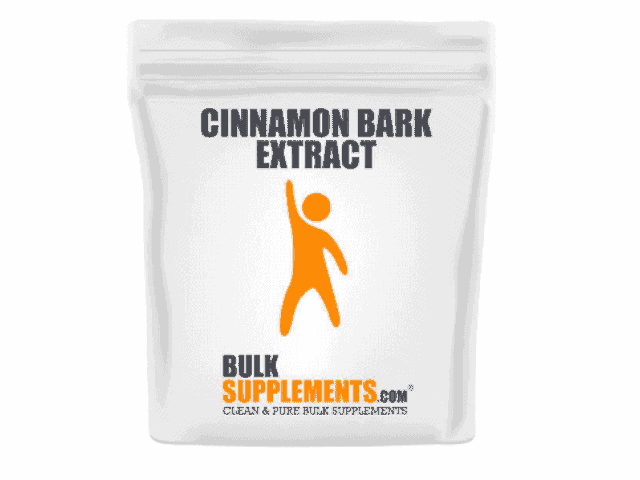
Disclosure: These are affiliate links. I earn a small commission if you purchase — at no extra cost to you. I only recommend products I personally use or have thoroughly researched.