
- Blood sugar regulation
- Cholesterol and lipid profile improvement
- Insulin sensitivity support
- Anti-inflammatory activity
- Gut microbiome modulation
- AMPK activation
- Preliminary neuroprotective potential
I’ll be honest — I didn’t come to berberine looking for a nootropic. I came to it because my fasting blood sugar was creeping into a range that made my functional medicine doctor raise an eyebrow, and I was determined to avoid metformin if I could help it.
What I didn’t expect was how much better my brain would feel once my metabolism got dialed in. Steady energy. Fewer afternoon crashes. That low-grade mental fog I’d blamed on aging? Gone within about six weeks.
That’s the thing about berberine — it’s not a flashy cognitive enhancer that you feel in an hour. It’s a metabolic workhorse that quietly fixes the foundation your brain runs on. And the research behind it is genuinely impressive.
The Short Version: Berberine hydrochloride is a plant-derived alkaloid with strong clinical evidence for blood sugar regulation, cholesterol improvement, and insulin sensitivity — comparable to metformin in some studies. Its cognitive benefits are currently supported only by animal research, but its metabolic effects indirectly support brain health by improving energy regulation, reducing inflammation, and modulating the gut-brain axis. Best for people dealing with metabolic issues that are dragging down their mental performance.
What Is Berberine Hydrochloride?
Berberine is a bright-yellow alkaloid found in several medicinal plants — most notably barberry (Berberis vulgaris), Chinese goldthread (Coptis chinensis), goldenseal (Hydrastis canadensis), and Oregon grape (Mahonia aquifolium). The hydrochloride salt form (berberine HCl) is the most common supplement form because it dissolves better in water, which helps with absorption.
This isn’t some newly discovered compound. Berberine-containing plants have been used in traditional Chinese, Ayurvedic, and Persian medicine for over 3,000 years — primarily for diarrhea, infections, and inflammation. The oldest recorded mention dates to around 650 BC, on clay tablets from the library of Assyrian emperor Ashurbanipal, where barberry was described as a “blood purifying agent.” The compound itself was first isolated by chemists Buchner and Herberger in 1830.
What’s changed is our understanding of why it works. Over the last two decades, researchers have identified berberine as one of the most potent natural activators of AMPK — an enzyme that acts as a master metabolic switch in your body. That discovery put berberine on the map as a serious contender for metabolic health, and the clinical trials have been rolling in ever since.
How Does Berberine Hydrochloride Work?
Think of AMPK as your body’s energy accountant. When it’s activated, it sends signals to burn stored fat, pull glucose out of your blood, and generally shift your metabolism from “storage mode” into “use-it mode.” This is the same pathway that metformin — the world’s most prescribed diabetes drug — activates. Berberine just does it without a prescription.
Here’s where the science gets interesting. Berberine works through multiple mechanisms simultaneously:
The metabolic engine. Berberine activates AMPK, which triggers a cascade of downstream effects: it increases GLUT4 transporters on cell surfaces (helping cells pull glucose out of the blood without needing more insulin), upregulates LDL receptors in the liver (clearing bad cholesterol faster), and inhibits fatty acid synthesis by shutting down acetyl-CoA carboxylase. In plain English — it helps your body use sugar better, clear cholesterol faster, and store less fat.
The neurotransmitter angle. In animal studies, berberine acts as a mild monoamine oxidase (MAO) inhibitor, which increased norepinephrine by 31%, serotonin by 47%, and dopamine by 31% after acute dosing. Chronic administration bumped dopamine up by 52%. It also inhibits acetylcholinesterase, potentially boosting acetylcholine availability. These are encouraging numbers, but I need to be clear — this is animal data, not human trials.
The gut-brain connection. This is the piece that fascinates me most. Berberine significantly remodels the gut microbiome, promoting growth of beneficial bacteria like Akkermansia, Bifidobacterium, and Lactobacillus while reducing pathogenic strains. These changes increase short-chain fatty acid (SCFA) production, which enhances BH4 synthesis — a cofactor needed for tyrosine hydroxylase, the enzyme that makes dopamine. So berberine may boost dopamine production through your gut bacteria. That’s the gut-brain axis in action.
Reality Check: The metabolic benefits of berberine are backed by dozens of human clinical trials and multiple meta-analyses. The cognitive and mood benefits? Still entirely in the animal-study phase. No human RCTs exist for cognitive endpoints. The Alzheimer’s Drug Discovery Foundation has explicitly stated there is no clinical evidence that berberine is neuroprotective in humans. If you’re buying berberine expecting a nootropic effect on par with Bacopa or Lion’s Mane, recalibrate your expectations.
Benefits of Berberine Hydrochloride
Blood Sugar Regulation — The Strongest Evidence
This is berberine’s home turf. A meta-analysis of 46 randomized controlled trials found that berberine significantly reduced HbA1c (by 0.73%), fasting plasma glucose, and post-meal blood sugar in type 2 diabetes patients. To put that in perspective, a landmark 2008 RCT found that 500mg of berberine taken three times daily performed comparably to metformin in newly diagnosed diabetics — dropping HbA1c from 9.5% down to 7.5%.
A 2025 RCT also showed that berberine (1,200mg/day) combined with cinnamon (600mg/day) significantly improved fasting blood sugar, HbA1c, and LDL cholesterol over 12 weeks compared to placebo. The combination approach is worth paying attention to.
Cholesterol and Lipid Improvement
A meta-analysis of 16 RCTs with over 2,100 participants found berberine significantly reduced total cholesterol, LDL cholesterol, and triglycerides while modestly increasing HDL. This is actually where berberine has an edge over metformin — metformin doesn’t improve lipid profiles. If metabolic health is your concern, berberine is pulling double duty.
Insulin Sensitivity
In type 2 diabetes patients, berberine reduced fasting insulin by 28% and HOMA-IR (a measure of insulin resistance) by nearly 45%. Insulin resistance is increasingly recognized as a driver of brain fog, neuroinflammation, and cognitive decline — so fixing it isn’t just a metabolic win.
Anti-Inflammatory and Gut Health
Human studies confirm that berberine reduces inflammatory markers like CRP, IL-6, and TNF-alpha in metabolic contexts. It also reshapes the gut microbiome in ways that increase SCFA production and support healthy gut-brain signaling. These aren’t flashy benefits, but chronic low-grade inflammation is one of the biggest silent saboteurs of cognitive performance.
Neuroprotection and Cognitive Function — A Caveat
Animal models show berberine improving outcomes in Alzheimer’s disease, vascular dementia, and diabetic cognitive decline — through mechanisms including reduced beta-amyloid accumulation, NF-kB inhibition, and enhanced BDNF via sigma-1 receptor activation. However, there are zero human trials for these endpoints, and no trials are currently planned.
Important: Some preclinical research suggests berberine may actually accelerate brain cell death when started after neurological damage has already occurred — in models of Parkinson’s, hypoxia, and neurotoxin injury. This doesn’t mean berberine is dangerous for healthy brains, but it’s a finding that deserves your awareness, especially if you’re considering it for post-injury recovery.
How to Take Berberine Hydrochloride
Dosage: The standard protocol across clinical trials is 500mg taken two to three times daily, for a total of 900–1,500mg per day. Some studies go up to 2,000mg, but there’s little evidence that higher is better, and it definitely increases GI side effects.
Timing: Always take it with meals. This isn’t optional. Taking berberine with food enhances absorption and takes advantage of post-meal glucose and lipid spikes — which is exactly when you want it working. Splitting doses across breakfast, lunch, and dinner is far more effective than taking the full amount at once.
Starting protocol: Begin at 500mg once daily for the first week. If your gut handles it well, bump to 500mg twice daily, then three times daily if targeting full metabolic support. Rushing the ramp-up is the number one reason people quit berberine — the GI effects hit hard if you go too fast.
Forms matter more than you’d think:
- Berberine HCl is the standard form. Effective, but oral bioavailability is only around 5% due to intestinal metabolism.
- Dihydroberberine (DHB) offers roughly 5x better bioavailability. A 200mg dose of DHB achieves similar blood levels to 1,000mg of standard berberine HCl, with fewer GI issues. If GI tolerance is a problem, this is the move.
- Berberine phytosome uses a phospholipid complex for improved absorption — typically dosed at 550mg once or twice daily.
- Berberine + silymarin combos enhance berberine’s bioavailability while adding liver-protective benefits.
Pro Tip: Berberine’s effects are cumulative, not acute. You won’t feel a difference day one. Blood sugar improvements are measurable within a week, lipid changes take 8–12 weeks, and any cognitive or mood shifts are gradual and subtle. Get baseline bloodwork before you start so you have actual data to compare — that’s the only reliable way to know it’s working.
Cycling: Clinical trials typically run 8–16 weeks continuously with no issues. Some practitioners recommend cycling 8 weeks on, 2 weeks off, but there’s no hard evidence requiring it. I personally run it in 12-week blocks aligned with my bloodwork schedule.
Side Effects and Safety
GI effects are the main complaint. About 35% of people in clinical trials experienced diarrhea, constipation, gas, nausea, or cramping. The good news — it’s almost always transient, resolving within 2–4 weeks as your gut adjusts. Starting low and ramping up slowly makes a big difference.
Hypoglycemia risk is real. If you’re already on diabetes medications (metformin, insulin, sulfonylureas), combining berberine without medical supervision can drive blood sugar dangerously low. Work with your doctor.
Drug interactions are significant. Berberine inhibits CYP3A4 and CYP2D6 liver enzymes, which means it can increase blood levels of many common drugs. The most dangerous interaction is with cyclosporine — berberine can dramatically elevate cyclosporine levels. It also interacts with statins, some SSRIs, calcium channel blockers, warfarin, and antihypertensives. If you’re on any prescription medications, talk to your prescriber before starting berberine. This isn’t the usual supplement disclaimer — berberine’s enzyme inhibition is pharmacologically relevant.
Important: Berberine is absolutely contraindicated during pregnancy and breastfeeding — it crosses the placenta and can displace bilirubin in newborns, potentially causing serious harm. Discontinue at least 2 weeks before any surgery due to blood sugar effects.
Quality control is a real problem. Independent testing found that 9 out of 15 berberine products contained only 33–89% of their claimed berberine content. Another analysis found 7 out of 33 samples had less than 1% of stated potency. Look for products with third-party testing from NSF, USP, or ConsumerLab, and a certificate of analysis showing minimum 97% purity.
Stacking Berberine Hydrochloride
Synergistic Combinations
Berberine + Silymarin (Milk Thistle) — This is the most validated pairing. Silymarin enhances berberine’s bioavailability while providing complementary liver protection. Several supplement companies now offer this as a pre-made combo for good reason.
Berberine + Cinnamon — The 2025 RCT data backs this for blood sugar and LDL reduction. A solid metabolic stack.
Berberine + Alpha-Lipoic Acid — Both activate AMPK through different mechanisms, with complementary antioxidant activity. A reasonable stack for metabolic and neuroprotective goals.
Berberine + Curcumin — Complementary anti-inflammatory pathways. Longvida or other enhanced-bioavailability curcumin forms pair best.
For Nootropic Goals
Berberine + Polygala tenuifolia — Berberine handles the metabolic foundation while Polygala provides more direct cognitive stimulation.
Berberine + 7,8-DHF — Berberine’s sigma-1 receptor activity may pair well with 7,8-DHF’s TrkB agonism for neuroplasticity support. Theoretical but mechanistically sound.
What NOT to Combine
- Metformin — without medical supervision. Additive hypoglycemia risk.
- Cyclosporine — dangerous. Berberine dramatically increases cyclosporine blood levels.
- Grapefruit juice — both inhibit CYP3A4, compounding the enzyme inhibition.
- CYP3A4-metabolized statins — without medical guidance. Increased risk of statin side effects like myopathy.
My Take
Berberine is in my permanent rotation, and it’s one of the supplements where I can actually see the results on my lab work. My fasting glucose dropped 15 points within the first six weeks, my triglycerides came down, and my HOMA-IR improved meaningfully. Those aren’t subjective vibes — that’s data.
As a nootropic? I’m cautiously optimistic but intellectually honest. I do notice more stable energy and fewer cognitive dips throughout the day when I’m taking berberine consistently. But I can’t tell you whether that’s a direct neurotransmitter effect or simply what happens when your blood sugar stops rollercoastering. Probably the latter. And honestly, that’s fine — metabolic stability is cognitive performance for most people.
Here’s who I think berberine is best for: anyone whose brain fog, fatigue, or cognitive inconsistency tracks with metabolic issues — prediabetes, insulin resistance, high triglycerides, post-meal crashes, or the general metabolic dysfunction that comes with the standard American diet. If that’s you, berberine might be the single most impactful supplement you try this year.
Who should look elsewhere? If your metabolic markers are already solid and you’re looking for a direct cognitive enhancer, berberine probably isn’t your first pick. Start with Lion’s Mane, Bacopa, or CDP-Choline instead.
One last thing — invest in a quality product. The supplement-industry testing data on berberine is genuinely alarming. Spring for a third-party tested brand and don’t cheap out. A berberine supplement that contains a third of what’s on the label isn’t saving you money — it’s wasting it.
Recommended Berberine Products
I know how frustrating it is to sort through dozens of brands making the same claims. These are the ones I've personally vetted — because quality is the difference between results and wasted money.
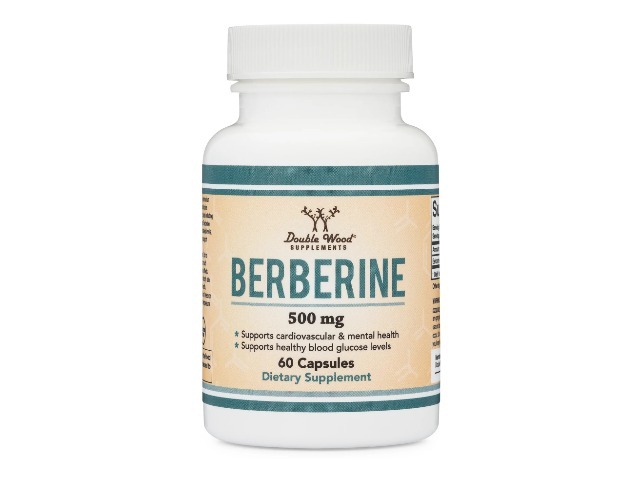
Berberine by Doublewood Supplements
Shop Now →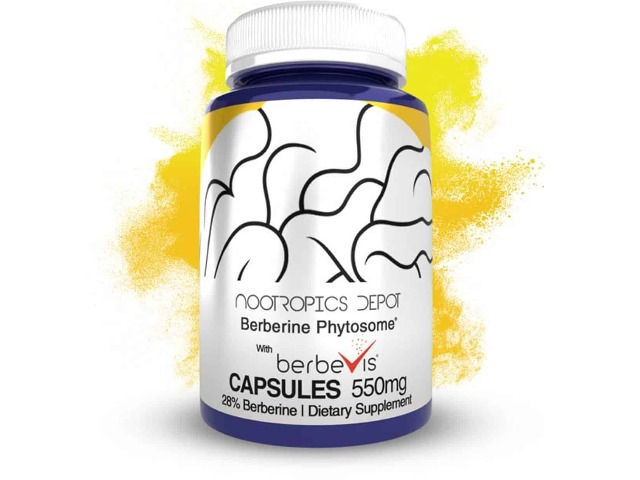
Berberine Phytosome by Nootropics Depot
Shop Now →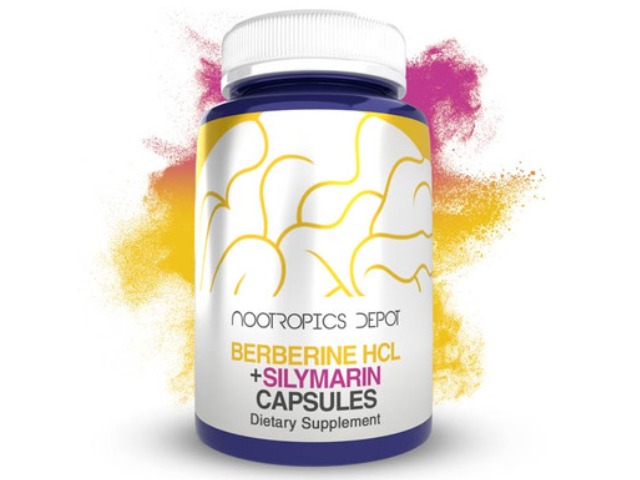
Nootropics Depot Berberine Hcl + Silymarin Tablets
Shop Now →Disclosure: These are affiliate links. I earn a small commission if you purchase — at no extra cost to you. I only recommend products I personally use or have thoroughly researched.
Research & Studies
This section includes 8 peer-reviewed studies referenced in our analysis.