
I spent the better part of two years chasing the “perfect” nootropic stack — cycling through racetams, experimenting with cholinergics, optimizing every variable I could measure. And you know what quietly outperformed most of it? Mushrooms. Not the kind that send you to another dimension (though we’ll get to that), but the humble, legal, well-researched functional fungi that have been used in traditional medicine for literally thousands of years.
The problem is that the mushroom supplement market in 2026 is a minefield. Mycelium-on-grain fillers masquerading as “Lion’s Mane.” Reishi products with undetectable beta-glucan levels. Brands slapping “mushroom complex” on a label with zero third-party testing. If you’ve tried a mushroom supplement and felt nothing, there’s a good chance you got a bad product — not that mushrooms don’t work.
This guide is here to fix that. I’ll walk you through the five most evidence-backed nootropic mushrooms, what they actually do in the brain, how to dose them, and how to avoid wasting your money.
The Short Version: Lion’s Mane is the king of nootropic mushrooms for neurogenesis and cognition. Cordyceps delivers mental energy. Reishi calms the nervous system. Chaga and Maitake round out the stack with neuroprotective and metabolic support. Start with Lion’s Mane alone, then build from there. Fruiting body extracts with verified beta-glucan content are non-negotiable.
Why Mushrooms Deserve a Spot in Your Nootropic Stack (And Why Most People Get Them Wrong)
Here’s what makes mushrooms genuinely different from most nootropic compounds: they don’t just tweak neurotransmitter levels. The best nootropic mushrooms work on structural brain health — promoting nerve growth factor, supporting neurogenesis, modulating inflammation at the cellular level, and protecting neurons from oxidative damage.
That’s a fundamentally different mechanism than, say, L-Theanine smoothing out your caffeine jitters or Bacopa Monnieri enhancing memory consolidation. Mushrooms are playing a longer game.
The catch? Most people either buy garbage products or give up after two weeks when they don’t feel like Bradley Cooper in Limitless. Mushroom nootropics — especially Lion’s Mane — often take 4-8 weeks of consistent use before cognitive benefits become noticeable. This isn’t a racetam. Patience is part of the protocol.
Reality Check: Mushrooms are not going to replace your foundational health habits. If your sleep is wrecked, your gut is inflamed, and you’re running on caffeine and cortisol, no mushroom supplement will fix that. Get the basics dialed in first — then mushrooms become a powerful force multiplier.
Mushrooms Are Not Plants (And That Matters)
Fungi comprise their own biological kingdom, genetically closer to animals than plants. They don’t photosynthesize — they metabolize decaying organic matter. This unique biology produces compounds you simply can’t get from herbs: beta-glucans, hericenones, erinacines, triterpenoids, and cordycepin, among others.
These compounds interact with the human immune system and nervous system in ways that plant-based nootropics don’t. That’s not a knock on botanicals — Rhodiola Rosea and Ashwagandha are phenomenal adaptogens. But mushrooms occupy a unique niche in the nootropic toolkit.
The Big Five: Nootropic Mushrooms Ranked by Evidence
| Mushroom | Primary Nootropic Benefit | Strength of Evidence | Best For |
|---|---|---|---|
| Lion’s Mane | Neurogenesis, NGF production | Strong (multiple human RCTs) | Memory, cognitive decline, focus |
| Cordyceps | Mental energy, oxygen utilization | Moderate (human + animal studies) | Fatigue, endurance, brain fog |
| Reishi | Anxiety reduction, sleep quality | Moderate (human + traditional use) | Stress, sleep, emotional balance |
| Chaga | Antioxidant neuroprotection | Emerging (mostly animal/in vitro) | Oxidative stress, inflammation |
| Maitake | Metabolic and immune support | Emerging (human + animal studies) | Blood sugar balance, immune health |
Lion’s Mane — The Neurogenesis Powerhouse
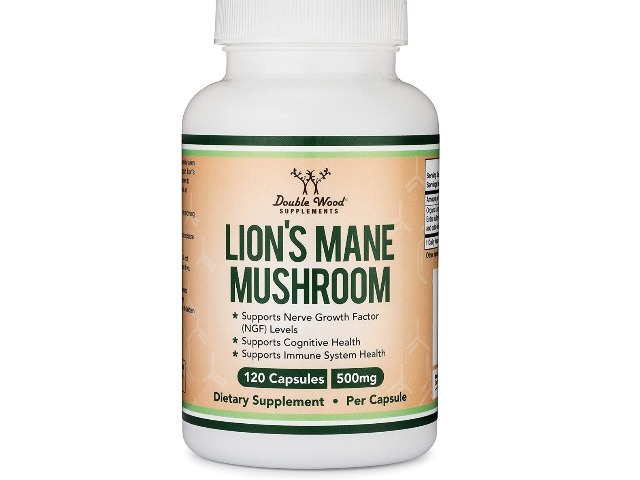
If you only take one nootropic mushroom, make it Lion’s Mane. No other legal, over-the-counter compound has this level of evidence for actually growing new brain cells.
What the Science Says
The signature mechanism of Lion’s Mane is stimulating nerve growth factor (NGF) through two unique compound classes: hericenones (found in the fruiting body) and erinacines (found in the mycelium). NGF is critical for the survival, maintenance, and regeneration of neurons — essentially the brain’s repair and growth signal.
In a landmark 2009 study published in Phytotherapy Research, 30 Japanese adults with mild cognitive impairment took 3,000 mg/day of Lion’s Mane powder for 16 weeks. The mushroom group showed significantly improved cognitive function scores compared to placebo at weeks 8, 12, and 16. However — and this is important — cognitive scores declined again after supplementation stopped, suggesting ongoing use is needed.
More recently, a 2024 pilot study in Nutrients tested Lion’s Mane in frail elderly adults and found it improved recognition memory and induced hippocampal and cerebellar neurogenesis — actual structural brain changes visible on imaging. That’s remarkable for a dietary supplement.
A 2023 double-blind study in Nutrients also showed that young healthy adults taking Lion’s Mane demonstrated reduced stress and improved cognitive performance compared to placebo, suggesting benefits aren’t limited to older populations with cognitive decline.
How to Dose Lion’s Mane
- Standard dose: 500-1,000 mg of a standardized fruiting body extract (minimum 30% beta-glucans), taken 1-2 times daily
- Higher dose (based on clinical trials): Up to 3,000 mg/day of whole mushroom powder
- Timing: Morning or early afternoon — some users report mild stimulation
- Onset: Expect 4-8 weeks for noticeable cognitive effects. Acute stress reduction may occur sooner.
Insider Tip: The extract vs. whole powder distinction matters enormously. A 500 mg extract standardized to 30%+ beta-glucans can be more potent than 3,000 mg of unstandardized powder. Always check the supplement facts panel for beta-glucan content.
What to Buy
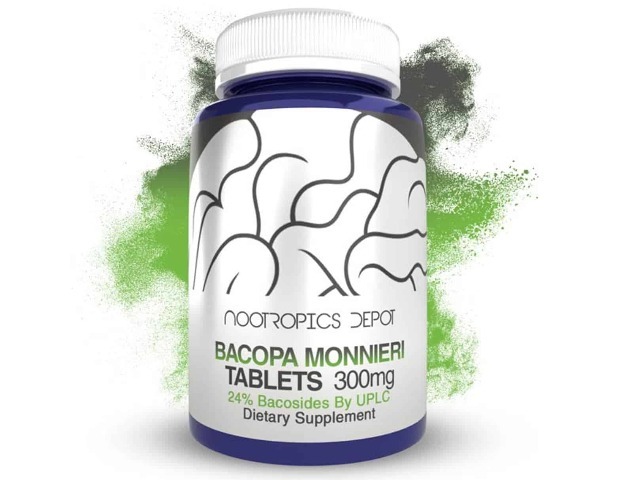
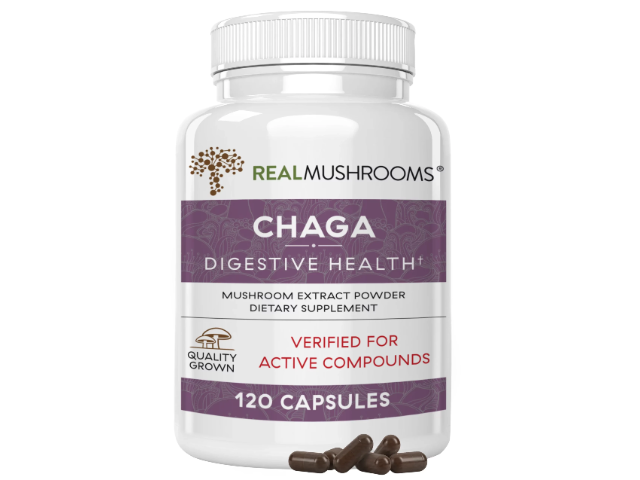
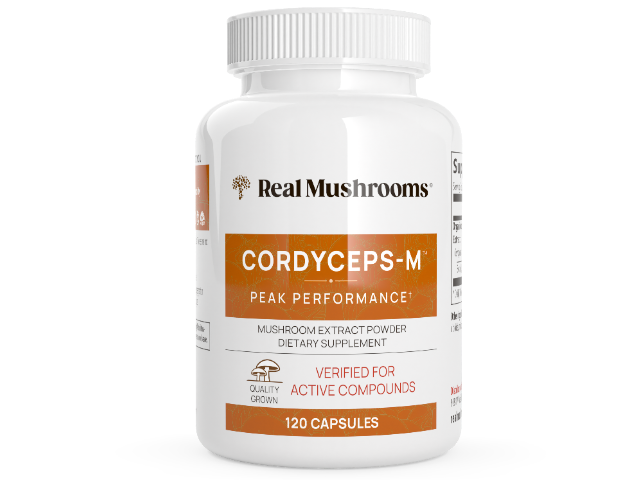
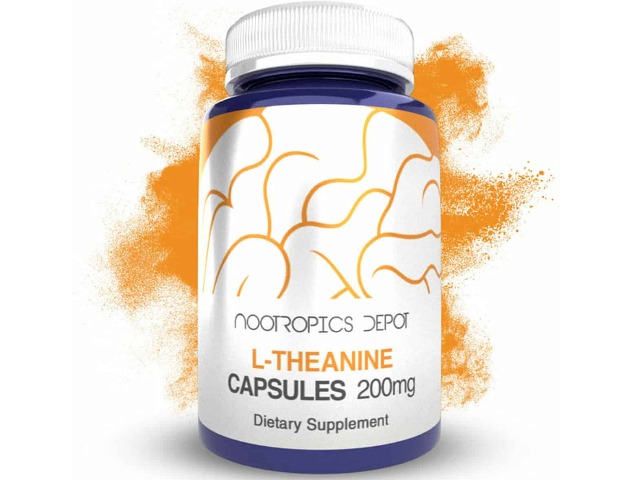
Look for fruiting body extracts with verified beta-glucan content. Mycelium-on-grain products (the kind grown on rice or oats) often contain significant starch filler and lower active compound concentrations. Brands like Nootropics Depot and Real Mushrooms use fruiting body and publish third-party test results. Avoid anything that doesn’t list beta-glucan percentages on the label.
Cordyceps — Your Brain’s Energy Upgrade
If Lion’s Mane is the architect, Cordyceps is the power plant. This mushroom has a long history in Traditional Chinese Medicine for vitality and endurance, and modern research is catching up.
What the Science Says
Cordyceps works primarily through cordycepin and adenosine analogs that improve cellular energy production and oxygen utilization. A 2010 double-blind trial published in the Journal of Alternative and Complementary Medicine found that older adults taking Cs-4 (a standardized Cordyceps sinensis extract) for 12 weeks showed improved VO2 max and exercise tolerance — a meaningful proxy for both physical and mental energy capacity.
A 2017 study in the Journal of Dietary Supplements confirmed that Cordyceps militaris supplementation improved tolerance to high-intensity exercise after just one week, with greater effects after three weeks of chronic supplementation.
For brain-specific applications, the mental energy benefits appear to stem from improved mitochondrial function and blood oxygenation — when your cells produce energy more efficiently, your brain runs better. Animal studies also show Cordyceps supports learning, memory, and brain plasticity, though human cognitive trials are still catching up.
How to Dose Cordyceps
- Standard dose: 500-1,000 mg of Cordyceps militaris fruiting body extract daily
- Performance dose: 1,000-3,000 mg/day (based on exercise studies)
- Timing: Morning or pre-workout. Avoid late evening — it can be mildly stimulating.
- Note: Cordyceps militaris (cultivated) has stronger evidence than wild Cordyceps sinensis and is far more affordable.
Pro Tip: If you’re dealing with chronic brain fog or mental fatigue, Cordyceps paired with Lion’s Mane is one of the most effective nootropic mushroom stacks I’ve personally tested. The energy support from Cordyceps fills the gap while Lion’s Mane does its slower neurogenesis work.
Reishi — The Calming Counterbalance
Every good nootropic stack needs a yin to its yang. Reishi is the mushroom you reach for when the goal isn’t more stimulation — it’s better regulation.
What the Science Says
Reishi (Ganoderma lucidum) has been prescribed in Traditional Chinese Medicine for over 2,000 years to “calm the mind and balance Qi.” Modern research points to triterpenoids and polysaccharides as the primary active compounds, with mechanisms involving GABAergic modulation and immune system regulation.
A 2007 study in Pharmacology, Biochemistry and Behavior demonstrated that Reishi extract potentiated pentobarbital-induced sleep via a GABAergic mechanism — meaning it directly interacts with the brain’s primary calming neurotransmitter system. This isn’t placebo-grade relaxation. It’s pharmacologically measurable.
Reishi’s anti-inflammatory properties, documented in a 2016 review in Integrative Cancer Therapies, also have indirect cognitive benefits. Chronic neuroinflammation is a driver of brain fog, mood disorders, and cognitive decline. By modulating the immune-inflammation axis, Reishi supports the kind of calm clarity that stimulant-based nootropics can’t provide.
How to Dose Reishi
- Standard dose: 500-1,500 mg of a dual-extracted (hot water + alcohol) fruiting body extract
- Sleep support: Take 30-60 minutes before bed
- Daytime calm: Lower doses (500 mg) can be taken with morning mushroom stacks without causing drowsiness
- Onset: Sleep quality improvements often noticed within 1-2 weeks. Mood and stress resilience may take 4-6 weeks.
When Reishi Really Shines
Reishi is the ideal nootropic mushroom for people whose cognitive issues stem from anxiety, poor sleep, or chronic stress rather than pure “processing speed” deficits. If you’re the kind of person who lies awake at 2 AM with racing thoughts, Reishi will likely do more for your daytime cognition than another stimulant ever could.
Chaga — The Neuroprotective Antioxidant
Chaga (Inonotus obliquus) doesn’t get as much nootropic press as Lion’s Mane, but it plays an important supporting role — especially for long-term brain health.
What the Science Says
Chaga is one of the most potent natural antioxidants ever measured, with an ORAC score that dwarfs most berries and superfoods. A 2005 study in Mycobiology demonstrated that Chaga water extract has significant immunomodulating activity, while a 2016 study in Heliyon showed it suppressed cancer progression in animal models.
For the brain specifically, the case for Chaga is built on its anti-inflammatory and antioxidant properties. Oxidative stress and chronic low-grade inflammation are two of the biggest drivers of age-related cognitive decline. By neutralizing free radicals and modulating inflammatory signaling, Chaga helps create the biological conditions under which the brain can maintain itself.
Reality Check: The direct nootropic evidence for Chaga is still mostly preclinical — animal and in vitro studies. I wouldn’t take Chaga expecting acute cognitive enhancement. But as a long-term neuroprotective strategy stacked alongside Lion’s Mane or Cordyceps, the mechanistic rationale is solid.
How to Dose Chaga
- Standard dose: 500-1,000 mg of hot water-extracted Chaga daily
- Tea form: Chaga tea (simmered chunks) is traditional and effective, though less standardized
- Timing: Any time of day — Chaga is not stimulating or sedating
- Key consideration: Wild-harvested Chaga (grown on birch trees) is considered superior to cultivated varieties due to higher concentrations of betulinic acid and melanin.
Maitake — The Metabolic Brain Supporter
Maitake (Grifola frondosa) is often overlooked in the nootropic conversation, but its metabolic and immune benefits have meaningful downstream effects on cognitive performance.
What the Science Says
Maitake’s standout compound is D-fraction, a bioactive beta-glucan with well-documented immune-modulating properties. A 2015 study in the International Journal of Medicinal Mushrooms found that Maitake extracts improved immune cell function in Type 2 diabetes patients — relevant because metabolic dysfunction and insulin resistance are increasingly linked to cognitive decline and even Alzheimer’s risk.
A 2010 study in the Journal of Alternative and Complementary Medicine also found that Maitake extract improved hormonal markers in women with PCOS, demonstrating its broad metabolic-regulatory effects.
The brain connection? Blood sugar instability is one of the most common — and most underdiagnosed — causes of brain fog, irritability, and poor concentration. If your energy crashes mid-afternoon and your focus evaporates after meals, supporting metabolic health with Maitake may do more for your cognition than another stimulant.
How to Dose Maitake
- Standard dose: 500-1,000 mg of a standardized D-fraction extract
- Culinary use: Maitake is also delicious cooked — pan-fried with butter and garlic — though culinary doses are less standardized
- Timing: With meals, as it may support post-meal blood sugar regulation
Putting It All Together: Mushroom Stacking Protocols
Here’s where this gets practical. Don’t just throw every mushroom into a blender and hope for the best. Start simple, build methodically, and actually track what you notice.
Beginner Protocol (Weeks 1-4)
| Supplement | Dose | Timing |
|---|---|---|
| Lion’s Mane extract | 500-1,000 mg | Morning |
Start with Lion’s Mane alone. This isolates variables so you can actually tell if it’s doing something. Keep a simple journal — rate your focus, memory, and mood on a 1-10 scale daily.
Intermediate Protocol (Weeks 5-8)
| Supplement | Dose | Timing |
|---|---|---|
| Lion’s Mane extract | 1,000 mg | Morning |
| Cordyceps extract | 500-1,000 mg | Morning |
Add Cordyceps for energy support. This combination covers neurogenesis + cellular energy — the two pillars of mushroom nootropic support.
Advanced Protocol (Weeks 9+)
| Supplement | Dose | Timing |
|---|---|---|
| Lion’s Mane extract | 1,000 mg | Morning |
| Cordyceps extract | 1,000 mg | Morning |
| Reishi extract | 500-1,000 mg | Evening |
| Chaga extract | 500 mg | Any time |
The full stack. Lion’s Mane and Cordyceps handle daytime cognition and energy. Reishi supports evening wind-down and sleep quality. Chaga provides baseline antioxidant protection.
Pro Tip: This mushroom stack pairs exceptionally well with foundational nootropics like Bacopa Monnieri for memory, L-Theanine for calm focus, and Rhodiola Rosea for stress resilience. The 2026 trend of neuro-nootropic synergy formulas is built on exactly this kind of evidence-based stacking.
What to Expect (Realistic Timeline)
| Timeframe | What You’ll Likely Notice |
|---|---|
| Week 1-2 | Possible mild digestive adjustment. Reishi may improve sleep relatively quickly. |
| Week 3-4 | Subtle improvements in mental energy (Cordyceps) and stress tolerance. |
| Week 6-8 | Cognitive improvements from Lion’s Mane begin to emerge — clearer recall, better focus under pressure. |
| Month 3+ | Compounding benefits. This is where the neurogenesis effects become most apparent. |
How to Avoid Wasting Your Money (Product Quality Guide)
This is where most people go wrong — and where the industry actively works against you.
The Fruiting Body vs. Mycelium Debate
Fruiting body = the actual mushroom. Contains the full spectrum of bioactive compounds (beta-glucans, hericenones, triterpenoids) that the research is based on.
Mycelium-on-grain = mushroom root system grown on rice or oats. Often contains 50-70% starch filler by weight. The research on NGF stimulation? That used fruiting body or pure mycelium — not mycelium diluted with grain substrate.
The rule is simple: buy fruiting body extracts with verified beta-glucan content (minimum 20%, ideally 30%+). If the label doesn’t list beta-glucan percentages, move on.
Third-Party Testing
Look for brands that publish Certificates of Analysis (COAs) for:
- Beta-glucan content (the primary active compound class)
- Heavy metals (mushrooms bioaccumulate — this matters)
- Microbial contamination
- Starch content (high starch = grain filler = low potency)
Extraction Method Matters
- Hot water extraction pulls out beta-glucans (water-soluble)
- Alcohol extraction pulls out triterpenoids (fat-soluble, especially important for Reishi and Chaga)
- Dual extraction covers both — this is the gold standard for Reishi and Chaga
- For Lion’s Mane and Cordyceps, hot water extraction is generally sufficient
Important: Mushroom supplements are one of the most adulterated categories in the supplement industry. A 2017 analysis found that many commercial products contained little to no actual mushroom compounds. Stick with brands that invest in transparency and third-party verification.
Safety and Interactions (What Nobody Warns You About)
Nootropic mushrooms have an excellent safety profile for healthy adults. Serious adverse events in clinical trials are rare to nonexistent. That said, there are a few things to be aware of.
General Cautions
- Mild digestive upset can occur when starting, especially at higher doses. Start low and increase gradually.
- Blood-thinning effects: Reishi and Maitake may have mild anticoagulant properties. If you’re on warfarin or other blood thinners, consult your doctor before supplementing.
- Blood sugar effects: Maitake and Reishi can lower blood sugar. If you’re on diabetes medication, monitor closely and talk to your healthcare provider.
- Immune modulation: All medicinal mushrooms modulate the immune system. If you have an autoimmune condition or are on immunosuppressive drugs, get medical guidance first.
- Surgery: Discontinue mushroom supplements at least 2 weeks before scheduled surgery due to potential blood-thinning and blood sugar effects.
Pregnancy and Nursing
Insufficient safety data exists for most nootropic mushrooms during pregnancy and breastfeeding. The conservative recommendation is to avoid supplementation during these periods unless specifically directed by a healthcare provider.
My Take
I’ll be honest — when I first started exploring mushroom nootropics years ago, I was skeptical. I’d been deep in the racetam world, used to feeling acute cognitive shifts within hours. Mushrooms felt… boring by comparison. No immediate “click” of enhanced focus. No obvious ON switch.
But here’s what I eventually realized: the compounds that produce dramatic acute effects are usually just manipulating neurotransmitter levels — borrowing from tomorrow’s brain chemistry to feel sharper today. Mushrooms, especially Lion’s Mane, are doing something fundamentally different. They’re rebuilding infrastructure. Growing new neurons. Repairing myelin. Supporting the biological foundation that makes every other nootropic work better.
After years of personal experimentation, Lion’s Mane is the one supplement I never cycle off of. Cordyceps is my go-to for days when I need sustained mental energy without the jitters of high-dose caffeine. And Reishi has done more for my sleep quality than any dedicated sleep supplement I’ve tried.
The key is patience, quality products, and realistic expectations. Start with Lion’s Mane from a reputable brand. Give it 6-8 weeks. Track your cognitive performance honestly. Then build your stack based on what your brain actually needs — not what marketing tells you to buy.
Your brain is the most complex structure in the known universe. Feed it accordingly.