
- Reduces mental and physical fatigue during stress
- Supports cognitive function and mental performance
- Enhances mood and reduces mild to moderate depression symptoms
- Improves endurance and exercise performance
- Modulates stress response and cortisol regulation
I used to think adaptogens were pseudoscience wrapped in fancy marketing. Then I spent three months testing Rhodiola rosea during one of the most stressful periods of my life — podcast production deadlines, client consultations piling up, and a sleep schedule that would make a college student wince.
The difference was noticeable enough that I actually went back and checked my dosing logs to make sure I wasn’t experiencing placebo effect. I wasn’t. Rhodiola has become one of the few herbs I recommend consistently, and the research backs up why it works.
The Short Version: Rhodiola rosea is a well-researched adaptogenic herb that helps your body handle stress more effectively by modulating key neurotransmitters (serotonin, dopamine, norepinephrine) and protecting brain cells from oxidative damage. Most people notice reduced fatigue and improved mental clarity within 2-4 weeks at doses of 200-600mg daily. It’s particularly effective for stress-related fatigue and cognitive performance under pressure.
What Is Rhodiola Rosea?
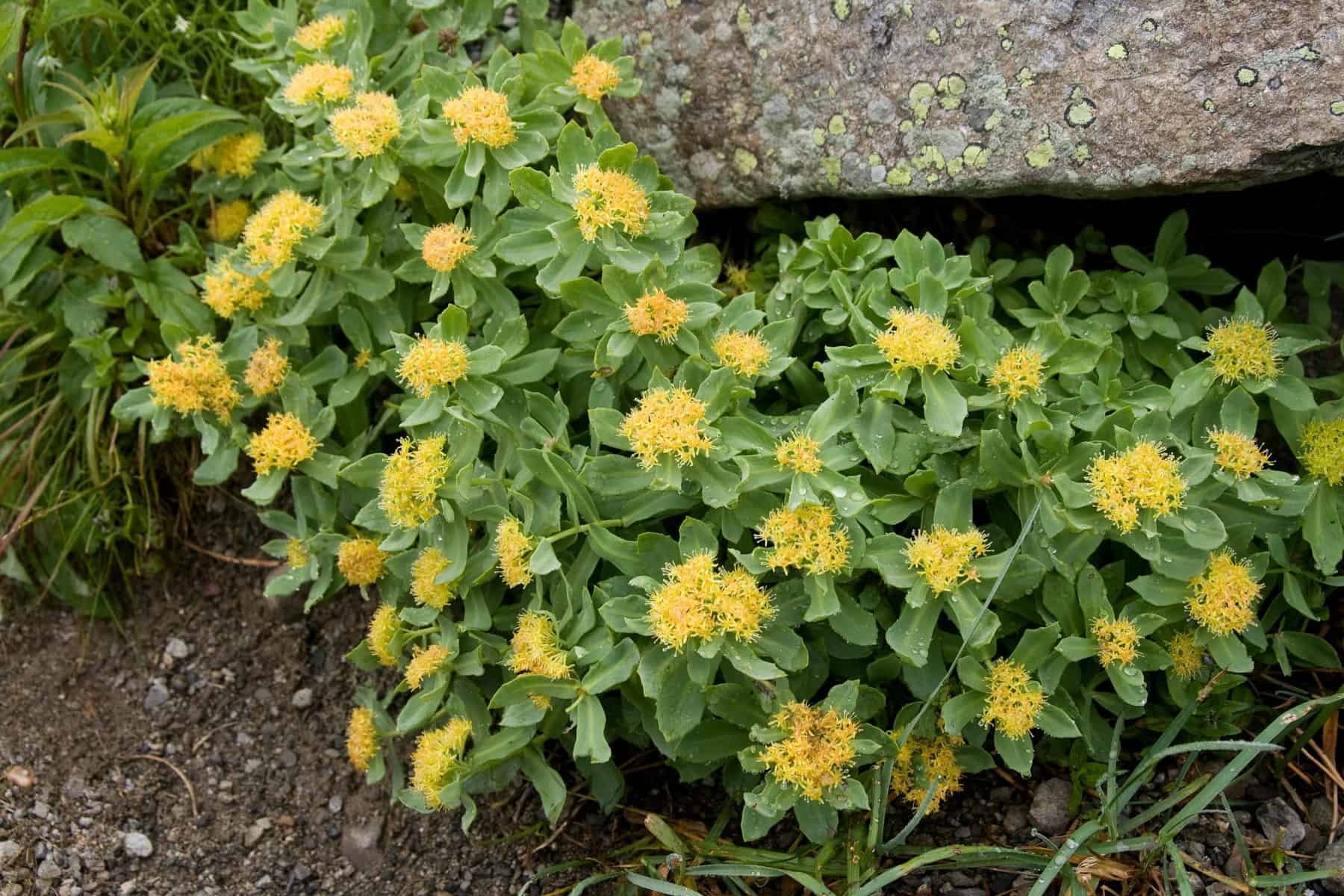
Rhodiola rosea is a flowering plant that grows in cold, mountainous regions across Europe and Asia. It’s been used for centuries in traditional medicine systems — Scandinavian Vikings reportedly used it for physical strength and endurance, and it was a prized remedy in traditional Chinese and Russian medicine.
The modern Western interest in Rhodiola started when Soviet researchers began investigating it as a potential performance enhancer for athletes, cosmonauts, and military personnel during the Cold War. That research revealed something important: Rhodiola didn’t just mask fatigue or artificially stimulate energy. It actually helped the body adapt to physical and mental stress more efficiently.
That’s the key distinction with adaptogens. They’re not stimulants that borrow energy from tomorrow. They help your stress response systems work better today. Rhodiola does this through several interacting mechanisms — neurotransmitter modulation, antioxidant protection, and energy metabolism support — which is why it shows benefits across such a wide range of stress-related issues.
Here’s the thing most supplement companies won’t tell you: if you’re running on three hours of sleep, eating processed garbage, and chronically stressed, Rhodiola isn’t going to fix your life. It’s not a magic pill. But if you’ve got the foundations in place and you’re dealing with periods of elevated stress or demanding cognitive work, it can make a meaningful difference in how you feel and perform.
How Does Rhodiola Rosea Work? (The Mechanisms That Matter)
Rhodiola’s effects come from two primary groups of active compounds: rosavins (rosavin, rosin, and rosarin) and salidroside. These compounds work together to influence several key systems in your brain and body.
The neurotransmitter story is where Rhodiola really shines. It enhances the activity of serotonin, dopamine, and norepinephrine — three neurotransmitters that regulate mood, motivation, attention, and stress response. Rhodiola does this through a dual mechanism: it increases the permeability of the blood-brain barrier to neurotransmitter precursors (making it easier for your brain to get the raw materials it needs) and it appears to inhibit enzymes like monoamine oxidase that break down these neurotransmitters.
A 2007 clinical trial published in Nordic Journal of Psychiatry tested Rhodiola in patients with mild to moderate depression. After 6 weeks, participants taking Rhodiola showed significant improvements in depression scores, insomnia, and emotional stability compared to placebo. The researchers noted that while Rhodiola’s effects were less pronounced than pharmaceutical antidepressants, it also had far fewer side effects and was well-tolerated.
Translation: Rhodiola helps your brain maintain higher levels of the neurotransmitters responsible for feeling good, staying focused, and handling stress. It’s not going to hit you like a pharmaceutical — the effects are gentler and more sustained.
The oxidative stress connection is equally important. Your brain uses about 20% of your body’s oxygen despite being only 2% of your body weight. That metabolic intensity creates oxidative stress — essentially, cellular damage from free radicals. Chronic stress amplifies this problem.
Rhodiola’s active compounds, particularly salidroside, provide significant antioxidant protection. They scavenge free radicals directly and upregulate your body’s endogenous antioxidant systems. This matters because oxidative stress impairs cognitive function, contributes to mental fatigue, and accelerates neurodegeneration over time.
The energy metabolism piece is less discussed but equally relevant. A 2003 study in Bulletin of Experimental Biology and Medicine found that Rhodiola extracts increased ATP content in mitochondria of skeletal muscle. ATP is your cells’ energy currency. More efficient ATP production means better sustained energy without the crash-and-burn cycle you get from stimulants.
The practical upshot: Rhodiola supports your brain’s ability to produce and sustain energy efficiently, protects neurons from stress-related damage, and keeps neurotransmitter levels optimized. It’s not one single “magic bullet” mechanism — it’s multiple complementary pathways working together.
Benefits of Rhodiola Rosea (What the Research Actually Shows)
Let’s separate the hype from the evidence. Rhodiola has a solid research base, but not every claimed benefit is equally well-supported.
Mental Fatigue & Stress Resilience (Strong Evidence)
This is where Rhodiola has the most robust human data. A 2000 double-blind, placebo-controlled study published in Phytomedicine tested Rhodiola in 56 healthy physicians during night duty shifts. The physicians taking 170mg of Rhodiola extract showed statistically significant improvements on tests measuring mental fatigue, concentration, and cognitive function compared to placebo.
Another trial in 2003 (Human Psychopharmacology) tested two different doses (340mg vs 680mg) in 161 cadets experiencing stress-related fatigue. Both doses improved capacity for mental work, but there was no significant difference between the low and high dose groups — suggesting that more isn’t necessarily better with Rhodiola.
The consistent finding across multiple trials: Rhodiola reduces the subjective feeling of fatigue and improves performance on cognitive tasks during periods of stress or sleep deprivation. Effect sizes are moderate but meaningful — typically 10-25% improvements on objective measures.
Mood & Depression (Moderate Evidence)
The 2007 depression trial I mentioned earlier showed promising results, but it’s important to note the sample size was relatively small (89 participants) and the effect was significant but not dramatic. Participants taking 340mg or 680mg of Rhodiola daily for 6 weeks showed improvements in overall depression scores, with the higher dose showing slightly better results.
What I find interesting here is that Rhodiola seemed particularly effective for the emotional and motivational symptoms of depression (anhedonia, low energy, lack of motivation) rather than the cognitive symptoms. That fits with its mechanism — it’s working primarily on dopamine and serotonin systems involved in reward and emotional regulation.
Reality Check: If you’re dealing with clinical depression, Rhodiola is not a replacement for therapy or medication. But for subclinical mood issues, stress-related low mood, or as an adjunct to other treatments, the evidence suggests it can help. Talk to your healthcare provider if you’re on antidepressants before adding Rhodiola.
Physical Performance & Endurance (Preliminary Evidence)
A 2004 study in International Journal of Sport Nutrition and Exercise Metabolism found that a single acute dose of Rhodiola improved endurance exercise performance and reduced perception of effort. However, this was a small study and results haven’t been consistently replicated across different exercise protocols.
I’ve personally noticed that Rhodiola seems to help more with mental stamina during long work sessions than with physical performance in the gym. Your mileage may vary.
Cognitive Enhancement in Healthy Adults (Mixed Evidence)
Here’s where the evidence gets less clear. While Rhodiola shows cognitive benefits during stress or fatigue, its effects on baseline cognitive function in well-rested, healthy adults are less pronounced. Some studies show modest improvements in processing speed and attention; others show no significant benefit.
My interpretation: Rhodiola is not a “smart drug” that makes your brain work better than normal. It’s an adaptogen that helps you maintain normal function under stress. The benefit shows up when you’re being challenged, not when you’re operating under ideal conditions.
| Benefit | Evidence Level | Key Finding |
|---|---|---|
| Stress-related fatigue | Strong (multiple RCTs) | 10-25% improvement in cognitive performance under stress |
| Mild-moderate depression | Moderate (limited RCTs) | Significant mood improvements after 6 weeks at 340-680mg |
| Physical endurance | Preliminary (small studies) | Reduced perception of effort, mixed performance results |
| Baseline cognitive enhancement | Weak (inconsistent) | Benefits primarily during stress, not in optimal conditions |
How to Take Rhodiola Rosea (Without Wasting Your Money)
The dosing details matter more with Rhodiola than with many other adaptogens. Here’s what actually works based on the clinical research.
Dosage
Standard range: 200-600mg daily of a standardized extract containing 3% rosavins and 1% salidroside. This is the ratio used in most clinical trials, particularly the well-researched SHR-5 extract.
Starting protocol: Begin with 200mg taken in the morning on an empty stomach. Assess tolerance and effects for 5-7 days before increasing. Some people are sensitive to Rhodiola’s stimulating effects — if you feel jittery or overstimulated, you’re taking too much.
Effective dose: Most clinical trials showing significant benefits used 340-680mg daily. I’ve personally found 400mg in the morning to be the sweet spot, but I’ve worked with clients who respond well to as little as 200mg or need up to 600mg for noticeable effects.
Higher is not better: The 2003 study comparing 340mg vs 680mg found no significant difference in outcomes. More Rhodiola doesn’t mean more benefit — and higher doses increase the risk of overstimulation or sleep disruption.
Pro Tip: Take Rhodiola 15-30 minutes before breakfast for optimal absorption. The empty stomach timing seems to matter — several clients have reported diminished effects when taking it with food. If you experience stomach upset, you can take it with a small amount of food, but expect slightly reduced bioavailability.
Timing
Morning or early afternoon only. Rhodiola has mild stimulating properties due to its effects on dopamine and norepinephrine. Taking it after 2-3pm can interfere with sleep in some people.
If you’re using a split dose (e.g., 400mg total = 200mg morning + 200mg early afternoon), make sure the second dose is no later than 1-2pm. I learned this the hard way after a few nights of staring at the ceiling wondering why I couldn’t fall asleep.
Forms & What to Look For
Standardized extracts are the only form with clinical backing. Look for products standardized to contain:
- 3% rosavins (or total rosavin content)
- 1% salidroside
This 3:1 ratio mimics the natural composition of Rhodiola root and matches the extracts used in most research. Avoid products that only list one active compound or don’t specify standardization — you have no way to know what you’re actually getting.
Powder vs capsules: Capsules are more convenient and allow for precise dosing. Powder can be mixed into water or smoothies but tastes quite bitter. Unless you have a specific reason to use powder, stick with capsules.
| Form | Bioavailability | Cost | Best For |
|---|---|---|---|
| Standardized extract (3% rosavins, 1% salidroside) | High | $$ | Most people — matches research |
| Generic root powder | Unknown/Variable | $ | Avoid — unreliable potency |
| Liquid extracts | Moderate-High | $$$ | Those who can’t take capsules |
Cycling
Rhodiola does NOT require cycling. Unlike some adaptogens or stimulants, there’s no evidence of tolerance development with consistent use. The clinical trials showing benefits used continuous daily dosing for 6-12 weeks without diminishing effects.
That said, some practitioners recommend periodic breaks (e.g., 5 days on, 2 days off) simply to avoid dependency on any supplement. I don’t think it’s necessary, but it’s not harmful either.
Timeline for Effects
Acute effects (1-2 hours): Some people notice a mild increase in alertness and focus within an hour or two of taking Rhodiola. This is subtle — not like caffeine.
Short-term effects (1-2 weeks): Reduced fatigue and improved stress resilience become noticeable for most people within the first week or two.
Full effects (4-8 weeks): The mood and cognitive benefits seem to build over time. The depression study showed maximal effects at 6 weeks. Give it at least a month of consistent use before deciding whether it’s working for you.
| Use Case | Dosage | Timing | Duration |
|---|---|---|---|
| Mild stress support | 200-300mg | Morning, empty stomach | Start low, assess after 1 week |
| Cognitive performance under stress | 340-400mg | Morning, 30 min before breakfast | Daily for 4-8 weeks |
| Mood support | 400-600mg | Morning (or split AM/early PM) | Daily for 6-12 weeks minimum |
| Acute performance (exams, presentations) | 340mg | 1-2 hours before event | Single dose or short-term use |
Side Effects & Safety (What Could Go Wrong)
Rhodiola is generally well-tolerated, but it’s not side-effect-free. Here’s what you need to know.
Common Side Effects
Jitteriness or overstimulation (5-10% of users): Rhodiola modulates dopamine and norepinephrine, which can feel stimulating. If you’re sensitive to caffeine or stimulants, start with a low dose (100-200mg) and avoid combining Rhodiola with high-dose caffeine initially.
Insomnia or sleep disruption (occasional): Taking Rhodiola too late in the day or at too high a dose can interfere with sleep. Solution: take it only in the morning or early afternoon, and reduce dose if needed.
Dry mouth (rare): A few users report mild dry mouth. Staying well-hydrated usually resolves this.
Dizziness (rare): Usually occurs at higher doses or in people with low blood pressure. If you experience dizziness, reduce the dose or discontinue use.
Who Should Avoid Rhodiola
Bipolar disorder: There are case reports of Rhodiola triggering manic episodes in people with bipolar disorder. The mechanism likely relates to its dopaminergic effects. If you have bipolar disorder, do not use Rhodiola without medical supervision.
Pregnancy and breastfeeding: There’s insufficient safety data on Rhodiola use during pregnancy or lactation. Avoid unless under guidance from a healthcare provider.
Autoimmune conditions: Some adaptogens can modulate immune function in ways that might affect autoimmune conditions. While there’s no specific contraindication, use cautiously and monitor symptoms if you have an autoimmune disorder.
Important: If you’re taking medication for depression, anxiety, or any psychiatric condition, talk to your healthcare provider before adding Rhodiola. The neurotransmitter effects can interact with medications in ways that require monitoring.
Drug Interactions
| Medication/Substance | Interaction Type | Risk Level | Notes |
|---|---|---|---|
| SSRIs (Prozac, Zoloft, etc.) | Serotonergic | Moderate | Theoretical risk of serotonin syndrome; monitor for agitation, confusion, rapid heart rate |
| MAOIs | Monoamine oxidase inhibition | Moderate-High | Rhodiola may inhibit MAO; combining with MAOI drugs could cause hypertensive crisis |
| Stimulant medications (Adderall, Ritalin) | Additive stimulation | Moderate | May increase jitteriness, anxiety, or cardiovascular stress |
| Immunosuppressants | Immune modulation | Low-Moderate | Rhodiola may affect immune function; consult physician if on immunosuppressive therapy |
| Diabetes medications | Blood sugar effects | Low-Moderate | Rhodiola may affect glucose metabolism; monitor blood sugar if diabetic |
| Blood thinners (Warfarin, aspirin) | Antiplatelet activity | Low | Weak evidence of antiplatelet effects; use caution with blood thinners |
| Caffeine/stimulants | Additive stimulation | Low | May feel overstimulated; reduce caffeine intake when starting Rhodiola |
The SSRI interaction deserves special attention. While there are no reported cases of serotonin syndrome from Rhodiola + SSRI combinations in the literature, the theoretical mechanism exists. If you’re on an SSRI and want to try Rhodiola, start with a low dose and watch for symptoms like agitation, confusion, rapid heart rate, or muscle rigidity. Discontinue immediately if you experience these.
Stacking Rhodiola Rosea (The Combinations That Actually Work)
Rhodiola plays well with other nootropics and adaptogens. Here are evidence-informed stacks organized by specific goals.
For Focus & Productivity (Under Pressure)
Morning work stack:
- 300mg Rhodiola rosea (standardized extract)
- 300mg Alpha-GPC (cholinergic support)
- 100-200mg caffeine + 200mg L-theanine (smooth stimulation)
This combination addresses stress resilience (Rhodiola), acetylcholine production for learning and memory (Alpha-GPC), and alertness without jitters (caffeine + theanine). I use this stack during podcast recording days when I need sustained mental clarity for 4-6 hours.
Stimulant-free alternative:
- 400mg Rhodiola rosea
- 500mg Lion’s Mane (NGF support)
- 300mg Bacopa Monnieri (memory consolidation)
This is gentler and better for people sensitive to caffeine. The trade-off is that you won’t get the immediate alertness boost — this is more about sustained cognitive support over weeks of use.
For Mood & Stress Management
Stress resilience stack:
- 400mg Rhodiola rosea (morning)
- 500mg Ashwagandha KSM-66 extract (evening)
- 400mg L-theanine (as needed for acute stress)
Rhodiola and Ashwagandha are complementary adaptogens with different timing profiles. Rhodiola is more stimulating and works well in the morning; Ashwagandha is calming and better suited for evening use. L-theanine fills in the gaps for acute stress situations.
Mood support stack:
- 500mg Rhodiola rosea (split dose: 300mg AM, 200mg early PM)
- 1000mg L-tyrosine (dopamine precursor, morning only)
- 200mg SAMe (methylation support)
This stack targets dopamine and serotonin pathways from multiple angles. L-tyrosine provides raw material for dopamine synthesis, Rhodiola prevents degradation and enhances receptor activity, and SAMe supports methylation processes involved in neurotransmitter production.
For Physical & Mental Endurance
Pre-training stack:
- 340mg Rhodiola rosea (60-90 minutes pre-workout)
- 3-6g citrulline malate (nitric oxide, blood flow)
- 3-5g creatine monohydrate (ATP production)
This combination addresses multiple performance limiters: mental fatigue and stress response (Rhodiola), muscular endurance and blood flow (citrulline), and energy production (creatine). The Rhodiola component is particularly useful for endurance events where mental fatigue becomes a limiting factor.
| Goal | Stack Components | Timing | Synergy Mechanism |
|---|---|---|---|
| Focus under stress | Rhodiola 300mg + Alpha-GPC 300mg + Caffeine 100mg + L-Theanine 200mg | Morning, pre-work | Stress adaptation + cholinergic + clean stimulation |
| Mood & stress resilience | Rhodiola 400mg + Ashwagandha 500mg + L-Theanine 400mg | Rhodiola AM, Ashwagandha PM | Complementary adaptogenic profiles, neurotransmitter support |
| Endurance performance | Rhodiola 340mg + Citrulline 6g + Creatine 5g | 60-90 min pre-training | Mental stamina + blood flow + energy production |
What NOT to Stack With Rhodiola
Avoid combining with other stimulants initially. If you’re new to Rhodiola, don’t immediately stack it with high doses of caffeine (>200mg), yohimbine, or other stimulants. The additive effect can cause anxiety, jitteriness, or elevated heart rate. Start with Rhodiola alone, assess tolerance, then add other compounds one at a time.
Be cautious with other MAO-inhibiting compounds. While Rhodiola’s MAO inhibition is mild, combining it with other MAO inhibitors (including some antidepressants, Syrian Rue, certain foods) could theoretically cause problems. This is a low-probability risk but worth awareness.
Don’t stack multiple serotonergic compounds without medical guidance. If you’re combining Rhodiola with 5-HTP, tryptophan, or St. John’s Wort, there’s a theoretical risk of excessive serotonergic activity. Monitor carefully for signs of serotonin syndrome.
My Take
After years of testing adaptogens — both personally and with clients — Rhodiola has earned a permanent spot in my rotation. It’s one of the few herbs where I can point to well-designed human trials, reasonable effect sizes, and a clear understanding of mechanism.
Who should try Rhodiola:
- People dealing with chronic stress who need to maintain cognitive performance despite elevated demands
- Anyone experiencing stress-related fatigue, especially if caffeine makes you anxious or crashes too hard
- Individuals with subclinical mood issues or low motivation during high-stress periods
- Students, professionals, or athletes who need sustained mental endurance during challenging periods
Who should probably try something else:
- If you’re highly sensitive to stimulants or prone to anxiety, Rhodiola might feel too activating. Try Ashwagandha instead — it’s calming rather than stimulating.
- If you’re dealing with clinical depression, Rhodiola is not a replacement for therapy or medication. It might be a useful adjunct, but work with a healthcare provider.
- If you have bipolar disorder, avoid Rhodiola due to the risk of triggering mania. Consider L-theanine or magnesium threonate for stress support instead.
- If you’re already on multiple medications affecting serotonin or dopamine, add Rhodiola only with medical supervision.
My honest assessment: Rhodiola is worth trying if you’re dealing with stress-related performance decrements. It’s not going to transform your life overnight, and it’s definitely not a substitute for fixing the fundamentals (sleep, nutrition, stress management). But as a tool for enhancing resilience during demanding periods, it’s evidence-based, relatively safe, and effective for most people.
Start low (200mg), take it in the morning on an empty stomach, give it 2-4 weeks to assess, and adjust from there. If you don’t notice anything after 6 weeks at 400-600mg, it’s probably not the right compound for you — and that’s fine. Not every supplement works for every person.
The key insight: Rhodiola doesn’t give you energy you don’t have. It helps you use the energy you do have more efficiently and protects your stress response systems from burning out under pressure. That’s valuable — but only if you’re not already running on fumes.
Recommended Rhodiola Rosea Products
I know how frustrating it is to sort through dozens of brands making the same claims. These are the ones I've personally vetted — because quality is the difference between results and wasted money.
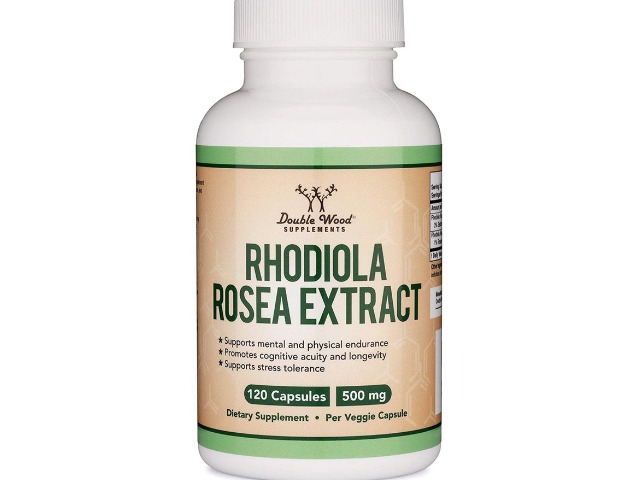
Rhodiola Rosea by DoubleWood Supplements
Shop Now →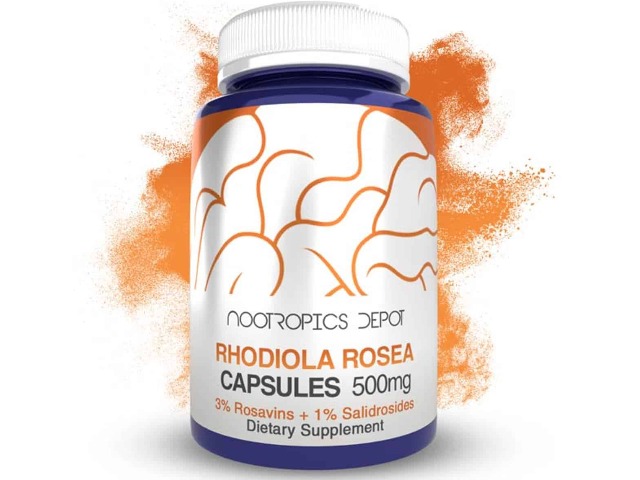
Rhodiola Rosea by Nootropics Depot
Shop Now →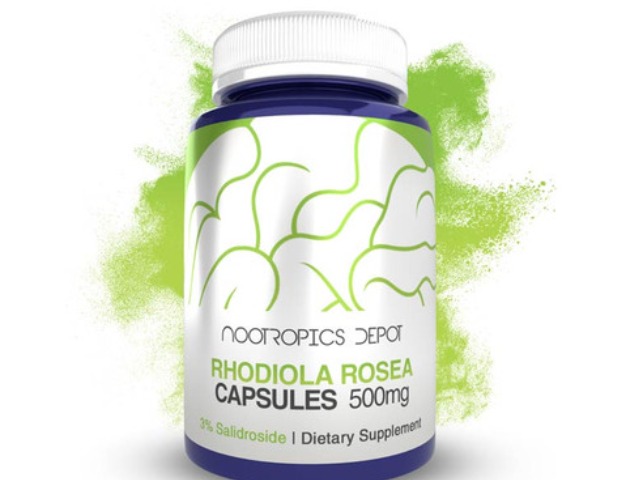
Rhodiola Rosea Capsules | 500mg | 3% Salidroside by Nootropics Depot
Shop Now →Disclosure: These are affiliate links. I earn a small commission if you purchase — at no extra cost to you. I only recommend products I personally use or have thoroughly researched.
Research & Studies
This section includes 27 peer-reviewed studies referenced in our analysis.
[Decrease in the growth rate of Ehrlich's tumor and Pliss' lymphosarcoma with partial hepatectomy].
[Plasma beta-endorphin and stress hormones in stress and adaptation].
Effects of alcohol aqueous extract from Rhodiola rosea L. roots on learning and memory.
A double-blind, placebo-controlled pilot study of the stimulating and adaptogenic effect of Rhodiola rosea SHR-5 extract on the fatigue of students caused by stress during an examination period with a repeated low-dose regimen.
Rhodiola rosea in stress induced fatigue--a double blind cross-over study of a standardized extract SHR-5 with a repeated low-dose regimen on the mental performance of healthy physicians during night duty.
A randomized trial of two different doses of a SHR-5 Rhodiola rosea extract versus placebo and control of capacity for mental work.
Acute Rhodiola rosea intake can improve endurance exercise performance.
Effect of extracts from Rhodiola rosea and Rhodiola crenulata (Crassulaceae) roots on ATP content in mitochondria of skeletal muscles.
Clinical trial of Rhodiola rosea L. extract SHR-5 in the treatment of mild to moderate depression.
Plant adaptogens increase lifespan and stress resistance in C. elegans.
Showing 10 of 27 studies. View all →