I spent the better part of a year feeling like my brain was running on dial-up. Foggy mornings. Forgotten passwords. Reading the same paragraph three times and retaining nothing. I threw money at fancy nootropic stacks before a blood panel revealed something embarrassing — I was deficient in B12 and vitamin D. Two of the most basic nutrients on the planet. That was my wake-up call: no stack in the world will save you if your foundation has cracks in it.
The Short Version: B vitamins (B6, B9, B12), vitamin D3, and vitamins C and E form the non-negotiable foundation for brain health. A 2024 meta-analysis of over 12,000 participants showed the B-vitamin trio reduced homocysteine by 25% and significantly improved memory. Below, I break down exactly which forms to take, what doses the science supports, which combinations amplify the effects, and a step-by-step protocol from beginner to advanced.
Why Your Brain Is Starving (And You Don’t Know It)
Your brain accounts for roughly 2-3% of your body weight but burns through over 20% of your daily energy. That metabolic furnace requires a constant supply of vitamins and cofactors just to keep the lights on — let alone perform at a high level.
Here’s the problem most people don’t realize: subclinical deficiencies don’t always show obvious symptoms. You won’t collapse from low B12. You’ll just think a little slower, forget a little more, and chalk it up to “getting older” or “not sleeping enough.”
Reality Check: An estimated 40% of adults over 50 have suboptimal B12 levels, and up to 42% of the US population is vitamin D deficient. These aren’t rare conditions — they’re the norm.
The vitamins we’re covering aren’t exotic compounds. They’re the unglamorous workhorses behind every major cognitive process:
- Neurotransmitter synthesis — serotonin, dopamine, GABA, and acetylcholine all depend on B-vitamin cofactors
- Homocysteine metabolism — elevated homocysteine is neurotoxic, and B6/B9/B12 are the primary regulators
- Myelin maintenance — the insulation around your neurons degrades without adequate B12 and folate
- Antioxidant defense — vitamins C and E protect brain cell membranes from the oxidative cost of all that energy production
- Gene expression — vitamin D activates over 1,000 genes, many of them in brain tissue
If you’ve been chasing cognitive enhancement without nailing these basics, you’ve been building on sand. Let’s fix that.
The B-Vitamin Trio: Your Brain’s Operating System (B6, B9, B12)
If I could only recommend one category of brain nutrients, it would be B vitamins — specifically B6, B9, and B12 working together. The keyword is together. One of the biggest mistakes I see is people supplementing B12 alone and expecting miracles.
Why the Trio Matters More Than Any Single B Vitamin
A 2024 meta-analysis published in Nutrients pooled data from 15 randomized controlled trials with over 12,000 participants. The combined B6/B9/B12 intervention reduced homocysteine levels by 25% (Cohen’s d = 0.42, p < 0.001) and produced measurable improvements in memory and processing speed, particularly in adults over 60. The effect was significantly stronger than any single B vitamin alone.
This builds on the foundational VITACOG trial from 2010, where 270 participants with mild cognitive impairment received high-dose B vitamins. The result? A 30% reduction in the rate of brain atrophy over two years. But here’s the detail most articles miss — that atrophy protection was strongest in participants who also had adequate omega-3 DHA levels. The vitamins and the fat worked together.
Insider Tip: If you’re only going to get one blood test before starting supplements, make it homocysteine. Levels above 10 µmol/L signal that your B-vitamin status needs work. Below 8 µmol/L is the sweet spot for neuroprotection.
The Three Players (And Which Forms Actually Work)
Vitamin B6 powers over 100 enzyme reactions in your brain, including the synthesis of serotonin, dopamine, and GABA. The active form is pyridoxal-5-phosphate (P5P) — this is what your body actually uses. Standard pyridoxine HCl requires conversion, and some people (especially those with liver issues) don’t convert efficiently. Effective dose: 10-20mg P5P daily.
Vitamin B9 — and I mean folate, not folic acid. Folic acid is synthetic and requires conversion through the MTHFR enzyme. Roughly 30-40% of the population carries a variant that slows this conversion significantly. L-methylfolate bypasses the bottleneck entirely. Dose: 400-800mcg L-methylfolate daily.
Vitamin B12 maintains myelin sheaths and is the key cofactor in homocysteine-to-methionine conversion. Methylcobalamin is the neurologically active form — cyanocobalamin is cheaper but requires more metabolic steps. Dose: 500-1,000mcg methylcobalamin daily.
| B Vitamin | Active Form | Daily Dose | Key Brain Role | Who Needs It Most |
|---|---|---|---|---|
| B6 | Pyridoxal-5-phosphate (P5P) | 10-20mg | Neurotransmitter synthesis | Those on hormonal birth control, elderly |
| B9 | L-methylfolate | 400-800mcg | DNA repair, homocysteine regulation | MTHFR carriers, pregnant women |
| B12 | Methylcobalamin | 500-1,000mcg | Myelin maintenance, nerve signaling | Vegans, adults 50+, PPI users |
Important: High-dose B6 above 100mg/day chronically can cause peripheral neuropathy — tingling, numbness in hands and feet. Stick to 10-20mg unless directed by a practitioner. More is not always better.
Vitamin D3: The Cognitive Hormone Most People Underestimate
Calling D3 a “vitamin” undersells it. It functions more like a hormone, with receptors scattered throughout the hippocampus, prefrontal cortex, and hypothalamus — the brain regions most critical for memory, decision-making, and emotional regulation.
A 2025 randomized clinical trial published in JAMA Neurology followed 1,200 adults over age 50. Those receiving 2,000 IU of vitamin D3 daily showed significant improvement in executive function (d = 0.35, p = 0.002) compared to placebo. The critical finding: benefits were strongest in participants who started below 30 ng/mL — in other words, the people who actually needed it.
What D3 Does in Your Brain
- Activates neurotransmitter genes — D3 upregulates the expression of enzymes involved in serotonin and dopamine synthesis
- Reduces neuroinflammation — chronic low-grade brain inflammation is a driver of cognitive decline, and D3 is one of the most accessible anti-inflammatory interventions
- Maintains blood-brain barrier integrity — D3 supports the tight junctions that keep neurotoxins out of brain tissue
The K2 Connection Nobody Talks About
Here’s a detail most brain-health articles ignore: vitamin D3 increases calcium absorption. Without vitamin K2 (specifically the MK-7 form), that calcium can deposit in arteries and soft tissue instead of bones. K2 directs calcium where it belongs.
For brain health specifically, K2 also has emerging roles in neuroprotection — it activates a protein called Gas6, which supports neuronal survival and myelin repair. The research is still early, but the safety profile is excellent and the synergy with D3 is well-established.
Dosing protocol:
- D3: 2,000-4,000 IU daily (test your levels; target 40-60 ng/mL)
- K2 (MK-7): 100-200mcg daily
- Take both with a fat-containing meal for absorption
Reality Check: Taking more than 10,000 IU of D3 daily without medical supervision risks hypercalcemia — too much calcium in the blood. This can cause nausea, kidney stones, and cardiac issues. More D3 doesn’t mean more brain power. Test, dose appropriately, and pair with K2.
Antioxidant Defense: Vitamins C and E (Your Brain’s Damage Control)
Your brain’s enormous energy demands come with a cost — oxidative stress. Every time a neuron fires, free radicals are generated as metabolic byproducts. Over time, uncontrolled oxidative damage degrades cell membranes, damages DNA, and accelerates cognitive aging.
Vitamin C and vitamin E are your brain’s primary antioxidant defense system, and they work as a team.
How They Protect Your Neurons
Vitamin C (ascorbic acid) is the most concentrated vitamin in brain tissue — levels there are 10 times higher than in blood plasma. It directly scavenges free radicals in the aqueous (water-based) compartments of your cells and also regenerates “spent” vitamin E, restoring its antioxidant capacity. Beyond antioxidant duty, vitamin C is a cofactor in the synthesis of norepinephrine and serotonin.
Vitamin E (specifically the alpha-tocopherol form) embeds itself directly into cell membranes, protecting the fatty structures that make up so much of brain tissue. A 2019 review in the Annals of the New York Academy of Sciences confirmed that higher plasma vitamin E levels are consistently associated with reduced rates of cognitive decline in aging populations.
Pro Tip: Look for “mixed tocopherols” on labels rather than isolated alpha-tocopherol. Your brain uses all four tocopherol forms (alpha, beta, gamma, delta), and the gamma form has distinct anti-inflammatory properties that alpha alone doesn’t provide.
Dosing:
- Vitamin C: 500-1,000mg daily (split doses improve absorption)
- Vitamin E: 15mg (22.4 IU) mixed tocopherols daily — avoid megadoses above 400 IU
Beyond the Basics: Synergistic Compounds That Amplify Everything (The Advanced Stack)
Once your vitamin foundation is solid — and I mean confirmed by bloodwork, not assumed — these compounds take cognitive performance to the next level. None of them replace the basics. All of them enhance them.
Citicoline (Cognizin): The Membrane Builder
Citicoline donates choline for acetylcholine synthesis and provides cytidine, which converts to uridine — a building block for neuronal membranes. In a 2023 double-blind trial, 60 healthy women aged 40-60 took 500mg of Cognizin daily for 28 days. Attentional performance improved by 26% compared to placebo (p < 0.01).
I stack citicoline with B vitamins because the choline donation supports the same methylation pathways that B9 and B12 regulate. They’re complementary, not redundant. Dose: 250-500mg daily.
Phosphatidylserine + DHA: The Memory Combo
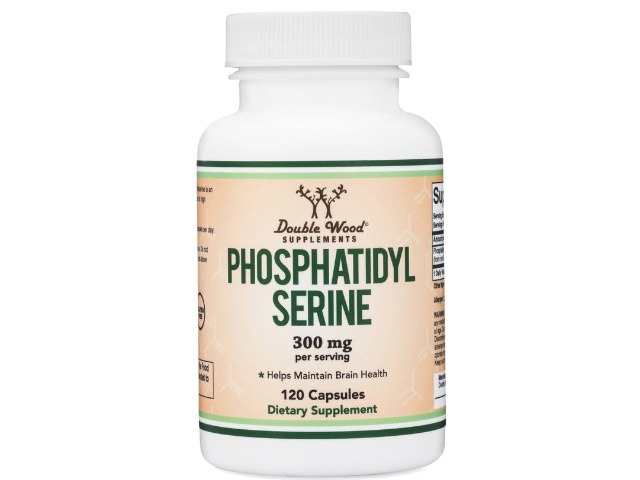
Phosphatidylserine (PS) is a phospholipid that makes up about 15% of your brain’s total phospholipid pool. It’s critical for cell signaling, membrane fluidity, and cortisol regulation.
A 2024 RCT with 100 elderly participants found that combining PS (100mg) with DHA (120mg) improved memory recognition and sustained attention with an effect size of d = 0.51 (p < 0.001). That’s a clinically meaningful result — stronger than most individual vitamin interventions.
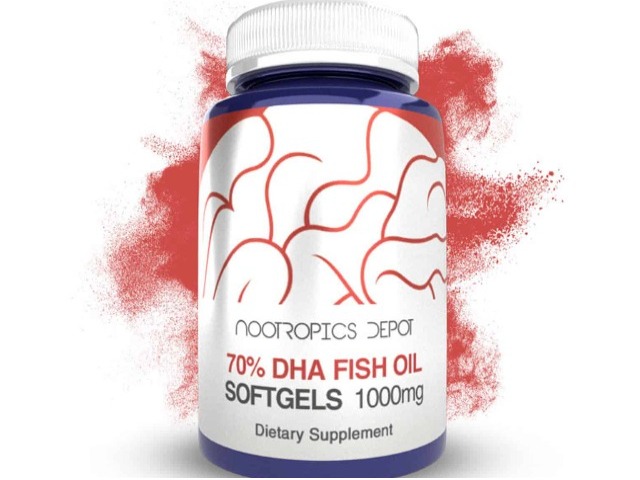
A larger 2025 meta-analysis of 20 RCTs (n = 10,000) on omega-3 supplementation found that 1g of DHA daily reduced overall cognitive decline risk by 18% (RR = 0.82, p < 0.01).
Insider Tip: If you take only one omega-3, prioritize DHA over EPA for brain health. EPA is excellent for inflammation, but DHA is the structural fatty acid that literally builds brain cell membranes.
The Full Advanced Stack
| Compound | Daily Dose | Primary Brain Mechanism | Best Paired With |
|---|---|---|---|
| Citicoline | 250-500mg | Acetylcholine + membrane synthesis | B-complex |
| Phosphatidylserine | 100mg | Cell signaling, cortisol regulation | DHA |
| DHA (Omega-3) | 500-1,000mg | Membrane structure, anti-inflammatory | PS, B-vitamins |
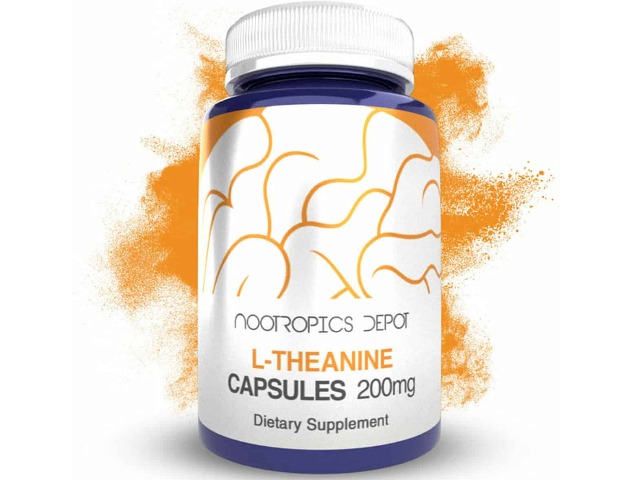
| L-Theanine | 200mg | Alpha-wave promotion, calm focus | Low-dose caffeine |
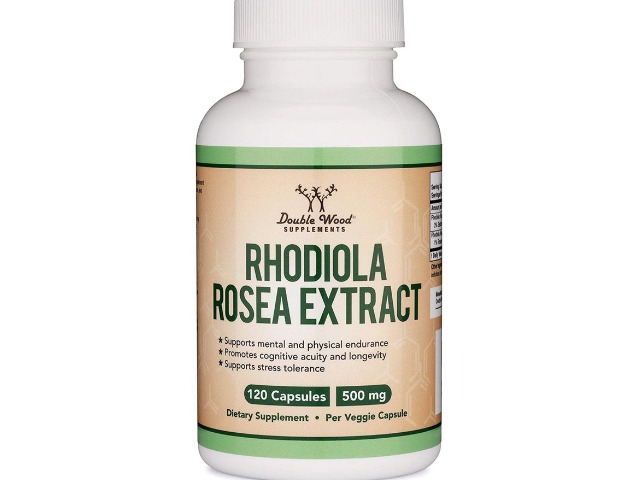
| Rhodiola Rosea | 200-400mg | Stress adaptation, mental stamina | B-complex, evening dosing |
Putting It All Together: Your Step-by-Step Protocol
Knowing which vitamins matter is only half the battle. The other half is implementation — what to take, when, in what order, and how to know it’s working.
Phase 1: Foundation (Weeks 1-8)
Before you buy anything, get baseline bloodwork:
- Homocysteine (target: < 10 µmol/L, ideal < 8)
- B12 (target: > 500 pg/mL)
- 25-OH Vitamin D (target: 40-60 ng/mL)
- Folate (serum and/or RBC folate)
Daily morning stack (take with a fat-containing breakfast):
- B-Complex: B6 10-20mg (P5P), B9 400mcg (L-methylfolate), B12 500mcg (methylcobalamin)
- Vitamin D3: 2,000 IU + K2 100mcg (MK-7)
- Vitamin C: 500mg
- Vitamin E: 15mg mixed tocopherols
Track weekly: Rate focus, brain fog, and mood on a 1-10 scale. Keep a simple spreadsheet or journal.
Cycling option: 5 days on, 2 days off. Not strictly necessary for water-soluble vitamins, but it prevents your body from down-regulating receptor sensitivity — especially relevant for D3.
Phase 2: Amplification (Weeks 9-16+)
Only move here if Phase 1 has been consistent for 8 weeks and your bloodwork shows improved markers.
Add to morning stack:
- Citicoline: 250mg (increase to 500mg in week 10 if tolerated)
- DHA: 500mg (with fat-containing meal)
- PS: 100mg
Add for focus sessions:
- L-Theanine: 200mg + 50-100mg caffeine (a well-studied combo for alert calm)
Add for stress/evening:
- Rhodiola Rosea: 200-400mg standardized extract (Rhodiolife brand preferred for consistency)
- Magnesium: 300mg (glycinate or threonate for brain penetration) + B6 10mg
How to Know It’s Working
| Marker | Method | Timeline | Target |
|---|---|---|---|
| Subjective focus | Daily 1-10 journal | Week 2-4 | Consistent 7+ |
| Memory recall | Free online MoCA screening | Pre, Week 4, Week 12 | Improved score |
| Homocysteine | Blood test | Week 8-12 | < 10 µmol/L |
| Vitamin D | Blood test | Week 8-12 | 40-60 ng/mL |
| Cognitive performance | Lumosity or similar app | Weekly | 10-20% improvement |
Reality Check: If you see zero subjective change after 4 consistent weeks on Phase 1, something else is the bottleneck — sleep quality, gut health, chronic stress, or thyroid function. Vitamins can’t fix everything, and “more supplements” isn’t always the answer. Address root causes first.
Common Mistakes That Waste Your Money (And Potentially Your Health)
After years of coaching people on supplementation, I see the same errors repeated constantly:
1. Taking B12 by itself. B6, B9, and B12 form a metabolic relay team. B12 alone can’t efficiently lower homocysteine without adequate folate and B6. A 2024 meta-analysis showed the trio was 26% more effective than any single B vitamin.
2. Using the wrong forms. Cyanocobalamin (cheap B12) requires multiple conversion steps. Folic acid (synthetic B9) bottlenecks at the MTHFR enzyme. If you carry the MTHFR variant — and roughly a third of people do — folic acid can actually accumulate unconverted in your bloodstream. Always choose methylated forms.
3. Megadosing vitamin D without K2. I’ve seen people take 10,000+ IU of D3 daily because “more is better.” Without K2 to direct the extra calcium absorption, you’re increasing your risk of arterial calcification and kidney stones. Pair them. Always.
4. Ignoring the stack effect. The VITACOG trial showed B vitamins reduced brain atrophy by 30% — but only in participants with adequate omega-3 levels. Vitamins in isolation are 2020 thinking. The 2024-2025 evidence overwhelmingly supports combination approaches.
5. Never testing. Supplementing blind is like adjusting your car’s engine without a diagnostic readout. A $50 blood panel can tell you exactly where your deficiencies are and save you hundreds in unnecessary supplements.
My Take
I know the frustration of staring at a shelf of 40 different bottles and wondering if any of them actually do anything. I’ve been that person — overwhelmed, skeptical, and quietly annoyed at how much money I’d wasted on supplements that were either the wrong form, the wrong dose, or completely unnecessary given what my body actually needed.
Here’s what I’ve learned after years of personal testing, blood panels, and reading more clinical trials than any normal person should: the boring stuff works. A properly dosed B-complex with methylated forms, adequate vitamin D3 paired with K2, and a solid omega-3 source will do more for your cognition than 90% of the exotic nootropics on the market.
That’s not to say compounds like citicoline, phosphatidylserine, or Rhodiola don’t have value — they absolutely do, and the clinical evidence is real. But they’re amplifiers, not replacements. Build the foundation first. Get your blood tested. Fix what’s actually broken before you start optimizing.
The research from 2024-2025 makes this clearer than ever: B6, B9, and B12 together — not alone — reduce homocysteine and protect brain structure. Vitamin D at 2,000 IU daily improves executive function in those who are deficient. DHA and PS together outperform either one solo. The science points toward systems, not silver bullets.
Start with Phase 1. Give it 8 weeks. Test your blood. Then decide what comes next based on data, not marketing. Your brain deserves better than guesswork.