Red light therapy is one of the biohacking tools I’ve been most consistently impressed by. When I first started using a red light panel several years ago, I expected some vague “wellness” benefits. What I actually experienced was noticeably better mood, improved energy, and sharper mental clarity — effects that felt far more concrete than I anticipated. The research backs this up: photobiomodulation (the technical term) has a growing evidence base for cognitive enhancement, mood improvement, and neuroprotection that makes it one of the most versatile tools in the optimization toolkit.
What makes red light therapy particularly interesting from a nootropic perspective is how it works. Rather than targeting a single neurotransmitter or receptor, it operates at the cellular level — stimulating mitochondrial activity, which cascades into benefits across virtually every system in the body and brain. It’s fundamentally different from supplements in this way, and the two approaches complement each other well.
This article covers the science of photobiomodulation, its specific cognitive and mental health benefits, and practical guidance on how to implement it effectively.
Key Takeaways: Red light therapy (photobiomodulation) uses red (620-700nm) and near-infrared (700-1200nm) wavelengths to stimulate mitochondrial activity, particularly cytochrome c oxidase in the electron transport chain. This increases ATP production, reduces oxidative stress, enhances cerebral blood flow, and promotes BDNF-driven neurogenesis. Clinical evidence supports its use for seasonal affective disorder, depression, anxiety, traumatic brain injury recovery, and general cognitive enhancement. Near-infrared light penetrates deeper and is best for brain-targeted applications; red light is effective for surface-level healing and mood support.
How Photobiomodulation Works
Photobiomodulation uses non-ionizing light — either visible red light (620-700nm) or near-infrared (700-1200nm) — to trigger beneficial responses at the cellular level. The primary mechanism involves light absorption by cytochrome c oxidase, a key enzyme in the mitochondrial electron transport chain. When this enzyme absorbs photons in the red/NIR range, it releases nitric oxide that was inhibiting its function, allowing the electron transport chain to operate more efficiently.
The downstream effects include:
- Increased ATP production: More efficient mitochondrial respiration means more cellular energy
- Reduced reactive oxygen species (ROS): Lower oxidative stress at the mitochondrial level
- Enhanced cerebral blood flow: Nitric oxide release promotes vasodilation in brain vasculature
- BDNF production: Brain-derived neurotrophic factor, essential for neurogenesis and synaptic plasticity
- Anti-inflammatory effects: Reduced pro-inflammatory cytokines
This is what gives photobiomodulation its “1-2 punch” of neuroprotection and neurostimulation — it both defends existing neurons and promotes the growth of new ones.
Types of Light Therapy
Near-Infrared (NIR)
Near-infrared light (700-1200nm) penetrates deeper into tissue, making it the preferred wavelength range for brain-targeted applications. Research demonstrates its ability to significantly decrease inflammatory markers in the brain, reduce neuronal cell death, and improve functional outcomes after injury. The typical therapeutic range alternates between longer wavelengths (~810nm) and shorter wavelengths for optimal effect.
One important note: there appears to be a point of diminishing returns with NIR. Anti-inflammatory benefits can plateau or decrease if treatment duration exceeds optimal levels, making protocol adherence important.
Red Light
Red light (620-700nm) uses visible wavelengths that don’t penetrate as deeply as NIR but effectively stimulate mitochondrial activity in surface and near-surface tissues. It delivers low levels of heat without UV damage, making it safe for regular use. Red light is particularly effective for mood support, skin health, and wound healing.
Near-Infrared vs. Far Infrared
These are different modalities. Near-infrared (700-1400nm) is highly targeted, directly stimulating mitochondrial activity. Far-infrared (3-100um) penetrates deeper into tissue but works primarily through thermal effects — raising tissue temperature to increase blood flow and promote toxin removal. Far-infrared is the mechanism behind infrared saunas.
Both have therapeutic value, but they work through different biological mechanisms. For cognitive and mental health applications, near-infrared is the more directly relevant modality.
Cognitive and Mental Health Benefits
Seasonal Affective Disorder
This is photobiomodulation’s most established mental health application. As daylight decreases in fall and winter, many people experience depression, lethargy, and cognitive dulling. Red light therapy, along with bright light therapy, provides clinically documented antidepressant effects by stimulating mitochondrial activity at the cellular level. Enhanced mitochondrial function reduces inflammation and produces mood-boosting neurochemical changes that help compensate for reduced sunlight.
Depression and Anxiety
Transcranial photobiomodulation shows genuine promise for major depression and anxiety. Research demonstrates remission rates exceeding 50% for both conditions with red light therapy. The mechanism involves multiple pathways: increased serotonin production, decreased cortisol, reduced neuroinflammation, and enhanced prefrontal cortex activity — the brain region most involved in mood regulation and emotional control. A 2024 systematic review and meta-analysis of randomized controlled trials published in Frontiers in Psychiatry confirmed that PBM is an effective treatment for depression, with a comprehensive 2024 review in Theranostics characterizing photobiomodulation as a legitimate non-invasive neuromodulation technique comparable to psychopharmacological treatment for mood disorders.
Traumatic Brain Injury
Brain injury recovery is one of the most compelling clinical applications. Patients treated with transcranial near-infrared therapy show significant improvements in mental, motor, and cognitive functions. The mechanism involves increased cerebral blood flow to damaged areas, reduced neuronal cell death, and enhanced metabolic support for recovering tissue. Multiple studies document these effects in both animal models and human patients. A 2025 randomized trial published in Frontiers in Neurology demonstrated that red-light photobiomodulation significantly improved cognition and neuropsychiatric symptoms in patients with post-stroke cognitive impairment, further validating PBM’s clinical utility for brain injury recovery.
Neurodegeneration
Red to near-infrared light (600-1070nm) stops neuronal death in neurodegenerative conditions including Parkinson’s disease. It’s effective for treating hypoxic tissue following stroke, toxic brain injury, and mitochondrial dysfunction from metabolic and neurodegenerative diseases. The neuroprotective effects come from enhanced mitochondrial function and reduced oxidative damage to neurons.
Cognitive Enhancement
Even in healthy individuals, photobiomodulation improves cognitive function, verbal memory, and executive function. The mechanism is straightforward: increased ATP levels and cerebral blood flow supply more energy to brain cells, supporting enhanced neural firing and network connectivity. Studies show improved functional brain connectivity following treatment — more connections in the brain’s networks translate to better overall cognitive performance. A 2024 comprehensive review published in Cells titled “Photobiomodulation Therapy on Brain: Pioneering an Innovative Approach to Revolutionize Cognitive Dynamics” confirmed PBM’s benefits across learning, memory, executive function, and attentional control in both healthy and clinical populations. A 2024 systematic review of near-infrared stimulation in psychiatry found that it presents as an effective intervention method comparable to pharmacological treatments, though larger trials with standardized dosing protocols are still needed to establish optimal parameters.
Neurogenesis and BDNF
One of the most exciting aspects of photobiomodulation is its promotion of brain-derived neurotrophic factor (BDNF), which drives the growth of new neurons and synapses. Light therapy induces retrograde mitochondrial signaling that ultimately triggers neurogenesis — new brain cell growth. This is the same mechanism targeted by exercise and several nootropic compounds, making photobiomodulation a complementary tool. For more on neurogenesis, see our article on how to grow new brain cells.
Cerebral Blood Flow
Photobiomodulation increases cerebral blood flow and oxygenation, which improves both cognitive and motor functions. This is particularly beneficial for individuals recovering from brain injury, but even healthy individuals experience enhanced performance when brain blood flow is optimized. The vasodilatory effects of nitric oxide release are the primary driver.
Anti-Inflammatory Effects
Chronic neuroinflammation contributes to virtually every neurodegenerative disease and many psychiatric conditions. Low-level light therapy reduces pro-inflammatory cytokines, providing a foundation for both acute symptom relief and long-term brain health protection.
Memory Enhancement
Photobiomodulation stimulates neural tissue and modulates brainwave activity. Improved theta and gamma brainwave patterns predict better memory function, and light therapy enhances both. Combined with increased cerebral blood flow and enhanced neurotransmitter expression, this translates to measurable memory improvements.
Physical Benefits That Support Mental Health
Red light therapy’s physical healing effects create indirect cognitive benefits through the mind-body connection:
- Blood pressure: Photobiomodulation can lower blood pressure, which is relevant since hypertension increases the risk of mental health disorders and exacerbates existing conditions
- Cardiovascular health: Improved cardiopulmonary performance and cardioprotection support overall brain health through better circulation
- Exercise recovery: Faster recovery from training means more consistent exercise, which is one of the strongest natural cognitive enhancers
- Wound healing: Reduced stress from chronic pain and slow healing processes indirectly supports mental health
- Stem cell enhancement: Photobiomodulation enhances stem cell regenerative function, which has implications for tissue repair throughout the brain and body
Practical Protocol
Based on the research and my personal experience, here’s what I recommend:
Frequency and duration: 8-15 minutes per session, 3-5 times per week. Some research suggests 20-30 minutes once weekly, but I’ve found more frequent, shorter sessions more practical and effective.
Body distribution: Distribute exposure across different areas — 2-3 minutes on the front of the body, 2-3 minutes on the back, a minute under each arm, and direct exposure to the top of the head for transcranial benefits. Direct exposure to the target area produces the best results.
Timing: Morning or midday sessions work best — the energizing effects can interfere with sleep if done too late in the evening.
Consistency: Like most biohacking tools, the benefits of red light therapy accumulate with consistent use. Give it at least 4-6 weeks of regular sessions before evaluating results.
Combining Red Light with Other Approaches
Red light therapy pairs well with other cognitive optimization strategies:
- Nootropic supplements: The mitochondrial support from photobiomodulation enhances the effectiveness of supplements that also target cellular energy, like CoQ10 and NMN
- Exercise: Using red light pre-workout can improve performance; post-workout sessions accelerate recovery
- Meditation and breathwork: Combining transcranial red light with meditation may enhance the neuroplasticity benefits of both practices
- Cold exposure: The combination of red light therapy and cold exposure creates complementary metabolic and circulatory benefits
The Bottom Line
Photobiomodulation is one of the most underappreciated tools in cognitive optimization. It’s non-invasive, has a clean safety profile, works through fundamental cellular mechanisms rather than targeting a single pathway, and the evidence base for both mental and physical health benefits continues to grow.
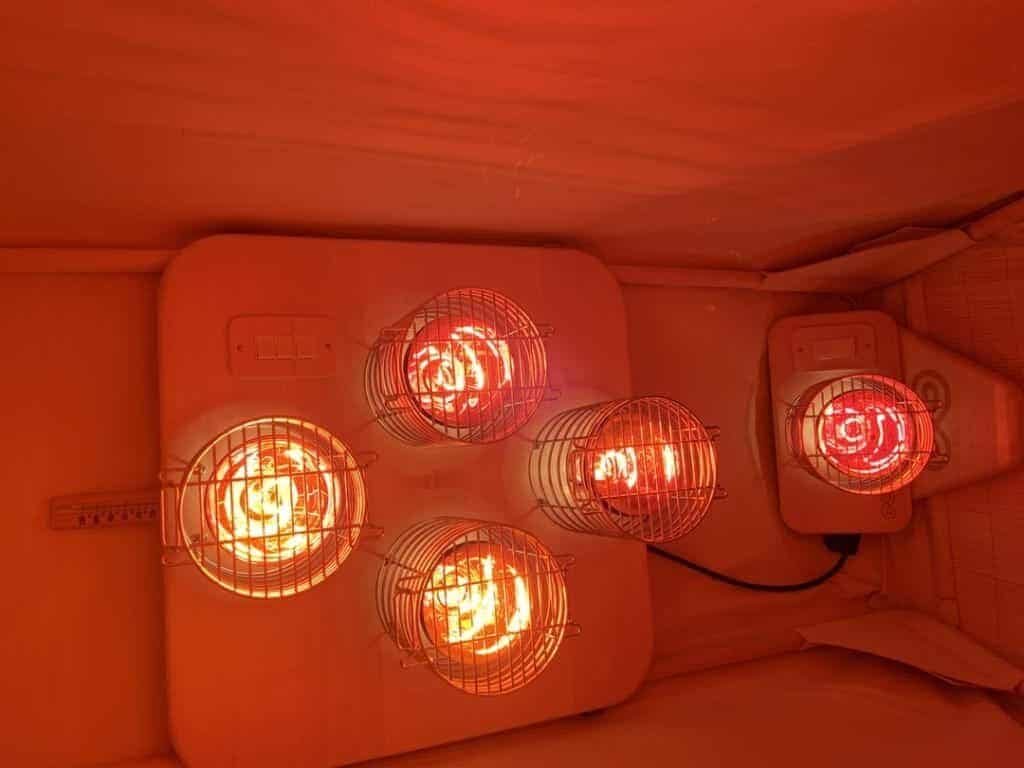
Investing in a quality red light panel for home use is one of the best health investments I’ve made. Having regular access to this therapy delivers compounding benefits for mood, cognition, inflammation, and overall brain health. Combined with a solid supplement and lifestyle foundation, it’s one of the easiest and most effective ways to support your mental performance over the long term.