
For years, I operated under a quiet assumption that my brain was on a one-way decline. Every birthday after 30 felt like another small withdrawal from a cognitive bank account I could never deposit into. I could optimize what I had — sharpen focus with caffeine, protect existing neurons with antioxidants — but the idea of actually growing new brain cells? That felt like science fiction.
Then I stumbled into the neurogenesis literature, and it fundamentally rewired how I think about brain health. Not in a vague, motivational-poster way, but in a concrete, “I need to change my daily habits starting tomorrow” way. The research is clear: your brain can generate brand-new neurons well into old age — and specific, actionable interventions can accelerate the process dramatically. The catch is that most people are doing things every day that suppress it without realizing it.
The Short Version: Adult neurogenesis — the birth of new neurons — is real, measurable, and modifiable. The hippocampus, your brain’s memory center, generates new cells throughout life. Exercise is the single most powerful driver (increasing hippocampal volume by up to 2%), followed by quality sleep, intermittent fasting, stress management, and mindfulness practice. Targeted supplements like Lion’s Mane, Bacopa Monnieri, and DHA can further support the process through independent biological pathways. This guide covers what works, what doesn’t, and how to build a practical neurogenesis protocol.
What Is Neurogenesis?
Neurogenesis is exactly what it sounds like: the birth of new neurons. For most of the 20th century, the prevailing dogma in neuroscience was that you were born with all the brain cells you’d ever have — and it was downhill from there. Santiago Ramon y Cajal, the father of modern neuroscience, declared in 1928 that “in adult centres the nerve paths are something fixed, ended, immutable.” That belief went essentially unchallenged for decades.
The first cracks appeared in the 1960s when Joseph Altman published evidence of new neuron formation in adult rat brains, but his work was largely dismissed by the establishment. It wasn’t until the late 1990s that Peter Eriksson and Fred Gage demonstrated, using BrdU labeling in postmortem tissue, that new neurons were being generated in the human hippocampus throughout adulthood. That study was a paradigm shift — suddenly, the adult brain wasn’t a static organ. It was a dynamic, self-renewing system.
Today, we know that adult neurogenesis primarily occurs in two brain regions:
- The subgranular zone (SGZ) of the hippocampal dentate gyrus — This is the big one for cognition. New neurons born here integrate into existing circuits and contribute directly to learning, memory formation, pattern separation (distinguishing similar memories), and mood regulation.
- The subventricular zone (SVZ) of the lateral ventricles — These neurons migrate to the olfactory bulb and play a role in smell processing.
The hippocampal neurogenesis is what matters most for cognitive function, and it’s remarkably responsive to environmental input. Neural stem cells in the dentate gyrus are constantly dividing, but most of the daughter cells die within weeks unless they receive the right survival signals — growth factors like BDNF (brain-derived neurotrophic factor), adequate blood flow, and integration into active neural circuits. This is where lifestyle and supplementation enter the picture: they determine whether those newly born cells survive, mature, and become functional neurons.
The Evidence: Can Adults Really Grow New Brain Cells?
The short answer is yes — but the full answer is more nuanced and more exciting than a simple yes/no.
The landmark study that put exercise-driven neurogenesis on the map was led by Kirk Erickson at the University of Pittsburgh. Published in the Proceedings of the National Academy of Sciences in 2011, this randomized controlled trial assigned 120 older adults to either an aerobic exercise program (walking 40 minutes, three times per week) or a stretching-only control group for one year. The results were striking: the exercise group showed a 2% increase in hippocampal volume, while the control group experienced the typical 1-1.5% annual decline expected with aging. That means exercise didn’t just slow the shrinkage — it reversed it. The volume increase correlated directly with improvements in spatial memory and with higher serum levels of BDNF (Erickson et al., 2011, PNAS, PMID: 21282661).
Let that sink in. One year of regular walking — not marathon training, not CrossFit — was enough to functionally rejuvenate the hippocampus by several years.
More recent work has elaborated the biological mechanisms behind this effect. A 2025 review in Progress in Brain Research mapped out the neurobiological pathways through which physical activity protects against age-related neuropsychiatric disorders, identifying exercise-induced upregulation of BDNF, IGF-1, and VEGF as key mediators that promote neural progenitor cell proliferation, survival, and integration into hippocampal circuits (2025, Progress in Brain Research, PMID: 41318194). The picture is getting clearer with each passing year — exercise isn’t just “good for the brain” in some hand-wavy sense. It activates specific molecular cascades that drive new neuron formation.
The debate isn’t really about whether adult neurogenesis occurs anymore. It’s about how much, how fast, and — most importantly for us — how to maximize it.
Proven Strategies to Boost Neurogenesis
Exercise — The Most Powerful Neurogenesis Lever
If this guide had only one recommendation, it would be this: move your body regularly and intensely enough to break a sweat. Nothing else in the neurogenesis toolkit comes close to aerobic exercise for raw effect size.
The Erickson 2011 trial demonstrated that even moderate walking increases hippocampal volume and BDNF in older adults (PMID: 21282661). But the benefits scale with intensity. Aerobic exercise triggers a cascade that begins in your muscles and ends in your hippocampus: contracting muscles release lactate, cathepsin B, and irisin into the bloodstream. These molecules cross the blood-brain barrier and stimulate BDNF production in hippocampal neurons. BDNF then binds TrkB receptors on neural progenitor cells, activating the PI3K/Akt and MAPK/ERK signaling pathways that promote cell survival, differentiation, and synaptic integration.
In plain English: exercise sends a chemical signal from your body to your brain that says “grow.”
Practical protocol:
- Minimum effective dose: 30-40 minutes of moderate aerobic exercise (brisk walking, cycling, swimming), 3-5 times per week
- Optimal range: 150-300 minutes per week of moderate-intensity or 75-150 minutes of vigorous-intensity activity
- HIIT bonus: High-intensity interval training produces the largest acute BDNF spikes — 20-30 minutes of intervals with recovery periods
- Consistency over intensity: A 2025 mechanistic review confirmed that chronic, sustained exercise produces lasting structural changes, not just temporary surges (PMID: 41318194). Ten weeks minimum before expecting measurable hippocampal changes.
Pro Tip: Exercising outdoors amplifies the neurogenesis effect. Natural environments reduce cortisol (a neurogenesis suppressor) while the physical activity drives the growth signal. A morning trail run or bike ride is a double hit.
Sleep — The Consolidation and Construction Phase
Sleep is when your brain performs its most critical maintenance — and that includes nurturing newly born neurons. During slow-wave sleep (stages 3 and 4), the hippocampus replays the day’s experiences, consolidating memories into long-term storage. But sleep also provides the low-cortisol, high-growth-hormone environment that neural progenitor cells need to survive and integrate.
Disrupting this process has severe consequences. A 2026 review in IBRO Neuroscience Reports examined the neurobiological mechanisms through which sleep deprivation impairs memory, identifying reduced hippocampal neurogenesis as a key pathway. The authors found that even short-term sleep restriction suppresses neural progenitor cell proliferation in the dentate gyrus and disrupts the synaptic plasticity mechanisms (LTP and LTD) that newly born neurons depend on for circuit integration (2026, IBRO Neuroscience Reports, PMID: 41631014). Chronic sleep deprivation doesn’t just make you tired — it actively prevents new brain cells from being born and kills the ones that are.
Sleep neurogenesis protocol:
- 7-9 hours nightly — non-negotiable. Each hour below 7 correlates with progressive hippocampal volume decline.
- Consistent schedule — Your circadian rhythm regulates growth hormone and cortisol pulsatility. Irregular sleep times disrupt the hormonal environment neurogenesis depends on.
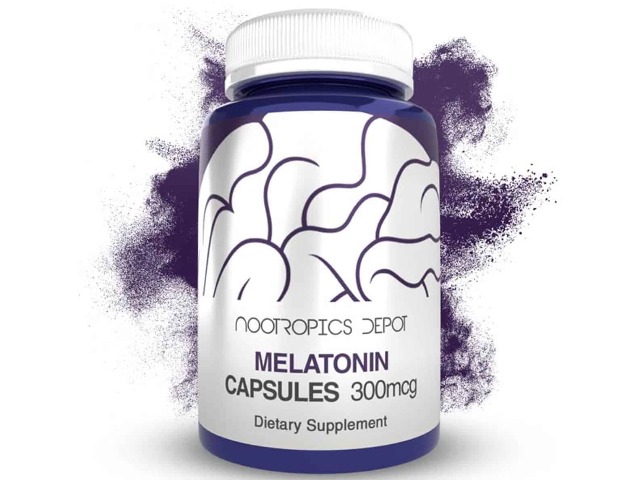
- Dark, cool environment — Melatonin isn’t just a sleep hormone. It’s also a direct neuroprotective and antioxidant agent in the hippocampus.
- Support if needed: Melatonin at low doses (0.5-1mg) can reinforce circadian timing without the grogginess of higher doses.
Important: If you’re exercising intensely but sleeping poorly, you’re undermining the very process exercise initiates. BDNF-dependent neural maturation requires adequate sleep. Fix sleep first.
Intermittent Fasting — Metabolic Stress That Builds the Brain
Intermittent fasting promotes neurogenesis through two elegant mechanisms: ketone body production and autophagy activation. When you fast for 14-18 hours, declining glucose availability pushes the liver to produce beta-hydroxybutyrate (BHB), a ketone body that crosses the blood-brain barrier and directly stimulates BDNF gene expression. Simultaneously, fasting activates autophagy — your cells’ recycling program — clearing damaged proteins and organelles from neural progenitor cells and creating a cleaner environment for new neuron development.
A 2025 review in Progress in Brain Research detailed how intermittent fasting and the resulting ketone bodies enhance neurotrophic signaling, reduce oxidative stress, and promote hippocampal neurogenesis through BDNF-dependent and BDNF-independent pathways (2025, Progress in Brain Research, PMID: 40769644). Separately, a 2025 evidence review in The Journal of Nutrition, Health and Aging synthesized clinical and preclinical data showing that intermittent fasting regimens improve cognitive function and may slow the progression of neurocognitive disorders, with neurogenesis identified as one of the underlying mechanisms (2025, The Journal of Nutrition, Health and Aging, PMID: 39798403).
Fasting for neurogenesis:
- 16:8 protocol — Eat within an 8-hour window, fast for 16 hours. This is the most studied and practical approach.
- Start gradually — Begin with 14:10 for a week, then compress to 16:8. Your brain runs on glucose and ketones, and it needs time to upregulate ketone metabolism.
- Fasted morning exercise — Stacking a workout during the fasting window amplifies both the BDNF surge from exercise and the ketone production from fasting. This is my favorite neurogenesis hack.
- Stay hydrated — Dehydration mimics cognitive impairment and confounds any perceived benefit.
Reality Check: Fasting beyond 24 hours shifts the hormonal environment from hormetic (beneficial stress) to catabolic (tissue breakdown). The neurogenesis sweet spot is the 16-20 hour fasting window. More isn’t better here.
Stress Management — Protecting New Neurons from Cortisol
Chronic stress is neurogenesis’s worst enemy. Sustained elevation of cortisol — the primary stress hormone — directly suppresses neural progenitor cell proliferation in the hippocampus and kills immature neurons before they can integrate into circuits. This isn’t a minor modulation; it’s a significant biological brake.
A 2019 study published in Scientific Reports demonstrated that chronic unpredictable mild stress disrupted neurodevelopment, impairing hippocampal neurogenesis and producing measurable deficits in learning and memory. The stress-exposed subjects showed reduced expression of BDNF and other neurotrophic factors critical for new neuron survival (2019, Scientific Reports, PMID: 30718708). The implications for humans are direct: if you’re chronically stressed — from work, relationships, financial pressure, or just the compounding low-grade anxiety of modern life — you’re actively suppressing the brain’s regenerative capacity.
Stress management strategies for neurogenesis:
- Identify and reduce chronic stressors — This sounds obvious but is the single most impactful step. No supplement compensates for a toxic work environment or unresolved relationship conflict.
- Adaptogenic support — Ashwagandha (300-600mg KSM-66 daily) has demonstrated cortisol-lowering effects in multiple RCTs, creating a more favorable hormonal environment for neurogenesis. Rhodiola Rosea (200-400mg daily) modulates the HPA axis and may directly support BDNF expression under stress.
- Vagal tone practices — Deep breathing, cold exposure, and social connection all activate the parasympathetic nervous system, shifting your neurochemistry away from cortisol dominance.
- Nature exposure — 20-30 minutes in green spaces measurably reduces salivary cortisol. It’s the simplest stress intervention with the fewest side effects.
Mindfulness and Meditation — Structural Brain Changes
Meditation isn’t just stress management — it produces measurable structural changes in brain regions associated with neurogenesis. A 2025 review in Progress in Brain Research examined the cognitive and emotional effects of mindfulness practice, finding evidence that sustained meditation promotes changes in hippocampal structure and function, enhances emotional regulation through prefrontal-limbic circuit modulation, and supports the neuroplasticity mechanisms that underlie new neuron integration (2025, Progress in Brain Research, PMID: 41318201).
The mechanism appears to be multifaceted: meditation reduces cortisol (protecting progenitor cells), increases gray matter density in the hippocampus (suggesting increased cell count or dendritic complexity), and enhances default mode network connectivity (facilitating the integration of new neurons into existing circuits).
Meditation protocol for neurogenesis:
- 10-20 minutes daily — Consistency matters far more than duration. Ten minutes daily outperforms an occasional one-hour session.
- Focused attention or body scan — Both methods activate hippocampal circuits. Pick the one you’ll actually do.
- Post-exercise meditation — Meditating within 30 minutes of exercise appears to extend the BDNF window by keeping cortisol suppressed while growth factor levels remain elevated.
- Long-term commitment — Structural changes in gray matter density typically require 8+ weeks of consistent practice.
Nootropic Supplements That Support Neurogenesis
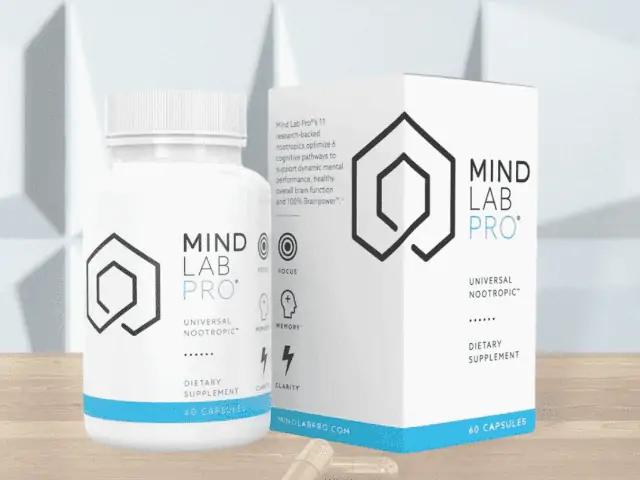
Let me be direct: no supplement replaces the lifestyle interventions above. Exercise, sleep, fasting, and stress management are the heavy hitters. But once those foundations are solid, certain compounds can provide meaningful additional support through independent biological pathways.
Lion’s Mane — NGF Stimulation
Lion’s Mane occupies a unique position in the nootropic landscape because it’s one of the only widely available compounds that directly stimulates Nerve Growth Factor (NGF) — a protein distinct from BDNF that specifically supports the growth, maintenance, and survival of neurons. While most neurogenesis interventions work through BDNF, Lion’s Mane adds a second, complementary growth pathway.
The bioactive compounds responsible are hericenones (from the fruiting body) and erinacines (from the mycelium). Both cross the blood-brain barrier and trigger NGF synthesis in the hippocampus. A double-blind, placebo-controlled trial of Japanese adults with mild cognitive impairment found that 16 weeks of Lion’s Mane supplementation significantly improved cognitive function scores, with benefits increasing progressively at weeks 8, 12, and 16 — and disappearing after discontinuation, confirming the mushroom was driving the effect (Mori et al., 2009, Phytotherapy Research, PMID: 18844328).
More recent work has expanded our understanding of how Lion’s Mane supports neural growth. A 2026 review in the International Journal of Molecular Sciences proposed a novel neurotrophic-epigenetic axis, suggesting that Lion’s Mane bioactives may exert neurogenic effects not just through classical NGF/BDNF pathways but also through non-coding RNA networks that regulate gene expression in neural progenitor cells (2026, International Journal of Molecular Sciences, PMID: 41683696). This is an exciting frontier — it suggests Lion’s Mane may influence neurogenesis at a deeper level than previously understood.
- Dosage: 500-1000mg daily of a dual-extract (fruiting body + mycelium)
- Onset: 4-8 weeks for noticeable cognitive effects
- Best for: Long-term neurogenesis support, learning enhancement, age-related cognitive maintenance
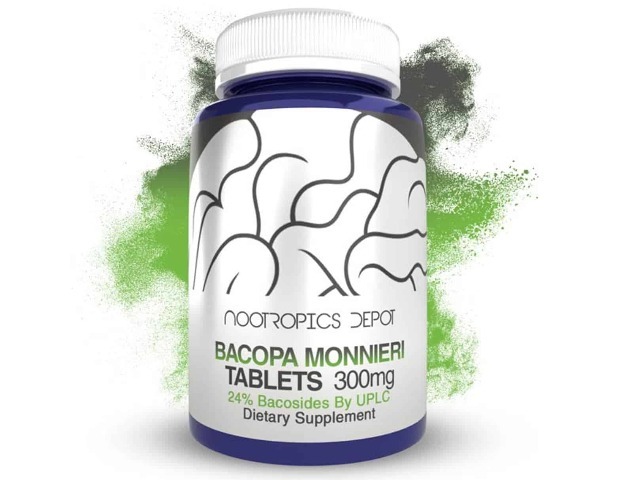
Bacopa Monnieri — Dendrite Branching and Neuroplasticity
Bacopa doesn’t create new neurons directly — it enhances the structural complexity and connectivity of existing and newly born ones. The active compounds, bacosides A and B, promote dendritic branching in hippocampal neurons, effectively growing new “antennae” that increase each neuron’s capacity to form synaptic connections. For neurogenesis to matter, new neurons need to wire into existing circuits — and Bacopa facilitates that wiring.
A meta-analysis of 9 randomized controlled trials concluded that Bacopa monnieri extract significantly improves attention, cognitive processing speed, and working memory (Kongkeaw et al., 2014, Journal of Ethnopharmacology, PMID: 24252493). A 2022 comprehensive review in Current Topics in Medicinal Chemistry further detailed Bacopa’s mechanisms in brain disorders, highlighting its role in enhancing synaptic plasticity, reducing oxidative stress in hippocampal tissue, and supporting neurotransmitter balance — all conditions that favor the survival and integration of newly born neurons (2022, Current Topics in Medicinal Chemistry, PMID: 35043757).
- Dosage: 300-600mg daily, standardized to 50% bacosides
- Onset: 8-12 weeks (this is a slow-burn compound — don’t quit early)
- Best for: Memory consolidation, learning complex material, supporting the maturation phase of neurogenesis
DHA (Omega-3) — Structural Foundation for New Neurons
Docosahexaenoic acid (DHA) is the dominant omega-3 fatty acid in neuronal membranes, constituting roughly 40% of the polyunsaturated fatty acids in the brain. Every new neuron your hippocampus produces needs DHA to build its cell membrane, form synaptic connections, and maintain the membrane fluidity required for signal transduction. Without adequate DHA, neurogenesis can proceed but the resulting neurons are structurally compromised.
A 2025 review in Cellular and Molecular Neurobiology detailed the effects and mechanisms of omega-3 and omega-6 polyunsaturated fatty acids in the central nervous system, finding that DHA supplementation supports neuronal membrane integrity, enhances BDNF signaling, reduces neuroinflammation through resolvin and protectin pathways, and promotes the survival of newly differentiated neurons in the hippocampus (2025, Cellular and Molecular Neurobiology, PMID: 40097862).
Think of DHA as the building material. Exercise and fasting send the “build” signal. But if you don’t have enough raw material, the construction stalls.
- Dosage: 1-2g combined EPA/DHA daily (prioritize DHA content)
- Sources: Wild-caught fatty fish 2-3x/week, or triglyceride-form fish oil or algae-derived DHA supplements
- Best for: Providing the structural substrate for new neuron development, anti-neuroinflammation
Curcumin — BDNF Upregulation and Neuroprotection
Curcumin, the primary bioactive compound in turmeric, supports neurogenesis primarily through BDNF upregulation. It activates the BDNF/TrkB signaling cascade directly and also reduces neuroinflammation through NF-kB pathway inhibition — clearing the inflammatory debris that can kill newly born neurons before they mature.
The challenge with curcumin is bioavailability. Raw turmeric delivers less than 1% of its curcumin content to systemic circulation. You need either piperine (black pepper extract, which boosts absorption roughly 2,000%) or a lipid-based formulation. Once it’s absorbed, curcumin crosses the blood-brain barrier and has demonstrated BDNF-enhancing effects in multiple human trials, with effect sizes comparable to some pharmaceutical antidepressants.
- Dosage: 500-1000mg curcumin daily with piperine or as a bioenhanced formulation
- Onset: 4-8 weeks for cumulative neurotropic effects
- Best for: BDNF support, neuroprotection, anti-inflammatory environment for neurogenesis
Common Myths About Neurogenesis
Myth: Your brain stops growing new neurons after childhood. This was the dominant belief for most of the 20th century and it is wrong. The hippocampus generates new neurons throughout the human lifespan. The rate declines with age but never reaches zero — and interventions like exercise can partially reverse age-related decline.
Myth: Brain training apps promote neurogenesis. Cognitive training improves performance on the specific tasks you practice, but there is no convincing evidence that apps like Lumosity or BrainHQ stimulate the birth of new neurons. Learning novel, complex skills (a new language, a musical instrument) engages hippocampal circuits more meaningfully than repetitive digital exercises.
Myth: Any supplement labeled “neurogenesis” actually promotes it. Most supplements marketed for neurogenesis have zero human evidence for that specific claim. BDNF support is not the same as neurogenesis — BDNF is one of several signals needed, but cell proliferation, survival, differentiation, and circuit integration are distinct biological steps. Be skeptical of any product claiming to “grow new brain cells” directly.
Myth: More neurogenesis is always better. In theory, unregulated neural progenitor cell proliferation could contribute to aberrant circuit formation. The lifestyle and supplement interventions discussed here produce physiologically regulated increases — your brain has built-in quality control mechanisms that prune neurons that don’t integrate properly. You’re not going to “over-grow” neurons from running and taking Lion’s Mane.
Myth: You can feel neurogenesis happening. You can’t. Neurogenesis is a slow, sub-perceptual process that unfolds over weeks to months. What you can feel are the downstream effects: improved memory, faster learning, better mood resilience, and sharper pattern recognition. These are the functional signatures of a brain that’s successfully integrating new neurons.
FAQ
How long does it take for new neurons to become functional? From birth to full functional integration, a new hippocampal neuron takes approximately 4-8 weeks. During this window, the cell must migrate to its proper position, extend dendrites, form synaptic connections with existing circuits, and survive a competitive selection process. This timeline explains why the benefits of exercise and supplements take weeks to manifest — you’re waiting for neurons to mature.
Can neurogenesis reverse age-related cognitive decline? Partially, yes. The Erickson 2011 trial showed that one year of aerobic exercise reversed age-related hippocampal volume loss by 1-2 years and improved spatial memory in older adults. Neurogenesis is one mechanism contributing to this reversal, alongside improved vascular function and reduced inflammation. It won’t undo decades of decline overnight, but it can meaningfully slow and partially reverse the trajectory.
Does alcohol kill neurogenesis? Chronic heavy alcohol consumption significantly suppresses hippocampal neurogenesis — this is well-established in animal models and supported by human neuroimaging data showing hippocampal volume loss in alcohol use disorder. Moderate occasional consumption appears to have minimal impact, but regular heavy drinking is one of the most potent neurogenesis suppressors known.
Is neurogenesis the same as neuroplasticity? No. Neurogenesis (birth of new neurons) is one component of neuroplasticity (the brain’s broader ability to reorganize itself). Neuroplasticity also includes synaptic strengthening, dendritic growth, myelination changes, and circuit reorganization — all of which can occur without new neurons being born. Neurogenesis adds fresh hardware; neuroplasticity also includes software upgrades to existing hardware.
What is the best single intervention for neurogenesis? Aerobic exercise. No other intervention has the breadth and depth of evidence for promoting hippocampal neurogenesis in humans. If you can only change one thing, make it 30-40 minutes of moderate-to-vigorous aerobic activity at least three times per week.
My Take
I’ll be straightforward about what changed for me. Learning about neurogenesis didn’t just add a few supplements to my routine — it reframed how I think about cognitive aging entirely. The old mental model was defensive: protect what you have, slow the decline, accept the inevitable. The new model is generative: your brain is building new cells right now, and your daily choices determine whether those cells survive or die.
My current neurogenesis protocol is simple and stacks the interventions that have the most evidence behind them. I run or cycle fasted for 30-40 minutes four mornings per week — the fasted exercise window hits both the BDNF surge from aerobic activity and the ketone production from the overnight fast. I meditate for 10 minutes immediately afterward, which I think of as extending the growth-factor window by keeping cortisol from spiking. I eat within a roughly 16:8 window most days, breaking my fast around noon with a meal that includes fatty fish or an omega-3 supplement.
On the supplement side, I take Lion’s Mane daily (1g dual-extract) for the NGF pathway, DHA (1g algae-derived) for neuronal membrane support, and curcumin with piperine for BDNF and anti-inflammatory coverage. I cycle Bacopa in 12-week blocks when I’m in heavy learning phases. And I take sleep extremely seriously — 7.5 to 8 hours nightly, consistent schedule, dark room, no exceptions.
None of this is exotic. None of it is expensive. The most powerful neurogenesis tool I have is a pair of running shoes. But understanding the biology behind why these habits work has made me dramatically more consistent with them. It’s one thing to know exercise is “good for the brain.” It’s another thing entirely to understand that your hippocampus is literally growing new neurons in response to your morning run — and that skipping it means those progenitor cells die.
Your brain is not a fixed machine winding down. It’s a living system that responds to what you do with it. Treat it accordingly.