I used to be a three-cup-a-day coffee person. French press in the morning, cold brew at lunch, and an afternoon espresso that I told myself was “just for the taste.” The focus was real — for about 45 minutes. Then came the jitters, the crash, the 3 PM stare-at-the-wall session where I’d reread the same email four times without absorbing a single word. I was riding a caffeine roller coaster and calling it productivity.
That shifted about four years ago when I started digging into functional beverages — drinks formulated with ingredients that claim to do more than just spike your adrenaline. Matcha lattes with added L-theanine. Mushroom coffees with lion’s mane. Sparkling waters infused with adaptogens. The “nootropic drink” market has absolutely exploded, and the marketing is incredibly seductive. But after spending hundreds of hours reading the actual clinical literature, I can tell you this: most of these drinks are selling a story, not science. A handful, though, contain ingredients with genuinely compelling evidence. The trick is knowing the difference.
The Short Version: The most evidence-backed nootropic drink ingredients are L-theanine paired with caffeine (the gold standard for calm, sustained focus), green tea polyphenols like EGCG, and adaptogens like rhodiola and ginseng. Lion’s Mane mushroom shows promise for long-term neuroprotection, and MCT oil may provide an alternative brain fuel source. Below, I break down exactly what the science says about each ingredient — the good, the bad, and the overhyped.
What Makes a Drink “Nootropic”?
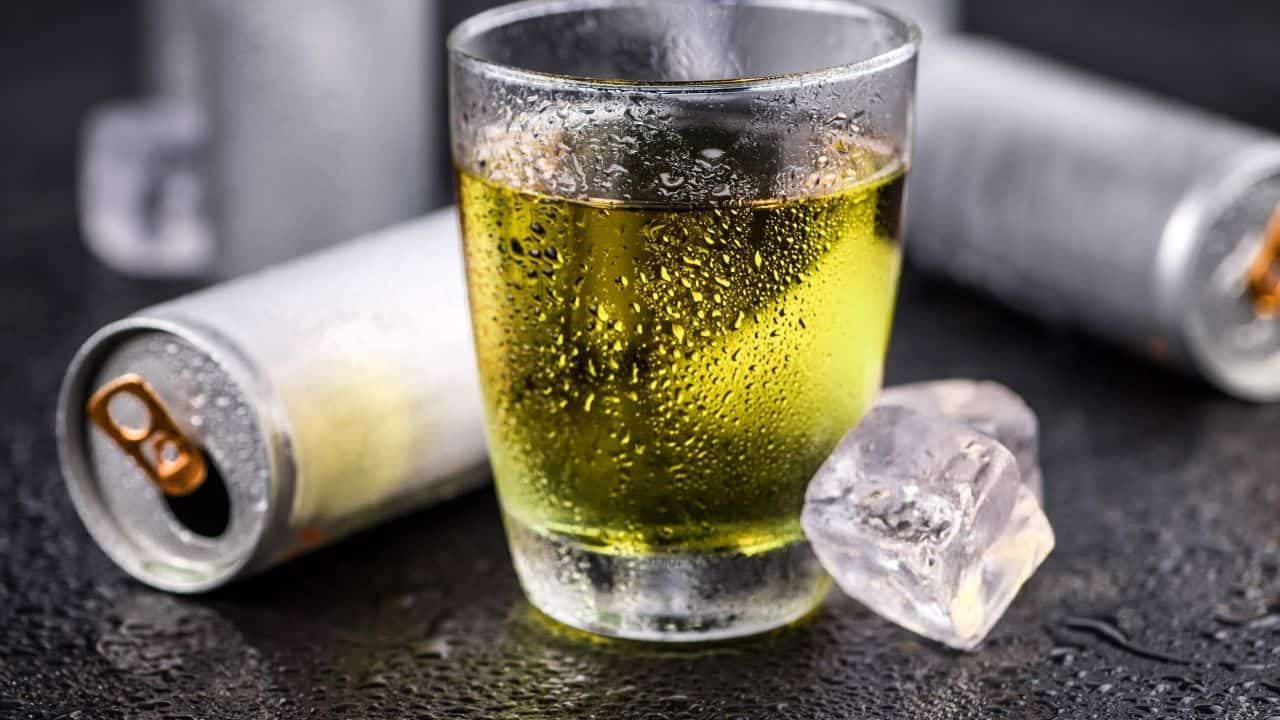
The term “nootropic” was coined in 1972 by Romanian psychologist Corneliu Giurgea, who defined it as any substance that enhances cognition without significant side effects. By that strict definition, most energy drinks don’t qualify — they boost alertness through raw stimulation, often at the cost of anxiety, insomnia, and cardiovascular stress.
A genuine nootropic beverage should do something more nuanced than just flood your system with caffeine and sugar. It should contain ingredients that support actual cognitive mechanisms — neurotransmitter synthesis, cerebral blood flow, neuroprotection, or stress resilience — at clinically meaningful doses.
Here’s the problem: the functional beverage industry is largely unregulated when it comes to cognitive claims. A company can slap “brain fuel” on a can of caffeinated sugar water and face zero consequences. So the burden of evaluation falls on you, the consumer. And that starts with understanding which ingredients actually have evidence behind them.
The Ingredients That Actually Work
L-Theanine + Caffeine: The Gold Standard
If there’s one nootropic stack that deserves the word “proven,” it’s L-theanine combined with caffeine. This combination has been studied more extensively than almost any other nootropic pairing, and the results are remarkably consistent.
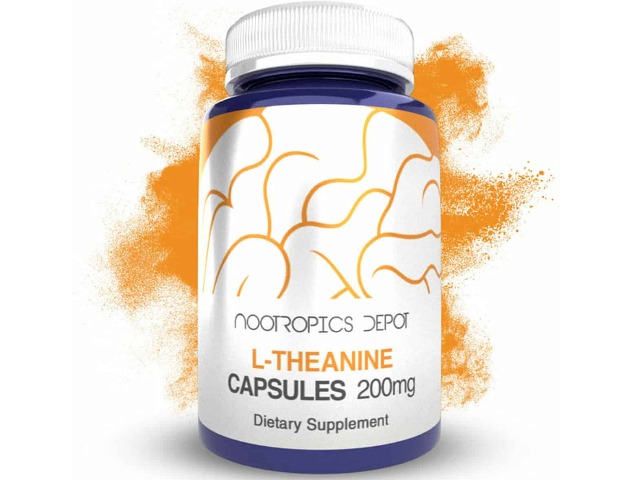
L-theanine is an amino acid found naturally in tea leaves (especially green tea). On its own, it promotes alpha brain wave activity — the neural signature of relaxed, wakeful attention. Caffeine, as most people know, blocks adenosine receptors and increases dopamine and norepinephrine signaling. Together, you get the alertness of caffeine without the jitteriness, and the calm of L-theanine without the drowsiness.
A 2025 study published in Frontiers in Nutrition (2025; PMID 41668720) examined the acute effects of combined caffeine and theanine supplementation on both physical and cognitive performance. The researchers found that the combination produced synergistic benefits for sustained attention and reaction time that exceeded what either compound delivered alone. This wasn’t just additive — the pairing created something genuinely greater than the sum of its parts.
This synergy was first characterized in landmark work by Nobre, Rao, and Owen (Asia Pacific Journal of Clinical Nutrition, 2008; PMID 18296328), who demonstrated that L-theanine directly promotes alpha wave production — the neurological basis for that “calm focus” everyone chases. Their research showed measurable changes in brain electrical activity within 30-40 minutes of consumption, providing the mechanistic foundation for why this combination works so well.
A 2019 review in Progress in Neuro-Psychopharmacology and Biological Psychiatry (Camfield et al., 2019; PMID 30213684) explored the broader psychopharmacology of methylxanthine interactions with plant-derived phytochemicals and confirmed that the caffeine-theanine interaction represents one of the most robust examples of phytochemical synergy in cognitive neuroscience.
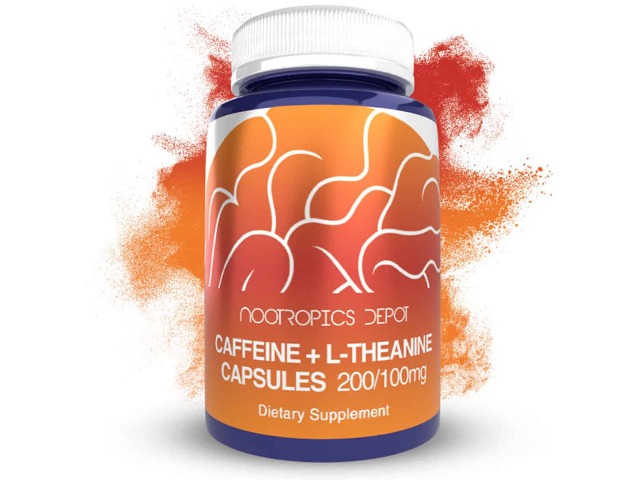
The practical ratio: 2:1 L-theanine to caffeine (200mg theanine with 100mg caffeine). This is the ratio most commonly used in clinical trials. A standard cup of green tea naturally contains roughly 20-30mg of L-theanine and 30-50mg of caffeine — not quite the clinical ratio, which is why supplemental L-theanine alongside your normal caffeine source makes sense.
Onset: 30-60 minutes. Duration: 3-5 hours. Virtually zero side effects at standard doses.
L-Theanine Solo: Relaxation Without Sedation
Even without caffeine, L-theanine has an interesting evidence profile as a standalone nootropic ingredient in beverages.
A comprehensive 2025 review in Nutrition Research (Dashwood and Visioli, 2025; PMID 39854799) evaluated the full scope of L-theanine research for brain health and relaxation. Their conclusion was measured but positive: L-theanine reliably reduces subjective stress and anxiety at doses of 200-400mg without causing sedation, and may support cognitive performance under stressful conditions. The effect on relaxation appears to be its most robust benefit, making it particularly useful in calming beverages designed for evening or high-stress use.
A 2025 meta-analysis published in the Journal of Clinical Medicine (2025; PMID 41227106) painted a more nuanced picture. The authors concluded that L-theanine’s effect on cognitive performance is “promising, but not completely conclusive” — the relaxation and anxiety-reduction effects are well-established, but the direct cognitive enhancement effects on their own (without caffeine) are more modest and variable across studies. This matters because many functional beverages contain L-theanine without caffeine and market themselves as “focus” drinks. The evidence better supports “calm” than “focus” when theanine flies solo.
Takeaway: L-theanine on its own is a legitimate anti-stress ingredient. But if a caffeine-free drink is marketing itself as a cognitive enhancer based solely on L-theanine, the evidence doesn’t fully support that claim. It’s more accurately a relaxation aid that may secondarily improve performance by reducing anxiety interference.
Green Tea and Matcha (EGCG): The Complete Package
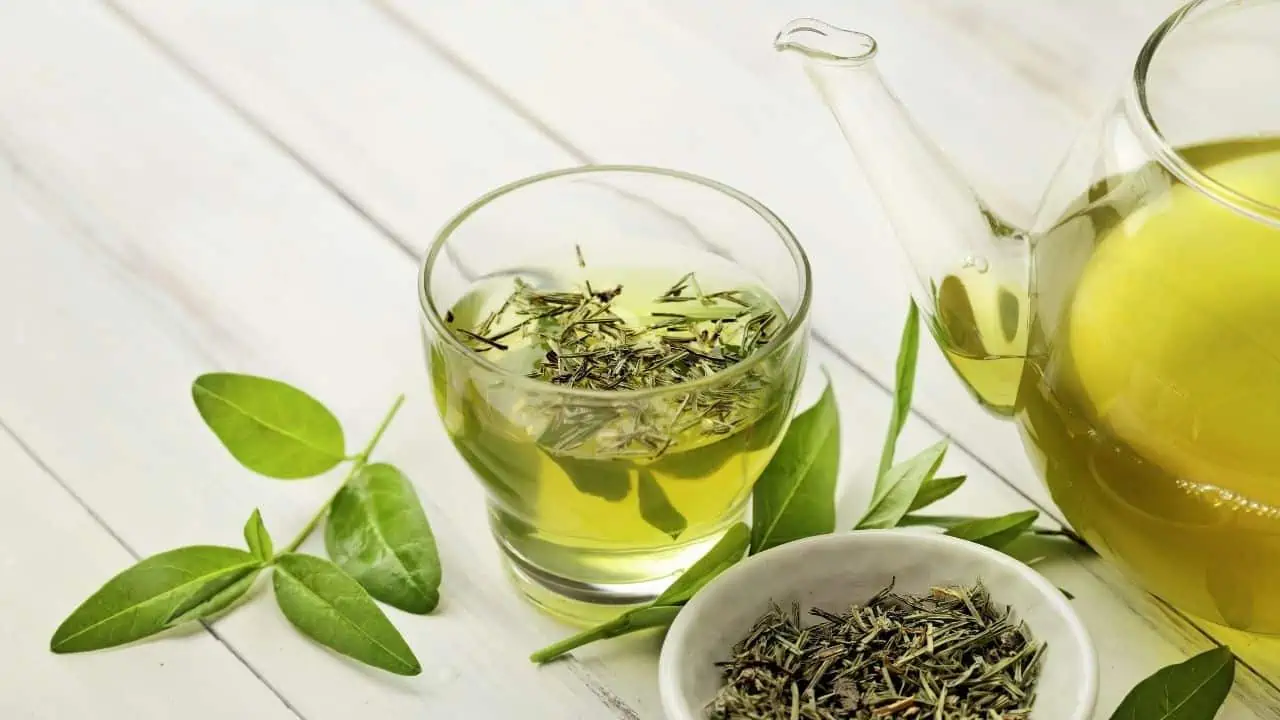
There’s a reason green tea has been associated with cognitive health across centuries of traditional use — it’s essentially nature’s nootropic cocktail. You get L-theanine, caffeine, and a potent dose of polyphenols, particularly epigallocatechin gallate (EGCG). When you drink matcha specifically, you’re consuming the whole tea leaf, which dramatically increases your exposure to all three compounds.
A 2026 review in the Journal of the Science of Food and Agriculture (2026; PMID 41645939) systematically compared matcha to coffee as a cognitive-health beverage. The authors found that matcha delivers a multidimensional benefit profile that coffee simply can’t match: the L-theanine modulates the caffeine response, the EGCG provides antioxidant and neuroprotective effects, and the combination produces a smoother, longer-lasting energy curve without the crash associated with coffee. The review positioned matcha as a “sustainable and health-promoting coffee substitute” — strong language for a peer-reviewed paper.
Beyond the cognitive effects, EGCG has emerged as a fascinating compound for gut-brain axis health. A 2025 review in Advances in Nutrition (2025; PMID 41106481) detailed how EGCG modulates gut microbiota composition and supports the gut-health axis, which is increasingly recognized as a key pathway for brain function. The researchers documented EGCG’s role in reducing intestinal inflammation and promoting beneficial bacterial populations — both of which have downstream effects on mood, cognitive clarity, and stress resilience.
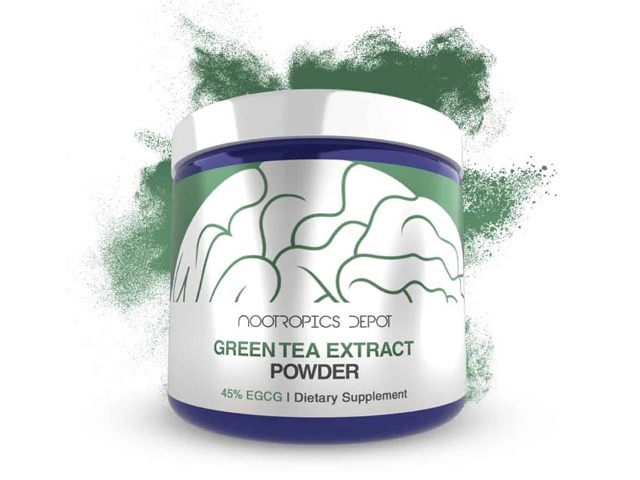
The practical angle: Matcha delivers roughly 30-70mg of caffeine, 20-30mg of L-theanine, and 50-100mg of EGCG per serving. That’s a legitimate nootropic profile in a single drink. If you see a functional beverage built around matcha or high-quality green tea extract, it has more scientific credibility than most of the flashy alternatives.
One caveat: EGCG can interfere with iron absorption when consumed with meals, and high doses of concentrated green tea extract (800mg+ EGCG in supplement form) have been associated with liver stress in rare cases. In beverage form, you’re unlikely to hit problematic doses, but it’s worth noting.
Adaptogenic Herbs: Rhodiola and Ginseng
Adaptogens are having a moment in the beverage industry, and two of them — rhodiola and ginseng — actually have the clinical evidence to justify their inclusion.
Rhodiola Rosea is one of my favorite stress-performance compounds. It works primarily by modulating cortisol and supporting stress resilience, which indirectly enhances cognitive performance during demanding situations. A 2025 randomized, triple-blinded, placebo-controlled crossover trial published in Nutrients (Marcos-Frutos et al., 2025; PMID 40289957) examined Rhodiola’s impact on performance under mental fatigue conditions. The researchers found that Rhodiola extract significantly attenuated the performance decline typically seen under mental fatigue — essentially, it helped participants maintain their cognitive baseline when stress would normally drag it down. This is a critical distinction: Rhodiola doesn’t necessarily make you smarter, but it prevents you from getting dumber when you’re tired and stressed.
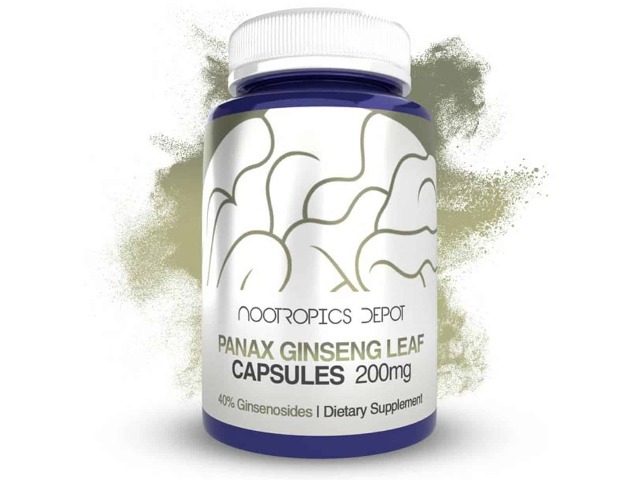
Panax Ginseng has a different but complementary profile. A 2025 study in Frontiers in Sports and Active Living (2025; PMID 41048625) investigated a standardized ginseng extract (Cereboost) on mood, cognitive function, and simulated driving performance in professional race car drivers — a population with extreme cognitive demands. The researchers found significant improvements in working memory, mood, and sustained attention. What makes this study notable is the participant population: these aren’t sedentary students taking a computer test — they’re professional drivers whose cognitive performance literally determines their safety.
The challenge with adaptogens in drinks: dosing. Most clinical trials use 200-400mg of standardized Rhodiola extract (3% rosavins, 1% salidroside) or 200mg of standardized Panax Ginseng. Many functional beverages include “adaptogen blends” at total doses of 50-100mg — a fraction of what the research supports. If the label says “proprietary adaptogen blend” without specifying individual doses, you’re almost certainly getting a sprinkle rather than a serving.
Lion’s Mane: The Mushroom Coffee Ingredient
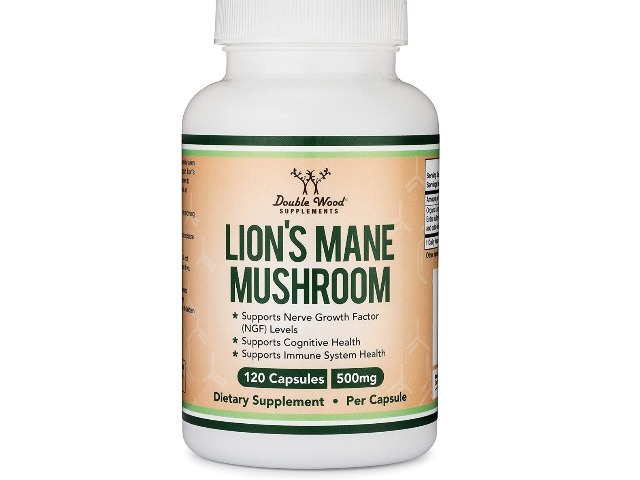
Lion’s Mane (Hericium erinaceus) has become the poster child of the mushroom coffee movement. You’ll find it in dozens of coffee alternatives, mushroom lattes, and functional blends. The pitch is always the same: support your brain with the power of medicinal mushrooms. But what does the actual evidence say?
A 2025 systematic review published in Frontiers in Nutrition (Menon et al., 2025; PMID 40959699) analyzed the available clinical and preclinical evidence for Lion’s Mane supplementation. The review confirmed that Lion’s Mane stimulates nerve growth factor (NGF) production — a protein essential for the growth, maintenance, and survival of neurons. This mechanism is genuinely exciting for long-term neuroprotection and cognitive maintenance.
However, the reviewers noted some important caveats. Most of the dramatic findings come from animal models. Human studies, while generally positive for mild cognitive improvement and mood enhancement, are fewer in number and use varying preparations (fruiting body vs. mycelium, different extraction methods, different doses). The review found the evidence strongest for mild cognitive impairment in older adults and for mood support, with the cognitive performance benefits in healthy young adults being less consistent.
The practical reality: Lion’s Mane is a long-game compound. You’re not going to feel sharper after one mushroom latte. The benefits, if they come, compound over weeks to months of consistent use. Most clinical trials showing positive results used 500-3,000mg/day of fruiting body extract over 8-16 weeks. A typical mushroom coffee contains 250-500mg per serving — on the lower end of what the research supports.
Bottom line: Lion’s Mane is a legitimate ingredient with a real mechanism of action, but it’s best understood as a long-term neuroprotective strategy, not an acute cognitive booster. If a product markets it as “instant focus from mushrooms,” that’s not what the science shows.
MCT Oil: Alternative Brain Fuel
Medium-chain triglycerides (MCTs) have become a staple in “brain coffee” and ketogenic beverages. The theory is straightforward: MCTs are rapidly converted to ketones by the liver, and ketones can cross the blood-brain barrier to serve as an alternative fuel source for neurons. This is particularly relevant because glucose metabolism in the brain declines with aging and in certain neurodegenerative conditions.
A 2026 study published in Physiology and Behavior (2026; PMID 41443401) provided some of the strongest evidence yet for MCTs and cognitive function in healthy young adults. The researchers tested both a single acute dose and a 4-week daily regimen of MCT supplementation. They found that even a single dose improved certain aspects of cognitive function, and that the 4-week regimen produced additional benefits. This is significant because it demonstrates both acute and chronic cognitive effects in healthy individuals — not just in populations with existing cognitive decline.
What this means for beverages: Adding MCT oil to coffee or other drinks does have a mechanistic and clinical basis for cognitive support. The key is dose — most studies use 15-30g of MCT oil per day. A tablespoon of MCT oil in your morning coffee delivers roughly 14g, which is in the therapeutic range.
Caveat: MCT oil can cause significant gastrointestinal distress (cramping, diarrhea) if you’re not accustomed to it. Start with a teaspoon and work up to a tablespoon over a week or two. And if a functional beverage contains “MCT oil” without specifying the amount, it’s likely a token inclusion rather than a functional dose.
Ingredients That Don’t Live Up to the Hype
For every evidence-based ingredient in the nootropic drink space, there are a dozen riding on marketing alone. Here’s what to watch out for:
Proprietary Blends. This is the biggest red flag in functional beverages. When a label lists a “Cognitive Enhancement Blend” at 500mg total without breaking down individual ingredients, you have no way to know if any single ingredient is present at a clinically meaningful dose. Companies use proprietary blends for two reasons: to protect a genuinely novel formulation (rare) or to hide the fact that they’re using pixie-dust amounts of expensive ingredients (common).
B-Vitamins at Mega Doses. Many “brain drinks” tout 500-1,000% of the daily value for B6, B12, and niacin. Unless you have a diagnosed deficiency, mega-dose B-vitamins don’t enhance cognition. Your body excretes what it doesn’t need. You’re paying for expensive urine.
Sugar-Loaded “Brain Drinks.” Some functional beverages contain 30-40g of sugar per serving while claiming to support cognitive function. Sugar provides a brief spike in energy followed by a crash that actively impairs focus and working memory. If your “nootropic drink” has more sugar than a can of soda, it’s working against you.
Underdosed Adaptogens and Mushroom Extracts. A functional beverage listing “ashwagandha, rhodiola, lion’s mane, cordyceps, reishi” sounds impressive until you realize the total mushroom blend is 100mg. Clinical doses for individual mushrooms start at 500mg. When you divide that 100mg across five ingredients, you’re getting 20mg each — essentially nothing.
“Brain-Boosting” Amino Acids at Trace Amounts. Tyrosine, taurine, and GABA show up on many nootropic drink labels. L-tyrosine needs 500-2,000mg to meaningfully affect dopamine synthesis. Taurine benefits appear at 1-3g. If the label doesn’t specify amounts — or if the total “amino blend” is under 500mg — the ingredients are decorative, not functional.
Nootropic Drinks vs. Energy Drinks: A Health Comparison
Let’s address the elephant in the room: how do functional nootropic beverages actually compare to conventional energy drinks from a health perspective?
A 2025 comparative review published in Cardiovascular Toxicology (2025; PMID 41266869) examined the cardiac physiological and histopathological effects of energy drinks, provocatively titling their paper “Energy Drinks as the Legal Cocaine?” The researchers documented concerning patterns: regular energy drink consumption is associated with QT interval prolongation, increased blood pressure, cardiac arrhythmias, and in severe cases, histopathological changes in heart tissue. The culprits are the combination of high-dose caffeine (150-300mg), high sugar (40-60g), and synthetic stimulant compounds like guarana and yohimbine that amplify cardiovascular stress.
Well-formulated nootropic beverages represent a fundamentally different approach. Instead of maximizing stimulation through brute-force caffeine and sugar, they aim to optimize cognitive function through synergistic, evidence-based ingredients at moderate doses. A matcha-based drink with L-theanine delivers caffeine in the 30-70mg range with built-in anxiolytic modulation. An adaptogenic sparkling water with Rhodiola supports stress resilience without spiking heart rate.
This isn’t to say every product calling itself a “nootropic drink” is healthy — many are just energy drinks with better marketing. But the philosophy behind genuine nootropic beverages is categorically different: work with your neurobiology rather than overriding it.
How to Evaluate a Nootropic Beverage
After years of reading labels and research papers, here’s the checklist I use when evaluating any functional drink:
1. Transparent Dosing. Every active ingredient should be listed with its exact amount. If you see “proprietary blend” or a combined total without individual breakdowns, move on. You can’t evaluate efficacy without knowing the dose.
2. Clinically Meaningful Amounts. Once you know the doses, compare them to the clinical literature. L-theanine at 200mg? Legitimate. Lion’s Mane at 50mg? Decoration. Rhodiola at 300mg standardized extract? Real. Rhodiola as part of a 100mg “adaptogen blend”? Useless.
3. Evidence-Based Ingredients. Stick with compounds that have actual RCTs behind them: L-theanine, caffeine (in moderate amounts), green tea extract/EGCG, Rhodiola, Panax Ginseng, Lion’s Mane (for long-term use), MCT oil. Be skeptical of anything that only has test-tube or animal data.
4. Minimal Sugar. Anything above 5g of added sugar per serving is working against you. The best nootropic beverages use zero or minimal sweeteners. If they use a sweetener, monk fruit or stevia are reasonable choices, though the evidence on alternative sweetener effects on cognition is still evolving.
5. No Ridiculous Claims. “Unlock 100% of your brain.” “Limitless focus.” “Genius in a can.” These are red flags for marketing-first, science-last products. The best formulations make modest, specific claims backed by cited research.
6. Third-Party Testing. Look for NSF, USP, or Informed-Sport certifications. These indicate the product has been independently verified to contain what it claims. This matters more than you’d think — independent testing has repeatedly found functional beverages with significant discrepancies between label claims and actual contents.
DIY Nootropic Drinks: Simple, Effective, Transparent
The most reliable way to get clinically dosed nootropic beverages is to make them yourself. Here are four formulas I rotate through:
The Focus Protocol (Morning)
- Ceremonial-grade matcha: 2g (provides ~60mg caffeine, ~25mg L-theanine, plus EGCG)
- Additional L-theanine: 150mg (to reach the 2:1 ratio with caffeine)
- Hot water, whisked
This hits the evidence-based sweet spot: caffeine + L-theanine at clinical ratios, plus the polyphenol benefits of whole-leaf green tea. Onset in 30 minutes, smooth energy for 4-5 hours.
The Brain Coffee
- Quality coffee: 8oz (provides ~100mg caffeine)
- MCT oil: 1 tablespoon (~14g)
- L-theanine: 200mg (dissolve in the coffee or take as capsule alongside)
This combines the acute alertness of caffeine with the sustained fuel of ketone production and the jitter-smoothing effect of L-theanine. The MCT oil also slows gastric emptying, which extends the caffeine release curve.
The Stress-Resilience Tonic (Afternoon)
- Sparkling water: 12oz
- Rhodiola extract: 300mg (standardized to 3% rosavins)
- Fresh lemon juice
- Optional: a small amount of honey or monk fruit
This is my go-to for demanding afternoons. No caffeine, so it won’t interfere with sleep, but the Rhodiola helps maintain cognitive baseline when fatigue sets in.
The Evening Wind-Down
- Warm water or herbal tea base
- L-theanine: 200mg
- Reishi mushroom extract: 500mg (optional, for additional calming effect)
L-theanine without caffeine promotes alpha waves and relaxation without sedation. I find this helps with the transition from work mode to rest mode, particularly on high-stress days.
Frequently Asked Questions
Are nootropic drinks safe for daily use?
For beverages containing well-studied ingredients at standard doses — yes, generally. L-theanine, caffeine (under 400mg/day), green tea, and adaptogens like Rhodiola all have strong safety profiles in clinical trials lasting up to 12 weeks. The concern arises with unknown proprietary blends, excessive caffeine stacking, or novel compounds without long-term safety data. As with anything, if you’re pregnant, nursing, or on medications, consult your healthcare provider first.
How long does it take for nootropic drinks to work?
It depends entirely on the ingredient. Caffeine + L-theanine produces noticeable effects within 30-60 minutes. Adaptogens like Rhodiola may take 1-2 weeks of daily use for full effect. Lion’s Mane and other mushroom extracts typically require 4-8 weeks of consistent use. MCT oil can produce acute effects within 1-2 hours as ketone levels rise. If a product promises “instant genius” from ingredients that require weeks of accumulation, the marketing has outpaced the science.
Can nootropic drinks replace my coffee?
They can, but the question is whether you want them to. A well-made matcha provides a legitimate alternative to coffee with a smoother energy profile and additional health benefits. But if you enjoy coffee, the more practical approach is to enhance it — add L-theanine to smooth the jitters, or MCT oil for sustained energy. You don’t have to choose one or the other. The evidence supports both strategies.
What’s the difference between a nootropic drink and a regular energy drink?
Philosophy and formulation. Energy drinks rely on high-dose caffeine (150-300mg) combined with sugar and synthetic stimulants to create maximum alertness through brute-force stimulation. Nootropic beverages, when properly formulated, use moderate caffeine doses alongside synergistic compounds (L-theanine, adaptogens, polyphenols) that support cognitive function through multiple mechanisms. The result is typically smoother, longer-lasting, and without the crash. Energy drinks also carry documented cardiovascular risks at regular consumption levels that well-formulated nootropic beverages do not.
Do “mushroom coffees” actually work?
They can, but it depends on the dose. Most mushroom coffee products contain Lion’s Mane for cognitive support and Chaga or Reishi for immune and stress benefits. The challenge is that many products include token amounts (100-250mg total mushroom extract) that fall well below the clinical doses used in research (500-3,000mg for Lion’s Mane alone). If the mushroom coffee you’re considering provides transparent dosing at meaningful levels of fruiting body extract (not mycelium-on-grain), there’s a reasonable case for long-term cognitive and neuroprotective benefits. But don’t expect a dramatic acute effect — mushroom extracts are a long-term investment, not an immediate boost.
My Take
My daily protocol has settled into something pretty simple after years of experimenting. Morning: ceremonial matcha with 150mg supplemental L-theanine. This gives me 4-5 hours of clean focus without the anxiety I used to get from coffee. If it’s a particularly demanding day, I’ll add a tablespoon of MCT oil. Afternoon: sparkling water with Rhodiola if I need to maintain performance into the evening, or plain herbal tea if I don’t. I cycle the Rhodiola — 5 days on, 2 off — which seems to maintain its efficacy. I keep Lion’s Mane in my daily stack year-round, though I take it as a separate supplement rather than through a beverage since the doses in most mushroom drinks are too low to be meaningful.
The functional beverage market is only going to keep growing, and that means the gap between marketing claims and clinical reality will keep widening. The ingredients I’ve outlined here — L-theanine, caffeine (in moderate amounts), green tea polyphenols, Rhodiola, Ginseng, Lion’s Mane, and MCT oil — represent the current best evidence for beverage-delivered cognitive support. Everything else is either underdosed, understudied, or just plain overhyped.
The most important thing I’ve learned is that the delivery format matters less than the dose. A precisely measured DIY matcha with supplemental L-theanine will outperform a fancy canned nootropic drink with undisclosed ingredient amounts every single time. Know the evidence, check the doses, and ignore the marketing. Your brain — and your wallet — will thank you.