
- Cognitive Enhancement
- Physical Performance
- Neuroprotection
- Headache Relief
Remember that feeling? You’re staring at your screen, the words blurring, your brain fogged over like a cheap hotel window, and the only thing that sounds appealing is a 20-minute nap at your desk. Yeah, I’ve been there. For years, my solution was simple: another cup of coffee. Or three. Maybe a pre-workout with enough caffeine to sedate a small horse. But what if there’s a smarter way to harness the world’s most popular pick-me-up without the jitters, the crash, or the midday zombie crawl? This isn’t just about brewing a better cup; it’s about understanding how caffeine actually works with your brain, and how to use it as the precision tool it can be, not a blunt instrument.
The Short Version: Caffeine is the globe’s go-to natural stimulant, primarily boosting alertness and focus by blocking sleep-promoting signals in your brain. It’s best for anyone looking to sharpen cognitive function, enhance physical performance, or simply banish fatigue when used strategically and responsibly. The key takeaway? Understand its mechanisms and respect its power to unlock sustained energy without the downsides.
What Is Caffeine?
Let’s be honest, for many of us, the day doesn’t truly begin until that first hit of caffeine. Whether it’s the rich aroma of coffee, the soothing warmth of tea, or the quick jolt from an energy drink, caffeine is everywhere. It’s a natural stimulant, a member of the methylxanthine family, and frankly, the most widely consumed psychoactive substance on the planet. Think about that for a second – not alcohol, not nicotine, but caffeine.
It’s found in over 60 different plant species, but we mostly know it from coffee beans, tea leaves, and cacao pods. Its story stretches back thousands of years, with early tea consumption in ancient China, and the legendary discovery of coffee by an Ethiopian goat herder whose goats seemed a little too energized after munching on certain berries. Flash forward to the early 19th century, and a chemist named Friedlieb Ferdinand Runge first isolated it. Why do we keep coming back to it? Because, for better or worse, caffeine works. It cuts through the fog, revs up your engine, and helps you tackle that to-do list.
Now, before we dive deep into how to optimize your caffeine intake, remember the Holistic Nootropics mantra: foundations first. Caffeine is a powerful tool, but it’s not a substitute for good sleep, nutrition, and stress management. You can pour rocket fuel into a beat-up old engine, but it won’t perform like a Ferrari until you address the underlying mechanics. Consider caffeine your performance enhancer, not your repair kit.
How Does Caffeine Work?
So, you drink your coffee, and within minutes, you feel that familiar surge of alertness. But what’s actually happening inside your brain? The primary magic of caffeine lies in its ability to play a clever trick on your brain’s ‘sleep signal.’
Think of your brain as a busy city. Throughout the day, as your neurons fire, they release a chemical messenger called adenosine. Adenosine is like the city’s exhaustion signal; the more of it that builds up, the more it binds to specific receptors (think of them as parking spots) on your brain cells. When adenosine parks in these spots, it slows down neural activity, making you feel drowsy, relaxed, and ready for sleep. It’s your brain’s natural way of telling you to wind down.
Here’s where caffeine steps in. Caffeine’s molecular structure is surprisingly similar to adenosine. So, when you consume caffeine, it races to those same parking spots (adenosine receptors) and blocks them. It doesn’t activate the receptors; it just occupies them, preventing adenosine from binding and sending its ‘slow down’ message. Because adenosine can’t park, your brain cells don’t get the signal to reduce activity. This leads to increased neuronal firing and, as a bonus, triggers the release of other stimulating neurotransmitters like dopamine (hello motivation!) and norepinephrine (focus and alertness).
In plain English: caffeine doesn’t give you energy out of nowhere. It temporarily mutes your brain’s natural ‘sleepy’ signal, allowing your intrinsic alertness systems to shine through more brightly. It’s like hitting the mute button on a lullaby, letting the rock anthem play instead. This effect typically kicks in within 30-60 minutes and can last for several hours, depending on individual metabolism.
Benefits of Caffeine
The fact that caffeine makes you feel more awake is hardly news. But its benefits extend far beyond just shaking off sleepiness. When used intelligently, caffeine can be a powerful ally for both your brain and body.
First up, Cognitive Enhancement. This is probably what most of us reach for caffeine to achieve. Numerous studies confirm that caffeine significantly improves alertness, attention, and reaction time. Ever felt sharper during a morning meeting after your coffee? That’s not just a placebo. It can also enhance working memory – helping you hold and manipulate information for short periods – and effectively reduce the perception of fatigue, meaning you can push through mental tasks for longer. The evidence here, spanning decades of human trials, is robust.
Beyond the brain, caffeine is a certified powerhouse for Physical Performance. If you’re an athlete, or even just someone trying to get through a tough workout, caffeine is a well-established ergogenic aid. We’re talking improved endurance, increased power output, and a longer time-to-exhaustion across a variety of sports and physical activities. The mechanism? It’s thought to reduce the perception of effort and mobilize fatty acids for fuel, sparing glycogen stores.
Interestingly, long-term caffeine consumption has been linked to Neuroprotection. While more research is always ongoing, some studies suggest that regular, moderate caffeine intake may be associated with a reduced risk of neurodegenerative diseases like Parkinson’s and Alzheimer’s. This isn’t a guarantee, and it certainly doesn’t mean chugging espresso is the only path to a healthy brain, but it’s an encouraging line of research.
Finally, for those who suffer from the occasional pounding head, caffeine offers Headache Relief. This is why you’ll find it as a common ingredient in many over-the-counter headache medications. It works by constricting blood vessels in the brain, which can alleviate certain types of headaches, and it also enhances the effects of other analgesics.
Reality Check: While caffeine offers impressive benefits, it’s not a magic bullet. Don’t expect to transform into a super-genius overnight, or to set a new personal best without consistent training. It’s an enhancer, designed to optimize an already well-functioning system. If your sleep is erratic and your diet is poor, caffeine will just push you further into depletion, not lift you to new heights.
How to Take Caffeine
Knowing that caffeine works is one thing; knowing how to use it effectively is another entirely. This is where most people get it wrong, leading to jitters, crashes, and disrupted sleep.
Let’s talk Dosage. For most healthy adults, a typical effective dose ranges from 100-200 mg. This is roughly one to two standard cups of coffee. The sweet spot for general health is usually considered up to 400 mg per day. Exceeding this regularly can start to invite more side effects than benefits. If you’re just starting out, or sensitive, always begin at the lower end, say 50-75 mg, and assess your response.
Timing is crucial. The effects of caffeine usually kick in within 30-60 minutes and can last anywhere from 3-5 hours, sometimes longer depending on your metabolism. The golden rule? Avoid caffeine for at least 6 hours before bedtime. If you’re chugging an espresso after dinner, don’t be surprised when you’re staring at the ceiling at 2 AM. Caffeine has nearly 100% bioavailability, meaning your body absorbs almost all of it quickly from your gut, so you’ll feel it sooner rather than later.
Caffeine comes in many Forms. Your morning coffee or tea is a common source, but supplements like caffeine anhydrous pills offer precise dosing. Energy drinks often combine caffeine with other stimulants or sugars, which can lead to a less clean experience. Remember that natural sources like coffee and tea also contain other beneficial compounds and antioxidants that can modulate the overall effect compared to isolated caffeine.
To prevent tolerance from building up – where you need more and more caffeine to get the same effect – and to avoid physical dependence, Cycling caffeine can be a smart move. This doesn’t mean you have to quit cold turkey for weeks. It could be as simple as taking a day or two off each week, or reducing your dose periodically. It helps reset your adenosine receptors, keeping your sensitivity sharp.
Pro Tip: Don’t just chase the highest dose. Find your minimum effective dose – the smallest amount that gives you the desired benefits without the downsides. Your goal isn’t to blast off, it’s to sustain focus and energy. Experiment with different doses and timings, keeping a journal of how you feel, until you dial in what works best for your body and schedule.
Side Effects & Safety
As much as we love caffeine, it’s not without its downsides. Respecting its power means understanding the potential pitfalls, especially when you push the boundaries.
The Common Side Effects are familiar to many: the jitters, that restless anxiety, a racing heart, and, perhaps most commonly, insomnia if consumed too late in the day. These are often signs that you’ve had too much, or that your body is particularly sensitive to its effects.
When consumed in high doses, caffeine can lead to more Serious Side Effects. We’re talking full-blown panic attacks, uncomfortable heart palpitations, and gastrointestinal distress like an upset stomach or acid reflux. In very rare and extreme cases, often involving massive doses of pure caffeine powder, an overdose can even be fatal. This is why precise dosing with supplements is critical, and why “scoop and guess” is a terrible strategy.
There are also important Contraindications. Individuals with pre-existing anxiety disorders, heart conditions, or high blood pressure should approach caffeine with extreme caution, and ideally, consult with a doctor first. Caffeine can exacerbate these conditions. Pregnant women are also advised to limit their caffeine intake, and nursing mothers should be mindful of how much caffeine might be passed to their infants.
Finally, caffeine isn’t always a team player when it comes to Drug Interactions. It can interfere with various medications, including certain antidepressants (like SSRIs), some antibiotics (quinolones), and even asthma drugs (theophylline, a related methylxanthine). Always check with your healthcare provider if you’re on medication and considering regular caffeine use.
Important: If you experience severe chest pain, extreme anxiety, difficulty breathing, or an irregular heartbeat after consuming caffeine, seek immediate medical attention. These could be signs of a serious adverse reaction or an underlying health issue.
Stacking Caffeine
Caffeine is potent on its own, but its effects can be significantly refined and enhanced when paired with the right partners. This is where intelligent stacking comes into play, turning a blunt instrument into a precision tool.
The most popular and arguably most effective nootropic stack involves Caffeine and L-Theanine. L-theanine is an amino acid found naturally in tea leaves. Its superpower is promoting a state of calm, focused attention without sedation. When combined with caffeine, L-theanine smooths out caffeine’s sharper edges, reducing the jitters and anxiety while enhancing the cognitive benefits. It leads to a state of ‘calm alertness.’ A common ratio is 1:1 or 2:1 L-theanine to caffeine (e.g., 100 mg caffeine with 100-200 mg L-theanine). I often suggest this stack as a perfect entry point for those looking to optimize their focus. You can learn more about this incredible amino acid here: L-Theanine.
Caffeine can also be stacked with Other Nootropics to create synergistic effects. For example, pairing it with a choline source like Alpha-GPC can support acetylcholine, a neurotransmitter critical for learning and memory, which caffeine can sometimes deplete. Some users find it pairs well with certain racetams, like Piracetam or Aniracetam, for enhanced cognitive flow, although these combinations require more experimentation and understanding of individual response. Adaptogens like Rhodiola Rosea, which can help manage stress, can also complement caffeine by providing a more resilient baseline.
What to AVOID combining? Generally, avoid stacking caffeine with other strong stimulants unless you know exactly what you’re doing and have consulted a professional. Doubling up on multiple high-stimulant compounds can quickly lead to overstimulation, anxiety, and an increased risk of adverse effects. Always introduce one new compound at a time to assess your individual reaction.
My Take
Alright, so after all the science and all the guidelines, what’s my take on caffeine? As someone who has spent years diving deep into nootropics and optimizing my own cognitive performance, caffeine remains a staple in my routine. But it took me a long time to treat it with the respect it deserves. For years, I just used it to brute-force my way through fatigue, leading to more crashes than breakthroughs.
In my experience, caffeine is a fantastic tool for targeted energy and focus. It’s incredibly useful when you need to be ‘on’ – whether that’s for a creative deep work session, an intense workout, or simply pushing through that mid-afternoon slump without resorting to sugary snacks. It’s particularly effective for individuals who are otherwise taking care of their foundations (sleep, diet, stress) and are looking for that extra edge.
However, it’s probably not for you if you’re highly sensitive to stimulants, prone to anxiety, or already struggling with sleep issues. In those cases, caffeine can be more of a hindrance than a help, pushing your system into overdrive. There are better alternatives, like L-Theanine on its own, or adaptogens that support natural energy without the stimulating punch.
My biggest insider tip? Listen to your body, and don’t abuse it. Caffeine tolerance is real, and chasing that initial buzz with ever-increasing doses is a fast track to diminishing returns and unwanted side effects. Cycle it, time it right, and definitely stack it with L-theanine if you want the best of both worlds – clear, focused energy without the jitters. It changed everything for me.
Ultimately, caffeine is worth trying for most people. It’s accessible, effective, and when used strategically, it can absolutely elevate your daily performance and well-being. Just remember, it’s a powerful lever, not a magic wand.
Recommended Caffeine Products
I know how frustrating it is to sort through dozens of brands making the same claims. These are the ones I've personally vetted — because quality is the difference between results and wasted money.
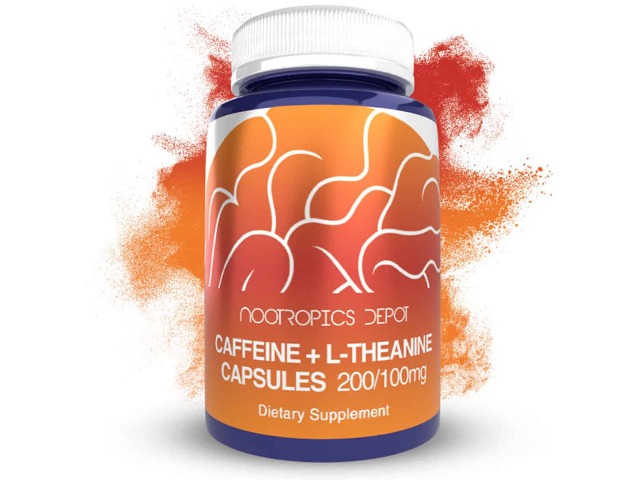
Caffeine + L-theanine by Nootropics Depot
Shop Now →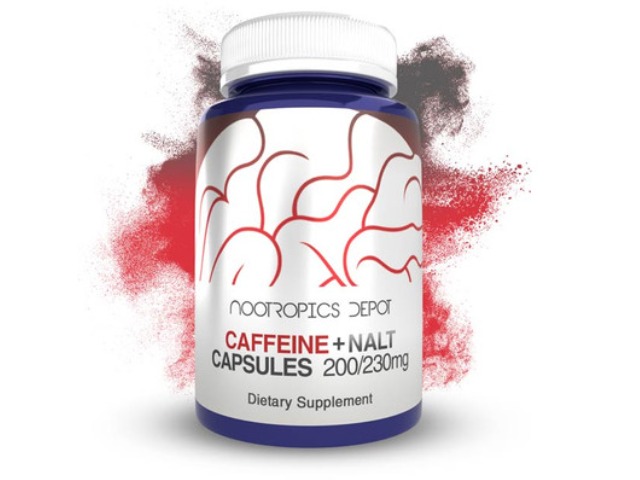
Caffeine + N-Acetyl L-Tyrosine Capsules by Nootropics Depot
Shop Now →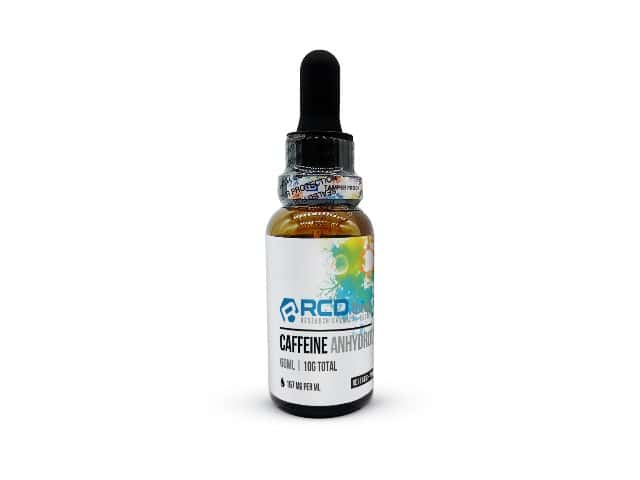
Caffeine Anhydrous Liquid from Research Chemical Depot
Shop Now →Disclosure: These are affiliate links. I earn a small commission if you purchase — at no extra cost to you. I only recommend products I personally use or have thoroughly researched.
Research & Studies
This section includes 59 peer-reviewed studies referenced in our analysis.
Ovarian, adrenal and litter restriction effects on fetal and placental development.
[Werner's syndrome].
[Atrial natriuretic peptides and the kidney].
Is coffee a colonic stimulant?
Actions of caffeine in the brain with special reference to factors that contribute to its widespread use.
Breakfast cereal and caffeinated coffee: effects on working memory, attention, mood, and cardiovascular function.
Coffee and gastrointestinal function: facts and fiction. A review.
Effects of carnitine coingested caffeine on carnitine metabolism and endurance capacity in athletes.
Theacrine (1,3,7,9-tetramethyluric acid) synthesis in leaves of a Chinese tea, kucha (Camellia assamica var. kucha).
Characterization of microbial community in granular sludge treating brewery wastewater.
Showing 10 of 59 studies. View all →