
- Focus & Attention
- Mental Energy
- Stress Resilience
- Neuroprotection
Here’s the thing about traditional herbs that drives me crazy: everyone talks about them like they’re folk remedies your grandmother swears by, but nobody bothers to check if the science actually backs them up.
Panax ginseng is different. This root has been used in Traditional Chinese Medicine for over 2,000 years — and when researchers finally put it under the microscope, they found legitimate mechanisms of action that explain why it’s been prized for millennia. We’re talking about compounds that modulate glutamate neurotransmission, suppress neuroinflammation, enhance antioxidant defenses, and literally strengthen the physical connections between brain cells.
If you’ve been looking for a cognitive enhancer that’s both time-tested and research-validated, you’re in the right place.
The Short Version: Panax ginseng is a traditional adaptogenic herb containing active compounds called ginsenosides that support focus, mental energy, and stress resilience through multiple mechanisms including glutamatergic modulation and neuroprotection. Typical dosing is 200-400mg daily of standardized extract. Effects build over 4-12 weeks of consistent use — this isn’t a “feel it in an hour” compound.
What Is Panax ginseng? (The Root That Actually Lives Up to the Hype)
Panax ginseng — also called Korean ginseng, Asian ginseng, or red ginseng depending on processing method — is a perennial plant native to the mountainous regions of Korea, northeastern China, and far eastern Siberia. The root is the medicinal part, and it’s not cheap to produce: true Panax ginseng takes 4-6 years to mature before harvest.
The name “Panax” derives from the Greek word for “cure-all,” which tells you everything about how it was historically viewed. In Traditional Chinese Medicine, ginseng was reserved for emperors and the wealthy elite. It was believed to restore Qi (vital energy), calm the spirit, and prolong life.
Modern research has validated several of these traditional uses. People use Panax ginseng today primarily for cognitive enhancement (focus, mental energy, memory), stress resilience, physical endurance, immune support, and general vitality. Unlike stimulants like caffeine, which provide immediate but temporary energy, ginseng works through adaptogenic mechanisms — it helps your body handle stress more efficiently over time.
But here’s the reality check: ginseng won’t fix a broken foundation. If you’re chronically sleep-deprived, eating garbage, and running on cortisol fumes, no supplement is going to make you feel like a superhero. That said, if you’ve got the basics dialed in and you’re looking for a research-backed edge, Panax ginseng is one of the few traditional herbs I’d actually recommend.
Reality Check: Adaptogens like Panax ginseng don’t produce dramatic, instant effects. They modulate stress response systems over weeks to months. If you’re looking for immediate cognitive enhancement, you’re better off starting with basics like sleep optimization, magnesium, or caffeine + L-theanine.
How Does Panax ginseng Work? (The Science Behind the Root)
The active compounds in Panax ginseng are called ginsenosides — a class of steroid-like saponins unique to the Panax genus. Over 30 different ginsenosides have been identified, but the most studied are Rb1, Rg1, and Rd. These compounds cross the blood-brain barrier and influence multiple brain systems simultaneously.
Here’s the plain-English version: ginsenosides act as cellular stress buffers. They help neurons handle oxidative stress, inflammatory stress, and metabolic stress more effectively. Think of them as shock absorbers for your brain cells — they don’t make your neurons fire faster, they make them more resilient under pressure.
The Mechanisms (What Actually Happens in Your Brain)
Glutamatergic modulation: Ginsenosides enhance the expression and function of NMDA receptors in the hippocampus — the brain region critical for learning and memory formation. This optimization of glutamate signaling improves synaptic transmission (how efficiently neurons communicate) while simultaneously preventing excitotoxicity (damage from too much glutamate). It’s a Goldilocks effect: just enough glutamate activity for optimal learning, not so much that it causes damage.
Neuroinflammation suppression: Ginsenosides Rb1, Rg1, and Rd suppress activation of NF-κB, a master regulator of inflammatory responses. This leads to decreased expression of pro-inflammatory cytokines (IL-1β, IL-6, TNF-α) and increased production of anti-inflammatory IL-10. In Alzheimer’s disease models, this anti-inflammatory action has been shown to reduce amyloid plaque formation and protect neurons from inflammatory damage.
Antioxidant defense enhancement: Panax ginseng doesn’t just neutralize free radicals directly — it upregulates your body’s endogenous antioxidant systems. Specifically, it increases activity of superoxide dismutase (SOD) and glutathione peroxidase, two enzymes that neutralize reactive oxygen species before they can damage cellular membranes, proteins, and DNA. This provides both immediate and long-term neuroprotection.
Synaptic plasticity support: Ginsenoside Rg1 increases expression of synaptophysin (a protein essential for synaptic vesicle function) and NMDA receptor subunits, which are critical for long-term potentiation — the cellular mechanism underlying memory formation. In practical terms: ginseng helps your brain build and maintain the physical wiring needed for learning and memory.
So what does this mean for you? Panax ginseng works on multiple complementary pathways to enhance cognitive resilience. It’s not giving you a short-term boost like a stimulant — it’s improving the underlying machinery. The effects are subtle at first and build over weeks of consistent use as these systems adapt.
Benefits of Panax ginseng (What the Research Actually Shows)
Let’s be honest about the evidence here: Panax ginseng has been studied extensively, but the quality varies. Some benefits have solid human clinical trial support. Others are based on animal studies or preliminary research. I’m going to give you the breakdown with honest assessment of evidence quality.
Focus & Attention (Moderate Evidence)
A 2018 fMRI study published in the Journal of Nutrition, Health & Aging examined a combination formula containing Panax ginseng extract in healthy older adults. Brain imaging showed modified activation patterns in regions associated with attention and working memory. Participants weren’t just reporting they felt more focused — their brains were literally showing different activation patterns during cognitive tasks.
The evidence for focus enhancement is moderate because most studies use combination formulas (like ginseng + ginkgo biloba + other compounds), making it hard to isolate ginseng’s specific contribution. That said, the mechanistic data — particularly the glutamatergic modulation — provides a plausible explanation for why improved attention would occur.
Mental Energy & Fatigue Reduction (Strong Evidence)
A 2020 randomized, double-blind, placebo-controlled trial in Complementary Therapies in Medicine studied middle-aged adults with moderate chronic fatigue. Participants taking Korean red ginseng showed significant improvements in fatigue scores compared to placebo. This wasn’t just subjective — the study used validated fatigue assessment scales.
The adaptogenic properties of ginsenosides appear to work by improving cellular energy metabolism and reducing the physiological impact of stress on the body. Unlike stimulants that artificially spike energy then cause a crash, ginseng’s energy effects are sustained and don’t come with tolerance issues.
Memory & Cognitive Function (Moderate Evidence, Building)
A 2023 study in Nutrients used fermented Panax ginseng berry extracts in an animal model of chemically-induced memory deficit (AF64A). The results showed significant improvement in cognitive function through mechanisms involving nerve growth factor and reduced oxidative stress. While this was an animal study, it provides mechanistic support for the traditional use of ginseng for memory enhancement.
Human studies on memory are mixed. Some show clear benefits, others show minimal effects. The current consensus: ginseng likely supports memory function, but the magnitude of effect varies based on dosage, extract standardization, duration of use, and baseline cognitive status.
Stress Resilience & Adaptogenic Effects (Strong Evidence)
A 2007 study examining ginseng’s adaptogenic properties in rabbits found that it modified stress responses by suppressing stress-activated protein kinase phosphorylation, nitric oxide production, and cortisol elevation during immobilization stress. A 2013 follow-up study identified heat shock protein 72 (Hsp72) and neuropeptide Y as characteristic markers of ginseng’s adaptogenic activity.
Translation: ginseng doesn’t eliminate stress, but it helps your nervous system handle stress more efficiently without overreacting. This is the hallmark of a true adaptogen — it normalizes physiological responses to stressors.
Neuroplasticity & BDNF Enhancement (Preliminary Evidence)
A 2017 review in Neural Plasticity highlighted Panax ginseng as a botanical modulator of brain-derived neurotrophic factor (BDNF), a protein crucial for neuroplasticity and neuronal survival. BDNF is essentially fertilizer for brain cells — it promotes growth, maintenance, and survival of neurons.
While the evidence is still preliminary in humans, the mechanistic data is compelling. Compounds that enhance BDNF expression tend to have long-term cognitive benefits, particularly for learning, memory consolidation, and mood regulation.
| Benefit | Evidence Level | Key Finding |
|---|---|---|
| Mental Energy | Strong (Human RCTs) | Significant fatigue reduction in 2020 controlled trial |
| Focus & Attention | Moderate (Human trials) | Modified brain activation patterns in 2018 fMRI study |
| Memory | Moderate (Mixed) | Positive animal studies, inconsistent human results |
| Stress Resilience | Strong (Multiple studies) | Modulated stress biomarkers in controlled studies |
| Neuroprotection | Strong (Mechanisms) | Multiple pathways validated, long-term effects unclear |
How to Take Panax ginseng (Without Wasting Your Money)
Here’s where most people screw up: they buy whatever random ginseng product is cheapest on Amazon, take it inconsistently, and then wonder why they don’t feel anything. Ginseng requires a specific approach to actually work.
Dosage (Start Low, Be Patient)
Standard dosing: 200-400mg daily of standardized extract containing 4-7% ginsenosides. This is the range used in most clinical studies showing cognitive benefits.
Starting protocol: Begin with 200mg daily for the first 2 weeks. Assess for side effects (insomnia, overstimulation, digestive upset). If well-tolerated, you can increase to 300-400mg depending on your response.
Forms and bioavailability:
- Red ginseng extract: Steamed and dried, higher ginsenoside concentration. This is what most clinical studies use. Best for cognitive enhancement.
- White ginseng: Air-dried, milder. Lower ginsenoside content. Better for beginners or those sensitive to stimulation.
- Fermented ginseng: Newer processing method that may enhance bioavailability. Limited but promising research.
- Ginseng berry extract: Contains unique ginsenoside profiles. The 2023 cognitive study used fermented berry extract specifically.
| Form | Ginsenoside Content | Best For | Typical Dose |
|---|---|---|---|
| Red ginseng extract | 4-7% | Cognitive enhancement | 200-400mg |
| White ginseng | 2-5% | Beginners, mild effects | 300-600mg |
| Fermented extract | Variable (enhanced) | Advanced users | 200-300mg |
Pro Tip: Look for products standardized to total ginsenoside content, not just “Panax ginseng root powder.” The powder can vary wildly in potency. Standardized extracts ensure you’re getting consistent active compounds.
Timing (Morning is Best, Here’s Why)
Take Panax ginseng in the morning with food. Here’s why:
With food: Ginsenosides are better absorbed with dietary fats. Taking ginseng on an empty stomach can cause digestive upset in some people.
Morning dosing: Ginseng has mild stimulating properties for many people. Taking it late in the day can interfere with sleep. If you’re taking 400mg daily, consider splitting into 200mg morning + 200mg early afternoon (before 2pm).
Consistency matters more than timing precision: The adaptogenic effects build over weeks. Taking it at roughly the same time daily is more important than obsessing over the exact hour.
Cycling (Optional But Worth Considering)
Some practitioners recommend cycling ginseng: 8-12 weeks on, 2-4 weeks off. The theory is that this prevents tolerance and allows your stress response systems to reset.
The research doesn’t definitively support cycling necessity, but anecdotally, many long-term ginseng users report sustained benefits with periodic breaks. I’d suggest: use consistently for 12 weeks, assess benefits, then take 2 weeks off and see if you notice a difference when you restart.
Timeline (Manage Your Expectations)
Week 1-2: Minimal noticeable effects. Some people report subtle improvements in energy or stress response. Others feel nothing.
Week 4-6: This is when adaptogenic effects typically become apparent. Improved stress resilience, better sustained energy, potentially improved focus.
Week 8-12: Cognitive benefits (focus, memory support) typically peak around this timeframe. Neuroprotective and neuroplasticity effects continue building.
Insider Tip: If you’ve been taking ginseng for 2 weeks and don’t “feel anything,” that’s normal. Give it 6-8 weeks before deciding if it’s working. The benefits are cumulative and subtle — you might not notice a dramatic shift, but over time you might realize you’re handling stress better or maintaining focus more easily during long work sessions.
Side Effects & Safety (What Could Go Wrong)
Panax ginseng is generally well-tolerated, but it’s not side-effect-free. Here’s what you need to know.
Common Side Effects (Typically Mild)
- Insomnia or sleep disruption: 5-10% of users report difficulty falling asleep or lighter sleep, especially with afternoon/evening dosing
- Digestive upset: Nausea, stomach discomfort, or changes in bowel movements in 3-5% of users
- Headaches: Occasionally reported, particularly when starting or at higher doses
- Overstimulation: Jitteriness, restlessness, or feeling “wired” — more common at doses above 400mg
- Mild anxiety: Some sensitive individuals report increased anxiousness, likely related to overstimulation
Who Should Avoid Panax ginseng
- Pregnant or nursing women: Insufficient safety data. Avoid.
- People with hormone-sensitive conditions: Ginseng has mild estrogenic activity. If you have breast cancer, uterine cancer, ovarian cancer, endometriosis, or uterine fibroids, consult your oncologist before use.
- Individuals with autoimmune conditions: Ginseng can stimulate immune function, which may theoretically worsen autoimmune diseases. Discuss with your healthcare provider.
- People with bipolar disorder or schizophrenia: Some case reports suggest ginseng may trigger manic episodes in susceptible individuals.
Drug Interactions (This Is Important)
Panax ginseng can interact with multiple medication classes. If you’re on any of the following, talk to your doctor before supplementing:
| Medication/Substance | Interaction Type | Risk Level | Notes |
|---|---|---|---|
| Warfarin (blood thinners) | Anticoagulant potentiation | High | May increase bleeding risk; requires monitoring |
| Diabetes medications | Hypoglycemic effect | Moderate-High | Ginseng can lower blood sugar; may require dose adjustment |
| MAOIs (monoamine oxidase inhibitors) | Overstimulation | Moderate | Potential for headache, tremors, mania |
| Stimulants (caffeine, Adderall) | Additive stimulation | Low-Moderate | Can increase jitteriness, anxiety, blood pressure |
| Immunosuppressants | Immune activation | Moderate | May reduce drug efficacy in organ transplant patients |
| SSRIs/antidepressants | Serotonergic | Low | Rare reports of interaction; monitor for changes |
Important: If you’re taking blood thinners or diabetes medications, do NOT start Panax ginseng without medical supervision. The interactions are well-documented and can lead to serious complications.
Stacking Panax ginseng (The Combinations That Actually Work)
Ginseng plays well with other nootropics, but the key is matching the stack to your specific goal. Here are the combinations I’ve seen work best.
For Focus & Productivity (The Classic Combo)
The Stack:
- 200-300mg Panax ginseng extract (morning)
- 200mg L-theanine + 100mg caffeine (morning)
- 300mg Alpha-GPC (morning with food)
Why it works: Ginseng provides sustained cognitive support and stress resilience. Caffeine + L-theanine gives you clean, focused energy without jitters. Alpha-GPC supports acetylcholine synthesis for enhanced memory encoding and focus. This is the stack I use on days when I need 4-6 hours of deep work.
Timing: Take all three together in the morning with breakfast. The ginseng provides a stable foundation while caffeine handles the immediate energy boost.
For Stress Resilience & Mood (The Adaptogen Stack)
The Stack:
- 300mg Panax ginseng (morning)
- 300-500mg Rhodiola rosea (morning)
- 300mg Ashwagandha (evening)
Why it works: Triple adaptogen approach. Ginseng and Rhodiola provide daytime stress resilience and mental energy without being overly stimulating. Ashwagandha in the evening supports cortisol normalization and sleep quality. This combination addresses stress from multiple angles throughout the day.
Timing: Ginseng + Rhodiola with breakfast, Ashwagandha 1-2 hours before bed.
For Memory & Learning (The Neuroplasticity Protocol)
The Stack:
- 300mg Panax ginseng (morning)
- 300mg Bacopa monnieri (morning)
- 500mg Lion’s Mane mushroom (morning)
- 200mg Phosphatidylserine (evening)
Why it works: All four compounds support neuroplasticity through different mechanisms. Ginseng enhances synaptic plasticity via NMDA receptor modulation. Bacopa improves dendritic branching. Lion’s Mane stimulates nerve growth factor. Phosphatidylserine supports cell membrane function and memory consolidation during sleep.
Note: This is a long-game stack. Expect 8-12 weeks before noticing significant memory improvements.
What NOT to Stack with Panax ginseng
Avoid combining with:
- Other stimulants at high doses: Stacking ginseng with high-dose caffeine (300mg+), modafinil, or prescription stimulants increases risk of overstimulation, anxiety, and sleep disruption
- Multiple adaptogens initially: Start with ginseng alone for 4 weeks before adding Rhodiola or Ashwagandha. Stacking multiple adaptogens from day one makes it impossible to assess individual effects
- MAOIs: As noted in the drug interaction table, this combination carries risk
| Stack Goal | Key Compounds | Total Cost/Month | Complexity |
|---|---|---|---|
| Focus & Productivity | Ginseng + Caffeine + L-Theanine + Alpha-GPC | $35-50 | Low |
| Stress Resilience | Ginseng + Rhodiola + Ashwagandha | $40-60 | Low |
| Memory & Learning | Ginseng + Bacopa + Lion’s Mane + PS | $60-80 | Moderate |
Pro Tip: Don’t start all compounds in a stack simultaneously. Begin with Panax ginseng alone for 2-3 weeks to establish a baseline, then add one additional compound every 2 weeks. This way you can actually tell what’s working and what’s causing side effects.
My Take (Is Panax ginseng Worth It?)
I’ll be direct: Panax ginseng is one of the few traditional herbs I actually keep in my personal rotation.
Here’s why it works for me: I’m not looking for a quick-hit stimulant. I’ve got caffeine and L-theanine for that. What I want from ginseng is sustained stress resilience — the ability to handle high-workload weeks without burning out, crashing, or losing cognitive sharpness by day three.
Ginseng delivers on that promise. After 6-8 weeks of consistent use, I notice I’m less reactive to stressors, my energy is more stable throughout the day, and I can sustain focus during long work sessions without needing constant caffeine top-ups. It’s subtle, but it’s real.
Who this is BEST for:
- People dealing with chronic low-grade stress who need better resilience without pharmaceuticals
- Anyone looking for sustained mental energy without stimulant dependence
- Older adults concerned about cognitive decline (the neuroprotective mechanisms are well-established)
- People who’ve optimized sleep, nutrition, and exercise but want an extra edge
Who should probably try something else:
- If you’re looking for immediate, dramatic effects, try caffeine + L-theanine or Alpha-GPC instead
- If you’re sensitive to stimulation or have trouble sleeping, try Ashwagandha or Bacopa monnieri — both have calming rather than energizing effects
- If budget is tight, focus on fundamentals first: magnesium, quality sleep, and whole-food nutrition will give you more bang for your buck
The honest assessment: Panax ginseng won’t turn you into a superhero. It’s not going to fix poor sleep, bad nutrition, or chronic stress by itself. But if you’ve got the foundations in place and you’re willing to commit to 8-12 weeks of consistent use, it’s a research-validated tool for cognitive resilience and long-term brain health.
Is it worth $30-40 a month? If you’re serious about optimizing cognitive performance and stress resilience, yes. If you’re just experimenting casually, start with cheaper, faster-acting compounds first.
One last thing: buy from reputable vendors. The ginseng market is flooded with low-quality products that contain minimal ginsenosides or are adulterated with cheaper ingredients. Look for third-party testing (COAs) and standardized ginsenoside content. You get what you pay for with this one.
Recommended Ginseng Products
I know how frustrating it is to sort through dozens of brands making the same claims. These are the ones I've personally vetted — because quality is the difference between results and wasted money.
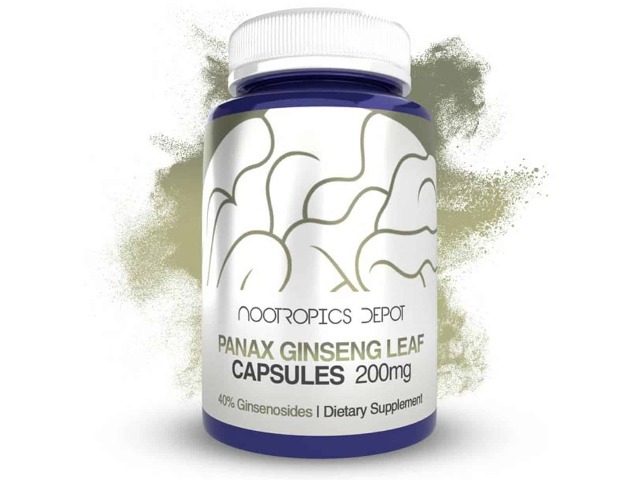
Panax Ginseng by Nootropics Depot
Shop Now →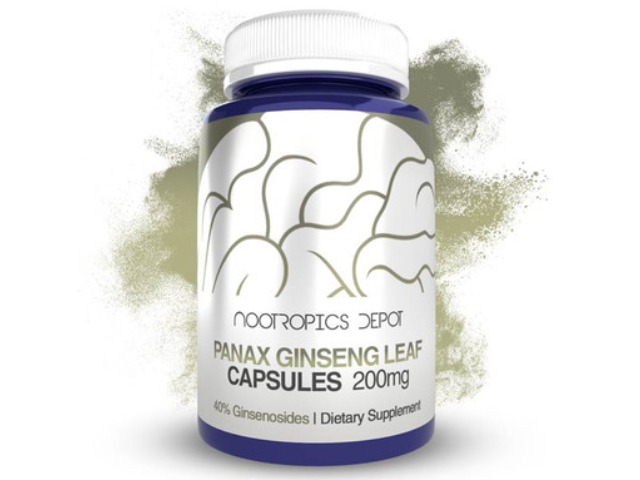
Panax Ginseng Leaf Extract Capsules | 200mg by Nootropics Depot
Shop Now →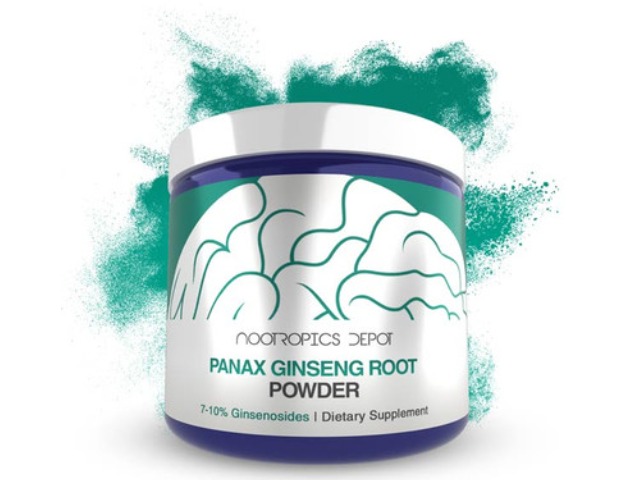
Panax Ginseng Root Extract Powder (7-10% Ginsenosides) by Nootropics Depot
Shop Now →Disclosure: These are affiliate links. I earn a small commission if you purchase — at no extra cost to you. I only recommend products I personally use or have thoroughly researched.