The CoQ10 supplement market has a problem: ubiquinol products cost 3-5x more than ubiquinone, largely based on the marketing claim that ubiquinol is the “active” form and therefore superior. The actual clinical evidence tells a different story — and it’s one that could save you significant money without sacrificing efficacy.
A 2023 systematic review of long-term cardiovascular trials found that ubiquinone at lower doses (160-300mg/day) outperformed ubiquinol for mortality reduction in trials with >200 participants and up to 12-year follow-up. The landmark Q-SYMBIO trial that demonstrated CoQ10 reduces cardiovascular mortality by 43% used ubiquinone, not ubiquinol. The most expensive form isn’t necessarily the most effective one.
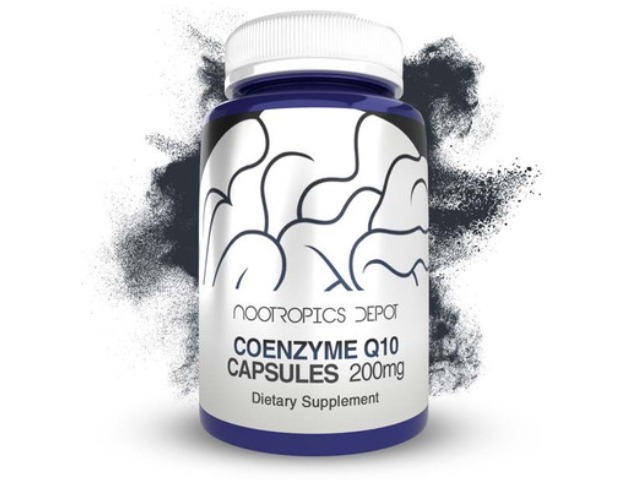
The Short Version: Your body continuously interconverts ubiquinone and ubiquinol — they’re two states of the same molecule. When you swallow ubiquinone, it shows up in your blood as ubiquinol (and vice versa). A 2019 bioavailability study found no significant absorption difference between forms when formulation quality is controlled for. The biggest variable isn’t which form you take — it’s how the supplement is formulated (lipid-solubilized soft gels absorb far better than dry powder capsules). For cardiovascular outcomes, the strongest trial evidence actually favors ubiquinone. Ubiquinol may have modest advantages for people over 60 with reduced conversion capacity, but this hasn’t been demonstrated in head-to-head outcome trials. CoQ10 is genuinely useful for heart failure, statin users, fertility, and mitochondrial support — but the form debate is largely a marketing creation.
The Chemistry: Two States of One Molecule
CoQ10 exists in two interconvertible forms in your body:
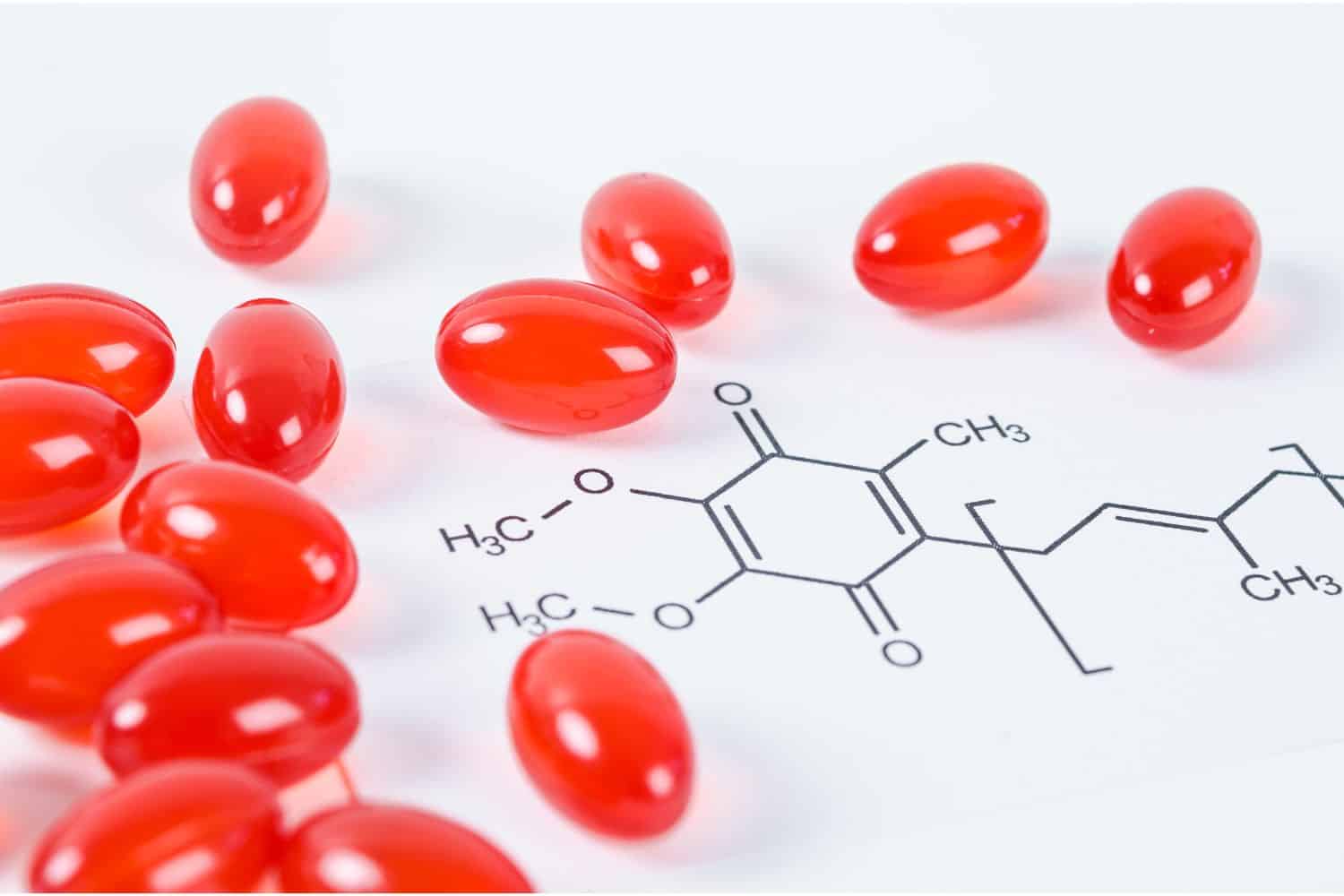
Ubiquinone (oxidized form): The electron acceptor in the mitochondrial electron transport chain. This is the form that participates in ATP production — it accepts electrons, becoming ubiquinol in the process.
Ubiquinol (reduced form): The antioxidant form that donates electrons to neutralize free radicals. After donating electrons, it reverts to ubiquinone.
This isn’t a one-way conversion — it’s a continuous cycle. Your mitochondria shuttle CoQ10 between these two states thousands of times per second as part of normal energy production. When you supplement with either form, your body converts it to whichever state is needed.
The marketing framing of ubiquinol as “active” and ubiquinone as “inactive” is misleading. Both forms are biologically active — they just do different things. Ubiquinone is active in energy production; ubiquinol is active as an antioxidant. You need both, and your body handles the interconversion automatically.
The Bioavailability Question
The central marketing claim for ubiquinol is superior absorption. Here’s what the research actually shows:
A 2019 study in Nutrition comparing multiple CoQ10 formulations found that the carrier system mattered far more than the CoQ10 form. Soft-gel capsules with lipid solubilization (whether containing ubiquinone or ubiquinol) dramatically outperformed dry powder formulations of either form. The best-absorbed ubiquinone soft gel matched or exceeded poorly formulated ubiquinol products.
When you consume ubiquinone orally, intestinal cells reduce it to ubiquinol before absorption. It then enters the bloodstream as ubiquinol regardless of which form you swallowed. This is why studies measuring plasma CoQ10 after ubiquinone supplementation find it circulating primarily as ubiquinol.
The legitimate concern about age-related conversion applies to intracellular reduction capacity, not intestinal absorption. People over 60 may have reduced ability to cycle ubiquinone back to ubiquinol within cells, which could theoretically favor ubiquinol supplementation. But this hasn’t been validated in clinical outcome trials — the best outcomes data we have comes from ubiquinone studies.
Bottom line on bioavailability: Buy a well-formulated lipid-solubilized soft gel. That matters more than whether the label says ubiquinone or ubiquinol.
Where CoQ10 Actually Makes a Difference
Cardiovascular Health and Heart Failure
This is CoQ10’s strongest evidence base. The Q-SYMBIO trial (2014) — a randomized, double-blind, placebo-controlled trial of 420 heart failure patients — found that CoQ10 (ubiquinone, 300mg/day) over 2 years:
- Reduced cardiovascular mortality by 43%
- Reduced all-cause mortality by 42%
- Reduced heart failure hospitalizations by 43%
These are remarkable numbers for a supplement. A 2021 Cochrane review confirmed moderate-quality evidence supporting CoQ10 for heart failure symptom improvement and cardiovascular event reduction. Notably, all the major positive trials used ubiquinone, not ubiquinol.
For cardiovascular applications, 200-300mg ubiquinone daily in divided doses with meals (fat-containing for absorption) is the evidence-based protocol.
Statin-Induced Muscle Symptoms
Statins inhibit HMG-CoA reductase, which is upstream of both cholesterol and CoQ10 synthesis. Statin users often have reduced circulating CoQ10 levels, and many experience muscle pain, weakness, and fatigue.
The evidence for CoQ10 relieving statin-associated muscle symptoms is mixed — some meta-analyses show modest benefit, others don’t reach significance. A 2023 review noted that the trials showing benefit used 100-200mg/day ubiquinone, and the effect was most pronounced in patients with documented CoQ10 depletion.
Practical take: If you’re on a statin and experiencing muscle symptoms, a 100-200mg CoQ10 trial is reasonable and low-risk. Don’t expect dramatic results, but some people report meaningful improvement.
Fertility
CoQ10’s role in fertility is biologically logical: eggs and sperm are among the most mitochondrially demanding cells in the body, and CoQ10 supports mitochondrial energy production.
Male fertility: A 2020 meta-analysis combining three clinical trials found CoQ10 supplementation (200-300mg/day) significantly improved sperm motility over 3-6 months.
Female fertility: A 2018 RCT in women with diminished ovarian reserve found that CoQ10 pretreatment (600mg/day for 60 days before IVF) improved ovarian response and embryo quality compared to placebo.
For fertility applications, higher doses (200-600mg/day) appear necessary. The form likely doesn’t matter given the interconversion, though some fertility clinics prefer ubiquinol for the antioxidant protection of gametes.
Brain Health and Neuroprotection
CoQ10’s role in brain health centers on mitochondrial function. The brain consumes 20% of the body’s energy despite being 2% of body mass — making it highly vulnerable to mitochondrial dysfunction. CoQ10 levels in the brain decline with age, correlating with increased oxidative stress and reduced ATP production.
A 2025 review in Nutrients synthesized evidence on CoQ10 for cognition, noting potential benefits in age-related cognitive decline through antioxidant and mitochondrial support mechanisms. However, the evidence base is preliminary — small RCTs with mixed results on memory and executive function.
Earlier trials in Parkinson’s disease (1,200mg/day ubiquinone) showed a trend toward slowed functional decline but didn’t reach statistical significance in the phase III trial. CoQ10 is not a proven cognitive enhancer, but maintaining adequate levels through supplementation is a reasonable neuroprotective strategy, especially after age 40 when endogenous production declines.
For how CoQ10 fits into the broader mitochondrial support picture, see our acetyl-L-carnitine substance page (ALCAR shuttles fatty acids into mitochondria for beta-oxidation, complementing CoQ10’s role in the electron transport chain) and PQQ (which stimulates mitochondrial biogenesis — the creation of new mitochondria).
Who Actually Needs CoQ10

Strong indication (well-supported by evidence):
- Heart failure patients (200-300mg/day)
- Statin users, especially with muscle symptoms (100-200mg/day)
- People undergoing IVF or trying to conceive (200-600mg/day)
- Adults over 50-60 (endogenous production declines with age)
Reasonable indication (biologically plausible, less clinical evidence):
- People with chronic fatigue or mitochondrial concerns
- Migraine prevention (there’s moderate evidence for 300mg/day)
- General antioxidant/mitochondrial support after age 40
Probably unnecessary:
- Healthy adults under 40 with adequate dietary intake
- People already eating organ meats, sardines, and beef heart regularly (the richest dietary sources)
Dosing
General supplementation: 100-200mg/day with a fat-containing meal. Either form, lipid-solubilized soft gel.
Cardiovascular support: 200-300mg/day in divided doses (100mg 2-3x daily). Based on Q-SYMBIO protocol using ubiquinone.
Fertility: 200-600mg/day for 2-3 months prior to conception attempt. Higher end of range for women with diminished ovarian reserve.
Neuroprotection/anti-aging: 100-200mg/day as part of a broader mitochondrial support stack.
Side effects: Generally well-tolerated even at high doses (1,000mg+). Occasional GI discomfort, nausea, or insomnia. CoQ10 may reduce the effectiveness of warfarin — consult your doctor if you’re on anticoagulants.
My Protocol
- Daily: 100mg CoQ10 (ubiquinone, lipid-solubilized soft gel) with breakfast. I chose ubiquinone because the cardiovascular evidence base favors it, it’s cheaper, and the bioavailability difference is negligible with a quality formulation.
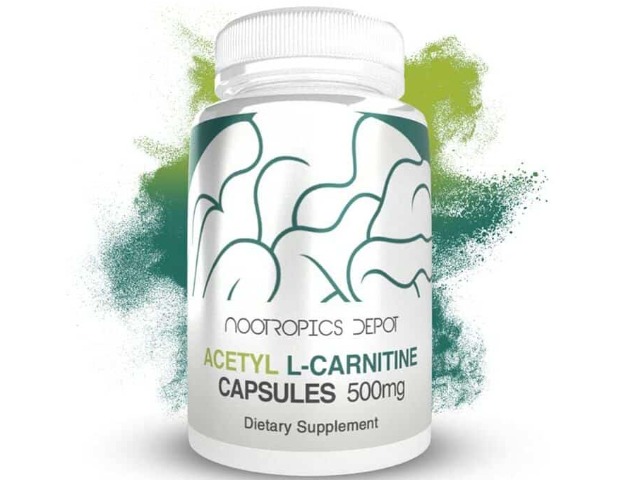
- Stack context: Combined with 500mg ALCAR for complementary mitochondrial support — CoQ10 handles electron transport, ALCAR handles fatty acid shuttling.
- Why not ubiquinol: I’m under 50, and the theoretical advantage for older adults hasn’t been validated in outcome trials. When the Q-SYMBIO trial showed 43% cardiovascular mortality reduction with ubiquinone, that’s hard to argue against.
The honest answer on ubiquinone vs. ubiquinol: save your money, buy a well-formulated ubiquinone soft gel, and spend the difference on higher-impact interventions. The form of CoQ10 is one of the least important variables in your supplement strategy — whether you take it at all, and at what dose, matters far more.
For more on mitochondrial support strategies, see our substance pages on CoQ10, ubiquinol, PQQ, and ALCAR.