
- Mitochondrial biogenesis
- Neuroprotection
- Focus & attention
- Antioxidant support
I spent months chasing focus with every stimulant-based nootropic I could find — caffeine, modafinil, even sketchy grey-market ampakines. The pattern was always the same: a brief spike in alertness followed by a crash that left me more scattered than when I started.
Then I stumbled across research on PQQ. Not because it was trendy (it’s not), but because the mechanism was different. Instead of whipping your existing mitochondria into working harder, PQQ actually helps your cells grow new mitochondria. It’s like upgrading your brain’s power supply instead of just cranking up the voltage.
If you’ve been throwing stimulants at brain fog and wondering why nothing sticks, this guide is going to change how you think about cellular energy and cognitive enhancement.
The Short Version: PQQ (Pyrroloquinoline Quinone) is a vitamin-like compound that promotes mitochondrial biogenesis — the creation of new energy-producing structures in your cells. At 10-20mg daily, it supports focus, neuroprotection, and antioxidant defenses through fundamentally different pathways than traditional stimulant nootropics. The effects are subtle and cumulative, not immediate.
What Is Pyrroloquinoline Quinone?
PQQ is a redox cofactor found in trace amounts in foods like kiwifruit, green peppers, and fermented soybeans. It was initially classified as a vitamin (called “vitamin PQQ”) when discovered in 1979, though that designation didn’t stick. What did stick is the research showing it plays a critical role in cellular energy metabolism and mitochondrial function.
Unlike most nootropics that modulate neurotransmitters directly, PQQ works at the cellular power plant level. Your mitochondria — the organelles that produce ATP, your body’s energy currency — benefit from PQQ’s ability to both protect existing mitochondria from oxidative damage and trigger the growth of new ones. This is a fundamentally different approach than simply stimulating your nervous system into overdrive.
The practical reality? Most people don’t get meaningful amounts from food alone. Supplementation bridges that gap, and the research suggests it’s worth doing if cellular energy and neuroprotection are priorities.
How Does Pyrroloquinoline Quinone Work? (The Mechanisms That Matter)
Here’s where PQQ gets interesting. It doesn’t just do one thing — it activates multiple pathways that converge on mitochondrial health and neuroprotection.
Mitochondrial biogenesis is PQQ’s standout mechanism. The compound activates sirtuin proteins — specifically SIRT1 and SIRT3 — which are master regulators of mitochondrial DNA transcription and energy homeostasis. These sirtuins work through transcriptional coactivators like PGC-1α to literally initiate the formation of new mitochondria. Animal studies show PQQ influences nuclear respiratory factors NRF-1 and NRF-2, essential transcription factors that orchestrate mitochondrial replication.
Translation: PQQ helps your cells build more power plants. This isn’t an instant energy jolt — it’s a structural upgrade that unfolds over weeks of consistent use. Think of it like strength training for your cellular metabolism.
Antioxidant activity is where PQQ earns its “neuroprotective” label. It functions as both a direct free radical scavenger and a signaling molecule that upregulates your body’s endogenous antioxidant systems. PQQ modulates glutathione levels (your primary intracellular antioxidant) and activates antioxidant gene expression through AMPK and MAPK pathways. A 2003 study in Biochemical Pharmacology demonstrated that PQQ’s antioxidant capacity goes beyond simple radical scavenging — it enhances systemic antioxidant enzyme activity, providing sustained protection rather than just a one-time quench.
Glutamatergic modulation adds a layer of direct neuroprotection. PQQ influences the redox-sensitive modulatory sites on NMDA receptors, which are critical for learning and memory but also vulnerable to excitotoxicity (when too much glutamate damages neurons). Research shows PQQ protects against glutamate-induced neurotoxicity, a major mechanism of neuronal damage in conditions ranging from stroke to neurodegenerative disease.
The anti-inflammatory effects tie it all together. PQQ modulates JAK-STAT and MAPK signaling cascades in glial cells and neurons, reducing pro-inflammatory cytokine production. Interestingly, this appears linked to its mitochondrial benefits — healthier mitochondria produce fewer reactive oxygen species, which in turn reduces inflammatory signaling. It’s a positive feedback loop.
Reality Check: PQQ isn’t a productivity stimulant. You won’t take it and feel a cognitive shift in an hour. The benefits accumulate over 4-12 weeks as your mitochondrial density increases and oxidative stress decreases. This is a foundational compound, not a performance hack.
Benefits of Pyrroloquinoline Quinone (What the Research Actually Shows)
Let’s separate the hype from the evidence.
Focus and attention improvements have moderate human evidence. A 2016 double-blind, placebo-controlled study published in Advances in Experimental Medicine and Biology examined healthy adults taking 20mg PQQ daily. After 12 weeks, participants showed improvements in cognitive function measures, particularly in tasks requiring sustained attention. The effect sizes weren’t dramatic — this isn’t modafinil or caffeine — but the improvements were statistically significant and appeared to compound over time.
A 2022 study in Food & Function replicated these findings in a Japanese cohort, with 17 healthy volunteers showing improved cognitive function scores after 8 weeks of 20mg daily PQQ supplementation. The researchers noted that benefits were most pronounced in tasks requiring sustained mental effort, not reaction time or short-term memory.
Mitochondrial markers improve in humans, though we’re mostly measuring proxies. A 2013 study in The Journal of Nutritional Biochemistry gave 20mg PQQ daily to 10 human subjects for 3 days (short duration, I know). Researchers measured metabolites in blood and urine and found changes consistent with enhanced mitochondrial function — specifically, reduced markers of oxidative stress and inflammation. The sample size is tiny, but the metabolic fingerprint matched what animal studies predicted.
Neuroprotection is well-established in animal models, preliminary in humans. A 2004 study in Cardiovascular Research showed PQQ significantly reduced infarct size (tissue death) in rat models of ischemia and ischemia/reperfusion injury. The mechanism appeared to be through reduced oxidative stress and improved mitochondrial resilience. Human trials for neuroprotection haven’t been conducted yet, but the preclinical evidence is strong enough that researchers are actively pursuing it.
Sleep quality improvements were noted in one human trial. The 2022 Food & Function study mentioned earlier also tracked sleep metrics and found participants reported better sleep quality after 8 weeks of PQQ supplementation, though this wasn’t the primary endpoint and the measurements were subjective (self-reported questionnaires, not polysomnography).
| Benefit | Evidence Level | Key Study | Notes |
|---|---|---|---|
| Focus & Attention | Moderate (human RCTs) | Itoh et al. 2016 | Improvements after 8-12 weeks |
| Mitochondrial function | Moderate (biomarkers) | Harris et al. 2013 | Metabolite changes consistent with enhancement |
| Neuroprotection | Strong (animal), Preliminary (human) | Zhu et al. 2004 | Robust preclinical data, human trials ongoing |
| Sleep quality | Preliminary | Nakano et al. 2022 | Self-reported improvements |
| Energy levels | Preliminary | Hwang et al. 2020 | Mixed results in exercise studies |
One thing to note: the exercise performance literature is mixed. A 2020 study in Journal of the American College of Nutrition gave PQQ to untrained men and found no significant improvements in aerobic performance or mitochondrial biogenesis markers after 8 weeks. This suggests PQQ’s benefits may be most pronounced in contexts of oxidative stress or mitochondrial dysfunction, not in optimizing already-healthy systems.
Insider Tip: PQQ works best as part of a broader mitochondrial support stack. If your sleep is trash, your diet is inflammatory, and you’re chronically stressed, PQQ alone won’t rescue your energy levels. Fix the foundations first — then PQQ amplifies the results.
How to Take Pyrroloquinoline Quinone (Without Wasting Your Money)
Dosage: The research consensus is 10-20mg daily. Most studies showing cognitive benefits used 20mg. Some mitochondrial support protocols go as low as 10mg, particularly when stacked with Coenzyme Q10.
I recommend starting at 10mg for two weeks to assess tolerance, then increasing to 20mg if you’re not experiencing side effects. Higher doses (40mg+) haven’t shown additional benefits in human trials and increase the risk of side effects.
| Use Case | Dosage | Timing | Notes |
|---|---|---|---|
| General mitochondrial support | 10mg | Morning with food | Start here |
| Cognitive enhancement | 20mg | Morning with food | Research-backed dose |
| Advanced stacking | 10-20mg | Morning with fats | Combine with CoQ10, ALCAR |
Timing: Take PQQ in the morning with food containing fats. The compound appears to have better absorption when taken with dietary fat, and morning dosing avoids any potential (though rare) sleep disruption some users report at higher doses.
Forms: You’ll find two main forms on the market:
- PQQ disodium salt — the most common and well-researched form. This is what most clinical trials used.
- BioPQQ™ — a branded, purified form manufactured through bacterial fermentation. It’s the same molecule, just with tighter quality control and third-party testing.
Both work. BioPQQ™ costs slightly more but offers better manufacturing transparency if that matters to you.
Cycling: Not necessary. PQQ doesn’t downregulate receptors or create tolerance. Continuous daily use appears safe and may be preferable, given that mitochondrial biogenesis is a cumulative process that takes weeks to manifest.
Starting protocol: Begin with 10mg daily for 14 days. If no side effects emerge, increase to 20mg. Assess cognitive and energy improvements at the 8-week mark, not the 8-day mark. This is a slow-build compound.
Pro Tip: Pair PQQ with Alpha-GPC or Citicoline for a synergistic effect. PQQ handles the energy production infrastructure; cholinergics optimize neurotransmitter synthesis. Together, they address both cellular energy and signaling efficiency.
Side Effects & Safety (What Could Go Wrong)
PQQ is generally well-tolerated at standard doses. The clinical trials report minimal adverse effects, and long-term safety data (up to 1 year of continuous use) shows no significant concerns.
Common side effects (rare, typically at doses above 20mg):
- Headaches
- Fatigue or drowsiness (paradoxically, in some users)
- Mild digestive discomfort or nausea
Who should avoid PQQ:
- Pregnant or nursing women (insufficient safety data)
- Individuals on immunosuppressant medications (theoretical concern about PQQ’s immune-modulating effects, though no documented interactions exist)
Drug interactions:
| Medication/Substance | Interaction Type | Risk Level | Notes |
|---|---|---|---|
| Anticoagulants (warfarin) | Possible potentiation | Low-Moderate | PQQ may have mild antiplatelet effects; monitor if combining |
| Chemotherapy drugs | Antioxidant interference | Moderate | High-dose antioxidants may reduce efficacy of some chemo agents; consult oncologist |
| Immunosuppressants | Immune modulation | Low | Theoretical concern; no documented cases |
| Stimulants (caffeine, amphetamines) | Additive effects | Low | PQQ doesn’t potentiate stimulants, but layering energy-boosters can feel overstimulating |
Important: If you’re undergoing cancer treatment, talk to your oncologist before supplementing with PQQ. High-dose antioxidants can theoretically interfere with oxidative therapies like radiation and certain chemotherapy protocols.
The safety profile is strong, but that doesn’t mean “take as much as you want.” Stick to the 10-20mg range unless you’re working with a practitioner who has a specific reason to go higher.
Stacking Pyrroloquinoline Quinone (The Combinations That Actually Work)
PQQ shines in stacks focused on mitochondrial health, neuroprotection, and cellular energy. Here’s how to combine it intelligently:
For Mitochondrial Support & Energy
- 200mg Coenzyme Q10 (ubiquinol form) + 20mg PQQ + 500mg Acetyl-L-Carnitine — Morning with fatty meal
- Rationale: CoQ10 and PQQ synergize on mitochondrial function (CoQ10 supports the electron transport chain; PQQ promotes biogenesis). ALCAR shuttles fatty acids into mitochondria for fuel. This is the foundational mitochondrial stack.
For Focus & Cognitive Performance
- 20mg PQQ + 300mg Alpha-GPC + 200mg L-Theanine + 100mg caffeine — Morning stack for deep work
- Rationale: PQQ provides the cellular energy infrastructure, Alpha-GPC supports acetylcholine synthesis, L-Theanine smooths out caffeine’s rough edges, and caffeine drives acute focus. This hits both foundational energy and neurotransmitter optimization.
For Neuroprotection & Longevity
- 20mg PQQ + 500mg Lion’s Mane extract + 500mg Resveratrol + 500mg Nicotinamide Riboside — Morning and evening split dose
- Rationale: PQQ and NR both support mitochondrial function and activate sirtuins (overlapping pathways). Lion’s Mane promotes NGF for neuroplasticity. Resveratrol activates longevity pathways. This is a comprehensive neuroprotection stack with strong research support for each component.
For Recovery & Anti-Inflammation
- 20mg PQQ + 1000mg Curcumin (with piperine) + 600mg N-Acetylcysteine — With meals, twice daily
- Rationale: PQQ reduces oxidative stress and inflammation via mitochondrial optimization. Curcumin modulates inflammatory pathways (NF-kB, COX-2). NAC boosts glutathione, your master antioxidant. This stack addresses inflammation and oxidative damage from multiple angles.
What to AVOID stacking:
- High-dose antioxidants during intense exercise: There’s emerging evidence that excessive antioxidant supplementation may blunt some of the adaptive signaling from exercise-induced oxidative stress. If you’re doing serious training, consider timing PQQ away from workouts or cycling it strategically.
- Other mitochondrial uncouplers without understanding the mechanisms: Don’t randomly stack PQQ with compounds like DNP or high-dose thyroid hormones that affect mitochondrial function through entirely different (and potentially dangerous) pathways.
| Stack Goal | Key Synergies | Mechanism Overlap |
|---|---|---|
| Mitochondrial function | PQQ + CoQ10 + ALCAR | Biogenesis + electron transport + fuel delivery |
| Cognitive performance | PQQ + Alpha-GPC + Caffeine | Energy infrastructure + neurotransmitter + acute stimulation |
| Neuroprotection | PQQ + Lion’s Mane + NR | Mitochondrial health + NGF + sirtuin activation |
| Anti-inflammation | PQQ + Curcumin + NAC | Oxidative stress reduction + inflammatory pathway modulation |
My Take
I’ve used PQQ on and off for three years, and here’s the honest assessment: it’s not a game-changer on its own, but it’s a foundational piece of a well-designed stack.
When I first tried PQQ in isolation at 20mg daily, I noticed… almost nothing for the first month. No energy surge, no focus boost, no obvious cognitive shift. I was about to write it off as overhyped. Then around week 6, I realized I was consistently getting through afternoon work sessions without the brain fog that used to hit around 3pm. It wasn’t dramatic — I didn’t suddenly become limitless — but the baseline felt slightly higher.
The real value emerged when I stacked it with Coenzyme Q10 and Acetyl-L-Carnitine. That combination gave me noticeably better sustained mental energy throughout the day, less reliance on caffeine for afternoon focus, and better recovery from poor sleep (which, let’s be real, still happens).
PQQ is best for:
- People optimizing mitochondrial function as part of a longevity or anti-aging protocol
- Anyone dealing with chronic fatigue that doesn’t respond to stimulants (because the issue might be cellular energy production, not neurotransmitter levels)
- Individuals stacking for neuroprotection alongside compounds like Lion’s Mane or Bacopa Monnieri
- Those who want a non-stimulant cognitive enhancer with strong safety data
You should probably try something else if:
- You want immediate, noticeable effects (try caffeine + L-Theanine or Modafinil instead)
- You’re not willing to commit to 8-12 weeks of consistent use to assess results
- You haven’t addressed foundational issues like sleep quality, chronic inflammation, or nutrient deficiencies (fix those first with Magnesium Threonate, gut health protocols, and sleep hygiene before adding PQQ)
The bottom line: PQQ is a long-game compound. It’s not sexy, it’s not hyped, and it won’t give you a noticeable “kick” on day one. But if you’re building a comprehensive cognitive enhancement and longevity stack, it’s one of the few compounds with legitimate human data showing mitochondrial benefits. That’s rare enough to be worth including.
Start at 10mg for two weeks, bump to 20mg, give it 8 weeks, and assess honestly. If you’re doing everything else right (sleep, nutrition, stress management), PQQ can be the compound that raises your baseline. Just don’t expect miracles — expect incremental, cumulative gains.
Recommended PQQ Products
I know how frustrating it is to sort through dozens of brands making the same claims. These are the ones I've personally vetted — because quality is the difference between results and wasted money.
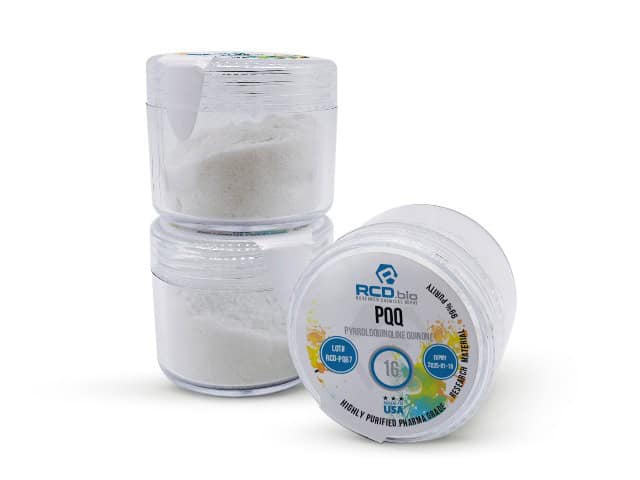
PQQ (Pyrroloquinoline Quinone) Powder by Research Chemical Depot
Shop Now →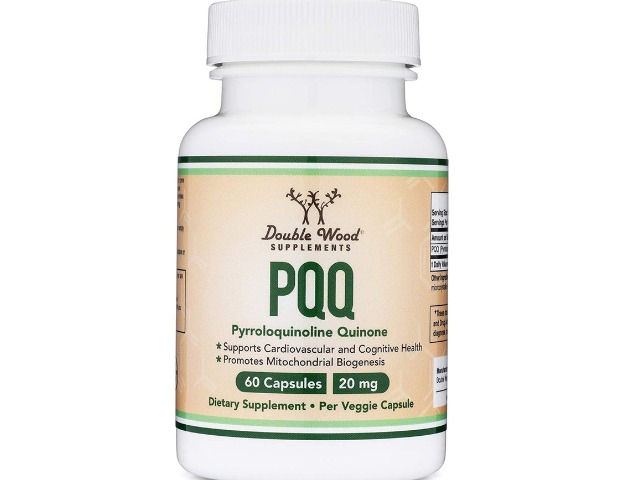
PQQ Supplement for Mitochondrial Health by Double Woods
Shop Now →Disclosure: These are affiliate links. I earn a small commission if you purchase — at no extra cost to you. I only recommend products I personally use or have thoroughly researched.