
- Supports mitochondrial energy production
- Reduces oxidative stress and lipid peroxidation
- May reduce neuroinflammation
- Supports cardiovascular health
- May improve exercise performance
Here’s what nobody tells you about “brain fog supplements”: if your cellular power plants aren’t working properly, no amount of coffee, nootropics, or motivational podcasts is going to fix it.
I learned this the expensive way — after cycling through dozens of supplements that promised “mental clarity” and “sustained energy,” only to realize I was ignoring the most fundamental piece of the puzzle: mitochondrial function. That’s where ubiquinol comes in.
The Short Version: Ubiquinol is the active, reduced form of Coenzyme Q10 (CoQ10) — a critical compound for cellular energy production and one of the most potent fat-soluble antioxidants in your body. It’s particularly important for brain health because neurons are energy-hungry cells that generate tons of oxidative stress. Typical doses range from 100-300mg daily, taken with meals.
What Is Ubiquinol? (And Why It’s Not Just Another Antioxidant)
Ubiquinol is the bioactive form of Coenzyme Q10, a compound your body naturally produces to power the mitochondria — the tiny energy factories inside every cell. Think of mitochondria as the batteries that keep your brain running. Ubiquinol is what charges those batteries.
Here’s the key distinction: CoQ10 exists in two forms — ubiquinone (the oxidized form) and ubiquinol (the reduced form). Your body has to convert ubiquinone into ubiquinol before it can actually use it. For young, healthy people, this conversion happens efficiently. But as you age — or if you’re dealing with oxidative stress, inflammation, or certain medications (especially statins) — that conversion process slows down dramatically.
Ubiquinol has been around since the body’s been around, but it wasn’t until the late 1950s that scientists isolated and identified CoQ10. The reduced ubiquinol form became commercially available as a supplement in the 2000s, thanks to advances in stabilization technology. Now it’s recognized as one of the most critical compounds for mitochondrial health, cardiovascular function, and neuroprotection.
People use ubiquinol for energy support, cognitive enhancement, exercise recovery, and as a foundational antioxidant — especially if they’re over 40, taking statins, or dealing with chronic fatigue or brain fog.
Reality Check: Ubiquinol isn’t a stimulant. You won’t “feel” it kick in like caffeine. The benefits are cumulative and foundational — more energy over weeks, not a buzz in 30 minutes. If your sleep is garbage, your diet is inflammatory, and you’re chronically stressed, ubiquinol will help, but it won’t fix those root issues on its own.
How Does Ubiquinol Work? (The Mitochondrial Power Grid)
Your brain uses roughly 20% of your body’s total energy despite being only 2% of your body weight. That energy comes from ATP (adenosine triphosphate), which is manufactured inside mitochondria through a process called oxidative phosphorylation. Ubiquinol plays a starring role in this process.
Here’s the simple version: Ubiquinol works in the electron transport chain — a series of protein complexes in the mitochondrial membrane that generate ATP. It shuttles electrons between these complexes, essentially acting as a mobile electron carrier that keeps the energy production line moving. Without enough ubiquinol, ATP production slows, and your cells (especially neurons) start running on fumes.
The evidence: Research shows that ubiquinol directly supports mitochondrial biogenesis — the creation of new mitochondria. This is huge for brain health because neurons need massive amounts of energy to fire action potentials, maintain membrane potential, and support synaptic transmission. A 2020 review in Antioxidants noted that ubiquinol’s role in facilitating efficient ATP synthesis is critical for maintaining optimal mitochondrial function and stimulating the formation of new mitochondria in response to increased energy demands.
But ubiquinol does more than just make energy. It’s also one of the most potent lipophilic (fat-soluble) antioxidants in your body. It directly neutralizes reactive oxygen species (ROS) — the free radicals that damage cellular membranes, proteins, and DNA. Here’s what makes it special: ubiquinol can donate electrons to neutralize free radicals and then be regenerated through cellular reduction processes. It’s a rechargeable antioxidant.
This matters enormously for your brain. Neurons generate a ton of oxidative stress as a byproduct of energy production. If that stress isn’t controlled, it triggers lipid peroxidation (damage to the fatty membranes around brain cells), mitochondrial dysfunction, and neuroinflammation. Clinical studies demonstrate that ubiquinol supplementation significantly reduces markers of oxidative stress — preventing the cascade that leads to cognitive decline.
So what? In plain English: ubiquinol keeps your brain’s power grid running efficiently while simultaneously protecting it from the oxidative “exhaust” that energy production creates. It’s both fuel and fire extinguisher.
Benefits of Ubiquinol (What the Research Actually Shows)
Let’s be honest about what the evidence supports — and what’s still preliminary.
Cognitive function and neuroprotection (Moderate-to-Strong Evidence):
Ubiquinol’s ability to reduce oxidative stress and support mitochondrial function translates to measurable cognitive benefits, especially in aging populations or those with mitochondrial dysfunction. While large-scale human RCTs specifically on cognitive outcomes are limited, the mechanistic evidence is strong. Ubiquinol crosses the blood-brain barrier, accumulates in brain tissue, and protects neurons from oxidative damage. Animal studies consistently show improvements in learning, memory, and protection against neurodegenerative processes.
Energy and fatigue reduction (Moderate Evidence):
Multiple studies show that CoQ10/ubiquinol supplementation reduces subjective fatigue and improves physical performance, particularly in people with low baseline CoQ10 levels. A 2008 study found that 100-300mg daily of CoQ10 improved fatigue scores in chronic fatigue syndrome patients. The effect is most pronounced in people over 40, those taking statins, or anyone with mitochondrial dysfunction.
| Benefit | Evidence Level | Key Research |
|---|---|---|
| Mitochondrial support | Strong | Mechanistic + animal models |
| Oxidative stress reduction | Strong | Multiple human trials |
| Cognitive function | Moderate | Mechanistic + preliminary human data |
| Energy/fatigue reduction | Moderate | Human trials in specific populations |
| Cardiovascular health | Strong | Extensive human RCT data |
Neuroinflammation reduction (Moderate Evidence):
Ubiquinol’s antioxidant effects indirectly reduce neuroinflammation by preventing oxidative stress-induced activation of inflammatory cascades. Research suggests that by neutralizing ROS, ubiquinol prevents the activation of pro-inflammatory signaling pathways like NF-κB, reducing the production of inflammatory cytokines in brain tissue.
Insider Tip: If you’re taking statins, you should absolutely be supplementing with ubiquinol. Statins block the same metabolic pathway your body uses to make CoQ10, which is why muscle pain and fatigue are common side effects. Supplementing with 100-200mg of ubiquinol can counteract this depletion.
How to Take Ubiquinol (Without Wasting Your Money)
Ubiquinol is fat-soluble, which means absorption depends heavily on how you take it.
| Use Case | Dosage | Timing | Notes |
|---|---|---|---|
| General health/prevention | 100-200mg | Morning with food | Start here if you’re under 40 |
| Cognitive support | 200-300mg | Morning with fatty meal | Split dose if over 200mg |
| Statin users | 100-200mg | With largest meal | Critical for those on statins |
| Therapeutic/high oxidative stress | 300-600mg | Split 2x daily with meals | Under medical supervision |
Dosage specifics:
The typical effective range is 100-300mg daily. Research indicates that bioavailability peaks when ubiquinol is taken with a meal containing fat — olive oil, avocado, eggs, fatty fish. Without fat, absorption drops significantly. A 2019 study in Nutrition found that bioavailability of CoQ10 supplements depends heavily on carrier lipids and solubilization — meaning the formulation matters.
Forms and bioavailability:
Not all CoQ10 supplements are created equal. Ubiquinol is already in the reduced, active form, which gives it a bioavailability advantage over ubiquinone (especially in older adults or those with impaired conversion). Look for products using Kaneka Ubiquinol — the most researched and stable form. It’s more expensive, but you’re actually absorbing it.
Starting protocol:
Start with 100mg for 2 weeks to assess tolerance. If you’re over 40, dealing with fatigue, or taking statins, consider moving to 200mg after the initial period. Most people notice improvements in energy and recovery within 4-8 weeks of consistent use.
Cycling:
No need to cycle ubiquinol. It’s a foundational compound, not a stimulant or adaptogen. Consistent daily use is the way to go.
Pro Tip: Take ubiquinol with your fattiest meal of the day. If you’re doing intermittent fasting, take it when you break your fast with a meal containing healthy fats. Don’t waste money taking it on an empty stomach or with just coffee.
Side Effects & Safety (What Could Go Wrong)
Ubiquinol is one of the safest supplements you can take. It’s a compound your body already makes, and serious adverse effects are extremely rare.
Common side effects (generally mild and dose-dependent):
- Mild gastrointestinal upset (nausea, diarrhea, stomach discomfort) — usually at doses above 300mg
- Insomnia or restlessness if taken late in the day (due to increased energy production)
- Headaches in a small percentage of users
- Skin rash (rare)
Who should avoid or use caution:
- People on blood thinners (warfarin) — CoQ10 may reduce the effectiveness of warfarin; monitor INR levels closely
- Pregnant or nursing women — insufficient safety data, consult a healthcare provider
- People undergoing chemotherapy — some evidence suggests CoQ10 may interfere with certain chemotherapy drugs; discuss with your oncologist
| Medication/Substance | Interaction Type | Risk Level | Notes |
|---|---|---|---|
| Warfarin (Coumadin) | Anticoagulant reduction | Moderate-High | May reduce warfarin effectiveness; monitor INR |
| Statins | Beneficial interaction | Low | Statins deplete CoQ10; supplementation recommended |
| Blood pressure meds | Additive effect | Low-Moderate | May enhance blood pressure-lowering effects |
| Chemotherapy drugs | Potential interference | Moderate | Consult oncologist before use |
| Diabetes medications | Blood sugar effects | Low | May improve insulin sensitivity; monitor glucose |
Important: If you’re on warfarin or undergoing chemotherapy, do not start ubiquinol without consulting your physician. The interactions are real and require monitoring.
Stacking Ubiquinol (The Combinations That Actually Work)
Ubiquinol is one of those rare compounds that plays well with almost everything. It’s foundational mitochondrial support, so it enhances the effectiveness of other nootropics and performance compounds.
For Energy & Cognitive Performance:
- 200mg Ubiquinol + 500mg Acetyl-L-Carnitine + 300mg Alpha-GPC — morning with breakfast
This is a mitochondrial powerhouse stack. ALCAR shuttles fatty acids into mitochondria, ubiquinol powers the electron transport chain, and Alpha-GPC provides acetylcholine for neurotransmitter support. Perfect for deep work sessions or mentally demanding days.
For Neuroprotection & Longevity:
- 200mg Ubiquinol + 500mg R-Alpha Lipoic Acid + 200mg Pterostilbene — morning with food
This is the “mitochondrial protection” stack. R-ALA recycles ubiquinol (and other antioxidants), pterostilbene activates longevity pathways (similar to resveratrol but more bioavailable), and ubiquinol provides the frontline antioxidant defense. This is foundational for anyone over 40 or concerned with cognitive aging.
For Exercise Performance & Recovery:
- 300mg Ubiquinol + 5g Creatine Monohydrate + 3g Beta-Alanine — pre-workout
Ubiquinol supports mitochondrial ATP production, creatine provides rapid ATP recycling, and beta-alanine buffers lactic acid. This stack enhances both aerobic and anaerobic performance while reducing oxidative stress from intense exercise.
| Stack Goal | Combination | Timing | Expected Benefit |
|---|---|---|---|
| Mental Energy | Ubiquinol + ALCAR + Alpha-GPC | Morning | Sustained focus, mental stamina |
| Neuroprotection | Ubiquinol + R-ALA + Pterostilbene | Morning | Long-term cognitive health |
| Physical Performance | Ubiquinol + Creatine + Beta-Alanine | Pre-workout | Endurance, recovery, power output |
What NOT to combine:
Ubiquinol doesn’t have major contraindications with other nootropics. The main concern is redundancy — don’t stack multiple high-dose antioxidants without reason. More isn’t always better, and excessive antioxidant intake can actually blunt beneficial oxidative signaling from exercise.
My Take
I’ve been taking ubiquinol consistently for over three years, and it’s one of the few supplements I consider genuinely foundational. Not sexy. Not a quick fix. But absolutely worth it.
Here’s the thing: ubiquinol isn’t going to give you a noticeable “kick” the way caffeine or modafinil does. The benefits are cumulative and protective. After about 6 weeks of consistent use at 200mg daily, I noticed better recovery from workouts, more consistent energy throughout the day (without crashes), and less of that “brain fog” feeling in the afternoon.
Who this is BEST for:
- Anyone over 40 (your natural CoQ10 production declines significantly with age)
- People taking statins (non-negotiable — statins deplete CoQ10)
- Anyone dealing with chronic fatigue, brain fog, or low energy despite adequate sleep
- Athletes or anyone doing high-intensity training (mitochondrial support = better performance and recovery)
- People with a family history of neurodegenerative disease (the neuroprotective benefits are real)
Who should probably try something else: If you’re young (under 30), healthy, eating well, sleeping well, and not dealing with fatigue or cognitive issues, ubiquinol probably isn’t your highest priority. You’d likely see more immediate benefits from optimizing basics first — sleep, stress management, gut health — or trying more acutely noticeable nootropics like Alpha-GPC, L-Theanine, or Rhodiola Rosea.
If you’re looking for something with more immediate cognitive effects, consider Lion’s Mane for neurogenesis support or Bacopa Monnieri for memory enhancement.
Is this worth trying?
Absolutely — especially if you’re over 40, on statins, or dealing with unexplained fatigue. Ubiquinol is one of those rare supplements with strong mechanistic evidence, a good safety profile, and real-world benefits that compound over time. Just don’t expect magic. Expect a solid foundation for cellular energy and long-term brain health.
One insider tip I wish I’d known earlier: invest in quality. Cheap CoQ10 (ubiquinone) might save you a few bucks, but if your body can’t convert it efficiently, you’re wasting your money. Spend the extra $10-15 for a reputable ubiquinol product using Kaneka Ubiquinol. Your mitochondria will thank you.
Recommended Ubiquinol Products
I know how frustrating it is to sort through dozens of brands making the same claims. These are the ones I've personally vetted — because quality is the difference between results and wasted money.
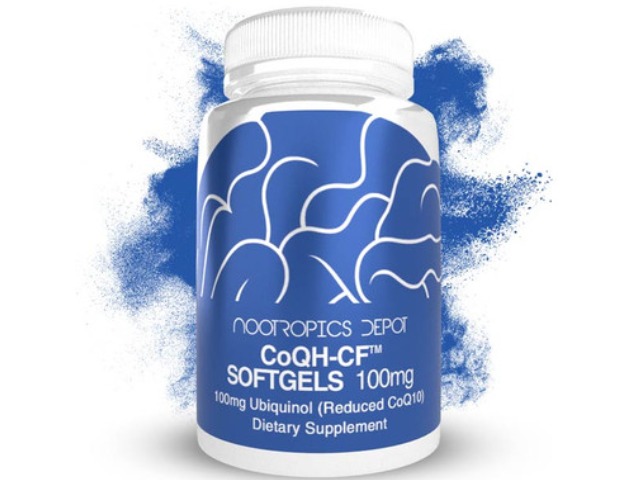
Nootropics Depot Buy Coqh-Cf Softgels | High-Quality Ubiquinol Supplement
Shop Now →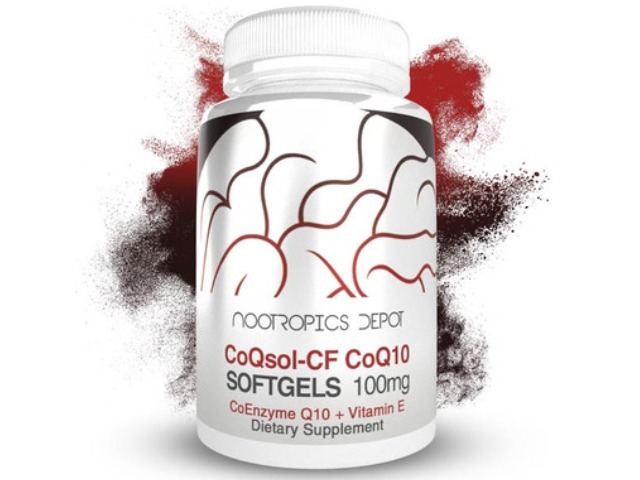
Nootropics Depot Buy Coqsol-Cf® Softgel Capsules | 100mg Coq10 ...
Shop Now →Disclosure: These are affiliate links. I earn a small commission if you purchase — at no extra cost to you. I only recommend products I personally use or have thoroughly researched.
Research & Studies
This section includes 7 peer-reviewed studies referenced in our analysis.