Methylation is one of those biochemical processes that sounds abstract until you realize it controls whether your brain can make dopamine, serotonin, and norepinephrine; whether your DNA gets repaired properly; whether your stress response stays calibrated; and whether toxic metabolites like homocysteine get cleared before they damage your blood vessels and neurons.
Every second, billions of methylation reactions occur across your body — the transfer of a single carbon atom (a methyl group: CH3) from one molecule to another. When methylation works well, your neurotransmitters are synthesized efficiently, your genes are expressed appropriately, and metabolic waste is cleared. When it doesn’t, the downstream effects touch virtually every system in your body, with the brain being particularly vulnerable.
A 2025 Mendelian randomization meta-analysis provided causal evidence that adequate folate — a key methylation substrate — protects against Alzheimer’s disease and intellectual disability. And a VITACOG trial metabolomics analysis showed that B-vitamin supplementation that lowered homocysteine also modified metabolic pathways associated with brain atrophy prevention. This isn’t theoretical — methylation status has measurable effects on brain structure and cognitive outcomes.
The Short Version: Methylation is the transfer of methyl groups (CH3) that controls neurotransmitter synthesis, DNA expression, and detoxification. The key players are folate (B9), B12, B6, choline, and betaine as methyl donors, with SAMe as the universal methyl donor produced from methionine. MTHFR gene variants (affecting ~40% of people) impair folate activation, creating a methylation bottleneck. Elevated homocysteine is both a marker of impaired methylation and an independent neurotoxin. The practical approach: ensure adequate methylfolate (not folic acid if you have MTHFR variants), B12, B6, and choline. SAMe supplementation showed antidepressant effects comparable to SSRIs in a 2024 meta-analysis of 23 RCTs (SMD -0.58 vs. placebo).
The Methylation Cycle: How It Works
The methylation cycle is a series of biochemical reactions that generates and recycles the body’s primary methyl donor, S-adenosylmethionine (SAMe):
- Methionine (from dietary protein) is converted to SAMe by methionine adenosyltransferase
- SAMe donates its methyl group to over 200 different substrates — DNA, proteins, neurotransmitters, phospholipids — becoming S-adenosylhomocysteine (SAH)
- SAH is hydrolyzed to homocysteine — a potentially toxic intermediate
- Homocysteine is either recycled back to methionine (requiring methylfolate + B12) or shunted to the transsulfuration pathway (requiring B6) to produce cysteine and ultimately glutathione
The cycle depends on continuous input of methyl donors — primarily from folate (B9), B12, choline, and betaine — to keep homocysteine from accumulating and to maintain SAMe production.
Why Methylation Matters for Your Brain
Neurotransmitter Synthesis
SAMe provides methyl groups required for the synthesis and metabolism of dopamine, serotonin, norepinephrine, and melatonin. The COMT enzyme (catechol-O-methyltransferase) uses SAMe to break down catecholamines in the prefrontal cortex. When methylation is impaired:
- Serotonin synthesis is reduced (contributing to depression and anxiety)
- Dopamine metabolism is altered (affecting motivation and focus)
- Norepinephrine turnover changes (affecting alertness and stress response)
A 2024 meta-analysis of 23 RCTs found that direct SAMe supplementation produced antidepressant effects with an effect size of SMD -0.58 vs. placebo — comparable to many pharmaceutical antidepressants. SAMe was as effective as antidepressants in direct comparison trials (SMD 0.06, no significant difference). See our dopamine supplements article for SAMe’s dopaminergic mechanisms.
DNA Methylation and Gene Expression
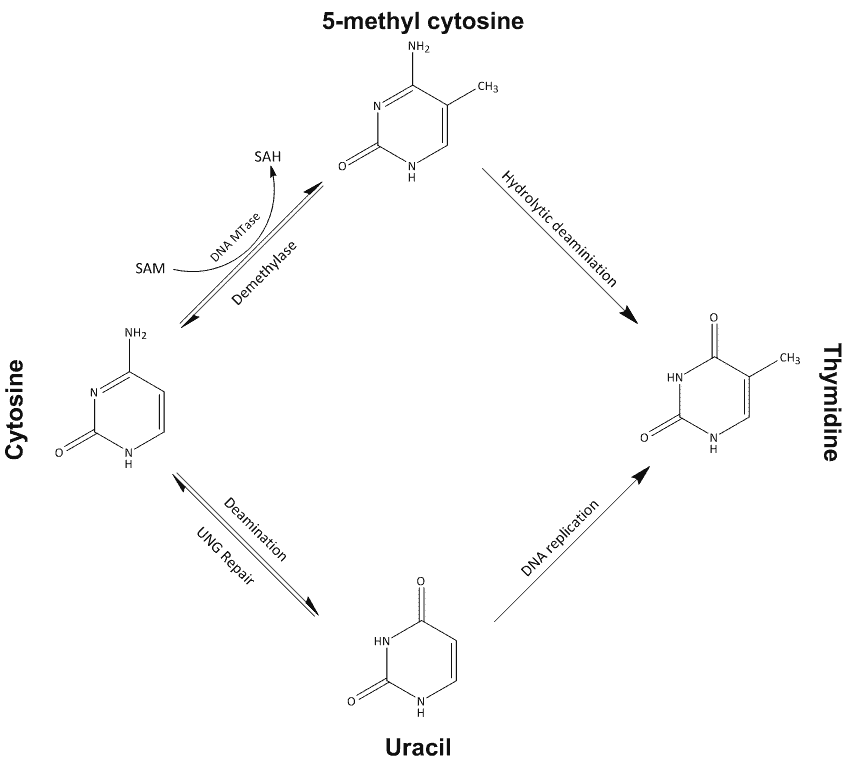
DNA methylation is an epigenetic mechanism that controls which genes are active in which cells. Adding methyl groups to cytosine bases in DNA typically silences gene expression, while removing them activates it. This process is how your cells differentiate (a neuron expresses different genes than a liver cell, despite having identical DNA) and how environmental factors influence gene expression.
A 2025 Nature Neuroscience study found that specific DNA methylation changes during brain development influence susceptibility to autism and schizophrenia. Methylation patterns at key developmental genes differ between neurotypical brains and those with these conditions, suggesting that methylation status during critical periods has lasting effects on brain function.
Methylation also regulates BDNF gene expression. A 2024 study found that BDNF promoter methylation differs between antidepressant responders and non-responders — suggesting that some treatment-resistant depression may involve epigenetic silencing of BDNF that methylation support could address.
Homocysteine: The Toxic Byproduct
When methylation is impaired, homocysteine accumulates. Elevated homocysteine is:
- Directly neurotoxic: It activates NMDA receptors, causing excitotoxicity and oxidative stress in neurons
- Damaging to blood vessels: It impairs endothelial function and promotes atherosclerosis, including in cerebral vessels
- A marker of B-vitamin deficiency: Elevated homocysteine almost always indicates inadequate folate, B12, or B6
A 2025 umbrella review of meta-analyses and Mendelian randomization studies confirmed that elevated homocysteine causally increases stroke risk, and that folic acid supplementation to lower homocysteine reduces stroke incidence. The VITACOG trial showed that B-vitamin supplementation that lowered homocysteine also modified metabolic pathways associated with brain atrophy prevention in elderly participants with elevated baseline homocysteine.
Optimal homocysteine: Below 10 umol/L. Above 15 umol/L indicates clinically significant impairment. Many functional medicine practitioners target below 8 umol/L for optimal neurological function.
The Key Genes: MTHFR and COMT
MTHFR
The MTHFR gene encodes methylenetetrahydrofolate reductase, the enzyme that converts dietary folate to its active form, 5-methyltetrahydrofolate (5-MTHF or methylfolate). This active form is what actually enters the methylation cycle to recycle homocysteine back to methionine.
Two common variants reduce MTHFR enzyme activity:
- C677T: Heterozygous (one copy) reduces activity by ~35%. Homozygous (two copies) reduces it by ~70%. Present in ~10-15% of Caucasians as homozygous.
- A1298C: Smaller effect individually but compounds with C677T.
If you have MTHFR variants, supplementing with folic acid (synthetic, inactive folate) is less effective because your body can’t efficiently convert it. Methylfolate (5-MTHF) bypasses this conversion entirely and is the preferred form.
A 2025 study linked MTHFR polymorphisms to altered clinical features in people at high risk for psychosis, reinforcing the psychiatric relevance of this pathway.
COMT
COMT (catechol-O-methyltransferase) breaks down dopamine, norepinephrine, and epinephrine in the prefrontal cortex using SAMe as the methyl donor. The Val158Met polymorphism creates two functional extremes:
- Val/Val (“warrior”): Fast COMT activity. Breaks down catecholamines quickly. Better stress performance but may have lower baseline dopamine in the PFC.
- Met/Met (“worrier”): Slow COMT activity. Catecholamines persist longer. Higher baseline cognitive function but greater stress vulnerability and anxiety tendency.
Understanding your COMT status helps calibrate your methylation and dopamine supplementation strategy. Met/Met carriers may be more sensitive to dopamine precursors and stimulants, while Val/Val carriers may benefit more from them.
The Methyl Donors: What You Need
Methylfolate (5-MTHF)
The active form of folate that directly enters the methylation cycle. Critical for homocysteine recycling and indirectly for neurotransmitter synthesis. The Mendelian randomization evidence confirms it protects against Alzheimer’s disease.
Dose: 400-800mcg daily for general support. 1-15mg for documented MTHFR variants or elevated homocysteine, under clinical guidance. Food sources: dark leafy greens, legumes, liver.
Vitamin B12 (Methylcobalamin)
B12 is the cofactor for methionine synthase, the enzyme that recycles homocysteine to methionine using methylfolate’s methyl group. Without adequate B12, this reaction stalls regardless of folate status. Methylcobalamin is the naturally active form; see our B12 comparison article for form differences.
Dose: 1,000-5,000mcg methylcobalamin daily. Sublingual or high-dose oral forms compensate for the low absorption rate (~1% of oral B12 is absorbed).
Vitamin B6 (Pyridoxal-5-Phosphate)
B6 is the cofactor for the transsulfuration pathway — the alternative route for homocysteine disposal that produces cysteine and glutathione. When the methylation cycle can’t recycle all homocysteine back to methionine, B6-dependent transsulfuration handles the overflow.
Dose: 25-50mg P5P (active form) daily. Avoid chronic high doses (>200mg) which can cause peripheral neuropathy.
Choline and Betaine
Choline provides an alternative methylation pathway through the BHMT (betaine-homocysteine methyltransferase) enzyme. When choline is oxidized to betaine in the liver, betaine can directly methylate homocysteine to methionine, bypassing the folate-dependent pathway entirely. This is particularly important when folate status is compromised.
Over 90% of Americans don’t consume adequate choline. See our choline brain health article for the deficiency data and the UK Biobank study linking moderate choline intake to 20% lower dementia risk.
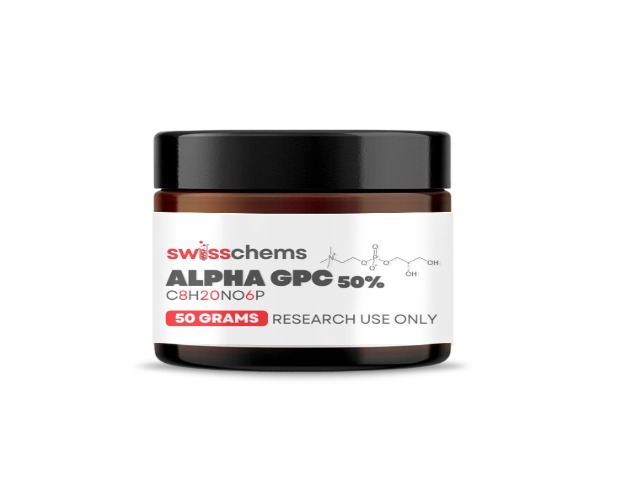
Dose: 300-550mg choline daily from diet (2-3 eggs) and/or supplementation (alpha-GPC 300-600mg or citicoline 250-500mg).
SAMe (S-Adenosylmethionine)
Direct SAMe supplementation bypasses the entire upstream methylation cycle, providing the universal methyl donor directly. This is the most direct approach for people with impaired methylation who need immediate support.
Dose: 400-1,600mg daily for depression (based on the 2024 meta-analysis). Start at 200mg and titrate up. Take on an empty stomach. Note: SAMe can trigger mania in people with bipolar disorder — use under clinical supervision.
Signs of Methylation Imbalance
Undermethylation Signs

- Low serotonin symptoms: depression, OCD tendencies, perfectionism
- Good response to SSRIs (which increase serotonin availability)
- Seasonal allergies (histamine is broken down by methylation)
- High achievement drive but inner tension
- Low SAMe, elevated homocysteine
Overmethylation Signs
- High anxiety, panic tendency
- Adverse reaction to SSRIs (serotonin already elevated)
- Food and chemical sensitivities
- Sleep disruption
- Low histamine
These patterns were described by William Walsh’s biochemical individuality research. While the undermethylation/overmethylation framework is clinically useful, it’s an oversimplification — methylation affects hundreds of reactions, and the clinical picture depends on which specific pathways are most affected.
Testing
- Serum homocysteine: The most accessible marker. Elevated levels (>10 umol/L) indicate impaired methylation.
- Serum methylmalonic acid (MMA): A specific marker for B12 deficiency, more sensitive than serum B12 alone.
- MTHFR genotyping: Available through 23andMe, genetic panels, or direct testing. Useful for guiding folate form selection.
- COMT genotyping: Helps calibrate dopamine/stimulant sensitivity.
- Whole blood histamine: Walsh’s proxy for methylation status — low histamine suggests overmethylation, high histamine suggests undermethylation. Less standardized than homocysteine.
My Protocol
For methylation support, I focus on providing adequate substrates rather than megadosing any single methyl donor:
- Daily: B-complex containing methylfolate (800mcg), methylcobalamin (1,000mcg), P5P (25mg)
- Choline: 2-3 eggs daily plus 300mg alpha-GPC on cognitively demanding days (provides choline for both acetylcholine synthesis and BHMT methylation pathway)
- Diet: High-protein meals (methionine source), dark leafy greens (natural folate), liver monthly (concentrated B vitamins and choline)
- Monitoring: I get homocysteine checked annually. It has consistently been below 8 umol/L with this approach.
I don’t supplement SAMe regularly — my methylation appears adequate based on homocysteine levels and symptom profile. For people with documented methylation issues (elevated homocysteine, MTHFR variants with symptoms), SAMe 400-800mg daily is a reasonable starting point alongside the B-vitamin foundation.
For more on how methylation interacts with neurotransmitter systems, see our articles on BH4 supplementation (BH4 recycling requires methylation), dopamine supplements (SAMe’s dopaminergic role), and choline brain health (choline as methyl donor and acetylcholine precursor).