The supplement industry loves dopamine. “Boost your dopamine naturally!” is plastered across hundreds of products, often with the implicit promise that more dopamine equals more motivation, more focus, more happiness. But dopamine neuroscience has evolved far beyond this simplistic framing, and a 2025 study from the University of Colorado revealed something important: dopamine operates more like a “finely-tuned postal service” delivering localized messages to specific neural circuits, not a broadcast system flooding the brain. This means crude, global dopamine elevation from supplements may enhance function in some circuits while impairing others.
That nuance matters when you’re choosing what to take. Some dopamine supplements have genuine evidence behind them; others are riding on theoretical mechanisms that don’t hold up in controlled trials. This article ranks the most popular options based on what the clinical evidence actually shows.
For a complementary perspective on lifestyle-based dopamine optimization (exercise, cold exposure, sunlight), see our Natural Ways to Boost Dopamine article. This piece focuses specifically on supplements.
The Short Version: The strongest evidence exists for L-tyrosine under acute stress (not for general use), Mucuna pruriens for Parkinson’s-related dopamine deficiency, and SAMe for depression (SMD −0.58 vs. placebo across 23 RCTs). Curcumin has compelling neuroprotective evidence in animal models but limited human data. Rhodiola rosea consistently helps with subjective stress but recent rigorous trials show inconsistent cognitive effects. Probiotics targeting the gut-brain axis show emerging but heterogeneous results. Vitamin D upregulates tyrosine hydroxylase, the rate-limiting dopamine synthesis enzyme — but only matters if you’re deficient.
Tier 1: Strong Clinical Evidence
L-Tyrosine — Under Stress Only
L-tyrosine is the direct precursor to dopamine: tyrosine → L-DOPA → dopamine. The logic is straightforward — more raw material should mean more dopamine. But the reality is more conditional than the marketing suggests.
What actually works: A 2024 double-blind, placebo-controlled trial tested L-tyrosine during a virtual reality active shooter training drill — an acutely stressful scenario. Participants who received tyrosine maintained superior cognitive performance, missing fewer responses than placebo controls during high-demand moments. This aligns with decades of military research showing tyrosine’s value during sleep deprivation, cold exposure, and altitude stress.
What doesn’t work: A 2024-2025 placebo-controlled study in soccer players found that tyrosine (150mg/kg) produced no significant effects on peak power, decision-making, cognitive appraisal, or mood during high-intensity intermittent exercise. The theoretical mechanism didn’t translate to practical benefits in an athletic context.
The important caveat for older adults: A neuroimaging study found that tyrosine negatively affected proactive response inhibition in an age-dependent manner — increasing age was associated with greater detrimental effects compared to placebo. The researchers hypothesized that aging brains have altered dopamine synthesis capacity where additional precursor may worsen rather than improve function.
Bottom line: L-tyrosine at 500mg-2g is useful before acutely demanding situations (exam, sleep-deprived workday, extreme physical stress). It is not a daily “dopamine booster” and may be counterproductive in older adults. Take on an empty stomach for better blood-brain barrier transport. See our L-tyrosine substance page for full pharmacology.
Mucuna Pruriens — The Natural L-DOPA Source
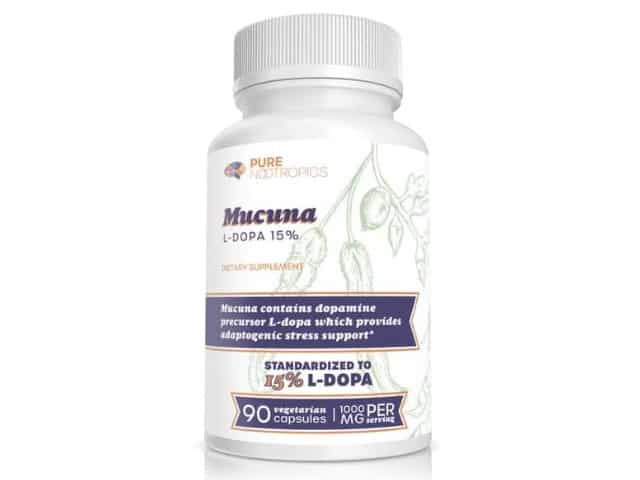
Mucuna pruriens (velvet bean) contains 4-6% L-DOPA by weight — the same compound in pharmaceutical Parkinson’s treatment. This makes it the most directly dopaminergic natural supplement available.
A 2024-2025 systematic review analyzed five clinical trials (108 participants) in Parkinson’s disease and found consistent results: Mucuna improved motor function (UPDRS scores), cognitive function, and quality of life comparably to pharmaceutical levodopa. The pharmacokinetic profile was actually superior — higher peak concentration, faster time to therapeutic effect, and longer duration of benefit. Most remarkably, zero cases of dyskinesia were reported with Mucuna, compared to the ~40% incidence with long-term pharmaceutical levodopa.
A 2025 amino acid analysis also found that Mucuna contains L-tyrosine and L-phenylalanine alongside L-DOPA, which may explain why whole-plant preparations appear 2-3x more potent than equivalent doses of isolated L-DOPA. See our Mucuna pruriens substance page for the full evidence review and safety considerations.
Caveat: This is essentially a natural pharmaceutical. Do not combine with prescription L-DOPA, MAO inhibitors, or dopamine agonists. Do not use casually as a “motivation booster” — the dopaminergic effects are powerful and require the same respect as any drug acting on this system.
SAMe — Moderate Antidepressant Efficacy
S-adenosyl-L-methionine supports dopamine synthesis through its role as a universal methyl donor in catecholamine biosynthesis. It also modulates monoamine oxidase activity and supports neuronal membrane integrity.
A 2024 meta-analysis of 23 RCTs (2,183 participants) found:
- SAMe vs. placebo: SMD −0.58 (moderate effect, comparable to many pharmaceutical antidepressants)
- SAMe plus antidepressant vs. placebo plus antidepressant: No significant difference (SMD −0.22) — suggesting it doesn’t meaningfully augment standard medications
- SAMe vs. antidepressants directly: No significant difference (SMD 0.06) — comparable efficacy
Dropout rates were similar across all groups, indicating good tolerability. The typical dose in clinical trials is 800-1,600mg daily. SAMe is a reasonable option for mild-to-moderate depression in people who prefer non-pharmaceutical approaches, though severe depression still warrants conventional treatment.
Tier 2: Promising Evidence With Caveats
Curcumin — Strong Preclinical, Limited Human Data
Curcumin has compelling mechanistic evidence for dopaminergic neuroprotection. In Parkinson’s disease models, it protects dopaminergic neurons through BDNF/PI3K/Akt signaling, inhibits NLRP3 inflammasome activation, and reduces mitochondrial dysfunction. A study combining curcumin with L-DOPA found the combination normalized impaired molecular markers (alpha-synuclein, caspase 3, NF-κB, BDNF) better than either compound alone.
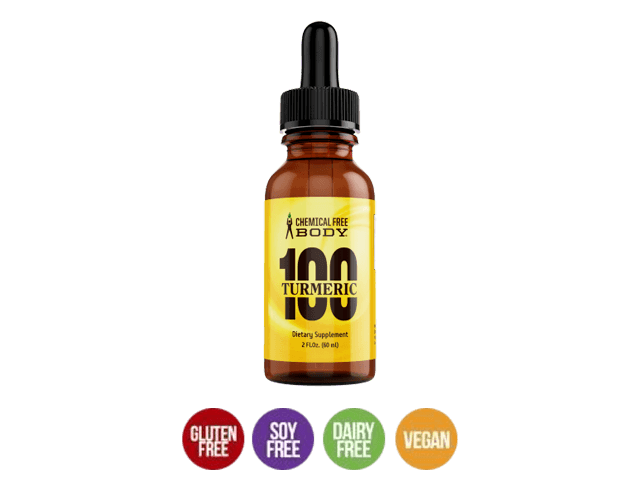
One clinical study found 1g curcumin produced antidepressant effects comparable to fluoxetine in major depression, but this needs independent replication. The primary limitation is bioavailability — standard curcumin is poorly absorbed. Use formulations designed for enhanced absorption (Longvida, Meriva, or liposomal preparations). See our curcumin substance page.
Rhodiola Rosea — Stress Resilience, Not Cognitive Enhancement
Rhodiola rosea consistently helps with subjective stress, anxiety, and mood symptoms. Multiple trials show significant reductions on the Hamilton Anxiety Rating Scale and Perceived Stress Scale compared to placebo.
However, a 2025 triple-blinded crossover study found that 4-day Rhodiola supplementation produced trivial-to-small effects on mental fatigue, visual-cognitive processing, or perceived exertion. Only 4 out of 32 strength performance comparisons reached significance. These findings conflict with earlier studies that reported cognitive improvements, but the more recent trial used more rigorous methodology.
My interpretation: Rhodiola is genuinely useful for stress resilience and mood, but the “cognitive enhancement” claims are overstated. Think of it as an adaptogen that buffers your stress response, not a nootropic that sharpens cognition. See our Rhodiola substance page.
Vitamin D — The Tyrosine Hydroxylase Upregulator
Vitamin D crosses the blood-brain barrier and binds to receptors concentrated in the substantia nigra — the brain’s dopamine production hub. The active metabolite 1,25-dihydroxyvitamin D₃ directly upregulates tyrosine hydroxylase, the rate-limiting enzyme in dopamine synthesis. It also supports the GDNF/Ret pathway that promotes dopaminergic neuron survival.
The catch: the clinical evidence for vitamin D supplementation improving dopamine-dependent outcomes is mostly observational. Low 25(OH)D levels correlate with depression, but we don’t have strong RCT evidence that supplementing above adequate levels provides dopaminergic benefits. The strongest case is for people with documented deficiency (below 30 ng/mL), where restoring levels removes a bottleneck in dopamine synthesis.
Practical approach: Get your 25(OH)D tested. If below 30 ng/mL, supplement 2,000-5,000 IU daily until you reach 40-60 ng/mL. This addresses the dopamine synthesis bottleneck alongside vitamin D’s many other benefits.
Probiotics — The Gut-Brain Dopamine Connection
Specific bacterial strains produce dopamine and its precursors directly in the gut, and a 2025 meta-analysis of 34 RCTs found probiotics reduce depressive and anxiety symptoms in clinically diagnosed patients. The mechanisms include direct neurotransmitter synthesis, short-chain fatty acid production (which crosses the BBB), and HPA axis modulation.
The challenge: results are highly heterogeneous. Individual responses depend on baseline microbiome composition, host genetics, and which specific strains are used. This isn’t a “take any probiotic” recommendation — strain selection matters enormously, and the field hasn’t yet established reliable protocols for matching strains to individuals. See our dopamine article for more on the gut-brain axis.
Tier 3: Theoretical Basis, Weak or Limited Evidence
Acetyl-L-Carnitine (ALCAR)
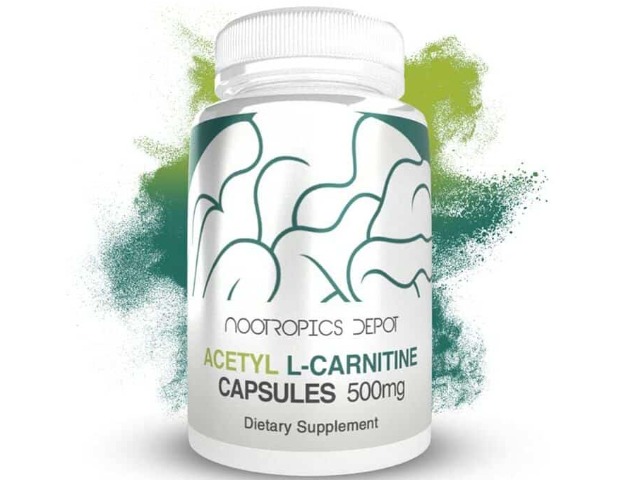
ALCAR increases dopamine receptor expression and augments dopamine output under acute stress in animal models. It also preserves brain taurine levels, supporting downstream neurotransmitter balance. Small human studies suggest benefits for cognitive function in aging populations and mood in depression, but large-scale RCTs are lacking. Typical dose: 500-1,500mg daily.
Uridine Monophosphate
Uridine monophosphate enhances dopamine release through membrane phospholipid synthesis. In aged rats, UMP supplementation increased potassium-evoked dopamine release to 341% of baseline (vs. 283% in controls) and boosted neurofilament proteins — biomarkers of neurite outgrowth. The mechanism is elegant: UMP → UTP → enhanced CTP → more phosphatidylcholine → better synaptic vesicle function → more efficient dopamine storage and release. But there are zero human clinical trials. The preclinical evidence is interesting; the translational evidence doesn’t exist yet.
DL-Phenylalanine (DLPA)
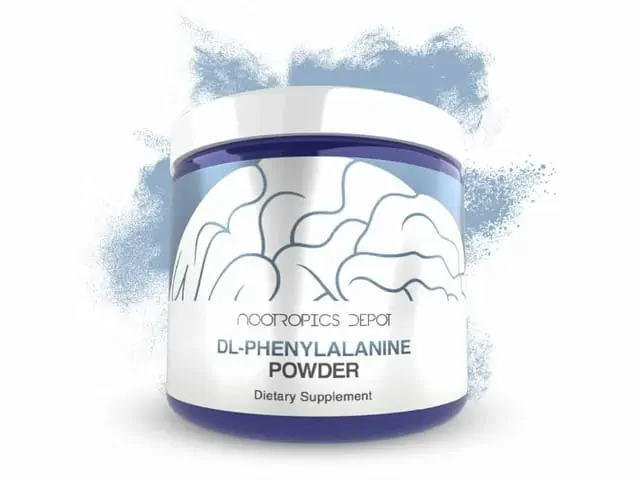
DLPA is an amino acid precursor to tyrosine and therefore, theoretically, to dopamine. However, a comprehensive review found essentially no controlled evidence supporting DLPA for cognitive enhancement or ADHD. One older study showed no benefit over placebo. Major clinical guidelines make no mention of it. Given that L-tyrosine itself only works under specific stress conditions, an even more upstream precursor is unlikely to outperform it.
Reishi Mushroom
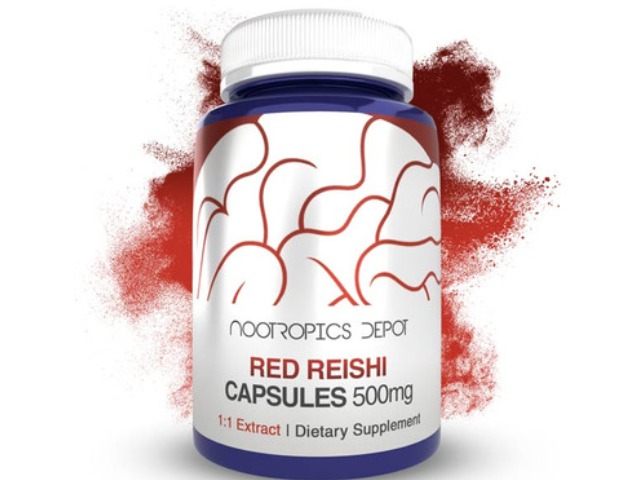
Reishi (Ganoderma lucidum) contains compounds that protect dopaminergic neurons from inflammation and microglial activation in animal models. It has traditional use as a calming adaptogen. However, human evidence for dopamine-specific effects is essentially absent. Reishi is better categorized as a general neuroprotective and immune-modulating mushroom than a dopamine supplement.
What I’d Skip
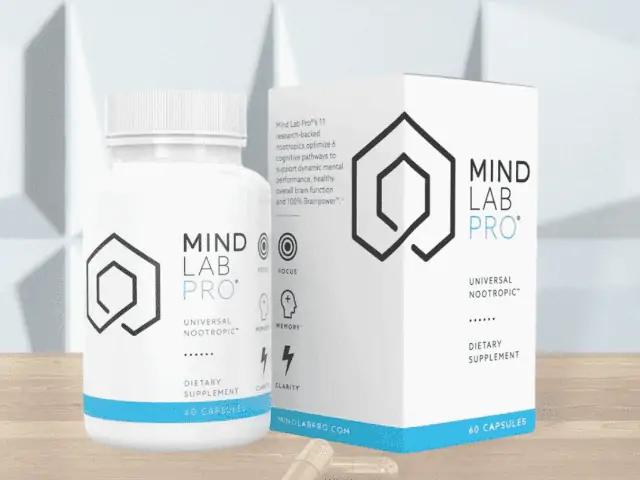
Pre-made nootropic stacks marketed as “dopamine boosters”: Products like Mind Lab Pro and Qualia Mind contain individual ingredients with varying evidence, but at doses often below what clinical studies used. You’re paying a premium for marketing and convenience rather than optimized dosing. If you want citicoline, L-tyrosine, or rhodiola, buy them individually at effective doses.
Megadosing any single precursor: The dopamine system has sophisticated feedback regulation. Chronically flooding it with precursors can cause receptor downregulation — the exact opposite of what you want. Context-dependent, intermittent use is the better strategy for precursors like L-tyrosine and Mucuna.
DLPA for ADHD: There’s no evidence this works, and delaying evidence-based ADHD treatment through unproven supplements carries real costs to executive function, learning, and safety.
How I Think About Dopamine Supplementation
The most important insight from recent dopamine research is that precision matters more than magnitude. You don’t want to globally elevate dopamine — you want to support the specific circuits relevant to your goals while maintaining the brain’s own regulatory mechanisms.
This means:
- Fix deficiencies first: Vitamin D, protein intake (for tyrosine/phenylalanine), iron (cofactor for tyrosine hydroxylase), and B vitamins. These remove bottlenecks.
- Use precursors situationally, not chronically: L-tyrosine before demanding days, not every morning.
- Prioritize lifestyle interventions: Exercise (especially HIIT) increases D2 receptor density. Cold exposure produces acute catecholamine surges. These are covered in our natural dopamine article.
- Consider neuroprotection for long-term health: Curcumin and omega-3s protect dopaminergic neurons without crude dopamine elevation.
- Be skeptical of marketing: If a product promises to “supercharge your dopamine,” it’s selling a story, not evidence.
My Supplement Protocol
- Daily: Curcumin (Longvida, 400mg) for neuroprotection, vitamin D (2,000 IU), omega-3s for dopamine receptor membrane support
- Situational: L-tyrosine (1g) before acutely demanding days or after poor sleep
- Experimental: I’ve tried Mucuna pruriens and it’s noticeably potent — genuine motivation and mood enhancement, but I don’t use it regularly because it’s too pharmacologically active for casual use
- Foundation: High-protein diet, HIIT 4-5x/week, morning sunlight — these do more than any supplement
For detailed pharmacology, dosing, and safety information on each compound, see the individual substance pages linked throughout this article.