

- May reduce anxiety and stress
- Supports healthy inflammatory response
- FDA-approved for severe epilepsy
- Modulates endocannabinoid system
- Supports neuroprotection
I’ll be honest — I resisted CBD for a long time. Back in 2019, every gas station, pet store, and yoga studio was slapping “CBD-infused” on everything from gummy bears to bath bombs. The hype was so loud it actually made me skeptical. When everyone’s selling the same miracle, it’s usually not one.
Then I actually read the pharmacology. And it shut me up.
CBD isn’t the cure-all that influencers made it out to be. But the science behind how it works — hitting dozens of molecular targets simultaneously, raising your body’s own “bliss molecule,” calming overactive neural circuits without sedation — that’s genuinely interesting. The gap between what CBD actually does and what people think it does is enormous, in both directions. Some people dismiss it as snake oil. Others expect it to fix everything. The truth, as usual, is more nuanced and more useful than either extreme.
The Short Version: CBD is a non-psychoactive cannabinoid that modulates your endocannabinoid system, serotonin receptors, and GABA signaling. It has FDA approval for severe epilepsy and moderate clinical evidence for anxiety — but effective doses in studies (300-600mg) are much higher than what most products deliver. It’s genuinely useful for the right person at the right dose, but it’s not magic.
What Is Cannabidiol?
Cannabidiol is one of over 100 cannabinoids found in Cannabis sativa — the second most abundant after THC. The critical difference: CBD doesn’t get you high. No euphoria, no impairment, no munchies at 2 AM. It was first isolated way back in 1940 by chemist Roger Adams, but nobody really understood what it did until Raphael Mechoulam cracked its full chemical structure in 1963 and the endocannabinoid system was discovered in the late ’80s and early ’90s.
The real turning point came in 2018, when the FDA approved Epidiolex — pharmaceutical-grade CBD — for Dravet syndrome and Lennox-Gastaut syndrome, two devastating forms of childhood epilepsy. That same year, the US Farm Bill legalized hemp-derived CBD products containing less than 0.3% THC. Suddenly, CBD was everywhere.
Here’s where the foundations-first philosophy matters. CBD interacts with systems that are already running in your body — your endocannabinoid system, your serotonin signaling, your GABA circuits. If those systems are compromised by poor sleep, chronic gut inflammation, or relentless stress, adding CBD on top is like putting premium fuel in a car with a cracked engine block. Address the basics first. Then CBD becomes a much more effective tool.
How Does Cannabidiol Work?
Most supplements do one thing. CBD does about fifteen. That’s not hype — it’s actually what makes it both fascinating and frustrating to study.
Think of your brain and body as an orchestra. Most drugs are like turning one instrument’s volume knob — louder serotonin, quieter dopamine, whatever. CBD is more like a sound engineer making subtle adjustments across the entire mixing board. No single change is dramatic, but the cumulative effect on the overall sound is noticeable.
Here’s what’s happening at the molecular level:
Endocannabinoid System: CBD doesn’t slam into your CB1 and CB2 receptors the way THC does. Instead, it works indirectly — it inhibits FAAH, the enzyme that breaks down anandamide (your body’s own “bliss molecule”). The result is more anandamide circulating in your system, doing what it was designed to do. CBD also acts as a negative allosteric modulator of CB1, gently dialing down its signaling without blocking it entirely.
Serotonin System: This is the big one for anxiety. CBD directly activates 5-HT1A receptors — the same receptor type targeted by buspirone and involved in SSRI mechanisms. Multiple researchers consider this the primary driver of CBD’s anti-anxiety effects.
GABA System: CBD enhances GABA-A receptor function as a positive allosteric modulator. In plain English, it amplifies your brain’s natural “calm down” signals without directly sedating you. Think of it as making GABA’s voice carry further in a noisy room.
Pain and Inflammation Pathways: CBD activates TRPV1 channels (the same ones capsaicin hits), antagonizes GPR55 (sometimes called the “third cannabinoid receptor”), activates PPARγ, and inhibits adenosine reuptake. Each of these contributes a piece to the anti-inflammatory and analgesic puzzle.
So what does all this mean practically? It means CBD is a modulator, not a hammer. It nudges multiple systems toward balance simultaneously. That’s why the effects feel subtle — you’re not slamming one pathway. You’re adjusting many.
The Real Benefits of Cannabidiol (And What’s Overhyped)
Let me be straight with you about what the evidence actually shows, because the marketing has gotten way ahead of the science in some areas.
Epilepsy — The Gold Standard
This is where CBD has its strongest credentials. Epidiolex is FDA-approved at doses of 10-20 mg/kg/day for Dravet syndrome, Lennox-Gastaut syndrome, and tuberous sclerosis complex. A 2025 meta-analysis published in Therapeutic Advances in Neurological Disorders confirmed statistically significant seizure reduction with CBD as adjunctive therapy in drug-resistant epilepsy. This isn’t preliminary — it’s as solid as evidence gets.
Anxiety — Promising, With Caveats
This is where most nootropic users get interested. A 2024 meta-analysis of 8 randomized controlled trials (316 participants) in Psychiatry Research found a significant anxiolytic effect with a considerable effect size (Hedges’ g = -0.92), covering generalized anxiety, social anxiety, and PTSD.
Here’s the caveat that changes everything: most studies showing clear anxiolytic effects used doses of 300-600mg in a single dose. That 25mg gummy from the health food store? It might take the edge off through placebo and modest pharmacological activity, but it’s an order of magnitude below what clinical trials used.
A 2025 meta-analysis added nuance — pharmaceutical-grade pure CBD showed moderate, statistically significant effects on anxiety disorders (SMD: -0.61), but enriched or mixed formulations didn’t reach statistical significance. Quality matters enormously.
Reality Check: CBD for anxiety is real — multiple RCTs support it. But the doses that work in studies are 300-600mg, not the 10-25mg in most consumer products. If you’ve tried CBD and felt nothing, dose may be the reason.
Pain — The Honest Assessment
This one hurts to report, because I know a lot of people use CBD for pain. A 2026 Cochrane review of cannabis-based medicines for neuropathic pain (21 studies, 2,187 participants) found no clear evidence that CBD-dominant medicines reduce pain by 50% or more compared to placebo. The preclinical data looks great. The human data for CBD alone — without THC — doesn’t hold up well yet.
Sleep — Mixed at Best
Survey data shows people report better sleep with CBD. But a 2025 pilot RCT of THC/CBD combination in insomnia patients actually found decreased total sleep time and significant REM suppression. The clinical evidence for CBD alone improving sleep is inconsistent. Some users find low doses mildly energizing. It might help sleep indirectly by reducing anxiety, but calling it a sleep supplement is a stretch.
Neuroprotection — Early But Interesting
Preclinical evidence is strong — CBD reduces markers of neuroinflammation like GFAP, IL-6, and iNOS in Alzheimer’s models. A 2025 meta-analysis in International Journal of Molecular Sciences found significant reductions in neuroinflammation markers with borderline clinical benefit. But we’re still largely in the animal study phase for neuroprotection claims.
How to Take Cannabidiol Without Wasting Your Money
Dosing CBD wrong is the most common reason people think it doesn’t work. Here’s how to do it right.
Dosage
| Goal | Daily Dose | Evidence Level |
|---|---|---|
| General wellness / mild stress | 10–50 mg | Anecdotal |
| Moderate anxiety support | 50–150 mg | Limited clinical |
| Acute anxiety (studied doses) | 300–600 mg single dose | Moderate (RCT data) |
| Epilepsy (Epidiolex) | 5–20 mg/kg/day | Strong (FDA-approved) |
Start at 10-25mg daily. Give it a full week before increasing. Bump up by 10-25mg increments. Many users report that benefits build over 1-2 weeks of consistent daily use.
The Fat Trick
This is the single most important practical tip: take CBD with a high-fat meal. Bioavailability can increase 4-5x with fat. That means your 50mg dose with breakfast and avocado might deliver as much CBD to your bloodstream as 200mg on an empty stomach. This alone can be the difference between “I don’t feel anything” and “oh, this actually works.”
Forms and Bioavailability
| Form | Bioavailability | Onset | Best For |
|---|---|---|---|
| Sublingual oil/tincture | 12–35% | 15–45 min | Daily use, flexible dosing |
| Oral capsules/edibles | 9–13% | 30–90 min | Convenience, consistent dosing |
| Inhaled (vaporized) | ~31% | 1–5 min | Acute anxiety, fast relief |
| Topical | Low (local) | 15–45 min | Localized muscle/joint relief |
Hold sublingual oil under your tongue for 60-90 seconds before swallowing. This isn’t optional — it significantly improves absorption.
Pro Tip: Full-spectrum CBD products show 12-21% higher bioavailability than isolate in studies and benefit from the “entourage effect” — other cannabinoids and terpenes enhancing CBD’s activity. The trade-off is trace THC (<0.3%), which could theoretically show up on an extremely sensitive drug test. If that’s a concern, broad-spectrum removes THC while keeping other beneficial compounds.
Cycling
CBD doesn’t appear to produce significant tolerance at wellness doses. Most people don’t need to cycle. Some prefer 5 days on, 2 days off to maintain sensitivity, but this is personal preference rather than a pharmacological necessity.
The Side Effects Nobody Warns You About
At typical wellness doses (10-100mg/day), CBD is generally well tolerated. Most side effect data comes from epilepsy trials using doses of 10-20mg/kg/day — that’s potentially 700-1,400mg for a 154-pound person. Still, you should know what to watch for.
Common (mostly at higher doses):
- GI symptoms — diarrhea, nausea (reported in ~59.5% of high-dose trial participants)
- Drowsiness (~16.7%)
- Decreased appetite (~16.5%)
- Dry mouth
- Fatigue
The liver thing: Elevated liver enzymes showed up in ~12.8% of high-dose trial participants. The FDA found a 5.6% risk even at consumer-level doses in healthy adults. If you’re taking CBD regularly, especially at higher doses, periodic liver function testing is worth discussing with your doctor.
Important: CBD significantly inhibits CYP3A4, CYP2C19, and CYP2C9 enzymes. This means it can increase blood levels of warfarin (blood thinners), clobazam and valproate (anti-seizure meds), benzodiazepines, SSRIs, statins, and even caffeine (via CYP1A2). If you’re on any prescription medication, talk to your pharmacist before adding CBD. This isn’t a boilerplate warning — these interactions are clinically significant and well-documented.
Who should avoid CBD entirely:
- Pregnant or breastfeeding women — the FDA, CDC, AAP, and ACOG all advise against it. CBD has been detected in breastmilk up to 6 days after use.
- People with liver disease
- Children (outside of physician-supervised epilepsy treatment)
Stacking Cannabidiol
CBD’s multi-target profile makes it a surprisingly good team player. Here are combinations that make pharmacological sense.
CBD + L-Theanine (The Calm Focus Stack) L-Theanine works through glutamate/GABA modulation while CBD hits 5-HT1A and GABA-A. Different pathways, complementary effects, minimal side effect overlap. This is my go-to recommendation for daytime anxiety without sedation. Try 50-100mg CBD with 200mg L-Theanine.
CBD + Lion’s Mane (The Neuroprotection Stack) Lion’s Mane stimulates Nerve Growth Factor production while CBD provides anti-inflammatory and antioxidant support. Different mechanisms, same goal — keeping your brain healthy long-term. Good for anyone focused on cognitive maintenance.
CBD + Magnesium Threonate (The Evening Wind-Down) Complementary GABA support from different angles. Magnesium threonate adds the bonus of crossing the blood-brain barrier for cognitive benefits. Take both in the evening for relaxation without heavy sedation.
CBD + Curcumin (The Anti-Inflammatory Stack) Synergistic anti-inflammatory and antioxidant effects. Both cross the blood-brain barrier. If neuroinflammation is your concern, this pairing hits it from multiple directions.
CBD + Caffeine (The Smooth Energy Stack) CBD can take the jittery edge off caffeine while preserving the alertness. One note: CBD inhibits CYP1A2, which metabolizes caffeine, so your morning coffee may hit harder and last longer. Start with your usual caffeine and a modest CBD dose.
Avoid combining without medical supervision:
- CBD + warfarin (bleeding risk from increased warfarin levels)
- CBD + high-dose valproate (liver toxicity risk)
- CBD + benzodiazepines (additive sedation plus metabolic interaction)
- CBD + alcohol in excess (additive CNS depression)
My Take
After years of reading the research and personal experimentation, here’s where I land on CBD: it’s a legitimately useful compound that’s simultaneously overhyped and underutilized.
It’s overhyped because the consumer market is flooded with underdosed, poorly tested products making ridiculous claims. A 10mg CBD gummy is not going to cure your chronic pain, fix your insomnia, and eliminate your anxiety. The clinical evidence at those doses just isn’t there.
It’s underutilized because most people who “tried CBD and it didn’t work” either used a garbage product, took too little, took it on an empty stomach, or gave up after three days. When you use pharmaceutical-quality CBD at clinically relevant doses with fat for absorption, it’s a different experience entirely.
Insider Tip: The single biggest predictor of whether CBD will “work” for you is product quality. Demand a third-party Certificate of Analysis from an ISO-accredited lab. It should cover cannabinoid profile, heavy metals, pesticides, residual solvents, and microbial contamination. If a company won’t show you their COA, walk away. FDA testing has found that many products contain significantly more or less CBD than the label claims.
Here’s who I think CBD is best for:
- People with anxiety who want something with real clinical evidence but fewer side effects than pharmaceuticals
- Anyone looking for broad-spectrum anti-inflammatory and neuroprotective support as part of a larger wellness strategy
- People who’ve built their foundation (sleep, gut health, stress management) and want to add a well-studied modulator
And who should probably look elsewhere:
- If pain relief is your primary goal, CBD alone isn’t your best bet — the clinical evidence is weak. Look into PEA (Palmitoylethanolamide) instead, which works on similar pathways without the regulatory complexity.
- If you need fast-acting anxiety relief for specific situations, L-Theanine works faster and more predictably at lower cost.
- If budget is tight, CBD done right isn’t cheap. Quality full-spectrum products at meaningful doses add up.
CBD is a tool, not a miracle. Used intelligently — right product, right dose, right expectations — it earns its place in a thoughtful nootropic strategy. Just don’t expect it to do what good sleep and a clean diet can’t.
Recommended CBD Products
I know how frustrating it is to sort through dozens of brands making the same claims. These are the ones I've personally vetted — because quality is the difference between results and wasted money.
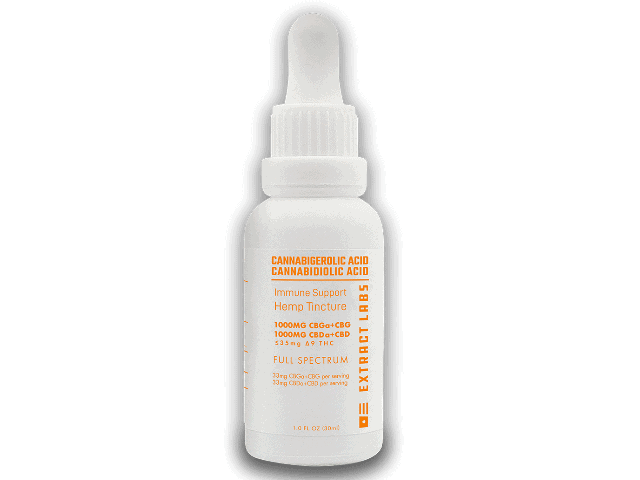
CBD by Extract Labs
Shop Now →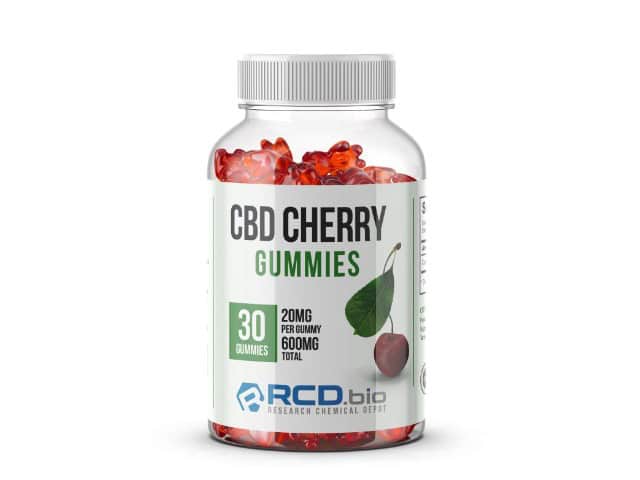
CBD Cherry Gummies by Research Chemical Depot
Shop Now →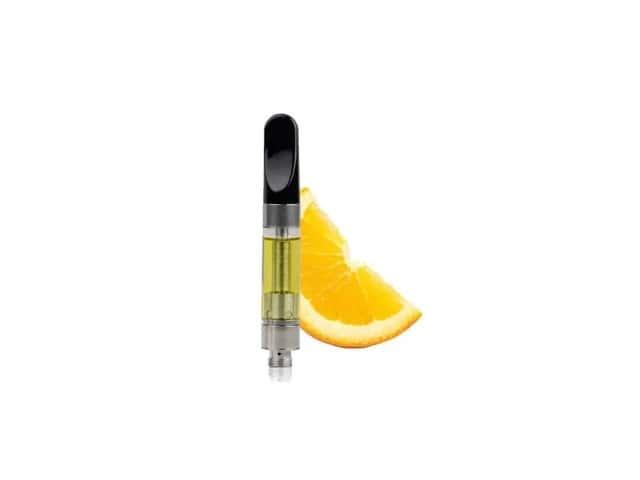
CBD Hemp Isolate Vape Cartridge by Research Chemical Depot
Shop Now →Disclosure: These are affiliate links. I earn a small commission if you purchase — at no extra cost to you. I only recommend products I personally use or have thoroughly researched.
Research & Studies
This section includes 20 peer-reviewed studies referenced in our analysis.
Increased cyclic AMP responsiveness to glucagon in cold-acclimated rats.
Effects of cannabinoids on levels of acetylcholine and choline and on turnover rate of acetylcholine in various regions of the mouse brain.
Action of cannabidiol on the anxiety and other effects produced by delta 9-THC in normal subjects.
Cannabidiol: an overview of some chemical and pharmacological aspects. Part I: chemical aspects.
Neural basis of anxiolytic effects of cannabidiol (CBD) in generalized social anxiety disorder: a preliminary report.
Cannabidiol reduces the anxiety induced by simulated public speaking in treatment-naïve social phobia patients.
Cannabidiol reduces cigarette consumption in tobacco smokers: preliminary findings.
Antidepressant-like and anxiolytic-like effects of cannabidiol: a chemical compound of Cannabis sativa.
Early Phase in the Development of Cannabidiol as a Treatment for Addiction: Opioid Relapse Takes Initial Center Stage.
Cannabidiol, neuroprotection and neuropsychiatric disorders.
Showing 10 of 20 studies. View all →