
- Reduces neuroinflammation through PPAR-α activation
- Increases BDNF expression and neurogenesis
- Provides neuroprotection against oxidative stress
I used to think inflammation was just something that happened when you twisted your ankle or got a paper cut. Then I spent two years dealing with brain fog so thick I’d forget what I was saying mid-sentence, and my “solution” was mainlining coffee like it was a competitive sport.
Turns out my brain was inflamed. And I had no idea that one of the most promising compounds for neuroinflammation was something my body already makes naturally — I just wasn’t making enough of it.
That compound is Palmitoylethanolamide, and if you’re dealing with brain fog, chronic pain, or just want to protect your brain as you age, this guide is going to change how you think about inflammation and cognitive health.
The Short Version: Palmitoylethanolamide (PEA) is an endogenous fatty acid that your body produces naturally to regulate inflammation and pain. Research shows it significantly reduces neuroinflammation, increases BDNF (brain fertilizer), and supports neurogenesis. Most people take 300-1200mg daily in divided doses, and the effects build over 8-12 weeks of consistent use.
What Is Palmitoylethanolamide? (And Why Your Body Already Makes It)
Palmitoylethanolamide — mercifully shortened to PEA — is a naturally occurring fatty acid amide that your body synthesizes on-demand in response to cellular stress, injury, or inflammation. It’s part of your endogenous repair system, like how your body makes its own painkillers (endorphins) and mood regulators (serotonin).
The problem? Sometimes your body doesn’t make enough PEA to handle chronic inflammation, neurodegeneration, or the accumulated stress of modern life. That’s where supplementation comes in.
PEA was first isolated in the 1950s from egg yolks, soybeans, and peanuts (hence “palmitoyl” from palmitic acid). By the 1970s, researchers discovered it had powerful anti-inflammatory and analgesic properties without the side effects of pharmaceutical pain medications. It’s been used clinically in Europe for decades, but it’s only recently gaining traction in the nootropics community as we’ve learned more about its neuroprotective and cognitive benefits.
Here’s the thing most supplement marketers won’t tell you: PEA isn’t a stimulant. It’s not going to give you a jolt of energy or make you feel “on” within an hour. It’s a foundational compound that works by reducing the background inflammation that keeps your brain from functioning optimally. Think of it less like adding premium fuel to your engine and more like fixing the oil leak that’s been degrading performance for months.
Reality Check: PEA works best when you’re also addressing the fundamentals — sleep quality, gut health, chronic stress. Supplementing PEA while living on four hours of sleep and fast food is like watering a plant that’s sitting in toxic soil. It’ll help, but you’re not going to get the full benefit.
How Does Palmitoylethanolamide Work? (The Science Without the Jargon)
PEA works through a mechanism that’s beautifully elegant once you understand it: it activates a receptor called PPAR-α (peroxisome proliferator-activated receptor alpha), which acts like a master switch for genes involved in inflammation, metabolism, and neuroprotection.
When PEA binds to PPAR-α, it triggers a cascade of anti-inflammatory and neuroprotective effects. It’s not blocking inflammation the way NSAIDs do (which can cause long-term gut and cardiovascular issues). Instead, it’s regulating your body’s natural inflammatory response — turning down the volume on chronic inflammation while leaving acute, beneficial inflammation (like the kind that helps you recover from workouts) intact.
Here’s what happens at the cellular level:
It inhibits mast cell activation. Mast cells are immune cells that release inflammatory mediators when triggered. PEA keeps them from overreacting to non-threatening stimuli, reducing the release of pro-inflammatory cytokines and histamine. This is one reason PEA has been studied extensively for chronic pain conditions and allergic responses.
It modulates microglial activation. Microglia are the brain’s immune cells. When chronically activated, they release inflammatory signals that damage neurons and impair synaptic plasticity. PEA helps shift microglia from a pro-inflammatory state to a neuroprotective one, creating an environment where neurons can thrive instead of just survive.
It increases BDNF expression. Brain-Derived Neurotrophic Factor (BDNF) is like fertilizer for your brain — it promotes the growth of new neurons, strengthens synaptic connections, and supports neuroplasticity. A 2024 randomized controlled trial published in Nutrients found that healthy adults taking formulated PEA for just four weeks showed significant increases in serum BDNF levels alongside measurable improvements in cognitive function parameters.
It enhances antioxidant defenses. PEA upregulates the expression of antioxidant enzymes like catalase, superoxide dismutase, and glutathione peroxidase. These enzymes neutralize reactive oxygen species (ROS) that would otherwise damage neuronal membranes and DNA. Animal studies consistently show that PEA supplementation reduces oxidative stress markers in brain tissue.
In plain English: PEA helps your brain clean up the inflammatory mess that accumulates from chronic stress, poor sleep, gut dysfunction, and aging. It creates the conditions for neurogenesis (growth of new brain cells), synaptic strengthening (better connections between existing cells), and protection against the kind of low-grade neurodegeneration that shows up as brain fog, poor memory, and slower processing speed.
Insider Tip: PEA’s effects are cumulative and require consistent dosing. If you’re expecting to feel something dramatic after one dose, you’ll be disappointed. The real magic happens over weeks of daily use as neuroinflammation decreases and BDNF levels rise.
Benefits of Palmitoylethanolamide (What the Research Actually Shows)
Cognitive Function Improvements
The cognitive benefits of PEA aren’t flashy — you won’t feel like Bradley Cooper in Limitless — but they’re real and well-documented.
A 2024 randomized, double-blind, placebo-controlled crossover trial published in Nutrients studied 60 healthy young adults who took a formulated PEA supplement (Levagen+) for four weeks. The results were compelling: participants showed significant improvements in working memory, attention, and processing speed compared to placebo. Even more interesting, these cognitive improvements correlated with increased serum BDNF levels, suggesting the mechanism is tied to neuroplasticity enhancement rather than acute stimulation.
Translation: PEA helps your brain build better infrastructure for thinking. The effects are subtle at first but compound over time.
Neuroprotection Against Neurodegeneration
This is where PEA really shines. A 2025 study published in Frontiers in Cellular Neuroscience used the Tg2576 mouse model of Alzheimer’s disease to test chronic PEA administration via slow-release subcutaneous pellets. The results were striking: PEA-treated mice showed significant neuroprotection, reduced amyloid-beta plaque burden, decreased microglial activation, and improved synaptic markers compared to controls.
Before you get too excited — these are animal studies, not human trials. But the mechanisms are consistent across species: PEA reduces the chronic neuroinflammation that drives neurodegenerative processes. It’s not a cure, but it’s a legitimate protective strategy, especially if you have family history of Alzheimer’s or other neurodegenerative conditions.
Pain and Inflammation Reduction
PEA has decades of clinical use for chronic pain conditions. A 2025 meta-analysis in Nutrition Reviews examined multiple trials of PEA for pain management across various conditions (neuropathic pain, osteoarthritis, fibromyalgia, chronic pelvic pain). The findings were consistent: PEA significantly reduces pain intensity and improves quality of life, with effect sizes comparable to pharmaceutical options but without the side effect profile.
Why does this matter for cognitive health? Chronic pain creates a vicious cycle of inflammation, stress, and poor sleep — all of which degrade cognitive function. If you’re dealing with chronic pain that’s impacting your ability to think clearly, PEA addresses both the pain and the cognitive impact simultaneously.
Mood and Stress Resilience
While PEA isn’t a traditional anxiolytic or antidepressant, its anti-inflammatory effects extend to mood regulation. Neuroinflammation is increasingly recognized as a driver of depression and anxiety, particularly treatment-resistant forms. By reducing inflammatory signaling in brain regions like the hippocampus and prefrontal cortex, PEA creates a biochemical environment more conducive to stable mood and stress resilience.
Anecdotally (and this matches my personal experience), people report feeling more emotionally stable on PEA — not euphoric, just less reactive to stressors and better able to maintain cognitive performance under pressure.
| Benefit | Evidence Level | Key Study | Notes |
|---|---|---|---|
| Cognitive function | Strong (human RCTs) | Kim et al. 2024, Nutrients | 60 healthy adults, 4 weeks, significant improvements in working memory and attention |
| BDNF increase | Strong (human RCTs) | Kim et al. 2024, Nutrients | Correlated with cognitive improvements |
| Neuroprotection | Moderate (animal models) | Tortolani et al. 2025, Front Cell Neurosci | Alzheimer’s model, reduced plaque burden and neuroinflammation |
| Pain reduction | Strong (meta-analysis) | Viña & López-Moreno 2025, Nutr Rev | Multiple chronic pain conditions, effect sizes comparable to pharmaceuticals |
| Mood support | Preliminary (mechanistic + anecdotal) | Not yet robustly studied | Indirect via neuroinflammation reduction |
Reality Check: The evidence for cognitive enhancement in healthy adults is promising but still relatively new. Most of the robust clinical data comes from pain management studies. If you’re expecting pharmaceutical-grade mood enhancement or overnight memory boosts, temper your expectations. What you’re more likely to get is gradual improvement in baseline cognitive function and resilience.
How to Take Palmitoylethanolamide (Without Wasting Your Money)
Dosage
The effective dosage range for PEA is well-established from decades of clinical use:
| Use Case | Dosage | Timing | Notes |
|---|---|---|---|
| General neuroprotection & cognitive support | 300-600mg/day | Morning with food | Start here; most studies use this range |
| Enhanced cognitive benefits | 600-900mg/day | Split dose: morning + afternoon | Kim et al. 2024 used 700mg/day |
| Therapeutic (pain/inflammation) | 900-1200mg/day | 3x daily (300-400mg per dose) | Used in clinical pain management studies |
Start low: Begin with 300mg once daily for the first week. PEA is well-tolerated, but starting conservatively lets you assess response without introducing multiple variables.
Increase gradually: If you don’t notice benefits after 2-3 weeks at 300mg, increase to 600mg (split as 300mg twice daily). Many people find this to be the sweet spot for cognitive benefits.
Be patient: Unlike stimulants or caffeine, PEA’s benefits accumulate over weeks. The 2024 Nutrients study showed significant effects at four weeks, but many users report optimal effects at 8-12 weeks of consistent use.
Timing and Administration
Take with food. PEA is a fatty acid amide — it’s lipophilic (fat-soluble), which means absorption improves significantly when taken with dietary fats. A meal containing healthy fats (omega-3s from fish, avocado, nuts, or olive oil) will enhance bioavailability.
Split doses for higher amounts. If you’re taking 600mg or more daily, split it into two doses (morning and early afternoon). This maintains more stable blood levels throughout the day and may reduce the chance of mild digestive discomfort.
Morning-weighted dosing. Since PEA supports cognitive function and stress resilience, most people prefer to take their dose (or larger dose, if splitting) in the morning. There’s no stimulant effect that would interfere with sleep, but front-loading cognitive support makes practical sense.
Forms and Bioavailability
Standard micronized PEA has decent absorption, but newer formulations significantly improve bioavailability:
| Form | Bioavailability | Cost | Best For |
|---|---|---|---|
| Standard PEA (micronized) | Moderate | $ | Budget-conscious users |
| Levagen+ (LipiSperse®) | 1.75x higher | $$ | Cognitive enhancement (used in Kim 2024 study) |
| Ultramicronized PEA | Higher than standard | $$ | Pain management, serious users |
The 2024 cognitive study used Levagen+, a proprietary formulation using LipiSperse® technology to enhance absorption. If you’re specifically targeting cognitive benefits, this formulation has the strongest human evidence. For general neuroprotection and anti-inflammatory effects, standard micronized PEA is likely sufficient.
Cycling
PEA doesn’t require cycling. It’s not building tolerance in the way stimulants or GABAergics do. Many users take it continuously for months or years, particularly for chronic pain management or neuroprotection.
That said, some people prefer to cycle everything on a “work weeks on, weekends off” schedule or take a week off every 8-12 weeks just to reassess baseline. This is personal preference, not a pharmacological necessity.
Pro Tip: Track subjective markers (brain fog, stress resilience, pain levels) before starting PEA and at weeks 2, 4, 8, and 12. PEA’s effects are gradual enough that you might not notice day-to-day improvements, but looking back at your notes after two months will make the difference obvious.
Side Effects & Safety (What Could Go Wrong)
PEA is one of the safest compounds I’ve researched. It’s an endogenous substance your body already makes, and decades of clinical use have established an excellent safety profile.
Common side effects (rare, mostly at higher doses):
- Mild digestive discomfort or nausea (usually resolves when taken with food)
- Loose stool (uncommon, dose-dependent)
That’s it. No stimulant jitters, no rebound anxiety, no hormonal disruption, no dependency potential.
Who should avoid PEA:
- People with known hypersensitivity to PEA or related compounds (extremely rare)
- Those with rare genetic conditions affecting fatty acid metabolism (consult a physician)
Pregnancy and nursing: There’s insufficient data on PEA supplementation during pregnancy or breastfeeding. While it’s a naturally occurring compound, the precautionary principle applies — consult your healthcare provider before use.
Drug Interactions
PEA has a very low potential for drug interactions because it doesn’t significantly interact with cytochrome P450 enzymes (the liver enzymes responsible for metabolizing most drugs). However, theoretical interactions exist:
| Medication/Substance | Interaction Type | Risk Level | Notes |
|---|---|---|---|
| NSAIDs (ibuprofen, naproxen) | Additive anti-inflammatory | Low | May enhance pain relief; could theoretically reduce NSAID requirements |
| Corticosteroids | Additive anti-inflammatory | Low | Monitor with physician if using long-term steroids |
| Anticoagulants (warfarin) | Theoretical platelet effect | Low | No documented interactions, but monitor if on blood thinners |
| CBD and other cannabinoids | Synergistic (Entourage Effect) | None (beneficial) | May enhance each other’s anti-inflammatory effects |
| Alcohol | None documented | Low | No known interaction, but alcohol increases neuroinflammation (counterproductive) |
Important: While PEA has an excellent safety profile, if you’re on multiple medications or have a complex medical history, consult your healthcare provider before adding any new supplement. This is standard practice, not a PEA-specific concern.
Stacking Palmitoylethanolamide (The Combinations That Actually Work)
PEA pairs exceptionally well with other neuroprotective and cognitive-enhancing compounds. Because it reduces neuroinflammation and increases BDNF, it creates an optimal environment for other nootropics to work more effectively.
For Cognitive Enhancement & Neuroprotection
The Brain Longevity Stack:
- 300-600mg PEA (morning with breakfast)
- 500-1000mg Lion’s Mane (morning) — synergistic for BDNF and NGF production
- 250-500mg Bacopa Monnieri (morning) — enhances memory consolidation and works through complementary mechanisms
- 200-400mg Alpha-GPC (morning) — provides acetylcholine support, addresses the neurotransmitter side while PEA handles inflammation
This stack addresses neuroinflammation (PEA), neurogenesis (Lion’s Mane), synaptic plasticity (Bacopa), and neurotransmitter support (Alpha-GPC). It’s a foundational stack for long-term brain health.
For Pain Management & Recovery
The Anti-Inflammatory Stack:
- 600-900mg PEA (split dose: morning + afternoon with meals)
- 500-1000mg Curcumin (with black pepper extract for absorption) — complementary anti-inflammatory pathways
- 1000-2000mg Omega-3 fatty acids (EPA + DHA) — reduces systemic inflammation, supports PEA synthesis
- 400-800mg Magnesium Glycinate (evening) — muscle relaxation, pain modulation, sleep support
This combination is particularly effective for chronic pain conditions where inflammation is driving symptoms. The mechanisms overlap just enough to be synergistic without redundancy.
For Mood & Stress Resilience
The Neurochemical Balance Stack:
- 300-600mg PEA (morning with food)
- 200-400mg L-Theanine (morning + afternoon as needed) — GABA modulation, stress buffering
- 300-500mg Rhodiola Rosea (morning) — adaptogenic support, dopamine/serotonin balance
- 200-500mg Ashwagandha (evening) — cortisol regulation, GABAergic activity
PEA handles the inflammatory component of stress and mood dysregulation, while the other compounds address neurotransmitter balance and HPA axis regulation.
What NOT to Stack
Avoid combining PEA with:
- Nothing, really. PEA is remarkably safe to combine with most compounds.
- The only consideration is redundancy — stacking multiple anti-inflammatory compounds (PEA + Curcumin + high-dose fish oil + Boswellia) might provide diminishing returns unless you’re specifically addressing severe chronic inflammation.
| Stack Goal | Key Compounds | Dosages | Best Timing |
|---|---|---|---|
| Cognitive Enhancement | PEA + Lion’s Mane + Bacopa + Alpha-GPC | 600mg + 1000mg + 300mg + 300mg | Morning with breakfast |
| Pain & Inflammation | PEA + Curcumin + Omega-3 + Magnesium | 900mg + 1000mg + 2000mg + 600mg | Split: AM/PM with meals |
| Mood & Stress | PEA + L-Theanine + Rhodiola + Ashwagandha | 600mg + 400mg + 400mg + 300mg | AM: first 3; PM: Ashwagandha |
Insider Tip: PEA works best as part of a comprehensive approach. If you’re stacking it with cognitive enhancers but still sleeping five hours a night and eating inflammatory foods, you’re building on quicksand. Address sleep, gut health, and chronic stress first — PEA will amplify those efforts.
My Take
I started taking PEA two years ago after reading the pain management literature and connecting the dots to neuroinflammation’s role in cognitive function. I wasn’t dealing with chronic pain, but I was dealing with the kind of low-grade brain fog that made deep work feel like wading through mud.
The first three weeks? Nothing dramatic. No stimulant rush, no immediate clarity. Just consistent daily dosing at 600mg (300mg morning, 300mg afternoon with meals).
Around week four, I noticed something subtle: I was recovering from stressful days faster. The kind of cognitive fatigue that used to linger for 24 hours after a brutal workday was resolving overnight. By week eight, my baseline cognitive function was noticeably sharper — better working memory, faster processing, less mental friction when switching contexts.
Here’s what PEA is best for:
- People dealing with chronic low-grade inflammation (gut issues, autoimmune conditions, chronic stress)
- Anyone with a family history of neurodegenerative disease looking for a legitimate protective strategy
- Biohackers focused on long-term brain health and resilience, not acute performance hacks
- People managing chronic pain who also want cognitive benefits (this is a two-birds-one-stone situation)
Here’s who should probably try something else instead:
- If you need immediate cognitive enhancement for a specific event (exam, presentation), try caffeine + L-Theanine or Alpha-GPC instead
- If you’re looking for mood elevation or anxiolytic effects as the primary goal, Rhodiola Rosea, Ashwagandha, or L-Theanine will provide more direct effects
- If your budget is limited and you’re choosing between foundational supplements, prioritize Magnesium, Omega-3s, and Vitamin D first — PEA is powerful, but it works best on top of solid nutritional foundations
Is it worth trying? Absolutely. PEA has become a permanent part of my stack. It’s not flashy, but it’s one of the most well-researched, safest, and most effective long-term neuroprotective compounds available. If you’re thinking in terms of decades — protecting your brain against age-related decline, reducing chronic inflammation, maintaining cognitive resilience — PEA is one of the best tools we have.
Start conservatively at 300-600mg daily with food. Give it a full 8-12 weeks of consistent use. Track subjective markers so you can assess the cumulative effects. And for the love of all that’s holy, don’t neglect sleep, gut health, and stress management while you’re at it.
This isn’t a magic pill. It’s a smart, evidence-based compound that does exactly what it’s supposed to do: reduce neuroinflammation and create the conditions for long-term brain health. That’s a hell of a lot more valuable than most of the hype-driven garbage in the supplement industry.
Recommended PEA Products
I know how frustrating it is to sort through dozens of brands making the same claims. These are the ones I've personally vetted — because quality is the difference between results and wasted money.
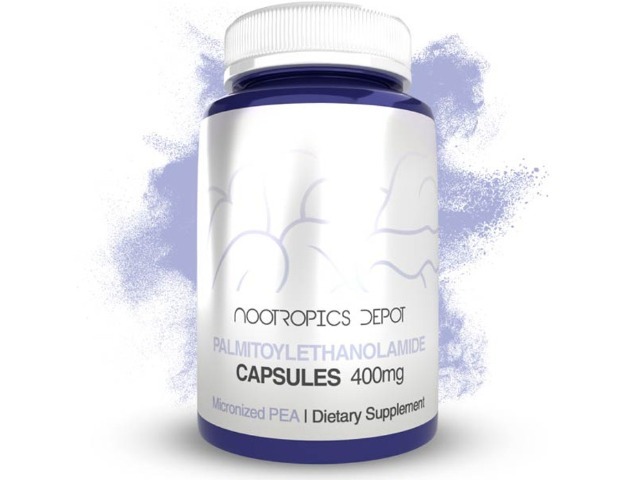
Palmitoylethanolamide by Nootropics Depot
Shop Now →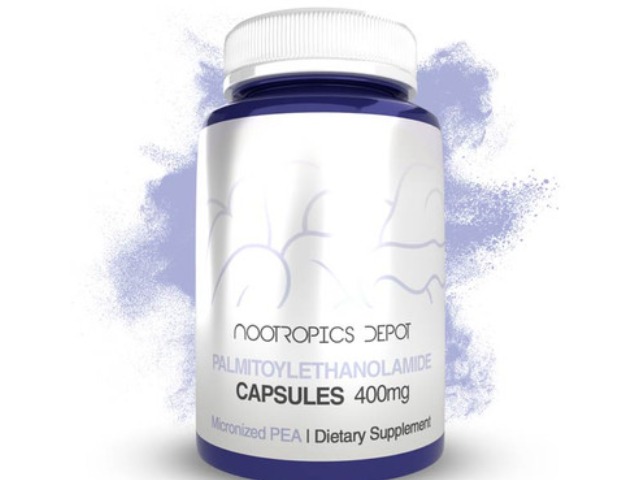
Palmitoylethanolamide Capsules | 400mg | Micronized Pea by Nootropics Depot
Shop Now →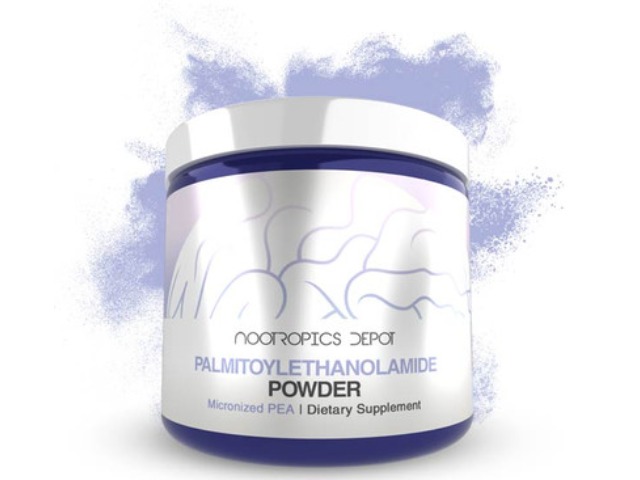
Palmitoylethanolamide Powder | Micronized Pea by Nootropics Depot
Shop Now →Disclosure: These are affiliate links. I earn a small commission if you purchase — at no extra cost to you. I only recommend products I personally use or have thoroughly researched.
Research & Studies
This section includes 5 peer-reviewed studies referenced in our analysis.