
- Supports mood and emotional stability
- Reduces systemic and neuroinflammation
- Supports cardiovascular health and triglyceride management
- Enhances cell membrane fluidity and neurotransmitter signaling
- May improve cognition as a foundational brain nutrient
I spent the better part of two years chasing the next big nootropic — cycling through racetams, experimenting with peptides, stacking adaptogens like I was building a chemistry set. Meanwhile, my omega-3 index was sitting at 4.2% (it should be above 8%). The one thing my brain actually needed? A fatty acid my grandmother could’ve told me about.
That was my wake-up call. Sometimes the most powerful nootropic isn’t exotic or expensive — it’s the nutrient your brain has been starving for all along.
The Short Version: EPA (eicosapentaenoic acid) is an omega-3 fatty acid with strong clinical evidence for reducing depression, lowering cardiovascular risk, and fighting chronic inflammation. It’s not a flashy “feel-it-in-an-hour” nootropic — it’s a foundational nutrient that optimizes your brain from the ground up. If you only take one supplement, a high-quality EPA-dominant fish oil should be on the shortlist.
What Is Eicosapentaenoic Acid?
EPA is a 20-carbon omega-3 polyunsaturated fatty acid — one of the two heavy hitters in the omega-3 world, alongside its better-known sibling DHA. You’ll find it concentrated in cold-water fatty fish like salmon, mackerel, sardines, and anchovies, as well as in krill and certain microalgae. Your body can technically make EPA from ALA (the omega-3 in flaxseed and walnuts), but the conversion rate is abysmal — somewhere around 5-10%. That’s why direct dietary intake or supplementation matters so much.
The story of EPA really kicks off in the 1970s, when researchers Dyerberg and Bang noticed something strange: Greenland Inuit populations ate a diet loaded with fat yet had remarkably low rates of heart disease. The key variable? Their diet was rich in marine lipids — particularly EPA. That observation launched decades of research, culminating in the landmark REDUCE-IT trial in 2019, which showed that high-dose purified EPA reduced cardiovascular events by 25% in high-risk patients. It’s rare for a nutritional compound to earn that kind of clinical firepower.
But here’s the part that matters for the nootropics crowd: EPA isn’t just a heart supplement. It’s one of the most potent natural anti-inflammatory compounds available, and since neuroinflammation is at the root of brain fog, mood disorders, and cognitive decline, EPA sits at a critical intersection of brain health. Think of it as infrastructure — not the flashy new app, but the high-speed internet connection that makes everything else run better.
How Does Eicosapentaenoic Acid Work?
Here’s the plain-English version: EPA gets into your cell membranes and changes the signals your body sends. Specifically, it competes with a pro-inflammatory omega-6 fatty acid called arachidonic acid (AA) for the same enzymes. When EPA wins that competition, the chemical messengers your body produces shift from “sound the alarm” signals to “stand down” signals. Less inflammation, better signaling, calmer system.
At the molecular level, EPA occupies the cyclooxygenase (COX) and lipoxygenase (LOX) enzymes that would otherwise convert arachidonic acid into inflammatory prostaglandins, thromboxanes, and leukotrienes. The eicosanoids that EPA produces instead are far less inflammatory. But the real magic is what comes next — EPA is the precursor to a class of molecules called E-series resolvins (RvE1, RvE2, RvE3). These are specialized pro-resolving mediators, or SPMs, and they don’t just dampen inflammation. They actively resolve it. There’s a meaningful difference between turning down the volume on a fire alarm and actually putting out the fire.
So what does this mean for your brain? EPA enters the central nervous system but doesn’t accumulate there the way DHA does. Instead, it works through its metabolites and anti-inflammatory actions — particularly in microglia, your brain’s resident immune cells. When microglia are chronically activated (which happens with poor diet, stress, and gut dysbiosis), they pump out inflammatory molecules that contribute to brain fog, depression, and neurodegeneration. EPA dials that down. It also integrates into neuronal membranes, improving their fluidity, which translates to better neurotransmitter receptor binding and faster signal transmission.
There’s also an emerging gut-brain axis component — EPA modulates gut microbiome composition, which indirectly influences neurotransmitter balance. It’s another reminder that brain health doesn’t start in the brain. It starts in the gut.
Reality Check: EPA is not going to give you a limitless-style cognitive upgrade. It’s a foundational nutrient, not a stimulant. The benefits are cumulative, subtle, and often only apparent after months of consistent use — or when you see your bloodwork improve. If you’re looking for something you can feel in an hour, this isn’t it. But if you want your brain working optimally for years, not just this afternoon, EPA is essential.
Benefits of Eicosapentaenoic Acid
Mood and Depression Support
This is where EPA’s evidence is most compelling for the nootropic-minded. Multiple meta-analyses have found that EPA-dominant supplements (those with at least 60% EPA relative to DHA) significantly reduce depression severity. Pure DHA or DHA-dominant formulas? They don’t show the same effect. The sweet spot appears to be 1,000-2,000 mg of EPA daily — going above 2 g/day doesn’t seem to add extra benefit.
One study that caught my attention: EPA at 1,000 mg/day significantly prevented interferon-alpha-induced depression in a controlled trial. That’s meaningful because interferon-alpha is notoriously brutal on mood — the fact that EPA could buffer that effect speaks volumes about its anti-inflammatory mechanism.
I should be honest here, though. A Cochrane systematic review — the gold standard for evidence evaluation — looked at 35 studies with nearly 2,000 participants and characterized the overall effect as “small-to-modest.” That doesn’t mean it doesn’t work. It means expectations should be realistic: EPA is a solid adjunctive tool for mood support, not a standalone antidepressant.
Cardiovascular Health
The REDUCE-IT trial is the crown jewel here. In this massive randomized controlled trial, 4 g/day of icosapent ethyl (pharmaceutical-grade purified EPA) reduced primary cardiovascular events by 25% and ischemic stroke by 36% in statin-treated patients with elevated triglycerides. A recent meta-analysis of 38 RCTs covering over 149,000 participants confirmed that EPA monotherapy shows more pronounced cardiovascular benefit than combined EPA/DHA formulas.
Anti-Inflammatory Effects
Well-established across dozens of studies. EPA inhibits NF-κB signaling (a master switch for inflammatory genes), decreases TNF-α and IL-1β (key inflammatory cytokines), and generates those resolvin molecules that actively clean up inflammation. For anyone dealing with chronic low-grade inflammation — and honestly, that’s most people eating a modern Western diet — this is foundational.
Neuroprotection
This category is still emerging but promising. Animal models show EPA-derived SPMs reduce amyloid beta and phosphorylated tau — the hallmark proteins of Alzheimer’s disease. EPA also activates the Nrf2/ARE antioxidant pathway, providing neuroprotective effects against oxidative stress. The human data isn’t there yet for neurodegenerative disease prevention, but the mechanistic picture is strong.
Insider Tip: If you’re choosing between an EPA-dominant and a DHA-dominant supplement, match the formula to your primary goal. For mood, inflammation, and cardiovascular health, go EPA-dominant. For brain structure support, cognitive development, and pregnancy, go DHA-dominant. For general “I just want to be healthy,” a balanced formula works fine.
How to Take Eicosapentaenoic Acid
Dosage ranges by goal:
- General health: 250-500 mg/day EPA+DHA combined (meets WHO/AHA guidelines)
- Mood support: 1,000-2,000 mg/day EPA, ideally from an EPA-dominant formula (≥60% EPA)
- Cardiovascular risk: 1,800-4,000 mg/day EPA (higher end under medical supervision)
- Anti-inflammatory: 1,000-3,000 mg/day EPA
Timing and absorption: Always take EPA with a fat-containing meal. This isn’t optional — absorption can be up to 3x better with food than on an empty stomach. Morning or evening doesn’t matter much, but splitting your dose across two meals (say, breakfast and dinner) can reduce the GI discomfort some people get at higher doses.
Forms matter more than you’d think. Here’s the hierarchy, best to least absorbed:
- Re-esterified triglyceride (rTG) — Best balance of concentration and bioavailability. This is what I recommend for most people.
- Phospholipid form (krill oil) — Good absorption per milligram, but you’d need a lot of capsules to hit therapeutic EPA doses.
- Ethyl ester (EE) — The most common form. Lower acute absorption, but long-term studies show comparable efficacy. Icosapent ethyl (Vascepa) is this form at pharmaceutical purity.
- Lysine-complexed (AvailOm) — Newer technology showing roughly 5-fold improved absorption. Available through Nootropics Depot.
Timeline to expect: EPA plasma levels peak around 6 weeks. Give yourself at least 8-12 weeks before assessing whether it’s working. No cycling needed — this is a dietary nutrient, not a drug. Consistent daily intake is the way.
Pro Tip: Don’t just look at the “Fish Oil 1,000 mg” on the front of the bottle. Flip it over and check the actual EPA and DHA breakdown in the supplement facts panel. A 1,000 mg fish oil capsule often contains only 180 mg EPA and 120 mg DHA. You’d need 6-8 of those capsules to hit a therapeutic dose for mood support. Concentrated formulas (60-90% omega-3 by weight) save you money and capsules.
Side Effects and Safety
The good news: EPA has an excellent safety profile at standard doses. The bad news: it’s not completely side-effect-free, especially at high doses.
Common side effects (mild, dose-dependent): Fishy aftertaste and burps top the complaint list. You might also experience nausea, bloating, mild diarrhea, or heartburn. These improve significantly when you take it with meals, refrigerate your capsules, or switch to enteric-coated forms.
The serious stuff: At doses above 3 g/day, EPA reduces platelet aggregation enough to increase bleeding risk. The REDUCE-IT trial also observed a small but statistically significant increase in atrial fibrillation at 4 g/day. The absolute risk was low, but it’s worth knowing — especially if you have a history of heart rhythm issues.
Important: If you’re taking blood thinners (warfarin, aspirin, clopidogrel), talk to your doctor before starting high-dose EPA. The combination can increase bleeding risk. Also stop EPA supplementation 1-2 weeks before any scheduled surgery.
Drug interactions to watch: Anticoagulants (increased bleeding), orlistat (reduced absorption — take 2 hours apart), and blood pressure medications (EPA may enhance their effects). On the bright side, EPA has no significant CYP450 interactions, so it plays nicely with most medications.
Pregnancy and nursing: Not only safe but actively recommended. A minimum of 250 mg/day EPA+DHA is the baseline, with most guidelines emphasizing additional DHA for fetal brain development. Up to 3 g/day is GRAS (Generally Recognized As Safe) by the FDA. Choose purified, third-party tested products to avoid mercury contamination.
The FDA recommends no more than 5 g/day combined EPA+DHA from supplements.
Stacking Eicosapentaenoic Acid
EPA plays well with others. Here are the combinations worth considering:
EPA + DHA — The classic. DHA handles brain structure (it’s the most abundant fatty acid in neuronal membranes), while EPA handles the anti-inflammatory and mood work. Most quality fish oils give you both, which is fine for general health.
EPA + Curcumin — A powerhouse anti-inflammatory stack. They work through complementary pathways, and some evidence suggests curcumin enhances omega-3 incorporation into cell membranes. If chronic inflammation is your primary concern, this is the pairing.
EPA + Vitamin D — Synergistic anti-inflammatory effects. These are also the two most common nutritional deficiencies in Western populations, so there’s a good chance you need both.
EPA + Citicoline — Covers two foundations at once: membrane fluidity (EPA) and acetylcholine support (citicoline). A solid baseline cognitive stack.
EPA + Magnesium — Magnesium is a cofactor in fatty acid metabolism and shares cardiovascular and mood-supporting properties with EPA. Another “you probably need both” combination.
What to be careful with: Combining high-dose EPA with blood thinners is the main caution. Also be mindful if you’re stacking EPA with other supplements that have mild anticoagulant effects, like high-dose vitamin E or Ginkgo biloba — the effects can add up.
My Take
EPA is one of those supplements I’ll never stop taking. It’s not sexy. It’s not going to make you feel superhuman after your first dose. But looking back over years of experimenting with nootropics, addressing my omega-3 deficiency was one of the highest-impact changes I ever made — right up there with fixing my sleep and cleaning up my gut health.
Here’s who I think should seriously consider EPA supplementation: pretty much anyone eating a standard Western diet (which typically delivers a fraction of the omega-3s your brain needs), anyone dealing with mood issues or brain fog, anyone with a family history of heart disease, and anyone with chronic inflammation — which, let’s be honest, covers most of us.
Who might want to look elsewhere first? If you’re already eating fatty fish 3-4 times per week, your omega-3 status might already be solid. Get your omega-3 index tested (it’s a simple blood test) before spending money on supplements.
My practical recommendation: start with a high-quality rTG form fish oil delivering at least 1,000 mg EPA daily. Take it with your fattiest meal. Give it 12 weeks. Don’t expect fireworks — expect to realize one day that your mood has been more stable, your thinking a bit clearer, and your joints a little less angry. That’s what foundational nutrition feels like. It doesn’t announce itself. It just quietly makes everything work better.
If you’re going to build a nootropic stack, build it on a solid foundation. EPA is part of that foundation.
Recommended EPA Products
I know how frustrating it is to sort through dozens of brands making the same claims. These are the ones I've personally vetted — because quality is the difference between results and wasted money.
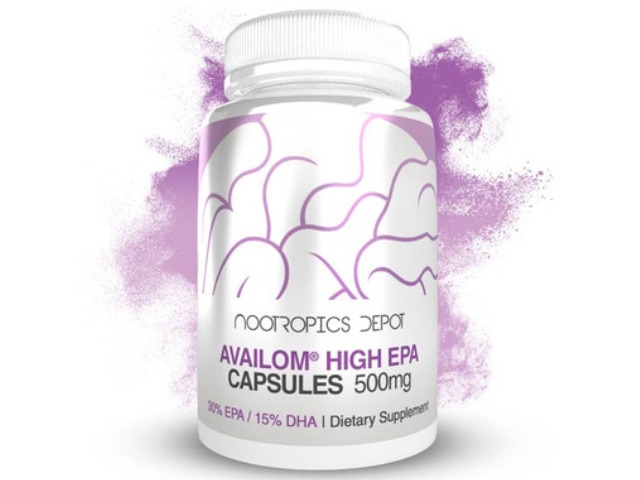
Nootropics Depot Availom® High Epa Capsules | 500mg | Minimum 30% ...
Shop Now →
Cosmic Nootropics Homepage
Shop Now →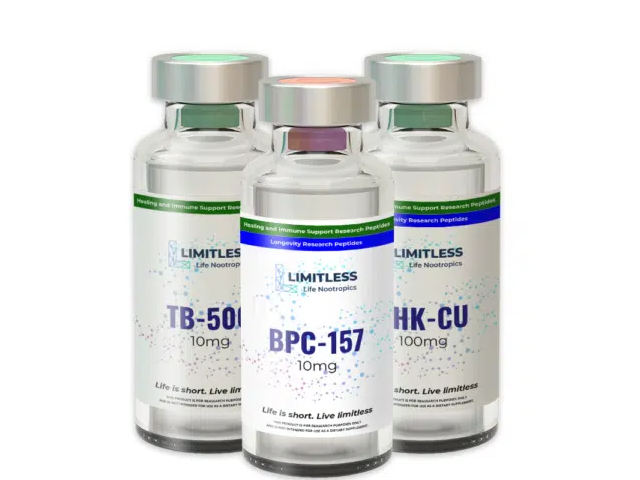
HEALING AND REPAIR RESEARCH BUNDLE by by Limitless Life Nootropics
Shop Now →Disclosure: These are affiliate links. I earn a small commission if you purchase — at no extra cost to you. I only recommend products I personally use or have thoroughly researched.