
- Telomerase activation and telomere lengthening
- Melatonin restoration and circadian rhythm support
- Antioxidant protection at the cellular level
- Potential lifespan extension (animal models)
- Improved sleep quality
- Immune system modulation
I’ll be honest — when I first heard about a peptide that could “reverse aging by lengthening your telomeres,” my scam radar went off immediately. It sounded like something a guy in a lab coat would pitch on a late-night infomercial between the ab roller and the miracle juicer.
But then I started digging into the research. Three decades of studies. Lifespan extension in mice. Telomerase activation in human cells. Melatonin restoration in elderly patients. All from a four-amino-acid peptide smaller than most molecules your body makes on its own.
Epitalon is one of the most researched — and most debated — peptides in the longevity space. The science is genuinely fascinating. But there are real caveats you need to understand before you go anywhere near it.
The Short Version: Epitalon (AEDG peptide) is a synthetic tetrapeptide that activates telomerase, restores melatonin production, and has extended lifespan in multiple animal models. The preclinical evidence is surprisingly deep, but nearly all of it comes from one Russian research lab. It’s typically administered as a 10–20 day subcutaneous injection cycle once or twice per year. Promising but still experimental — here’s what the science actually says.
What Is Epitalon?
Epitalon is a synthetic peptide made of just four amino acids: alanine, glutamic acid, aspartic acid, and glycine. That’s it. Its molecular formula is C₁₄H₂₂N₄O₉, and it weighs in at a tiny 390.35 daltons — making it one of the smallest bioactive peptides researchers have studied.
The story starts in 1970s Russia at the St. Petersburg Institute of Bioregulation and Gerontology. Dr. Vladimir Khavinson and his team were extracting peptides from bovine pineal glands — the small endocrine organ in your brain that produces melatonin and regulates your circadian clock. They called that crude extract Epithalamin, and it showed remarkable anti-aging effects in animal studies.
The problem with Epithalamin was that it was a messy biological extract — hard to standardize, hard to study cleanly. So Khavinson’s team synthesized Epitalon as a defined, reproducible molecule based on the active amino acid sequence. Think of it as the “clean version” of what the pineal gland naturally produces.
Here’s what makes this compound interesting from a holistic perspective: Epitalon wasn’t actually detected in human pineal tissue until 2017. Your body appears to make this peptide naturally — and production likely declines with age, just like melatonin does. So the research question isn’t really “does this foreign molecule do something?” It’s “what happens when we restore something the body used to make on its own?”
That framing matters. Before we talk about Epitalon, the same foundational rules apply: optimize your sleep, manage your stress, fix your gut health. No peptide — no matter how well-researched — compensates for a broken foundation.
How Does Epitalon Work?
Let’s start simple. Epitalon appears to work through four main pathways, and they’re all connected to the same underlying problem: your cells deteriorate as you age.
The telomere story. Every time a cell divides, the protective caps on the ends of your chromosomes — called telomeres — get a little shorter. Think of them like the plastic tips on shoelaces. When they get too short, the cell stops dividing or dies. Epitalon activates an enzyme called telomerase (specifically its catalytic component, hTERT) that rebuilds those caps. In one study, treated human fibroblasts continued dividing past passage 44, while untreated cells stopped at passage 34. A 2025 study from Brunel University London — the first independent confirmation outside of Khavinson’s lab — showed an average telomere elongation of roughly 33% in human lymphocytes.
In plain English: Epitalon tells your cells to turn the telomere-repair machinery back on. It doesn’t make your cells immortal — it gives them more runway.
The melatonin connection. As you age, your pineal gland produces less melatonin. This isn’t just about sleep — melatonin is a powerful antioxidant and immune regulator. Epitalon upregulates AANAT, the rate-limiting enzyme in melatonin synthesis, effectively telling your pineal gland to start producing melatonin at younger levels again. A clinical study showed a 1.6-fold increase in urinary melatonin metabolites compared to placebo.
Epigenetic remodeling. This is where it gets really interesting. As you age, your chromatin — the protein structure that packages your DNA — gets increasingly condensed, silencing genes that were active when you were younger. Epitalon binds to specific histones (H1/3 and H1/6) and appears to reverse some of this age-related gene silencing. One study showed it stimulated neurogenic genes like Nestin and Doublecortin by 1.6–1.8x in human stem cells.
Antioxidant defense. Epitalon activates the Nrf2 pathway — your body’s master antioxidant switch — upregulating superoxide dismutase, catalase, and NQO1. Here’s the remarkable part: in fruit fly studies, Epitalon achieved comparable antioxidant effects to melatonin at 16,000-fold lower concentrations.
Pro Tip: These mechanisms don’t work in isolation. Restoring melatonin improves sleep, which improves cellular repair. Activating telomerase keeps immune cells functional longer, which supports the antioxidant defense. The compounding effect is likely what drives the lifespan results in animal models.
Benefits of Epitalon
Let me be straightforward about what the evidence actually shows — and where it falls short.
What the Animal Data Strongly Supports
Lifespan extension. This is the headline finding, and it’s been replicated across multiple species. In CBA mice, 4.0-fold more treated mice reached 23 months of age, and the oldest treated mice lived 34 months versus 24 months in controls. In SHR mice, maximum lifespan increased by 12.3%. Even fruit flies showed up to 16% lifespan extension.
Anti-tumor protection. This is the part that surprised researchers. You’d expect a telomerase activator to promote cancer — but in HER-2/neu transgenic mice, Epitalon actually reduced tumor number and size, with a 3.7-fold reduction in oncogene expression. It also showed antimutagenic effects, reducing micronuclei in erythrocytes. The 2025 Brunel study offered a potential explanation: cancer cells respond to Epitalon through an ALT (Alternative Lengthening of Telomeres) mechanism rather than telomerase, which may explain the paradoxical anti-tumor effect.
Cellular protection. Epitalon protected mouse oocytes from post-ovulatory aging by reducing reactive oxygen species, maintaining mitochondrial membrane potential, and decreasing apoptosis.
What Limited Human Data Suggests
Circadian rhythm restoration. An RCT of 75 women found that sublingual Epitalon (0.5 mg/day for 20 days) increased melatonin metabolites 1.6-fold versus placebo and shifted clock gene expression significantly.
Retinal protection. A study of 162 patients with retinitis pigmentosa showed improved visual acuity and expanded peripheral visual fields, with zero reported side effects.
Telomere lengthening. Both Epitalon and its parent compound Epithalamin significantly increased telomere lengths in blood cells of patients aged 60–80, though Epitalon achieved this at 1,000-fold lower doses.
Reality Check: Nearly all of this research comes from one research group — Dr. Khavinson’s lab in St. Petersburg. That’s not a reason to dismiss it, but it’s a reason to hold your enthusiasm in check. Independent replication only started in 2025. There are no large-scale RCTs for any indication. The evidence is, as one review put it, “mechanistically robust but translationally immature.”
What Remains Preliminary
Neuroprotective effects (increased amyloid precursor protein processing, cholinesterase modulation) and glucose metabolism improvements exist only in cell studies and a small monkey trial. Don’t let anyone tell you Epitalon is a proven cognitive enhancer — that data simply doesn’t exist yet.
How to Take Epitalon
Dosage Protocols
The most commonly referenced protocol in the research literature:
- Standard dose: 5–10 mg per day via subcutaneous injection
- Cycle length: 10–20 consecutive days
- Frequency: Repeat 1–2 times per year (every 4–6 months)
Some practitioners use an intermittent protocol: 10 mg on days 1, 5, 9, 13, and 17. The sublingual dose studied in the circadian rhythm RCT was significantly lower — just 0.5 mg/day for 20 days.
Timing and Administration
Evening or bedtime injection is generally preferred to synergize with your natural melatonin rhythm. Rotate injection sites between the abdomen, thighs, and upper arms. Subcutaneous is standard.
Forms Available
Injectable lyophilized powder — the most studied form with the highest bioavailability. This is what nearly all the research used.
Sublingual — used in at least one clinical study. Lower dose, non-invasive, but less data overall.
Oral capsules — available, but oral bioavailability is limited because peptides get broken down by digestive enzymes before absorption. I’d be skeptical of oral-only claims.
Nasal spray — experimental, studied in animals for CNS targeting.
N-Acetyl Epitalon Amidate — a modified form marketed as having improved stability and bioavailability. The modification makes biochemical sense, but comparative clinical data is lacking.
Insider Tip: The cycling approach isn’t arbitrary — Epitalon appears to work by “resetting” cellular and circadian mechanisms rather than requiring constant presence. Short-term courses activate telomerase and restore melatonin production, and those effects persist after you stop. Higher doses (above 20 mg/day) have not demonstrated superior results, so more isn’t better here.
Starting Protocol
If you’re considering Epitalon, start with the lower end: 5 mg/day for 10 days. Assess how your sleep responds (the earliest and most noticeable effect for most people). If well-tolerated, a second cycle at 10 mg/day for 10–20 days can be considered after 4–6 months.
Side Effects and Safety
What’s Been Reported
Epitalon has a remarkably clean safety profile in the available data — but that data has real limitations.
Common: Injection site reactions (redness, swelling, mild irritation). This is the most frequently reported issue and is typical for any subcutaneous peptide.
Occasional: Mild headaches, dizziness, vivid dreams or changes in sleep patterns. The sleep changes make sense given Epitalon’s effects on melatonin production.
Rare: Nausea, GI discomfort, allergic reactions (rash, itching).
In the 162-patient retinitis pigmentosa trial, zero side effects were reported. Two 3-year Epithalamin treatment trials with 12-year follow-up showed no severe adverse events in older adults. That’s encouraging, but these were small studies.
Important: The FDA includes Epitalon in its group of peptides posing immunogenicity risk, and as of September 2023, Epitalon was removed from compounding pharmacy availability in the US. All current sources sell it as “research use only.” Formal toxicity, genotoxicity, and carcinogenicity studies have never been conducted — a critical gap that one 2025 review explicitly flagged.
Who Should Avoid Epitalon
- Anyone with active cancer or a cancer history. Telomerase activation is the mechanism cancer cells use to become immortal. While animal data paradoxically showed anti-tumor effects, the theoretical risk is real and unstudied in human cancer patients.
- Pregnant or breastfeeding women. No safety data exists.
- Children. No pediatric data.
- People with autoimmune conditions. Epitalon modulates immune function (increases IL-2, elevates CD4+ T cells), which could worsen autoimmune activity.
Drug Interactions
This is a significant knowledge gap. Drug interaction studies essentially don’t exist. Exercise caution if you’re taking immunosuppressants (Epitalon’s immune-stimulating effects could counteract them), exogenous melatonin (additive circadian effects), or hormonal therapies (neuroendocrine interactions are possible).
Stacking Epitalon
The Best-Studied Combination
Epitalon + Thymalin — This is the only combination with clinical data behind it. In one study, combining both peptides resulted in mortality dropping 4.1-fold. Thymalin is a thymic peptide that regulates immune function, complementing Epitalon’s pineal and telomere effects. Together, they address two organs central to aging: the pineal gland and the thymus.
Commonly Discussed Pairings
Epitalon + GHK-Cu — GHK-Cu promotes collagen synthesis and tissue repair through completely different pathways. The rationale: Epitalon addresses cellular aging from the inside (telomeres, gene expression), while GHK-Cu supports tissue regeneration from the outside. Different mechanisms, complementary goals.
Epitalon + BPC-157 — BPC-157 for gut healing and tissue repair, combined with Epitalon’s systemic anti-aging effects. If your foundation includes gut issues (and for many people, it does), this pairing addresses both the structural repair and the cellular aging simultaneously.
What to Avoid Combining
Exogenous melatonin — Epitalon already boosts your body’s own melatonin production. Stacking supplemental melatonin on top risks overstimulating circadian pathways. If you’re taking Epitalon, consider tapering or dropping your melatonin supplement and letting your pineal gland do its job.
Growth hormone secretagogues — Compounds like Ipamorelin or MK-677 combined with a telomerase activator creates a theoretical concern about compounded growth-promoting signaling, particularly in the context of undetected cancers.
Immunostimulants — If you have any autoimmune tendency, stacking Epitalon’s immune activation with other immune-boosting compounds could push things in the wrong direction.
My Take
Here’s where I land on Epitalon: the science is genuinely more interesting than I expected, and I don’t say that lightly. Three decades of consistent preclinical results across multiple species and mechanisms is not nothing. The telomerase activation is real. The melatonin restoration is real. The lifespan extension in animals is real.
But — and this is a big but — almost everything we know comes from one research group. That’s the elephant in the room. The 2025 independent confirmation from Brunel University is a very encouraging step, but it’s one study. We need more. We need large-scale human trials. We need formal safety data. We need long-term follow-up in humans, not just mice.
The people I think Epitalon makes the most sense for: individuals over 50 who have already optimized their foundations — sleep, nutrition, stress, gut health — and are specifically interested in longevity-focused interventions. They understand that this is experimental. They’re working with a knowledgeable practitioner. And they’re not expecting to “feel” anything dramatic, because Epitalon’s benefits operate at the cellular level, not the experiential one.
Who should probably look elsewhere: anyone under 40 without specific health concerns (your telomeres are likely fine), anyone looking for acute cognitive or mood enhancement (that’s not what this does), and anyone uncomfortable with the current evidence gaps around long-term safety.
The most universally useful effect is probably the melatonin restoration. If you’re over 60 and your sleep has deteriorated despite good sleep hygiene, that’s one area where even the limited human data is fairly compelling.
If you’re exploring the longevity peptide space but aren’t ready for injectables, consider starting with Astragaloside IV — a plant-derived telomerase activator with oral bioavailability and a longer safety track record. It’s less potent, but it’s a more accessible starting point.
Bottom line: Epitalon is one of the most promising research peptides in the anti-aging space. It’s also still firmly in the “promising but unproven” category for human use. Respect both of those truths.
Recommended Epitalon Products
I know how frustrating it is to sort through dozens of brands making the same claims. These are the ones I've personally vetted — because quality is the difference between results and wasted money.
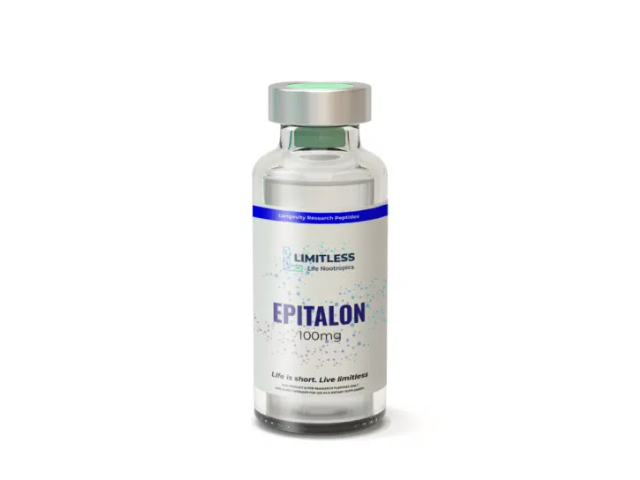
Epitalon Peptide - 99% Pure - 100mg by Limitless Life Nootropics
Shop Now →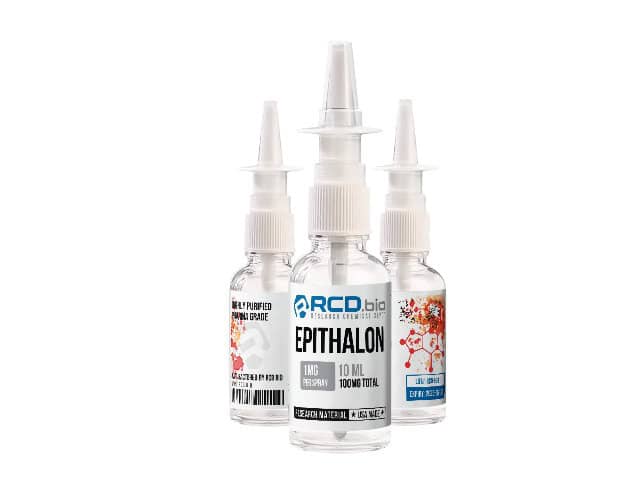
Epithalon Nasal Spray by Research Chemical Depot
Shop Now →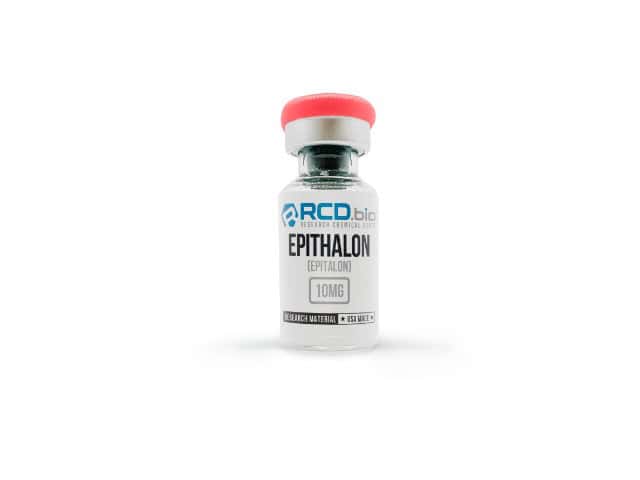
Epithalon Peptide by Research Chemical Depot
Shop Now →Disclosure: These are affiliate links. I earn a small commission if you purchase — at no extra cost to you. I only recommend products I personally use or have thoroughly researched.
Research & Studies
This section includes 3 peer-reviewed studies referenced in our analysis.