
- Accelerates tissue healing (tendons, ligaments, muscles, gut lining)
- Protects and repairs the gastrointestinal tract
- Supports neuroprotection and brain-gut axis function
- Reduces inflammation through cytokine modulation
- Promotes angiogenesis and blood vessel repair
I’ll be honest with you — I’ve gotten more questions about BPC-157 over the past few years than probably any other single compound. And I get it. The promise is intoxicating: a peptide that heals tendons, fixes your gut, protects your brain, and basically accelerates recovery from… everything? It sounds like something from a Marvel movie.
Here’s the thing, though. After spending years following the research, talking to practitioners, and watching the peptide landscape shift under increasing FDA scrutiny, I’ve developed a more nuanced take on BPC-157 than the breathless hype you’ll find on most biohacking forums. The science is genuinely fascinating. But what gets left out of most conversations is just as important as what gets included.
The Short Version: BPC-157 is a synthetic 15-amino-acid peptide derived from human gastric juice with extensive animal data showing remarkable healing properties across virtually every tissue type studied. However, human clinical data is almost nonexistent (roughly 30 total subjects across a handful of pilot studies), the FDA has classified it as too unsafe for compounding pharmacies to produce, and WADA has banned it for athletes. It’s one of the most promising preclinical compounds in the peptide world — and one of the least proven in actual humans.
What Is BPC-157?
BPC-157 stands for Body Protection Compound-157, and the name isn’t just marketing. It’s a 15-amino-acid peptide originally isolated from a protective protein naturally found in your stomach acid. Researchers at the University of Zagreb — led by Predrag Sikiric — first synthesized it in 1993, and they’ve been publishing studies on it ever since.
What makes BPC-157 unusual among peptides is its stability. Most peptides get chewed up by digestive enzymes the moment they hit your stomach. BPC-157 contains a unique triple-proline sequence (Pro-Pro-Pro) that gives it structural rigidity and resistance to enzymatic breakdown. That’s a big deal because it means the peptide can potentially survive oral administration — something most injectable peptides can’t do.
Since its discovery, BPC-157 has been the subject of over 200 preclinical studies. The results are remarkably consistent: in animals, it accelerates healing in tendons, ligaments, muscles, bones, the GI tract, and even the brain. The catch? Almost all of that data comes from rats, mice, rabbits, and dogs. The human evidence you can actually point to fits on a napkin.
Reality Check: BPC-157 is not approved by the FDA for any human use. It’s not a supplement, not a drug, and not something your doctor can legally prescribe through a standard compounding pharmacy. If you’re considering it, you need to understand that you’re stepping into genuinely experimental territory.
How Does BPC-157 Work?
Think of BPC-157 as a biological project manager for tissue repair. When tissue gets damaged — whether it’s a torn tendon, an inflamed gut lining, or injured nerve tissue — your body initiates a cascade of healing processes. BPC-157 appears to accelerate and coordinate several of those processes simultaneously.
The primary mechanism is angiogenesis — the formation of new blood vessels. BPC-157 activates the VEGF receptor 2 pathway, which is the main signaling system your body uses to grow new blood supply to damaged areas. More blood flow means more oxygen, more nutrients, and faster clearing of inflammatory debris. It also stimulates something called FAK-paxillin complexes, which help cells migrate to wound sites and attach where they’re needed.
But it doesn’t stop at blood vessels. BPC-157 activates JAK-2 signaling (a pathway that relays growth and survival signals to cell nuclei), enhances growth hormone receptor expression, and modulates the nitric oxide system through the Akt-eNOS pathway — which is critical for vascular function and inflammation control.
Here’s where it gets really interesting from a nootropics perspective: BPC-157 modulates multiple neurotransmitter systems. In animal models, it influences dopamine pathways, serotonin signaling, glutamate balance, and even GABA activity. Researchers have proposed that it functions as a mediator of the brain-gut axis — connecting its gastrointestinal protective effects with genuine central nervous system activity.
In plain English: this peptide doesn’t just patch a single pothole. It coordinates a whole road crew — blood supply, cell migration, growth signaling, inflammation control, and neurotransmitter balance — all at once. That’s what makes the preclinical data so compelling, and also what makes it hard to study in the controlled, one-variable-at-a-time way that clinical trials demand.
The Benefits of BPC-157 — And How Honest the Evidence Actually Is
Let me be upfront about something most BPC-157 articles gloss over: there is a Grand Canyon-sized gap between the animal evidence and the human evidence. The animal data is genuinely impressive. The human data barely exists.
Tissue Healing (Strong Preclinical Evidence)
In animal models, BPC-157 has accelerated healing in tendons, ligaments, muscles, and bone across dozens of studies. Functional, structural, and biomechanical outcomes all improved. It enhances collagen production and fibroblast activity — the cellular machinery your body uses to rebuild connective tissue. For anyone dealing with chronic tendon injuries or slow-healing soft tissue damage, this is the data that gets people excited.
Gut Protection and Healing (Strong Preclinical Evidence)
This is arguably where the evidence is most compelling, and it makes intuitive sense — the peptide comes from a gastric protein. In animal studies, BPC-157 protects against NSAID-induced gastric damage, heals inflammatory bowel disease models, and shields the gut lining from multiple types of insult. If you’ve been taking ibuprofen regularly and worrying about your stomach, the preclinical data on BPC-157’s gastroprotective effects is striking.
Neuroprotection (Moderate Preclinical Evidence)
Animal studies show protective effects in models of traumatic brain injury, spinal cord compression, and peripheral nerve damage. BPC-157 also counteracted neurotoxicity from alcohol, opioids, and neuroleptic drugs. The brain-gut axis hypothesis suggests these neurological effects may be linked to its gastrointestinal activity.
What About Human Studies?
Here’s the honest picture. As of early 2026, roughly three human studies have been published:
- A 2025 pilot study gave IV BPC-157 to just 2 healthy adults at 10mg and 20mg doses. No adverse effects. That’s encouraging for safety, but two people is barely a data point.
- A 2024 pilot injected BPC-157 into the bladder wall of 12 women with severe interstitial cystitis. All 12 reported significant improvement. Promising, but tiny and uncontrolled.
- A retrospective look at 12 patients who received knee injections found 7 of 12 reported pain relief lasting over 6 months.
That’s approximately 30 total human subjects across all published studies. A 2025 systematic review examining 36 BPC-157 studies found only 1 that met criteria for clinical evidence — the rest were preclinical.
Important: A Phase I clinical trial with 42 healthy volunteers was initiated in 2015 and then cancelled in 2016 with results never published. The reasons were never publicly disclosed. This is rarely mentioned in pro-BPC-157 content, but it’s a significant gap in the narrative. We don’t know why it was cancelled. That uncertainty matters.
How to Take BPC-157 Without Wasting Your Money
Disclaimer first: No officially established human dosing exists. What follows reflects practitioner protocols and extrapolations from animal pharmacokinetic data. You are, by definition, self-experimenting.
Dosage Ranges
The most commonly cited protocol is 250-500 mcg daily, administered either by subcutaneous injection or orally. For injectable use, most practitioners recommend once or twice daily. For oral use, 250-500 mcg taken 1-3 times daily.
Choosing Your Route
Subcutaneous injection (250-500 mcg/day) offers the highest bioavailability — roughly 14-51% based on animal pharmacokinetic data. Inject near the site of injury for localized healing. This is the preferred route for tendon, joint, and musculoskeletal issues.
Oral administration (250-500 mcg, 1-3x daily) is the go-to for gut healing. BPC-157’s acid stability means it survives the stomach environment better than most peptides. Bioavailability is lower and less predictable than injection, but for GI-focused protocols, the oral route delivers the peptide directly where it’s needed.
Sublingual and nasal spray forms exist but have essentially zero human pharmacokinetic data to guide dosing.
The Protocol
Most practitioners recommend daily use for 4-8 weeks, followed by a 2-4 week break before repeating. Some use a 5-days-on, 2-days-off rhythm within a cycle.
Pro Tip: Start at the lower end — 250 mcg daily — for the first week. BPC-157 isn’t a compound where more automatically means better, and starting low lets you assess tolerance before committing to a full protocol. Give it at least 2-3 weeks before evaluating effects. Most users report the sweet spot for noticing results is the 2-4 week mark.
Salt Forms Matter
BPC-157 comes in two main salt forms. Acetate salt is the standard for injectable preparations and has the most research behind it. Arginate salt is marketed as more stable in gastric acid and potentially better for oral use, but it has less research history. Know which one you’re getting.
The Side Effects Nobody Warns You About
What Users Actually Report
The most commonly reported side effects are mild: nausea, GI discomfort, injection site redness, fatigue, and appetite changes. Less commonly, users report anxiety, mood shifts, insomnia, heart palpitations, and dizziness.
The Cancer Question
This is the elephant in the room, and I’m not going to sugarcoat it. BPC-157 promotes angiogenesis — the growth of new blood vessels. That’s exactly what makes it good at healing tissue. It’s also exactly the mechanism that tumors exploit to grow. BPC-157 upregulates VEGF and activates pro-migratory cell signals (FAK-paxillin). No study has directly shown BPC-157 causing cancer. But the theoretical mechanism is scientifically grounded, not just internet paranoia.
If you have active cancer, a history of cancer, or significant cancer risk factors, this is a serious consideration. Many integrative practitioners now recommend comprehensive cancer screening before starting any BPC-157 protocol. That’s not fearmongering — it’s basic risk management.
Important: BPC-157 is classified by the FDA as a Category 2 bulk drug substance — meaning it carries recognized safety concerns and is prohibited from being compounded by licensed pharmacies. It has been banned by WADA since 2022. It cannot be legally sold as a supplement for human use in the United States. The regulatory landscape has become significantly more restrictive, and gray-market sourcing raises real quality concerns.
Who Should Avoid BPC-157
- Anyone with active cancer or a cancer history
- Pregnant or nursing women (zero safety data)
- Children (no pediatric data exists)
- Competitive athletes subject to drug testing
- Those on anticoagulants (theoretical interaction via nitric oxide pathway modulation)
Stacking BPC-157
The Healing Triad
The most popular combination in the peptide world is BPC-157 + TB-500 (Thymosin Beta-4). The logic is straightforward: BPC-157 excels at localized tissue repair through angiogenesis and growth factor signaling, while TB-500 works more systemically — enhancing cell migration through actin regulation. Practitioners describe it as “the localized healer paired with the roaming repair signal.” Typical TB-500 dosing in these protocols is 2-5 mg, 2-3 times per week.
Adding KPV peptide creates what some practitioners call the healing triad. KPV targets inflammation directly by suppressing TNF-α and IL-6 through the NF-κB pathway. While BPC-157 and TB-500 focus on rebuilding, KPV dials down the inflammatory environment that slows healing.
Supplement Support
For connective tissue protocols, consider foundational support:
- Hydrolyzed collagen — provides raw building blocks for the tissue you’re trying to repair
- Vitamin C — essential cofactor for collagen synthesis
- Omega-3 fatty acids — complementary anti-inflammatory support
- NAC or Glutathione — cellular antioxidant support during the repair process
What to Be Cautious About
I’d be careful stacking BPC-157 with growth hormone secretagogues like CJC-1295 or Ipamorelin. While this combination is popular in anti-aging circles, layering multiple pro-angiogenic and growth-promoting compounds amplifies the theoretical cancer risk I mentioned earlier. More isn’t always better — especially when the safety profile of each individual compound is still being established.
My Take
I’ve spent a lot of time sitting with the BPC-157 question, and here’s where I’ve landed.
The preclinical evidence is genuinely remarkable. I can’t think of another peptide with such consistent positive results across so many different tissue types and injury models. The consistency is almost suspicious — in a good way. When something works in tendons, gut, brain, bone, and peripheral nerves across 200+ studies, there’s clearly something real happening.
But I can’t ignore the gaps. Thirty human subjects total. A cancelled Phase I trial with no explanation. FDA Category 2 classification. The regulatory crackdown on compounding pharmacies. These aren’t minor footnotes — they’re the whole second half of the story.
If you’re considering BPC-157, here’s my honest framework:
Best candidates: People with chronic tendon injuries, gut damage from prolonged NSAID use, or GI issues who have already addressed the fundamentals — sleep, nutrition, stress management, gut health basics — and are looking for an additional tool with an informed understanding of the risks.
Not the right fit: Anyone looking for a first-line solution before addressing foundations. Anyone with cancer risk factors who hasn’t been screened. Anyone who isn’t comfortable with genuine uncertainty about long-term safety.
The sourcing problem is real. With compounding pharmacies restricted from producing BPC-157, most supply now comes from research chemical vendors or gray-market sources. Quality varies wildly. If you can’t verify purity through an independent third-party COA showing 98%+ purity via HPLC and mass spectrometry, you don’t know what you’re injecting. That’s not a minor detail.
The foundations-first philosophy applies here more than anywhere. BPC-157 is not a shortcut around broken basics. But for someone who’s done the work on sleep, nutrition, movement, and stress — and is dealing with a stubborn injury or GI issue that isn’t responding to conventional approaches — I understand why it’s on the table. Just go in with your eyes open, source meticulously, and don’t let the hype outrun the evidence.
Recommended BPC-157 Products
I know how frustrating it is to sort through dozens of brands making the same claims. These are the ones I've personally vetted — because quality is the difference between results and wasted money.
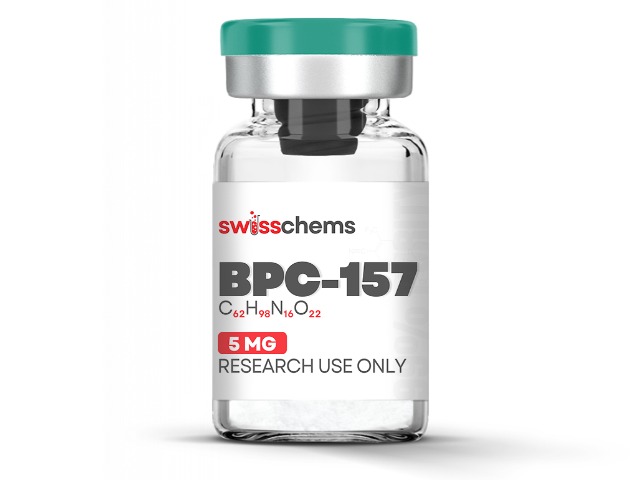
BPC-157 5mg by SwissChem
Shop Now →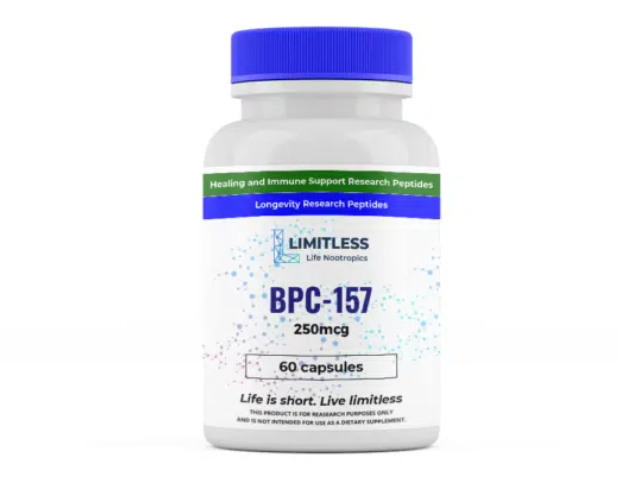
BPC-157 Capsules (250mcg) by Limitless Life Nootropics
Shop Now →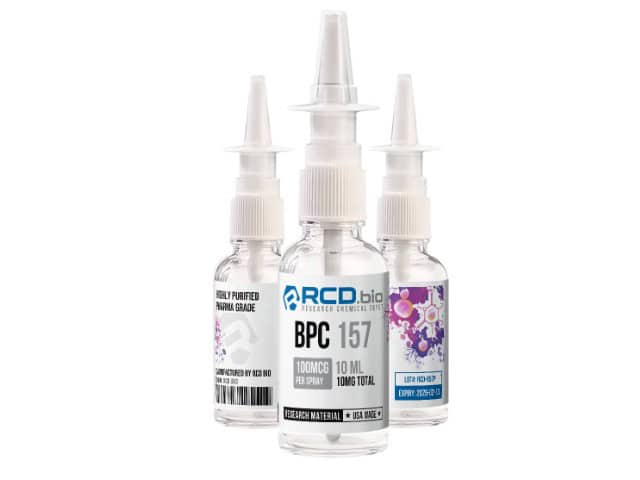
BPC-157 Nasal Spray by Research Chemical Depot
Shop Now →Disclosure: These are affiliate links. I earn a small commission if you purchase — at no extra cost to you. I only recommend products I personally use or have thoroughly researched.
Research & Studies
This section includes 9 peer-reviewed studies referenced in our analysis.