
- Sleep onset improvement
- Antioxidant neuroprotection
- Circadian rhythm regulation
- Neuroinflammation reduction
I used to think melatonin was one of those harmless supplements you could take in any amount. After all, it’s just helping you sleep, right? So I’d pop 5-10mg tablets like candy whenever I had trouble falling asleep, wondering why I’d wake up groggy and irritable.
Turns out I was doing it completely wrong. The effective dose of melatonin is roughly 10-30 times LOWER than what most supplement companies sell. That’s not a typo. The research consistently shows that 0.3-1mg is often more effective than the mega-doses lining store shelves.
If you’ve been taking melatonin and not getting the results you expected — or you’re waking up feeling worse than when you went to bed — this guide will show you what’s actually happening in your brain and how to use this hormone correctly.
The Short Version: Melatonin is a hormone that regulates your sleep-wake cycle and acts as a powerful brain antioxidant. The effective dose for sleep is 0.3-1mg taken 30-60 minutes before bed — far lower than the 3-10mg commonly sold. Higher doses don’t work better and often cause morning grogginess. Product quality varies dramatically, so source matters.
What Is Melatonin?
Melatonin is a hormone produced primarily by your pineal gland in response to darkness. It’s your body’s internal “lights out” signal — when the sun goes down and light exposure decreases, melatonin production ramps up, making you feel sleepy and priming your body for rest.
But here’s where it gets interesting: melatonin isn’t just a sleep hormone. It’s one of the most potent antioxidants your brain produces, with the ability to cross the blood-brain barrier and protect neural tissue from oxidative damage. This dual role — circadian regulator AND neuroprotective agent — makes it unique among hormones.
The supplement form of melatonin has been available since the 1990s, marketed primarily as a sleep aid. What started as a jet-lag remedy has evolved into one of the most commonly used supplements in the world. The problem? Most people are using it wrong, taking doses that are 10-30 times higher than what the research supports.
Reality Check: Taking more melatonin doesn’t make you sleep better. In fact, mega-doses can actually disrupt your natural production and leave you feeling worse. This isn’t a “more is better” compound — it’s a hormone that works best at physiologic levels.
How Does Melatonin Work?
Think of melatonin as your brain’s dimmer switch. When darkness hits, your pineal gland converts L-Tryptophan into 5-HTP, which becomes serotonin, which finally becomes melatonin. This cascade is why factors affecting serotonin production — like gut health, nutrient status, and stress — also impact your sleep quality.
Melatonin works through two primary receptor types in your brain: MT1 and MT2. When melatonin binds to MT1 receptors in your suprachiasmatic nucleus (your brain’s master clock), it promotes sleepiness. MT2 receptor activation helps phase-shift your circadian rhythm, which is why melatonin is particularly useful for jet lag and shift work.
But the sleep-promoting effects are just the beginning. Melatonin is a direct free radical scavenger, meaning it physically binds to and neutralizes reactive oxygen species like hydroxyl radicals and superoxide anions. Even more impressive, its metabolites — AFMK and AMK — continue this antioxidant cascade, providing sustained protection against oxidative damage in neural tissues long after the parent molecule is metabolized.
Research shows that melatonin also upregulates your endogenous antioxidant enzymes — superoxide dismutase, catalase, and glutathione peroxidase. This creates a compounding effect: the melatonin you take directly scavenges free radicals while simultaneously boosting your body’s own antioxidant defense systems.
On the neuroplasticity front, melatonin stimulates neurogenesis particularly in the hippocampal dentate gyrus. It promotes neural stem cell proliferation and differentiation, increases levels of synaptic proteins like synapsin I and PSD-95, and activates signaling cascades involving ERK, CaMKs, and CREB phosphorylation — all crucial for synaptic strength and memory formation.
Insider Tip: The “take melatonin and feel sleepy in 20 minutes” experience people expect is often a placebo effect or the result of taking massive doses. At physiologic levels (0.3-1mg), melatonin works more subtly — you won’t feel drugged, but you’ll notice it becomes easier to fall asleep and stay asleep over time.
Benefits of Melatonin (What the Research Actually Shows)
Sleep Onset and Quality
This is what most people use melatonin for, and the evidence is solid. A 2013 meta-analysis found that melatonin supplementation significantly reduced sleep onset latency (the time it takes to fall asleep) and increased total sleep time. The key finding? Lower doses (0.3-1mg) were often as effective as higher doses, with fewer side effects.
One particularly well-designed study gave participants either 0.3mg or 3mg of melatonin before bed. Both groups fell asleep faster, but the 0.3mg group maintained more natural sleep architecture and reported better next-day alertness. The 3mg group experienced more disrupted sleep cycles and morning grogginess.
Circadian Rhythm Regulation
A 2003 study in the Journal of Neuroendocrinology demonstrated melatonin’s ability to phase-shift circadian rhythms in humans. This makes it particularly valuable for jet lag, shift work, or delayed sleep phase syndrome. The timing matters enormously here — taking melatonin in the early evening (5-7pm) can shift your rhythm earlier, while late-night dosing (11pm-1am) may actually delay it.
Antioxidant Neuroprotection
While the sleep benefits get all the attention, melatonin’s neuroprotective effects might be more impressive long-term. Studies show that melatonin reduces lipid peroxidation in brain tissue, protects against beta-amyloid toxicity, and decreases inflammatory markers like TNF-α, IL-1β, and IL-6 in both peripheral and central nervous systems.
Animal studies demonstrate that melatonin supplementation increases the number of newly generated neurons and enhances their survival and integration into functional networks. A 2009 study found that melatonin treatment enhanced long-term potentiation (LTP) in hippocampal neurons — a cellular mechanism underlying learning and memory.
Stress and HPA Axis Modulation
A 1998 study in Psychopharmacology found that magnesium (often paired with melatonin) reduced ACTH secretion and enhanced sleep spindle power without changing delta power. This suggests melatonin works synergistically with minerals to modulate the stress response during sleep, allowing for more restorative rest.
| Benefit | Evidence Level | Key Finding |
|---|---|---|
| Sleep onset | Strong (human RCTs) | Reduces latency by 7-12 minutes at 0.3-1mg doses |
| Circadian phase shift | Strong (human trials) | Effective for jet lag when timed correctly |
| Antioxidant effects | Strong (mechanistic + animal) | Direct free radical scavenging plus enzyme upregulation |
| Neurogenesis | Moderate (animal studies) | Increases hippocampal neuronal proliferation |
| Anti-inflammatory | Moderate (human + animal) | Reduces pro-inflammatory cytokines |
Reality Check: The neurogenesis and neuroprotective benefits require consistent, long-term use at physiologic doses. Taking 10mg once when you can’t sleep won’t make your brain grow new neurons. This is a foundational supplement, not an acute performance enhancer.
How to Take Melatonin (Without Wasting Your Money)
Dosage
Start with 0.3mg taken 30-60 minutes before your target bedtime. Yes, 0.3mg — not 3mg, not 5mg, not the 10mg gummies marketed as “extra strength.”
Research consistently shows that physiologic doses (0.3-1mg) effectively raise melatonin to natural nighttime levels without overshooting. Doses above 1mg often create supra-physiologic blood levels that can disrupt your natural rhythm and lead to tolerance or receptor desensitization over time.
If 0.3mg doesn’t produce results after 5-7 nights, increase to 0.5mg, then 0.75mg, then 1mg. Most people find their sweet spot somewhere in that range.
For sleep maintenance issues (waking up in the middle of the night), consider extended-release formulations at 1-2mg. These provide a more gradual release throughout the night.
| Use Case | Dosage | Timing | Duration | Notes |
|---|---|---|---|---|
| Sleep onset | 0.3-1mg | 30-60 min before bed | Start with 5-7 nights | Immediate-release |
| Sleep maintenance | 1-2mg | 30-60 min before bed | Ongoing | Extended-release preferred |
| Jet lag (eastward) | 0.5-1mg | At target bedtime | 3-5 nights | Take at destination bedtime |
| Jet lag (westward) | 0.5mg | Early evening | 2-3 nights | Helps phase delay |
| Shift work | 0.5-1mg | Before intended sleep | Ongoing | Consistency is key |
Timing
For sleep: 30-60 minutes before bed. Taking it right as you’re getting into bed is too late — melatonin isn’t a sedative that knocks you out. It’s a signal that primes your body for sleep.
For circadian rhythm shifting: timing is everything. Early evening (5-7pm) dosing can phase-advance your rhythm (helpful for delayed sleep phase). Late-night dosing may actually delay your rhythm further.
Forms and Bioavailability
Most melatonin supplements are immediate-release tablets or capsules. Sublingual forms (dissolving under the tongue) may have slightly faster onset but aren’t necessarily more effective.
Extended-release formulations mimic your body’s natural melatonin curve more closely — a gradual rise, plateau, and decline throughout the night. These are worth trying if you fall asleep fine but wake up at 3am.
Liquid forms allow for precise micro-dosing, which is ideal when you’re dialing in your optimal dose below 1mg.
Cycling
Unlike many nootropics, melatonin doesn’t require cycling for most people when used at physiologic doses. Your body produces it naturally every night, so supplementing at low levels simply tops off what you’re already making (or should be making).
That said, if you find yourself needing higher doses over time to achieve the same effect, that’s a sign of tolerance. Take a 1-2 week break and reassess.
Pro Tip: If you’re not seeing results from melatonin, the problem might not be the dose — it might be light exposure. Blue light from screens suppresses melatonin production. Even low-dose supplementation can’t overcome sitting in front of a bright screen until midnight. Dim the lights, use blue-blocking glasses, and limit screens 1-2 hours before bed. The melatonin will work better.
Side Effects & Safety (What Could Go Wrong)
At physiologic doses (0.3-1mg), melatonin is remarkably well-tolerated. But there are some important caveats.
Common Side Effects
- Morning grogginess — usually a sign you’re taking too much or too late
- Vivid or strange dreams — dose-dependent, more common above 1mg
- Mild headache — typically resolves with continued use
- Daytime sleepiness — again, usually indicates dose is too high
Less Common
- Dizziness
- Irritability or mood changes
- Mild hypothermia (melatonin lowers core body temperature)
Product Quality Issues
Here’s a major problem nobody talks about: a 2017 study tested 31 melatonin supplements and found that actual melatonin content ranged from 83% less to 478% more than what was listed on the label. That’s insane. You might think you’re taking 1mg when you’re actually getting 0.2mg or 4.8mg.
Even worse, 26% of the products tested contained serotonin, which wasn’t listed on the label at all. Undisclosed serotonin in a supplement is a serious safety concern, especially if you’re taking SSRIs or other serotonergic medications.
This is why source matters. Third-party tested products from reputable brands aren’t just marketing fluff — they’re the difference between taking what you think you’re taking and playing pharmacological roulette.
Who Should Avoid Melatonin
- Pregnant or nursing women (safety not established)
- People with autoimmune conditions (melatonin modulates immune function)
- Those taking immunosuppressants
- People with seizure disorders (mixed evidence, consult physician)
Drug Interactions
| Medication/Substance | Interaction Type | Risk Level | Notes |
|---|---|---|---|
| SSRIs/SNRIs | Serotonergic | Moderate | Monitor for increased serotonergic effects; some products contain undisclosed serotonin |
| Blood thinners (warfarin, heparin) | Anticoagulant | Moderate | May increase bleeding risk; monitor INR |
| Immunosuppressants | Immune modulation | Moderate-High | Melatonin may counteract immunosuppressive effects |
| Benzodiazepines | CNS depression | Low-Moderate | Additive sedative effects; may increase drowsiness |
| Anticonvulsants | Seizure threshold | Variable | Mixed evidence; consult neurologist |
| Birth control pills | Hormonal | Low | May increase melatonin levels; adjust dose down if needed |
| Fluvoxamine (Luvox) | Metabolic | High | Dramatically increases melatonin levels; avoid or reduce dose significantly |
| Caffeine | Antagonistic | Low | May reduce melatonin effectiveness |
Important: If you’re taking any medications that affect serotonin, blood clotting, or immune function, consult your physician before starting melatonin. The contamination issue (serotonin showing up in products) makes this especially critical for anyone on SSRIs.
Stacking Melatonin (The Combinations That Actually Work)
Melatonin works well in targeted stacks, but remember: it’s a hormone that signals sleep and recovery. Don’t try to stack it with stimulants or wakefulness-promoting compounds. That defeats the purpose.
For Sleep Quality & Recovery
- Melatonin (0.5mg) + Magnesium Glycinate (300-400mg) + L-Theanine (200mg) — 30-60 minutes before bed
- Synergy: Magnesium supports GABA production and muscle relaxation; L-Theanine promotes alpha brain waves without sedation; melatonin regulates circadian timing. This is the foundational sleep stack.
For Stress Resilience & HPA Axis Support
- Melatonin (0.5-1mg) + Ashwagandha (300mg) + Phosphatidylserine (100mg) — evening stack
- Synergy: Ashwagandha modulates cortisol; phosphatidylserine blunts exercise-induced cortisol spikes and supports HPA axis recovery; melatonin provides antioxidant neuroprotection during sleep. Best for people under chronic stress.
For Neuroplasticity & Recovery During Sleep
- Melatonin (1mg extended-release) + Lion’s Mane (500-1000mg) + Uridine Monophosphate (250mg) — taken with dinner or 2 hours before bed
- Synergy: Lion’s Mane stimulates NGF; uridine supports membrane synthesis and synaptic formation; melatonin promotes hippocampal neurogenesis. This is a long-term brain health stack, not an acute sleep aid.
For Antioxidant & Mitochondrial Support
- Melatonin (1mg) + CoQ10 (100-200mg) + R-Lipoic Acid (100mg) — evening with food
- Synergy: All three are potent antioxidants that cross the blood-brain barrier and support mitochondrial function. Best for aging, neurodegenerative risk reduction, or recovery from oxidative stress.
| Stack Goal | Substances | Timing | Expected Results |
|---|---|---|---|
| Sleep onset | Melatonin + Mg Glycinate + L-Theanine | 30-60 min pre-bed | Faster sleep onset, deeper sleep, better next-day recovery |
| Stress recovery | Melatonin + Ashwagandha + Phosphatidylserine | Evening | Lower cortisol, improved HPA resilience |
| Neuroplasticity | Melatonin ER + Lion’s Mane + Uridine | Dinner/2hr pre-bed | Enhanced learning, memory consolidation during sleep |
| Antioxidant | Melatonin + CoQ10 + R-Lipoic Acid | Evening with food | Mitochondrial support, neuroprotection |
What to AVOID Combining
- Melatonin + Modafinil or Caffeine — you’re sending contradictory signals to your brain. Don’t do this.
- Melatonin + alcohol — both suppress REM sleep. Combining them will wreck your sleep architecture.
- Melatonin + high-dose 5-HTP — melatonin is synthesized from serotonin. Flooding your system with serotonin precursors while also taking melatonin may create serotonergic overload, especially if products contain undisclosed serotonin.
Pro Tip: If you’re stacking melatonin with Magnesium, take the magnesium 30-60 minutes before the melatonin. Magnesium helps activate GABA receptors and relax the nervous system, creating the right physiological state for melatonin to work its magic.
My Take
I was skeptical about melatonin for years because I kept taking it wrong. I’d grab whatever bottle was cheapest at the drugstore, pop 5-10mg, and wonder why I’d wake up feeling like I got hit by a truck. Once I understood that less is actually more with this hormone, everything changed.
Now I use 0.5mg of a third-party tested product about 45 minutes before bed, 4-5 nights per week. I pair it with Magnesium Glycinate and keep my evening routine consistent — dim lights, no screens, maybe some light reading. That’s it. No heroic doses, no complex protocols.
The results? I fall asleep faster, stay asleep through the night, and wake up actually refreshed instead of groggy. My deep sleep percentages (tracked via Oura ring) improved noticeably within two weeks.
Who This Is BEST For:
- People with delayed sleep phase syndrome (natural night owls trying to function in a 9-5 world)
- Travelers dealing with jet lag
- Shift workers needing to sleep during daylight hours
- Anyone with chronic oxidative stress or neuroinflammation who wants long-term neuroprotection
- People over 50 (natural melatonin production declines with age)
Who Should Try Something Else: If you fall asleep fine but wake up at 3am and can’t get back to sleep, standard melatonin might not be your answer. Try extended-release formulations first, or look into Magnesium Glycinate and L-Theanine for GABA support.
If you have no trouble sleeping but want cognitive enhancement during waking hours, you’re looking at the wrong compound. Check out Lion’s Mane, Bacopa Monnieri, or Alpha-GPC instead.
If you’re dealing with severe anxiety that’s disrupting sleep, melatonin alone won’t cut it. Address the root cause with Ashwagandha, Rhodiola Rosea, or proper stress management practices before adding sleep supplements.
Bottom line: Melatonin is one of the most misunderstood and misused supplements out there. But when you take the right dose (way lower than you think), at the right time, from a quality source, it’s a safe and effective tool for sleep regulation and long-term brain health. Just don’t fall for the “mega-dose = mega-results” marketing trap. Your pineal gland knows better.
Recommended Melatonin Products
I know how frustrating it is to sort through dozens of brands making the same claims. These are the ones I've personally vetted — because quality is the difference between results and wasted money.
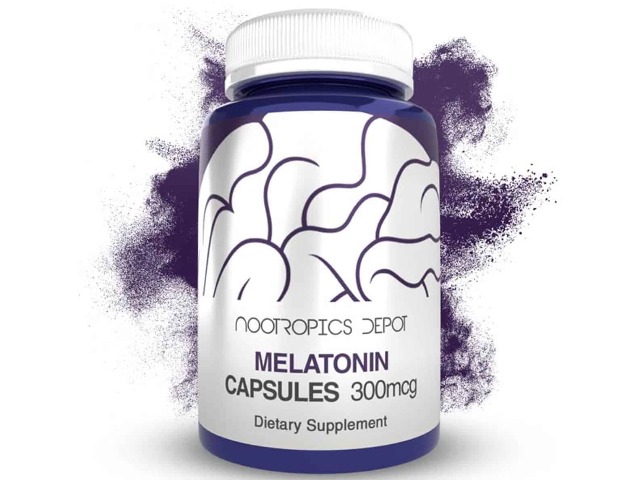
Melatonin by Nootropics Depot
Shop Now →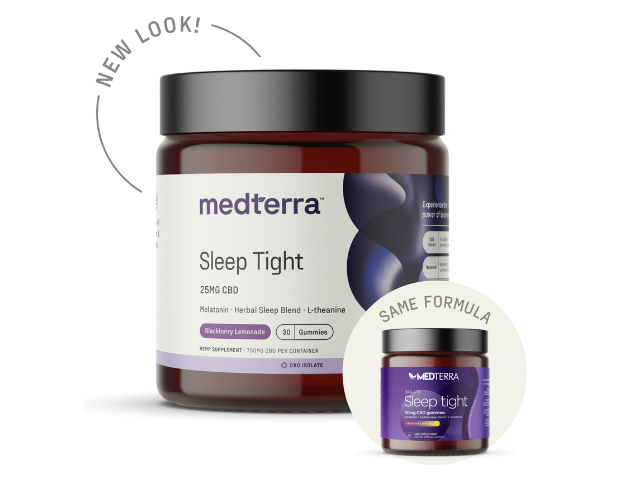
Melatonin CBD Gummies by CBD Fx
Shop Now →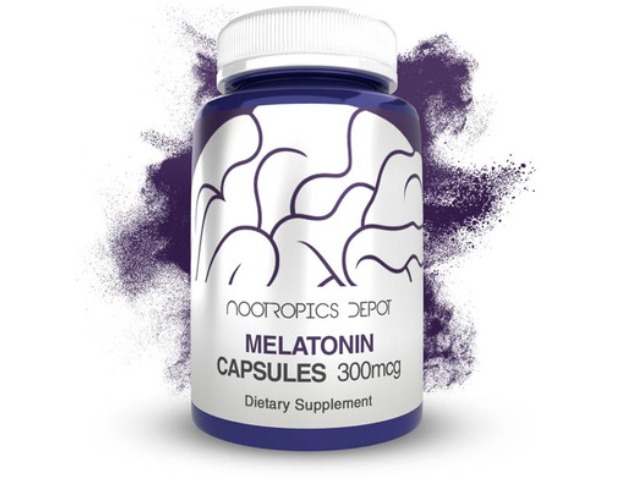
Buy Melatonin Capsules by Nootropics Depot
Shop Now →Disclosure: These are affiliate links. I earn a small commission if you purchase — at no extra cost to you. I only recommend products I personally use or have thoroughly researched.
Research & Studies
This section includes 15 peer-reviewed studies referenced in our analysis.
Mg2+ reduces ACTH secretion and enhances spindle power without changing delta power during sleep in men -- possible therapeutic implications.
Role of melatonin in the regulation of human circadian rhythms and sleep.
Taurine prevents the neurotoxicity of beta-amyloid and glutamate receptor agonists: activation of GABA receptors and possible implications for Alzheimer's disease and other neurological disorders.
Melatonin and tryptophan affect the activity-rest rhythm, core and peripheral temperatures, and interleukin levels in the ringdove: changes with age.
Diaphragmatic breathing reduces exercise-induced oxidative stress.
The effects of glycine on subjective daytime performance in partially sleep-restricted healthy volunteers.
Does melatonin affect epileptic seizures?
The effect of magnesium supplementation on primary insomnia in elderly: A double-blind placebo-controlled clinical trial.
Impact of the Gut Microbiota on Intestinal Immunity Mediated by Tryptophan Metabolism.
Acute phenibut withdrawal: A comprehensive literature review and illustrative case report.
Showing 10 of 15 studies. View all →