
- Neuroprotection
- Anti-aging
- Cognitive support
- Antioxidant defense
- Metabolic cognitive health
I spent three months taking L-Carnosine exactly once a day—usually on an empty stomach with my morning coffee—wondering why I wasn’t turning into a cognitive superhuman. I was popping 1,000 mg capsules like they were instant-focus pills, then feeling disappointed when I didn’t feel anything by lunch. Turns out I was doing almost everything wrong, and more importantly, I was expecting the wrong things from a compound that works more like rust prevention for your brain than premium gasoline.
If you’re looking for a quick hit of concentration similar to Alpha-GPC or caffeine, you’re going to be disappointed. But if you’re building a foundation for long-term brain health—especially if you’re over 40, dealing with blood sugar issues, or worried about cognitive aging—this is one of the most underrated protective compounds in the nootropic space.
The Short Version: L-Carnosine is a dipeptide (two amino acids joined together) found naturally in your brain and muscles that acts as a powerful anti-glycation and antioxidant agent. It protects proteins from getting “crusty” and damaged over time, supports mitochondrial function, and shows particular promise for age-related cognitive decline and metabolic brain health. The catch? Your body breaks it down rapidly with an enzyme called carnosinase, so you need specific dosing strategies to make it work.
What Is L-Carnosine?
L-Carnosine is a dipeptide composed of beta-alanine and L-histidine, discovered way back in 1900 by Russian chemists who isolated it from beef muscle extracts. It’s highly concentrated in “long-lived” tissues—places like your skeletal muscle, heart, and particularly your brain, where it shows up in glial cells and neurons.
Here’s the thing that matters for supplementation: your body makes this stuff endogenously using an enzyme called carnosine synthase, but tissue levels drop roughly 60% from youth to old age. Dietary sources are almost exclusively animal-based—beef, pork, poultry, and fish like tuna and salmon are rich in it. If you’re vegetarian or vegan, your tissue levels are likely significantly lower.
I like to think of carnosine as your cellular maintenance crew. While other nootropics might help you build new connections or boost neurotransmitter levels acutely, carnosine is quietly preventing the accumulated damage that makes those connections break down in the first place. It’s foundational work—the kind of maintenance you don’t notice until you realize things aren’t breaking as often.
Insider Tip: Don’t confuse this with L-Carnitine—they sound nearly identical but do completely different things. Carnitine shuttles fatty acids into mitochondria for energy. Carnosine prevents protein damage and buffers pH. I’ve seen people buy the wrong one and wonder why their “brain antioxidant” wasn’t helping with exercise recovery (or vice versa).
How Does L-Carnosine Work?
L-Carnosine operates through several distinct pathways that all converge on cellular protection, but to understand why dosing matters, you need to know about the bioavailability problem.
Think of carnosine as a delicate message that needs to reach your tissues, but there’s a shredder waiting in your bloodstream called carnosinase (specifically the enzyme CN1). This enzyme rapidly hydrolyzes L-Carnosine back into beta-alanine and histidine, giving it a plasma half-life of just 1–3 hours. Without protection strategies, much of your oral dose gets chopped up before it reaches your brain.
Now, what it actually does when it gets there:
Anti-Glycation Defense: This is carnosine’s superpower. As you age or experience high blood sugar, proteins in your body undergo “glycation”—sugar molecules stick to them and create advanced glycation end-products (AGEs) that make tissues stiff and dysfunctional. Carnosine not only inhibits new AGE formation but can actually reverse existing glycated proteins through a process called “carnosinylation.” It’s essentially able to un-stick sugar from damaged proteins.
Metal Chelation: Carnosine binds copper, zinc, and iron ions, preventing them from catalyzing oxidative damage and reducing amyloid-beta aggregation. Research suggests this metal-binding capacity helps prevent the protein clumping seen in neurodegenerative conditions.
Glutamate Modulation: It modulates NMDA and AMPA receptor activity, potentially protecting neurons from excitotoxicity—that overexcited state where too much glutamate floods receptors and damages cells—while maintaining synaptic plasticity.
Mitochondrial Support: Under oxidative stress, carnosine stabilizes mitochondrial membranes and improves electron transport chain efficiency. Your brain is an energy hog, and protecting those mitochondrial membranes is crucial for sustained cognitive function.
So what? In plain English: carnosine prevents your brain proteins from getting crusty, rusty, and stuck together. It keeps cellular energy production running smoothly even when under oxidative stress, and it helps regulate the chemical signals that can otherwise kill neurons. But because of that carnosinase enzyme, you need to take it strategically to get these benefits systemically.
Benefits of L-Carnosine
The research on L-Carnosine sits in an interesting spot—strong mechanistic and cellular evidence, solid preclinical neuroprotection data, and emerging but mixed human clinical trials.
Anti-Aging and Antioxidant Protection: The evidence here is robust. Carnosine scavenges hydroxyl radicals, peroxynitrite, and singlet oxygen. It also upregulates cellular antioxidant enzymes via Nrf2 pathway activation. Studies show it protects against oxidative stress in virtually every tissue type studied, with particular potency in the brain.
Neuroprotection and Cognitive Decline: Your database includes compelling research here. A 2021 study demonstrated that carnosine reduces amyloid-beta aggregation and alters secondary structure formation—the kind of protein misfolding associated with Alzheimer’s. More recently, 2025 research using zebrafish models of Alzheimer’s showed preserved dopamine release and improved synaptic integrity.
In human trials, a 2021 meta-analysis suggested modest but significant improvements in attention, executive function, and memory in elderly populations with mild cognitive impairment, particularly when carnosine was combined with anserine (its methylated analog that’s more resistant to carnosinase).
Metabolic Cognitive Health: This is where I’m seeing the most exciting emerging data. A 2025 study on diabetes and prediabetes populations indicated cognitive benefits specifically in those with metabolic dysfunction—likely mediated by improved glucose metabolism and reduced AGE accumulation. If you’re dealing with insulin resistance or prediabetes-related brain fog, carnosine addresses the glycation damage that’s likely contributing to your symptoms.
Anti-Inflammatory Effects: Animal models consistently show reduced microglial activation and lower levels of pro-inflammatory cytokines like IL-6 and TNF-α following carnosine administration.
Reality Check: The evidence gap is real—there are no strong RCTs supporting cognitive enhancement in healthy young adults. The benefits appear most pronounced in contexts of oxidative stress, inflammation, or glycation burden. If you’re 25, sleeping well, metabolically healthy, and looking for a study aid, your money is probably better spent elsewhere. But if you’re 45+ or dealing with metabolic issues, the protective value is legitimate.
How to Take L-Carnosine
Because of the carnosinase issue, standard dosing advice (“take 1,000 mg and call me in the morning”) misses the mark. Here’s how to actually make it work:
Dosage Ranges:
- General neuroprotection: 500–1,000 mg daily
- Therapeutic/Cognitive support: 1,000–2,000 mg daily
- Anti-aging protocols: Up to 2,000 mg daily, divided
The Bioavailability Strategy: Split your dose into 2–3 administrations throughout the day. With a half-life of 1–3 hours, taking it all at once means most of the day you’re unprotected.
Take it with meals containing protein. Food slows enzymatic degradation and enhances absorption—plus the histidine component can cause stomach upset on an empty stomach.
Consider zinc co-administration. Taking 10–15 mg of zinc may inhibit carnosinase activity, potentially extending carnosine’s half-life. This is theoretical based on enzymology studies, but zinc carnosine (a chelated form used for gastric protection) does show different pharmacokinetics than free L-carnosine.
Forms Available:
- L-Carnosine: Standard form; rapidly cleaved by carnosinase but well-studied and affordable
- Anserine: The methylated analog (β-alanyl-L-1-methylhistidine) found naturally alongside carnosine in chicken extract. More resistant to carnosinase and often superior for cognitive outcomes in aging populations
- Zinc Carnosine: Primarily used for gastric mucosal protection; different absorption profile
Timeline Expectations: Don’t expect to feel anything in week one. Like many foundational compounds, carnosine works cumulatively. The anti-glycation and cognitive benefits typically require 8–12 weeks of consistent use to manifest. Think of it like building a savings account versus making a quick withdrawal.
Pro Tip: If you’re over 50 or have histamine issues, look for formulations that combine carnosine with anserine (often sold as “chicken breast extract” in Japanese supplements). The anserine resists breakdown better, and the 2021 meta-analysis showed superior cognitive outcomes with the combination compared to carnosine alone.
Side Effects & Safety
L-Carnosine is generally well-tolerated, but the histidine component creates some specific considerations.
Common Side Effects (Mild, <5% incidence):
- Insomnia or overstimulation: Due to the histidine component affecting histamine pathways. I learned this the hard way—taking it at 6 PM had me staring at my ceiling at midnight. Avoid evening dosing.
- Mild gastrointestinal discomfort: Nausea or cramping if taken on empty stomach
- Paresthesia: Rare at carnosine doses (unlike direct beta-alanine supplementation), but possible tingling from beta-alanine liberation
Contraindications to Know:
- Histamine Intolerance/Histaminosis: Because carnosine contains histidine and influences histamine metabolism, it can theoretically worsen symptoms in those with histamine intolerance. Use with caution or avoid.
- Bipolar Disorder: May theoretically increase manic symptoms via histaminergic modulation. Case reports are anecdotal but worth noting.
- Kidney Disease: Use cautiously in severe renal impairment due to nitrogenous waste considerations.
Drug Interactions:
- Immunosuppressants: Theoretical immunomodulatory effects may interfere with corticosteroids
- Antihypertensives: May potentiate blood pressure-lowering effects (rare but documented)
- Copper/Zinc Supplements: May alter mineral absorption due to chelating properties; separate dosing by 2 hours if taking high-dose minerals
Important: Insufficient safety data exists for pregnancy and nursing. Avoid use during pregnancy due to lack of controlled studies.
Stacking L-Carnosine
Because carnosine works on such fundamental biological processes, it pairs well with compounds that address adjacent pathways:
Zinc (10–15 mg): Beyond potentially inhibiting carnosinase, zinc supports the same metal-chelation and antioxidant pathways. Zinc carnosine is actually a prescription medication in Japan for gastric ulcers—combining the mineral and peptide for mucosal protection.
Alpha-Lipoic Acid (300 mg): This creates a powerful anti-glycation stack. ALA and carnosine hit AGE formation through different mechanisms, and ALA’s antioxidant effects complement carnosine’s protein protection. Particularly effective if you’re dealing with diabetic neuropathy or metabolic cognitive issues.
Omega-3 Fatty Acids (1,000+ mg DHA/EPA): Combine with fish oil for neuroinflammatory modulation and membrane fluidity support. Carnosine protects the proteins; omega-3s protect the fats. Together they cover both major structural components of neural membranes.
Anserine: If you can find it, this natural analog often occurs alongside carnosine in chicken breast extract. It’s more resistant to carnosinase and may offer superior bioavailability for cognitive benefits.
What to Avoid: Skip direct beta-alanine supplementation alongside high-dose carnosine. It’s redundant and increases your risk of paresthesia (that itchy, tingly skin sensation) without adding cognitive benefit. Similarly, avoid stacking with high-dose histidine supplements, which may compete for carnosinase but also increase substrate for histamine synthesis—potentially causing histamine overload in sensitive individuals.
Functional Stack for Neuroprotection:
- L-Carnosine: 1,000 mg (500 mg AM, 500 mg with lunch)
- Alpha-Lipoic Acid: 300 mg with breakfast
- Zinc: 15 mg with dinner
- DHA/EPA: 1,000 mg with meals
My Take
After years of experimentation, I view L-Carnosine as a “smart maintenance” compound rather than a performance enhancer. It’s not going to help you cram for an exam or give you the verbal fluency of a racetam. What it will do is slowly, quietly prevent the accumulated protein damage that makes your brain feel old and tired years before it should.
I notice the difference most in sustained attention during long workdays and in recovery from intense mental effort. There’s a “background clarity” that emerges after about two months of consistent use—less of that end-of-day mental fatigue where words start feeling slippery and decisions get harder.
Who this is best for: If you’re over 40, dealing with prediabetes or metabolic syndrome, have a family history of neurodegenerative disease, or you’re simply playing the long game with your brain health, carnosine deserves a spot in your stack. It’s particularly valuable if you eat a high-carbohydrate diet or have elevated blood sugar, as the anti-glycation effects directly address the damage those glucose spikes cause.
Who should skip it: Healthy 20-somethings looking for an immediate study aid or focus boost. You’re unlikely to notice anything, and your natural carnosine levels are probably fine anyway. Spend that money on Bacopa or Lion’s Mane instead.
The biggest lesson I learned? Respect the bioavailability issue. Split your doses, take it with food, and give it time. This isn’t a supplement you “feel”—it’s one you benefit from years down the road when your cognitive aging trajectory looks different from your peers who skipped the maintenance.
Recommended L-Carnosine Products
I know how frustrating it is to sort through dozens of brands making the same claims. These are the ones I've personally vetted — because quality is the difference between results and wasted money.
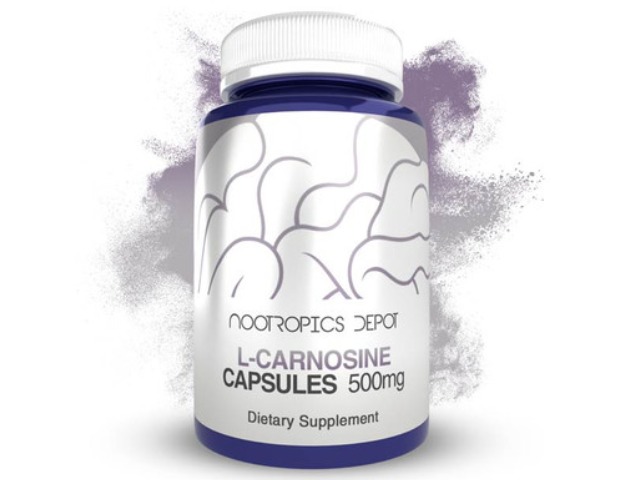
L-Carnosine Capsules | 500mg by Nootropics Depot
Shop Now →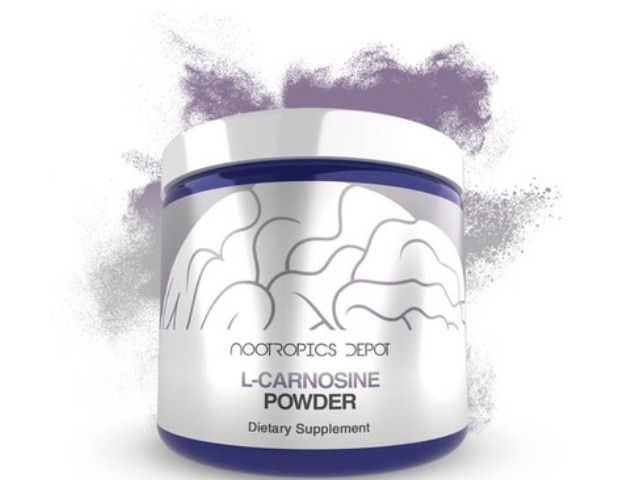
Nootropics Depot Buy L-Carnosine Powder
Shop Now →Disclosure: These are affiliate links. I earn a small commission if you purchase — at no extra cost to you. I only recommend products I personally use or have thoroughly researched.
Research & Studies
This section includes 5 peer-reviewed studies referenced in our analysis.