
- Focus & Attention
- Neuroprotection
- Mood Support
- Cognitive Function
Here’s something that still catches me off guard: roughly half of Americans aren’t getting enough zinc. Half. And this one mineral is involved in over 300 enzymatic processes in your body — including the ones that determine whether your neurotransmitters actually work.
I didn’t realize I was zinc-deficient until my Functional Nutrition training, when I learned that the chronic brain fog, mood instability, and focus issues I’d been battling weren’t just “part of getting older” or needing more coffee. They were signs of a nutritional foundation that needed serious attention.
If you’ve been chasing cognitive enhancement with fancy nootropics while ignoring basic mineral status, you might be building a house on sand.
The Short Version: Zinc is an essential trace mineral that regulates brain neurotransmitter systems (GABA, glutamate, NMDA receptors) and provides antioxidant neuroprotection. Research shows moderate evidence for improvements in focus and cognitive function, particularly in people with suboptimal zinc status. Typical dosing ranges from 8-11mg daily for maintenance to 15-30mg for therapeutic use.
What Is Zinc? (The Mineral Your Brain Needs to Function)
Zinc is an essential trace mineral that your body can’t produce or store efficiently, meaning you need consistent dietary intake or supplementation to maintain optimal levels. It’s the second-most abundant trace mineral in the human body after iron, and it’s particularly concentrated in the brain — especially in areas involved in memory, learning, and emotional regulation like the hippocampus and amygdala.
Unlike flashy nootropic compounds with exotic names, zinc doesn’t get much hype. It’s not marketed as a “limitless pill” or “brain hack.” But here’s the reality: without adequate zinc, your neurotransmitter systems can’t function properly, your antioxidant defenses are compromised, and your cognitive performance suffers — no matter how many other supplements you throw at the problem.
This is the classic foundations-first principle I keep hammering on: you can’t optimize what isn’t fundamentally functional. Think of zinc like the electrical wiring in your house. You can buy the fanciest smart home devices you want, but if the wiring is faulty, nothing’s going to work right. Zinc is part of that foundational wiring for brain function.
The Western diet — high in processed foods, low in zinc-rich whole foods like oysters, grass-fed beef, and pumpkin seeds — sets most people up for suboptimal status. Add in factors like chronic stress (which depletes zinc), gut issues (which impair absorption), and vegetarian/vegan diets (plant-based zinc is less bioavailable), and you’ve got a recipe for deficiency.
How Does Zinc Work? (The Neurotransmitter Regulator)
Zinc’s cognitive effects come from its role as a neuromodulator — it doesn’t just passively sit there, it actively shapes how your brain’s signaling systems function. Here’s where it gets interesting.
The simple version: Zinc fine-tunes the balance between your brain’s excitatory (go) and inhibitory (stop) signals. It helps prevent overstimulation that leads to neurotoxicity, while supporting the synaptic plasticity you need for learning and memory. It’s essentially a traffic controller for your neurotransmitters.
The evidence: Zinc is co-released with glutamate from presynaptic vesicles and acts as an endogenous modulator of NMDA receptors — the receptors critical for learning, memory formation, and synaptic plasticity. Research published in Molecular Neurobiology (2018) demonstrated that zinc administration during aluminum-induced neurodegeneration significantly improved cognitive performance and reduced neuronal dysfunction, suggesting a protective role against neurotoxic insults.
Zinc also modulates GABAergic neurotransmission, the brain’s primary inhibitory system. It can both enhance and inhibit GABA receptor activity depending on concentration and receptor subtype, providing precise control over neural inhibition patterns. This is why zinc has anxiolytic (anti-anxiety) and mood-stabilizing properties — proper GABAergic function is essential for emotional regulation.
A 2013 study in the Journal of Affective Disorders found alterations in zinc levels and NMDA receptor expression in the hippocampus of suicide victims, suggesting that zinc dysregulation may play a role in mood disorders and cognitive dysfunction. The connection between zinc, glutamate signaling, and mental health is increasingly clear.
So what? In plain English: zinc helps your brain maintain the right signal-to-noise ratio. Too much excitation leads to anxiety, overstimulation, and eventual neurotoxicity. Too much inhibition leads to brain fog and sluggishness. Zinc helps keep that balance dialed in, which is foundational for focus, mood stability, and cognitive performance.
Beyond neurotransmitter modulation, zinc is a powerful antioxidant. As a redox-inert metal, it doesn’t participate in harmful oxidative reactions itself, but it supports your cellular antioxidant defense systems — particularly copper/zinc superoxide dismutase (SOD), one of your brain’s primary defenses against oxidative stress. It also promotes metallothionein synthesis and stabilizes cell membranes against lipid peroxidation.
Translation: zinc helps protect your brain cells from the oxidative damage that accumulates with age, stress, and inflammation. This neuroprotective effect is why zinc status is increasingly being studied in the context of cognitive aging and neurodegenerative conditions.
Benefits of Zinc (What the Research Actually Shows)
Let’s be clear about the evidence hierarchy here: zinc isn’t going to turn you into Bradley Cooper from Limitless. But for people with suboptimal zinc status (which, again, is roughly half the population), restoring adequate levels can produce meaningful cognitive improvements.
Focus & Attention — This is where zinc has moderate evidence. A 2016 systematic review and meta-analysis published in the European Journal of Clinical Nutrition examined zinc intake, status, and cognitive function across multiple studies in adults and children. The analysis found that higher zinc intake and better zinc status were associated with improvements in attention, processing speed, and working memory, particularly in populations with baseline deficiency.
A more recent 2023 study in Nutrients investigated zinc supplementation in middle-aged women with overweight or obesity and found improvements in cognitive parameters alongside reductions in inflammatory markers. The cognitive benefits were most pronounced in participants who started with lower baseline zinc levels.
Cognitive Stabilization in Mild Cognitive Impairment — The 2025 ZINCAiD trial published in Biomolecules is particularly noteworthy. Researchers found that zinc therapy produced cognitive stabilization in pharmacodynamically responsive patients with mild cognitive impairment (MCI). The key insight: not everyone responded equally, suggesting that zinc’s cognitive benefits are most significant in those who are zinc-deficient or have impaired zinc metabolism.
Neuroprotection & Cognitive Aging — The 2006 ZENITH study examined zinc supplementation in healthy middle-aged and older adults but found mixed results. Some cognitive measures improved, others didn’t show significant changes. This reinforces an important point: if your zinc status is already adequate, more zinc won’t necessarily make you smarter. But if you’re deficient, the impact can be substantial.
Reality Check: Zinc isn’t a cognitive enhancer for people with optimal zinc status eating nutrient-dense diets. It’s a corrective intervention for those with suboptimal levels. The benefits are real, but they’re about restoring function, not unlocking superhuman brain power.
What about high-dose zinc? A 2005 study in Physiology & Behavior found that excessive zinc consumption actually caused memory deficits and increased brain zinc levels in rats, suggesting a U-shaped curve where both deficiency and excess are problematic. More is not better here — the goal is optimization, not megadosing.
How to Take Zinc (Without Wasting Your Money)
Zinc supplementation is straightforward, but there are a few key details that determine whether you actually absorb and benefit from what you’re taking.
Dosage ranges:
| Use Case | Dosage | Timing | Notes |
|---|---|---|---|
| Maintenance (RDA) | 8-11mg/day | With food | Women 8mg, Men 11mg |
| Therapeutic (deficiency correction) | 15-30mg/day | With food | Split dose if GI issues occur |
| Upper tolerable limit | 40mg/day | — | Don’t exceed long-term without monitoring |
Forms and bioavailability:
Not all zinc supplements are created equal. Here’s what actually matters:
| Form | Bioavailability | Cost | Best For |
|---|---|---|---|
| Zinc Picolinate | High | $$ | General use, absorption |
| Zinc Glycinate | High | $$ | Sensitive stomachs |
| Zinc Citrate | Moderate-High | $ | Budget-friendly |
| Zinc Gluconate | Moderate | $ | Lozenges, immune support |
| Zinc Sulfate | Moderate | $ | Inexpensive but harsher on stomach |
| Zinc Oxide | Low | $ | Avoid for supplementation |
I personally use zinc picolinate or glycinate. Picolinate has excellent absorption, and glycinate is gentler on the stomach if you’re prone to nausea from supplements.
Pro Tip: Take zinc with food containing protein and fat to enhance absorption and minimize stomach upset. Avoid taking it with high-dose calcium, iron, or copper supplements at the same time — they compete for absorption. If you’re taking a multi-mineral, make sure zinc isn’t being blocked by excessive amounts of competing minerals.
Timing considerations:
Morning with breakfast is ideal for most people. Zinc can cause mild nausea on an empty stomach, so food is non-negotiable. If you’re taking higher therapeutic doses (20-30mg), consider splitting it — half with breakfast, half with dinner — to minimize GI side effects and optimize absorption.
Testing your zinc status:
If you’re serious about optimization, get your zinc levels tested. Standard serum zinc tests aren’t perfect (they don’t always reflect intracellular status), but they give you a baseline. RBC zinc or a functional zinc taste test (available from some practitioners) can provide additional insight.
Signs you might be zinc-deficient:
- Chronic brain fog or poor focus
- Frequent infections (zinc is critical for immune function)
- Poor wound healing
- Hair loss or brittle nails
- Loss of taste or smell
- White spots on fingernails
- Low testosterone (in men)
How long before you notice effects:
This isn’t an acute nootropic. If you’re deficient and start supplementing, you might notice improvements in focus and mood within 2-4 weeks, but full benefits often take 8-12 weeks of consistent use as zinc stores are replenished and neurotransmitter systems recalibrate.
Insider Tip: If you’re vegan or vegetarian, you almost certainly need to supplement. Plant-based zinc sources (legumes, seeds, whole grains) contain phytates that bind zinc and reduce absorption. Your requirements are effectively higher, and supplementation becomes non-negotiable for optimal cognitive function.
Side Effects & Safety (What Could Go Wrong)
Zinc is generally safe at recommended doses, but like any mineral, there’s a sweet spot — and going too far past it causes problems.
Common side effects (mostly at higher doses):
- Nausea and stomach cramps (most common, usually dose-dependent)
- Metallic taste in mouth
- Headaches
- Reduced appetite
- Diarrhea
These are typically mild and resolve by taking zinc with food or reducing the dose. If you experience persistent GI issues, switch to zinc glycinate (gentler form) or split your dose.
Serious concerns with chronic high-dose use (40mg+ daily for extended periods):
The big one is copper depletion. Zinc and copper compete for absorption, and chronic high-dose zinc supplementation can cause copper deficiency, which leads to anemia, neutropenia (low white blood cells), and neurological problems. This is why I don’t recommend exceeding 30mg daily without medical supervision and periodic monitoring of copper status.
If you’re taking higher-dose zinc long-term (20-30mg+), consider adding 1-2mg of copper to prevent deficiency. Some zinc supplements include this ratio already.
Important nasal spray warning:
Important: Avoid zinc nasal sprays and gels. Multiple cases of anosmia (permanent loss of smell) have been linked to intranasal zinc products. Stick to oral supplementation.
Who should avoid or be cautious:
- People with Wilson’s disease (genetic copper metabolism disorder)
- Those taking penicillamine or certain antibiotics (tetracyclines, quinolones)
- Individuals with kidney disease (impaired zinc excretion)
- Pregnant/nursing women should stick to moderate doses (11-12mg) unless directed otherwise by a healthcare provider
Drug interactions:
| Medication/Substance | Interaction Type | Risk Level | Notes |
|---|---|---|---|
| Antibiotics (tetracyclines, quinolones) | Absorption interference | Moderate | Take zinc 2+ hours apart from antibiotics |
| Penicillamine | Reduces drug effectiveness | High | Zinc binds penicillamine; consult physician |
| Thiazide diuretics | Increases urinary zinc loss | Moderate | May increase zinc requirements |
| ACE inhibitors | May increase zinc levels | Low-Moderate | Monitor if taking both long-term |
| Copper supplements | Absorption competition | Moderate | Space apart by 2+ hours or balance ratio |
| Calcium supplements | Absorption competition | Low-Moderate | High-dose calcium can reduce zinc absorption |
Acute toxicity:
Acute zinc toxicity (from taking 200mg+ at once) can cause severe nausea, vomiting, abdominal pain, and diarrhea. Don’t megadose zinc. The benefits plateau well below toxicity thresholds, and you’re just creating problems.
Stacking Zinc (The Combinations That Actually Work)
Zinc plays well with most nootropics and supplements, but strategic stacking can enhance specific outcomes. Here are goal-oriented combinations based on how zinc’s mechanisms synergize with other compounds.
Synergy table:
| Stack Partner | Synergy Mechanism | Goal |
|---|---|---|
| Magnesium | NMDA modulation, stress resilience | Mood, relaxation, neuroprotection |
| Vitamin D | Immune function, gene expression | Overall health, immune support |
| Copper | Prevents deficiency from zinc supplementation | Balance, long-term use safety |
| L-Theanine | GABAergic synergy, focus without overstimulation | Calm focus, anxiety reduction |
| Omega-3s | Anti-inflammatory, membrane fluidity | Cognitive aging, neuroprotection |
For Focus & Cognitive Performance:
Zinc + Magnesium L-Threonate + Citicoline
- 15-25mg zinc picolinate
- 1,000-2,000mg magnesium L-threonate (elemental magnesium)
- 250-500mg citicoline
Why it works: Zinc and magnesium both modulate glutamate/NMDA signaling, while magnesium L-threonate specifically crosses the blood-brain barrier to support synaptic density. Citicoline provides choline for acetylcholine synthesis and supports membrane health. This is a foundational cognitive stack that addresses neurotransmitter balance, neuroprotection, and cholinergic function.
Timing: Zinc + citicoline in the morning with breakfast. Magnesium L-threonate can be split (half morning, half evening) or taken entirely in the evening if it makes you too relaxed during the day.
For Mood, Stress, & Anxiety Support:
Zinc + Magnesium Glycinate + L-Theanine + Ashwagandha
- 15-25mg zinc picolinate
- 200-400mg magnesium glycinate (elemental)
- 200mg L-theanine
- 300-600mg ashwagandha extract (standardized to withanolides)
Why it works: Zinc and magnesium regulate GABAergic tone and HPA-axis stress response. L-theanine enhances alpha brain waves and promotes calm focus without sedation. Ashwagandha is an adaptogen that reduces cortisol and supports stress resilience. This stack addresses the neurochemical and hormonal pathways involved in anxiety and mood instability.
Timing: Zinc + ashwagandha in the morning, L-theanine as needed (morning or mid-afternoon), magnesium glycinate in the evening.
For Neuroprotection & Cognitive Aging:
Zinc + Vitamin D3 + Omega-3 EPA/DHA + Curcumin
- 15-25mg zinc picolinate
- 2,000-4,000 IU vitamin D3
- 1,000-2,000mg combined EPA/DHA
- 500-1,000mg curcumin (with piperine or liposomal for absorption)
Why it works: All four compounds have anti-inflammatory and neuroprotective properties. Zinc supports antioxidant enzyme systems, vitamin D regulates gene expression and immune function, omega-3s reduce neuroinflammation and support membrane health, and curcumin inhibits inflammatory pathways. This is a long-term brain health stack for reducing cognitive decline risk.
Timing: Take all with a fat-containing meal for optimal absorption. Morning or midday works well.
Pro Tip: If you’re taking higher-dose zinc (25-30mg) for more than a few months, add 1-2mg of copper to prevent depletion. The standard copper-to-zinc ratio is roughly 1:10 to 1:15. Some multi-mineral formulas include this balance already.
What to AVOID combining:
- High-dose calcium or iron — These compete with zinc for absorption. If you’re taking calcium (500mg+) or iron supplements, separate them from zinc by at least 2 hours.
- Phytate-rich foods — Whole grains, legumes, and some seeds contain phytates that bind zinc. If you’re supplementing for deficiency correction, don’t take zinc with a high-phytate meal.
- Excessive copper — While you need some copper to prevent deficiency, taking high-dose copper (5mg+) alongside zinc can interfere with zinc absorption and create an imbalance in the opposite direction.
My Take (Is Zinc Worth It?)
Zinc is one of those unglamorous fundamentals that doesn’t get enough attention in the nootropics world. It’s not sexy. It’s not new. But for a huge percentage of people — especially those eating Standard American Diets, dealing with chronic stress, or following plant-based diets — it’s a missing piece that’s quietly undermining cognitive performance.
In my experience, zinc is absolutely worth supplementing if you’re in any of these categories:
- You’ve tested deficient or low-normal
- You’re vegetarian/vegan (plant-based zinc absorption is significantly lower)
- You have chronic gut issues (impaired absorption is common)
- You’re under chronic stress (stress depletes zinc)
- You’re experiencing brain fog, poor focus, mood instability, or frequent infections despite “doing everything right” with sleep, diet, and exercise
The mistake people make is expecting zinc to be a game-changer on its own. It’s not. It’s a foundational building block. If your zinc status is dialed in, other interventions — whether that’s Lion’s Mane, Bacopa, or Alpha-GPC — work better because the underlying neurotransmitter systems are actually functional.
Who this is BEST for:
- People with confirmed or suspected zinc deficiency (get tested if possible)
- Anyone following a plant-based diet (zinc absorption from plants is ~50% lower than animal sources)
- Individuals with chronic inflammation or gut issues
- Those experiencing unexplained brain fog, poor focus, or mood swings despite addressing other lifestyle factors
- People looking to support long-term cognitive aging and neuroprotection
Who should try something else instead:
If you’re eating a nutrient-dense diet rich in zinc (oysters, red meat, pumpkin seeds, etc.), have no signs of deficiency, and are looking for acute cognitive enhancement, zinc supplementation probably isn’t going to move the needle. You’d be better served by:
- Citicoline or Alpha-GPC for cholinergic support and immediate cognitive benefits
- Bacopa Monnieri for evidence-backed memory and learning improvements
- Lion’s Mane for neurogenesis and long-term brain health
Honest assessment: Zinc is a high-value, low-risk intervention for most people, but it’s corrective, not enhancing. If your foundation is broken, zinc helps fix it. If your foundation is solid, you won’t notice much from adding more. Start with 15-25mg of a high-bioavailability form (picolinate or glycinate), take it consistently for 8-12 weeks, and assess. For the cost (around $10-15 for a 3-month supply), it’s one of the best foundational investments you can make.
The one thing I wish I’d known earlier: test before you supplement. I wasted months taking zinc inconsistently because I didn’t think it mattered. Once I tested low and started taking it seriously, the improvements in focus and mood stability were undeniable. Don’t guess — test, supplement strategically, and reassess.
Recommended Zinc Products
I know how frustrating it is to sort through dozens of brands making the same claims. These are the ones I've personally vetted — because quality is the difference between results and wasted money.
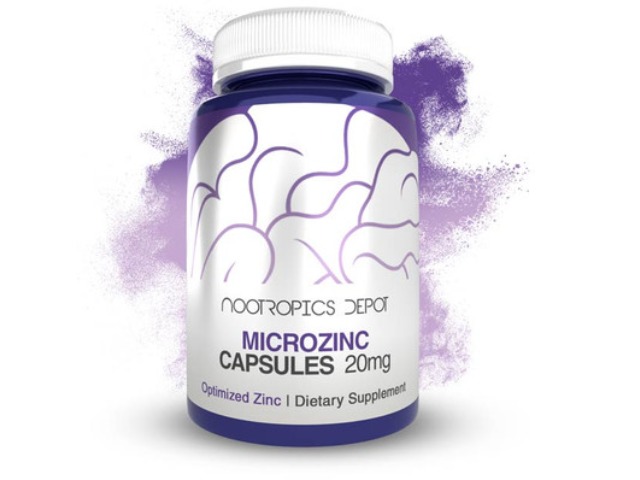
Disclosure: These are affiliate links. I earn a small commission if you purchase — at no extra cost to you. I only recommend products I personally use or have thoroughly researched.
Research & Studies
This section includes 9 peer-reviewed studies referenced in our analysis.