
- Lean muscle mass increase
- Strength enhancement
- Bone density support
Four years ago, I watched a buddy transform his physique in three months. Lean muscle, strength through the roof, recovery like he was 22 again. His secret? A compound called LGD-4033 that I’d never heard of.
Fast forward to today, and I’ve spent hundreds of hours researching SARMs, talking to users, and parsing through clinical data. Here’s what I wish someone had told me back then: LGD-4033 delivers real results, but it’s not the “safe steroid alternative” the internet makes it out to be.
The Short Version: LGD-4033 is a research chemical that increases lean muscle mass by selectively activating androgen receptors in muscle and bone tissue. Clinical trials confirm its anabolic effects, but it’s not FDA-approved, causes testosterone suppression, and recent case reports document serious liver toxicity at recreational doses. It’s a powerful tool with real risks that requires informed decision-making.
What Is LGD-4033?
LGD-4033, commonly known as Ligandrol, is a selective androgen receptor modulator—a class of compounds designed to deliver the muscle-building benefits of testosterone without the full spectrum of androgenic side effects. Think of it as trying to get the good parts of steroids (muscle growth, bone strength) while minimizing the bad parts (prostate enlargement, hair loss, severe hormone disruption).
Ligand Pharmaceuticals developed LGD-4033 in the early 2000s as a potential treatment for muscle wasting diseases, osteoporosis, and age-related muscle loss. The first human trials began in 2009, and by 2013, clinical data showed dose-dependent increases in lean body mass. Viking Therapeutics later licensed the compound for continued development, and it remains in Phase 2 trials today—not approved for any medical use.
So why are we talking about it? Because LGD-4033 found its way into the fitness and bodybuilding world as a “legal” alternative to anabolic steroids. It’s sold as a “research chemical” in a legal gray area—technically not approved as a supplement, banned by most sports organizations, but available online from overseas suppliers. This creates a Wild West situation where product quality is inconsistent, safety data is limited, and users are essentially self-experimenting.
Reality Check: Before we go further, let’s be crystal clear. LGD-4033 is NOT a nootropic in any traditional sense. It’s not going to make you think faster, remember more, or enhance your creativity. It’s an anabolic compound—it builds muscle. The only reason it appears on a site about brain optimization is because some users report subjective improvements in mood and well-being, and there’s theoretical (emphasis on theoretical) potential for neuroprotective effects. But if your primary goal is cognitive enhancement, you’re in the wrong place. Look at Lion’s Mane or Bacopa Monnieri instead.
How Does LGD-4033 Work?
Here’s the plain-English version: Your muscles have receptor sites that respond to androgens like testosterone. When testosterone binds to these receptors, it triggers a cascade of signals that tell your muscle cells to grow. LGD-4033 binds to those same receptors with high affinity—it locks onto them like a key in a lock—and flips the “grow muscle” switch without being testosterone.
The “selective” part is crucial. Traditional anabolic steroids activate androgen receptors everywhere—muscles, prostate, skin, brain. LGD-4033 is designed to preferentially activate receptors in muscle and bone while having reduced effects in the prostate and other tissues. This selectivity comes from how different tissues have different co-regulatory proteins that interact with the androgen receptor complex. The result? More anabolic activity where you want it, less androgenic activity where you don’t.
Now for the science: LGD-4033 binds to androgen receptors with a binding affinity (Ki) of approximately 1 nanomolar—that’s extremely high affinity, meaning it binds tightly and effectively. Once bound, the receptor-ligand complex translocates to the cell nucleus and initiates transcription of genes involved in protein synthesis, muscle fiber growth, and bone mineralization. Multiple Phase 1 and Phase 2 clinical trials have confirmed dose-dependent increases in lean body mass, with participants gaining anywhere from 1 to 3 pounds of lean tissue over 3-12 week periods at doses ranging from 0.5 to 2mg daily.
What about the brain? This is where things get speculative. Androgen receptors exist in the brain, particularly in regions like the hippocampus and prefrontal cortex that are involved in memory, mood regulation, and cognitive processing. Testosterone is known to play a role in neuroprotection, and some animal studies suggest SARMs might reduce amyloid-beta accumulation (the protein implicated in Alzheimer’s) and support synaptic plasticity. But—and this is a massive but—there are zero human trials investigating LGD-4033 for cognitive enhancement. The cognitive claims you’ll see online are extrapolations from testosterone research and animal studies. Treat them with extreme skepticism.
Translation: LGD-4033 is a muscle-building compound with a well-documented mechanism in muscle tissue and a purely theoretical mechanism in brain tissue. If you’re taking it hoping for superhuman focus, you’re gambling on speculation, not evidence.
Benefits of LGD-4033
Let’s separate what’s proven from what’s marketing hype.
Strong Evidence: Lean Muscle Mass
This is where LGD-4033 shines. A 2013 Phase 1 study published in The Journals of Gerontology tested healthy men aged 21-50 over 21 days. Results showed dose-dependent increases in lean body mass even at this short duration, with the 1mg dose producing greater gains than the 0.1mg dose. No serious adverse events occurred.
A follow-up Phase 2 trial extended the treatment period to 12 weeks and tested doses of 0.5mg, 1mg, and 2mg daily. The results? Participants gained an average of 1.21 kg (2.67 lbs) of lean mass with no increase in fat mass. The 2mg group saw the largest gains—roughly 3 pounds of lean tissue in three months. For context, that’s excellent progress for a 12-week period, especially considering these were healthy adults with no muscle-wasting conditions.
Real-world user reports typically claim 5-10 pounds of lean gains over 8-12 weeks at doses of 5-10mg daily. Keep in mind these doses are significantly higher than studied doses, and user reports lack the controls of clinical trials (diet, training, and placebo effects all muddy the waters). Still, the pattern is consistent: LGD-4033 builds muscle.
Mixed Evidence: Strength & Physical Performance
While the muscle gain data is solid, performance benefits are less clear. Some users report significant strength increases—10-20% improvements on major lifts within a cycle. A 2017 systematic review of SARMs noted potential for improved strength and endurance, but acknowledged the evidence quality is mixed and often comes from poorly controlled studies or animal models.
Here’s my take: If you’re gaining muscle, you’re probably getting stronger. But LGD-4033 isn’t a magic strength serum. It’s an anabolic agent that works best when paired with progressive overload training. Don’t expect to take it and suddenly bench press 50 pounds more without putting in the work.
Preliminary Evidence: Bone Health
Preclinical studies show LGD-4033 has both anti-resorptive (prevents bone breakdown) and anabolic (builds new bone) activity. Viking Therapeutics conducted Phase 2 trials in patients recovering from hip fractures, with the hypothesis that LGD-4033 could accelerate bone healing and prevent muscle loss during recovery. Results haven’t been fully published yet, so we’re still waiting on definitive human data.
For healthy adults looking to optimize bone density, the evidence is too preliminary to recommend LGD-4033 over proven interventions like resistance training, adequate vitamin D, and calcium intake.
Speculative Evidence: Cognitive & Mood Benefits
Some users report feeling more confident, motivated, and mentally sharp while on LGD-4033. Plausible? Sure. Proven? Absolutely not.
The theoretical mechanism is that androgens influence neurotransmitter systems—particularly dopamine, which affects motivation and reward processing. Higher androgen receptor activation in the brain might enhance mood and drive. But this is me connecting dots based on testosterone research and user anecdotes. There are no controlled trials examining LGD-4033’s effects on cognition, mood, or any mental performance metric.
If you experience cognitive benefits, I’d wager it’s a secondary effect of feeling stronger, recovering better, and having improved body composition—all of which genuinely improve confidence and well-being. But don’t take LGD-4033 expecting it to make you smarter or more focused.
| Benefit | Evidence Level | Key Study/Source |
|---|---|---|
| Lean muscle mass increase | Strong (human RCTs) | Basaria et al., 2013 |
| Strength gains | Moderate (user reports + theory) | Systematic reviews |
| Bone density support | Preliminary (animal + ongoing trials) | Preclinical models |
| Cognitive enhancement | Speculative (no direct evidence) | User anecdotes only |
| Fat loss | Weak (no significant effect in trials) | Clinical data shows no change |
Reality Check: The internet will sell you LGD-4033 as a miracle compound that builds muscle, burns fat, sharpens your mind, and cures aging. In reality, it’s a muscle-building agent with proven anabolic effects and a lot of unproven claims. Keep your expectations grounded in what the research actually shows.
How to Take LGD-4033
Let’s talk practical protocol. And let me say upfront: I’m giving you the information so you can make an informed decision, not because I’m recommending you take this compound. LGD-4033 is not FDA-approved, and using it is inherently experimental.
Dosage
Clinical dosages: 0.1mg to 2mg daily for 21 days to 12 weeks. These doses produced measurable increases in lean mass with minimal side effects in controlled trials.
Recreational dosages: Most users take 5-10mg daily, with some going as high as 15mg. These doses are 2.5 to 7.5 times higher than studied doses. Does more equal better? Maybe. Does it also equal more risk? Definitely.
If you’re determined to experiment, start at the low end—2-5mg daily—and assess your response before increasing. The dose-response curve isn’t linear. Doubling your dose doesn’t double your results, but it may more than double your side effects.
For women: Anecdotal recommendations suggest starting at 2.5-5mg daily, roughly half the male dosage. Women may be more sensitive to androgenic effects and should be especially cautious about virilization symptoms (deepening voice, body hair growth, menstrual irregularities).
Timing
LGD-4033 has a half-life of 24-36 hours, meaning you only need to dose once daily. Most users take it in the morning with or without food. Some prefer evening dosing if they experience any subtle stimulant-like effects, but this is uncommon.
Consistency matters more than timing. Pick a time, stick with it, and don’t skip doses—erratic dosing defeats the purpose of maintaining stable blood levels.
Forms
LGD-4033 is typically sold as:
- Liquid solution (most common, often 10mg/ml): Requires careful measurement with a dropper
- Capsules: More convenient, pre-measured doses
- Powder: Cheapest but requires a milligram scale for accurate dosing
All forms have high oral bioavailability. No injections required.
Cycle Length & Cycling Protocol
Typical cycle length is 6-12 weeks. Shorter cycles (6-8 weeks) minimize testosterone suppression and allow faster recovery. Longer cycles (10-12 weeks) may produce greater gains but come with increased hormonal disruption.
Here’s what nobody tells you: LGD-4033 suppresses your natural testosterone production in a dose-dependent manner. By week 3-4, your body’s testosterone levels are noticeably lower. By week 8-12, suppression can be significant—50-70% reductions are common at higher doses. This is why post-cycle therapy (PCT) is non-negotiable.
Post-Cycle Therapy (PCT): After completing a cycle, you need 4-6 weeks of PCT to help your body restore natural testosterone production. Common PCT protocols include:
- Nolvadex (Tamoxifen): 20mg daily for 4 weeks, or 40mg for 2 weeks then 20mg for 2 weeks
- Clomid (Clomiphene): 50mg daily for 4 weeks
Skipping PCT means you’ll spend months feeling lethargic, unmotivated, and dealing with low libido while your body slowly recovers. Don’t skip it.
Time off = time on: If you run an 8-week cycle, take at least 8 weeks off (including PCT) before starting another cycle. Your endocrine system needs time to normalize. Blasting back-to-back cycles is a fast track to long-term hormonal dysfunction.
| Use Case | Dosage | Cycle Length | PCT Required? |
|---|---|---|---|
| First-time user | 2-5mg daily | 6-8 weeks | Yes (4 weeks) |
| Intermediate | 5-10mg daily | 8-10 weeks | Yes (4-6 weeks) |
| Advanced (high risk) | 10-15mg daily | 10-12 weeks | Yes (6 weeks) |
Insider Tip: If you’re tracking blood work (and you should be), get a baseline panel before starting, mid-cycle check at week 4-6, and post-cycle check 4-6 weeks after finishing PCT. At minimum, test total testosterone, free testosterone, LH, FSH, liver enzymes (ALT, AST), and lipid panel. This is the only way to know what’s actually happening inside your body versus guessing based on how you feel.
Side Effects & Safety
This is where the story gets less fun. LGD-4033 is not a “safe” compound. It’s safer than traditional steroids in some ways, but it still carries real risks—especially at the doses people actually use.
Common Side Effects
Testosterone suppression (very common, essentially guaranteed):
- Dose-dependent; even 1mg daily causes measurable suppression
- Symptoms include fatigue, low libido, mood changes, difficulty building muscle after stopping
- Recovery takes 4-8 weeks with PCT, potentially several months without
- This isn’t a “maybe” side effect—it’s a pharmacological certainty
Lipid changes (common):
- Decreased HDL (“good”) cholesterol
- Potential increase in LDL (“bad”) cholesterol depending on dose
- Decreased triglycerides (one of the few favorable changes)
- Long-term cardiovascular implications are unknown but concerning
Fatigue and lethargy (common, especially weeks 5+):
- Your body’s response to suppressed testosterone
- Can partially offset the “gains” in training capacity
- Often worsens toward the end of a cycle
Other reported side effects:
- Headaches (mild to moderate)
- Dry mouth
- Water retention (gives a “puffy” look)
- Nausea (rare)
- Sleep disruption in some users
Serious Side Effects
Hepatotoxicity (liver damage): This is the big one that’s emerged in recent years. Clinical trials at low doses (≤2mg) showed no liver toxicity. But multiple case reports document severe drug-induced liver injury in users taking recreational doses (5-10mg or higher).
One case study published in ACG Case Reports Journal detailed a 24-year-old man who developed jaundice, severe itching, and elevated liver enzymes after 8 weeks of LGD-4033. Liver biopsy showed cholestatic hepatitis with fibrosis. He required months to recover.
Another 2024 case series in PMC documented similar presentations—users developing acute liver injury with bilirubin levels 10-20x normal, requiring hospitalization. The mechanism appears to involve oxidative stress, disruption of lipid metabolism, and direct hepatocellular toxicity.
Why didn’t clinical trials catch this? Likely because the recreational doses are 2.5 to 5 times higher than studied doses, product purity from black-market sources is questionable, and cycle lengths may be extended beyond 12 weeks. But the fact remains: real people have experienced serious liver damage from LGD-4033.
FDA Warning: In 2017, the FDA issued a warning about SARMs, including LGD-4033, noting potential for:
- Life-threatening liver toxicity
- Adverse effects on blood lipids (increasing heart attack and stroke risk)
- Increased risk of heart attack
- Psychiatric effects (though less documented with LGD-4033 specifically)
Who Should NOT Use LGD-4033
- Anyone under 25: Your endocrine system is still developing; don’t mess with it
- Women who are pregnant, breastfeeding, or trying to conceive: High risk of fetal harm, effects unknown
- People with existing liver disease: May worsen hepatic function
- People with cardiovascular disease: Lipid changes and potential blood pressure effects create additional risk
- Anyone with hormone-sensitive cancers: Prostate cancer, breast cancer, or history of these conditions
- People taking hepatotoxic medications: Increased risk of liver damage when combined with other liver-stressing drugs
Important: LGD-4033 is banned by the World Anti-Doping Agency (WADA) and virtually all sports organizations. If you compete in any sanctioned sport, taking LGD-4033 will result in a positive drug test and potential multi-year ban.
Drug Interactions
Formal drug interaction studies don’t exist for LGD-4033, but here’s what we can reasonably infer:
- Hepatotoxic drugs (acetaminophen at high doses, certain antibiotics, statins): Increased liver stress
- Testosterone or other hormonal therapies: Unpredictable interactions
- Aromatase inhibitors or SERMs: May interact if used during cycle (though some users stack these intentionally)
- Alcohol: Significantly increases hepatotoxicity risk
| Side Effect | Frequency | Severity | Reversible? |
|---|---|---|---|
| Testosterone suppression | Very common (>90%) | Moderate to severe | Yes, with PCT |
| HDL cholesterol decrease | Common (50-70%) | Moderate | Usually reversible |
| Fatigue/lethargy | Common (40-60%) | Mild to moderate | Yes, post-cycle |
| Liver enzyme elevation | Uncommon at low doses, more common at high doses | Mild to severe | Usually, but documented cases of severe injury |
| Hepatotoxicity (jaundice, liver injury) | Rare but documented | Severe | Potentially, but may require months |
Reality Check: The line between “safe” and “dangerous” with LGD-4033 is blurry and dose-dependent. Clinical trials suggest it’s relatively well-tolerated at 1-2mg daily for 12 weeks. But the real world shows serious adverse events at 5-10mg daily. You’re not taking pharmaceutical-grade product in a controlled setting—you’re taking a research chemical of unknown purity at doses that exceed studied safety profiles. Understand the risk.
Stacking LGD-4033
LGD-4033 is rarely used alone. Most users stack it with other compounds to enhance results, offset side effects, or achieve specific goals (bulking, cutting, recomposition). Let’s break down common combinations and the science—or lack thereof—behind them.
LGD-4033 + MK-677 (Ibutamoren)
The theory: MK-677 is a growth hormone secretagogue that increases GH and IGF-1 levels. Pairing it with LGD-4033 theoretically creates a synergistic anabolic environment—LGD builds muscle via androgen receptors, MK-677 enhances recovery and growth through the GH pathway.
Typical dosing:
- LGD-4033: 5-10mg daily
- MK-677: 10-25mg daily (usually before bed due to increased appetite and potential sedation)
Pros:
- Potentially accelerated muscle growth
- Improved recovery and sleep quality
- MK-677 may offset some of the lethargy from LGD-4033
Cons:
- MK-677 increases appetite significantly—can lead to unwanted fat gain if diet isn’t controlled
- Water retention is amplified
- Cost (both compounds are expensive)
- Still requires PCT for LGD-4033
This is one of the most popular stacks in the SARM community. Anecdotally, users report excellent gains, but remember: no clinical trials have tested this combination. You’re stacking two experimental compounds and hoping for the best.
LGD-4033 + Ostarine (MK-2866)
The theory: Ostarine is a milder SARM often used for joint health and body recomposition. Pairing it with LGD-4033 might provide complementary effects—LGD for size, Ostarine for joint support and additional leanness.
Typical dosing:
- LGD-4033: 5mg daily
- Ostarine: 10-20mg daily
Pros:
- Potentially less suppressive than pairing LGD with stronger SARMs like RAD-140
- Joint support benefits from Ostarine
- Suitable for beginners looking for moderate gains with manageable sides
Cons:
- Stacking two SARMs still increases suppression beyond a single compound
- May not provide dramatic results compared to higher-dose single-compound protocols
Insider Tip: If you’re new to SARMs, don’t start with a stack. Run LGD-4033 alone for your first cycle so you can assess how your body responds. Stacking multiple compounds makes it impossible to know which one is causing side effects—or benefits.
LGD-4033 + Cardarine (GW-501516)
The theory: Cardarine is a PPAR-delta agonist (not technically a SARM) that enhances endurance and fat oxidation. Pairing it with LGD-4033 aims to build muscle while improving cardiovascular capacity and potentially offsetting some of the lipid changes LGD causes.
Typical dosing:
- LGD-4033: 5-10mg daily
- Cardarine: 10-20mg daily
Pros:
- Improved endurance during training
- Potential fat loss or body recomposition effects
- May improve lipid profile (Cardarine increases HDL)
Cons:
- Cardarine has significant safety concerns—animal studies showed increased cancer rates at high doses
- Extremely controversial compound; banned by WADA
- Long-term safety in humans is completely unknown
My take: Cardarine’s risk-benefit ratio is questionable at best. The endurance benefits are real, but the cancer risk in rodent studies is enough to make me steer clear. There are safer ways to improve cardiovascular health.
LGD-4033 + RAD-140 (Testolone)
The theory: Stack two potent SARMs for maximum anabolic effect.
Reality: This is overkill for most users and dramatically increases suppression and side effect risk. RAD-140 is highly suppressive on its own. Adding LGD-4033 creates a hormonal train wreck that requires aggressive PCT—6+ weeks of SERMs, potentially with HCG to kickstart testicular function.
Who this is for: Advanced users willing to accept significant risk for maximum muscle gain. Not recommended for anyone in their first 2-3 SARM cycles.
What NOT to Stack
- LGD-4033 + Anabolic Steroids: Compounding hormonal disruption; if you’re going to use steroids, just use steroids—adding LGD doesn’t provide additional benefit worth the complexity
- LGD-4033 + Prohormones: Same issue; excessive suppression and increased liver stress
- Multiple SARMs without testosterone base (advanced users only): Some experienced users run a low-dose testosterone base when stacking multiple SARMs to prevent total shutdown, but this is getting into advanced territory that requires medical oversight
Essential Support Supplements During a Cycle
These aren’t optional—they’re harm reduction.
- Liver support: NAC (N-Acetyl Cysteine) 600-1200mg daily, TUDCA 250-500mg daily, Milk Thistle
- Lipid support: Omega-3 fish oil (2-4g EPA/DHA daily), Coenzyme Q10
- Blood pressure support (if needed): Celery seed extract, hibiscus tea, monitor regularly
- General health: Multivitamin, adequate hydration, quality sleep
| Stack | Goal | Suppression Level | Complexity | Risk Level |
|---|---|---|---|---|
| LGD-4033 alone | Lean mass gain | Moderate | Low | Moderate |
| LGD + MK-677 | Maximum bulking | Moderate (LGD only) | Medium | Moderate |
| LGD + Ostarine | Lean gains + joint support | Moderate-High | Medium | Moderate |
| LGD + Cardarine | Recomp/endurance | Moderate | Medium | High (Cardarine concerns) |
| LGD + RAD-140 | Maximum muscle/strength | Very High | High | High |
My Take
Alright, here’s where I stop being the neutral information provider and give you my honest opinion.
LGD-4033 works. The clinical data is clear—it builds lean muscle in a dose-dependent manner. It’s not placebo, it’s not hype, it’s pharmacology. If your goal is to add 5-10 pounds of muscle in 8-12 weeks, and you’re willing to accept the risks, LGD-4033 can deliver.
But let’s talk about those risks. The online narrative around SARMs is that they’re “safer steroids” or “legal alternatives” that let you hack your biology without consequences. That’s marketing, not reality. LGD-4033 suppresses your testosterone. It alters your lipid profile. And emerging case reports show it can cause serious liver damage—especially at the doses people actually use, which are 2-5x higher than studied doses.
Here’s what bugs me: the people selling LGD-4033 aren’t giving you pharmaceutical-grade product with quality assurance and medical oversight. You’re buying from websites that ship from overseas, with no FDA regulation, no guarantee of purity, and no accountability. Some of those products are accurately dosed. Some are underdosed. Some are contaminated with other compounds. You won’t know until you’ve already taken it.
Who is LGD-4033 best for?
Honestly? Almost nobody reading this article.
If you’re a competitive bodybuilder or serious athlete already using performance-enhancing compounds and you understand the risks, sure—LGD-4033 might fit into your protocol. But if you’re a regular person trying to build muscle and improve your physique, there are safer, legal, and more sustainable paths to get there.
Train consistently with progressive overload. Eat enough protein (0.8-1g per pound of body weight). Sleep 7-9 hours per night. Manage stress. Be patient. Those fundamentals will take you 90% of the way to your goals without touching a single research chemical.
If you’ve optimized all of that and you’re still considering LGD-4033, ask yourself: Why? Is it because you’re genuinely at a plateau after years of dedicated training and smart nutrition? Or is it because you want a shortcut?
The cognitive angle:
Let me be blunt: If you’re looking at LGD-4033 for cognitive enhancement, you’re barking up the wrong tree. There’s zero evidence it improves memory, focus, or mental clarity. Some users report improved mood and confidence, but I’d bet a month’s salary that’s secondary to feeling stronger and liking what they see in the mirror, not direct neuropharmacology.
If you want cognitive enhancement, look at compounds with actual nootropic evidence: Alpha-GPC for cholinergic support, Lion’s Mane for nerve growth factor stimulation, Bacopa Monnieri for memory consolidation. Those compounds have research, safety profiles, and mechanisms that actually target brain function.
If you’re still going to do it:
Fine. I’ve laid out the information. Here’s my harm-reduction advice:
- Start with the lowest effective dose (2-5mg) and assess your response before increasing
- Run bloodwork before, during, and after your cycle—at minimum, test testosterone, liver enzymes, and lipids
- Don’t skip PCT. Ever. Your hormonal health is worth more than a few extra pounds of muscle
- Source your product from suppliers with third-party testing and batch-specific Certificates of Analysis
- Don’t stack multiple compounds on your first cycle—you need to know how LGD-4033 affects you in isolation
- Take liver support seriously—NAC and TUDCA aren’t optional
- If you develop any signs of liver issues (jaundice, dark urine, persistent nausea, severe itching), stop immediately and see a doctor
And one more thing: If you’re under 25, your endocrine system is still developing. Wait. I promise the gains aren’t worth screwing up your long-term hormonal health.
Bottom line:
LGD-4033 is a powerful anabolic agent with real effects and real risks. It’s not a supplement, it’s not safe, and it’s not a nootropic. If you choose to use it, go in with eyes wide open, take harm reduction seriously, and don’t kid yourself about the trade-offs.
For everyone else? Build your foundation first. Train hard, eat well, sleep enough, manage stress. The unsexy fundamentals work. They always have.
Recommended LGD-4033 Products
I know how frustrating it is to sort through dozens of brands making the same claims. These are the ones I've personally vetted — because quality is the difference between results and wasted money.
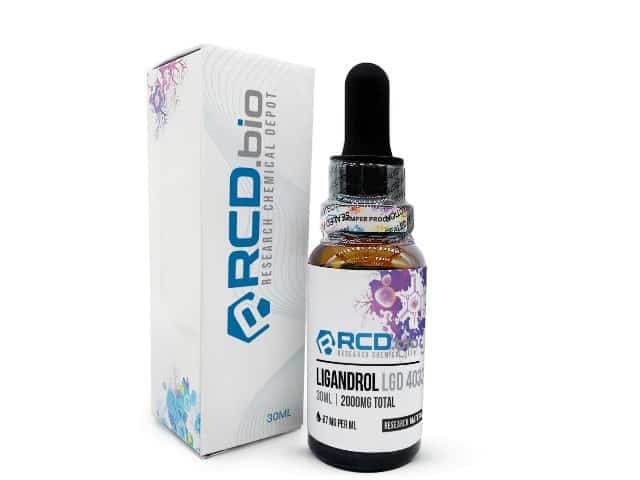
Disclosure: These are affiliate links. I earn a small commission if you purchase — at no extra cost to you. I only recommend products I personally use or have thoroughly researched.
Research & Studies
This section includes 3 peer-reviewed studies referenced in our analysis.