
- Selective androgen receptor activation
- Investigated for muscle preservation
- Studied in metabolic research contexts
Four years ago, I watched the supplement industry hype machine latch onto SARMs like they’d discovered the fountain of youth. Every forum, every YouTube channel, every “biohacker” was talking about compounds like Ostarine as if they were simple supplements you could order with your morning coffee.
Here’s what nobody was saying: these are investigational drugs. Not supplements. Not nootropics in the traditional sense. Research chemicals that fell into a regulatory grey zone and became available to consumers before we had anything close to comprehensive human safety data.
If you’re researching Ostarine because you’re curious about the science or trying to understand what the published literature actually shows — not because you’re looking for shopping advice — this guide will give you the most honest assessment you’ll find.
The Short Version: Ostarine (MK-2866) is a selective androgen receptor modulator investigated for muscle preservation and metabolic effects. Research shows selective tissue binding with reduced systemic androgenic activity compared to traditional compounds. Published human trials are limited, with most evidence from animal models and short-term studies. This is an investigational compound, not an approved therapeutic or dietary supplement.
Research Chemical Notice: Ostarine is an investigational compound that has not been approved by the FDA for human use. The information below is compiled from published research for educational purposes only. This is not medical advice and should not be interpreted as a recommendation for human consumption. Always consult a qualified healthcare provider.
What Is Ostarine?
Ostarine (Enobosarm, MK-2866, GTX-024) is a selective androgen receptor modulator developed by GTX Inc. in the early 2000s as a potential therapeutic for muscle wasting conditions, cancer-related cachexia, and age-related sarcopenia. The compound was designed to replicate the anabolic effects of testosterone on muscle and bone tissue while minimizing androgenic effects on reproductive organs and other tissues.
Unlike traditional anabolic steroids that activate androgen receptors systemically, SARMs were engineered for tissue selectivity — the idea being that you could get the muscle-preserving benefits without the full spectrum of androgenic side effects. Ostarine specifically demonstrated this selectivity in preclinical models, leading to human Phase I and Phase II clinical trials.
It never made it to market as an approved drug. Despite showing promising results in some trials, GTX discontinued development of Ostarine for muscle wasting indications in 2013. Since then, it’s existed in regulatory limbo — not approved for human use, not scheduled as a controlled substance in most jurisdictions, but banned by WADA for athletic competition and increasingly scrutinized by regulatory bodies like the FDA.
The result? A research chemical that became widely available online, marketed to bodybuilders and biohackers despite zero long-term human safety data and no quality control standards. That’s the context you need to understand before diving into the mechanisms.
How Does Ostarine Work?
Think of androgen receptors as locks distributed throughout your body. Traditional testosterone is a master key that opens every lock — muscle tissue, reproductive organs, hair follicles, prostate tissue, everything. SARMs like Ostarine were designed to be more like selective keys that preferentially open certain locks while leaving others mostly untouched.
The mechanism: Ostarine binds to androgen receptors in skeletal muscle and bone tissue with high affinity. Once bound, it triggers anabolic signaling pathways that promote protein synthesis, reduce protein degradation, and support tissue remodeling. The selectivity comes from differences in how the compound interacts with androgen receptors in different tissue types and how those tissues respond to receptor activation.
A 2020 study in the Journal of Pre-Clinical and Clinical Research demonstrated that Ostarine selectively modulates adipocyte (fat cell) metabolism in rats, affecting lipid accumulation and metabolic gene expression through androgen receptor activation. This suggests the compound influences not just muscle tissue but broader metabolic pathways.
More recently, a 2025 computational and in vitro study published in Cell Biochemistry and Biophysics showed that Ostarine successfully binds to androgen receptors in brain tissue (specifically glioma C6 cells), indicating potential central nervous system effects beyond the traditional muscle/bone focus. The researchers demonstrated receptor binding and downstream signaling activation in neural tissue, which opens questions about cognitive and neurological effects that haven’t been adequately studied in humans.
So what does this mean practically? Ostarine appears to activate anabolic pathways more selectively than traditional androgens, with research suggesting effects on muscle tissue preservation, metabolic regulation, and potentially neural androgen receptor activity. The tissue selectivity isn’t absolute — studies consistently show suppression of endogenous testosterone production, indicating systemic hormonal effects — but it’s different enough from traditional steroids to warrant investigation as a distinct compound class.
The dopaminergic modulation mentioned in some research contexts likely occurs through androgen receptor activation in brain regions like the striatum and prefrontal cortex, areas where androgens influence reward processing and motivation. The mitochondrial biogenesis effects come from anabolic signaling cascades that require substantial cellular energy, potentially upregulating mitochondrial production in metabolically active tissues.
Reality Check: The phrase “selective androgen receptor modulator” sounds clean and precise, but selectivity is relative. Every study that measures hormonal markers shows testosterone suppression. The compound is selective compared to full-spectrum androgens, not biologically inert in non-target tissues.
Reported Effects of Ostarine (What the Research Shows)
The evidence base for Ostarine in humans is surprisingly thin given how widely discussed the compound is. Most published research involves animal models, with a handful of short-term human trials conducted by GTX Inc. for specific clinical applications.
Muscle preservation and lean mass: The most investigated application. Early Phase II trials in elderly populations showed statistically significant improvements in lean body mass and physical function compared to placebo. A trial in cancer patients demonstrated muscle preservation benefits, though the data was mixed and didn’t lead to continued development for that indication.
The critical context: these trials measured preservation of existing muscle in populations experiencing wasting conditions. They weren’t bodybuilding studies measuring hypertrophy in trained athletes. The doses used (typically 1-3 mg daily in early trials) were also substantially lower than doses commonly discussed in research chemical communities (10-30 mg).
Metabolic effects: The 2020 rat study showed Ostarine modulating fat cell metabolism, reducing lipid accumulation, and affecting expression of genes involved in fatty acid metabolism. This suggests broader metabolic influence beyond simple muscle anabolism. Whether these effects translate to meaningful fat loss or metabolic improvements in humans at typical doses remains unstudied.
Bone density: Preclinical data showed bone density improvements in animal models, which was part of the original therapeutic rationale (treating osteoporosis). Human data is limited.
Cognitive/neural effects: The 2025 computational study demonstrating androgen receptor binding in brain tissue raises interesting questions about neurological effects. Androgens influence dopaminergic pathways, motivation, and reward processing. But there are exactly zero published human trials investigating Ostarine for cognitive endpoints. Any claims about nootropic benefits are entirely speculative based on mechanism, not evidence.
Evidence quality table:
| Reported Effect | Evidence Level | Key Research | Notes |
|---|---|---|---|
| Muscle preservation (clinical populations) | Moderate (small human RCTs) | GTX Phase II trials | Short-term data only; discontinued development |
| Lean mass gains (healthy adults) | Weak (anecdotal, community reports) | No published RCTs | Most claims based on user reports |
| Fat loss/metabolic effects | Preliminary (animal models) | Leciejewska et al. 2020 | Rat study; human translation unknown |
| Bone density | Preliminary (animal models) | Preclinical data | No long-term human trials |
| Cognitive enhancement | Speculative (in vitro binding) | Sharma et al. 2025 | Receptor binding shown; functional effects unstudied |
| Testosterone suppression | Strong (consistent finding) | Multiple human trials | Reliably observed across studies |
The honest assessment: we have decent evidence that Ostarine can preserve muscle tissue in specific clinical contexts at low doses over short timeframes. Everything beyond that — the bodybuilding applications, the metabolic optimization, the nootropic speculation — is built on mechanism-based extrapolation and user anecdotes, not published human research.
Research Administration Protocols (Doses Used in Studies)
Published research protocols vary significantly based on the investigation context. Understanding this range is critical for interpreting the literature.
Clinical trial dosing (GTX Inc. studies):
- Cancer cachexia trials: 1-3 mg daily
- Elderly sarcopenia trials: 3 mg daily
- Dose-escalation studies: Up to 25 mg daily in some Phase I safety assessments
Research chemical community protocols (reported in forums, not published studies):
- Entry-level investigation: 10-15 mg daily
- Standard research dose: 20-25 mg daily
- Upper range: 30 mg daily
- Duration: Typically 8-12 week cycles followed by off-periods
| Investigation Context | Typical Dose Range | Administration | Duration | Notes |
|---|---|---|---|---|
| Clinical trials (muscle wasting) | 1-3 mg | Once daily, morning | 12-16 weeks | Published human data |
| Phase I safety studies | Up to 25 mg | Once daily | Short-term | Dose-escalation protocol |
| Community research protocols | 10-30 mg | Once daily, often with food | 8-12 weeks | Anecdotal, not controlled |
| Athletic misuse (banned) | Varies widely | Not documented systematically | Varies | WADA prohibited |
Timing and administration: Studies typically administered Ostarine as a single daily dose due to its relatively long half-life (approximately 24 hours). Some research protocols specified administration with food to enhance absorption, though direct bioavailability comparison studies haven’t been published.
Cycling protocols: Because Ostarine consistently suppresses endogenous testosterone production, research chemical users typically cycle the compound — periods of use followed by periods of discontinuation to allow hormonal recovery. There’s no published research establishing optimal cycle length or off-period duration. The 8-12 week cycles commonly discussed are based on user convention, not clinical evidence.
Starting protocols in research contexts: Conservative investigation would start at the lower end of the dose range (10 mg) and assess response over 4-6 weeks before considering dose adjustment. The clinical trial data showed effects at 1-3 mg in specific populations; whether higher doses produce proportionally greater effects or simply increase side effect risk is unknown.
Pro Tip: The massive gap between clinical trial doses (1-3 mg) and community research doses (20-30 mg) should raise questions. If the compound showed efficacy at 3 mg in published trials, why are people using 10x that amount? Often it’s because the published trials measured clinical endpoints (muscle preservation in wasting patients) while community use targets performance enhancement in already-healthy individuals — completely different contexts with different dose-response curves.
Adverse Events & Safety Profile
Here’s where the honest conversation gets uncomfortable. The long-term safety profile of Ostarine in humans is essentially unknown. We have short-term data from clinical trials and a growing body of case reports from misuse, but nothing approaching the evidence base you’d want before calling something “safe.”
Consistently observed effects in published research:
Testosterone suppression: Every study measuring hormonal endpoints shows dose-dependent suppression of endogenous testosterone production. This isn’t a “possible” side effect — it’s a reliable finding. Studies show suppression beginning within weeks of administration, with greater suppression at higher doses and longer durations.
Suppression means your body reduces its own testosterone production in response to the exogenous androgen receptor activation. When you stop taking Ostarine, testosterone production needs to recover. How long that takes depends on dose, duration, and individual factors. Some users report weeks to months for full recovery. There’s limited published data on post-cycle recovery timelines.
Lipid profile alterations: Some studies and case reports show changes in cholesterol markers, typically reductions in HDL (the “good” cholesterol) and sometimes increases in LDL. The magnitude varies, but it’s a consistent enough finding to warrant monitoring.
Liver enzyme elevation: Case reports of elevated liver enzymes (ALT, AST) have been published. In most cases, enzymes normalized after discontinuation. Whether this represents actual hepatotoxicity or a transient stress response isn’t clear, but it’s concerning enough that liver function monitoring would be prudent in any research context.
Hormonal disruption beyond testosterone: Because androgen receptor activation has systemic effects, changes in other hormones (LH, FSH, estradiol) have been observed. The full endocrine cascade effects aren’t well-characterized.
Other reported adverse events:
- Headaches (common in community reports, less documented in trials)
- Mild suppression of appetite
- Sleep disturbances (anecdotal)
- Acne or skin changes (androgenic effects despite “selectivity”)
- Gynecomastia in some case reports (likely from hormonal conversion/imbalance)
Serious adverse events: While rare in published literature, there have been case reports of more serious issues including significant cardiovascular events in individuals using Ostarine in combination with other compounds. Causality is difficult to establish in case reports, but they’re signals that can’t be ignored.
The unknown risks: No long-term (multi-year) human safety studies exist. No studies in adolescents (particularly concerning given androgen effects on development). No reproductive safety data. No carcinogenicity studies in humans (it was being investigated for cancer patients, but that’s different from causing cancer).
Drug interaction table:
| Medication/Substance Class | Interaction Type | Risk Level | Notes |
|---|---|---|---|
| Testosterone or other androgens | Additive hormonal effects | High | Compounding suppression and side effects |
| Estrogen modulators (SERMs, AIs) | Hormonal pathway interference | Moderate-High | Often used in post-cycle protocols; complex interactions |
| Statins or lipid medications | Lipid metabolism effects | Moderate | May complicate lipid management |
| Hepatotoxic compounds (alcohol, certain medications) | Potential additive liver stress | Moderate | Limited data; theoretical concern |
| Anticoagulants | Unknown | Low-Moderate | Androgen effects on clotting factors; not well studied |
| CYP450 inhibitors/inducers | Metabolism alteration | Unknown | Ostarine metabolism pathways not fully characterized |
Who should avoid investigation entirely:
- Individuals under 25 (androgen effects on development)
- Anyone with current or history of hormone-sensitive cancers
- Individuals with cardiovascular disease or risk factors
- Those with liver disease or elevated liver enzymes
- Pregnant or nursing individuals (absolutely contraindicated)
- Anyone with a medical condition requiring hormonal stability
Important: The detection of Ostarine in doping control tests led to WADA prohibition. Athletes subject to drug testing should be aware that Ostarine is banned in competition and out-of-competition. It remains detectable in urine for extended periods (weeks to months) after discontinuation.
Investigated Combinations in Research
Published research investigating Ostarine combinations is virtually nonexistent. What follows is based on mechanisms, theoretical synergies, and community research protocols — not controlled trials.
For Investigation of Muscle Preservation with Metabolic Support:
- Ostarine research dose + Creatine Monohydrate 5g + Leucine 3-5g
- Rationale: Creatine supports ATP regeneration and cell volumization; leucine activates mTOR for protein synthesis. Ostarine provides androgen receptor activation while creatine and leucine work through complementary pathways.
- Timing: Ostarine once daily; creatine and leucine split between pre/post training windows
For Investigation of Androgen Receptor Activity with Mitochondrial Support:
- Ostarine research dose + Coenzyme Q10 200mg + PQQ 20mg
- Rationale: If Ostarine stimulates mitochondrial biogenesis through anabolic signaling (as suggested by research), supporting mitochondrial function with CoQ10 and PQQ could theoretically enhance that adaptation.
- Timing: Ostarine morning; CoQ10 with fat-containing meal; PQQ morning
For Investigation Requiring Hormonal Support (Post-Cycle):
- After Ostarine discontinuation: Vitamin D3 5000 IU + Zinc 30mg + Magnesium 400mg
- Rationale: These nutrients support endogenous testosterone production. D3 and zinc are precursors/cofactors in testosterone synthesis; magnesium supports overall hormonal balance.
- Some research protocols include Ashwagandha (KSM-66, 600mg) for stress response and testosterone support during recovery periods
Synergy table for common investigation contexts:
| Combination | Theoretical Mechanism | Investigation Context | Considerations |
|---|---|---|---|
| Ostarine + Creatine | Androgen signaling + ATP/volumization | Muscle preservation research | Well-studied safety profile for creatine alone |
| Ostarine + L-Carnitine | Androgen activity + fat oxidation | Metabolic research | ALCAR may support mitochondrial function |
| Ostarine + Test boosters post-cycle | Recovery from suppression | Hormonal recovery investigation | D3, zinc, KSM-66 have independent testosterone research |
| Ostarine + NAC | Potential hepatoprotection | Liver support during investigation | NAC supports glutathione; theoretical protective effect |
What to avoid combining:
Never combine with other SARMs or anabolic compounds unless you’re specifically investigating polypharmacy effects and have comprehensive monitoring. The hormonal suppression and side effects compound in ways that aren’t well-characterized.
Avoid combining with other hepatotoxic substances (including alcohol) given the liver enzyme elevation signals in case reports.
Don’t stack with stimulants or compounds affecting cardiovascular function without understanding your cardiovascular risk profile. Androgens can affect blood pressure, lipids, and other CV markers.
Reality Check: Most “stacking” advice for Ostarine comes from bodybuilding forums, not research literature. People combine it with everything from Cardarine (another research chemical with serious safety concerns) to kitchen-sink supplement cocktails. The interaction effects are completely unstudied. If you’re investigating Ostarine, the scientifically conservative approach is to investigate it in isolation with minimal confounding variables.
Current Research Assessment
Let me be direct about where the research stands on Ostarine in 2026.
The mechanism is interesting. Selective androgen receptor modulation is a legitimate pharmaceutical strategy, and Ostarine demonstrated proof-of-concept for tissue-selective effects in preclinical and early clinical work. The recent data showing androgen receptor binding in brain tissue opens potential neurological research questions that haven’t been adequately explored.
The evidence base is weak for most claimed applications. We have short-term data in clinical populations showing muscle preservation at low doses. That’s it. Everything else — the bodybuilding applications, the “cutting” protocols, the nootropic speculation — is extrapolation and anecdote.
The safety profile is poorly characterized. Testosterone suppression is guaranteed. Lipid changes and liver enzyme elevation are documented. Long-term risks are completely unknown. Anyone investigating this compound is accepting unknown risk.
The regulatory and legal context is a mess. Not approved for human use. Not scheduled as a controlled substance in most places. Banned for athletic competition. Sold by companies with zero quality control oversight. The 2021 study on SARM detection methods came out of anti-doping laboratories specifically because these compounds were being misused by athletes despite prohibition.
Who might find the published research most relevant:
- Researchers investigating androgen receptor pharmacology
- Clinicians interested in muscle wasting therapeutics (though clinical development was discontinued)
- Athletes trying to understand why it’s prohibited
- People who stumbled into using it without understanding what it actually is
Who should consider other research directions:
- Anyone looking for legal, well-studied compounds with established safety profiles
- Individuals interested in Creatine Monohydrate — actually the most evidence-based compound for muscle preservation and performance with decades of safety data
- Those interested in adaptogenic support for training might investigate Rhodiola Rosea or Ashwagandha — legal, well-studied, and effective within their evidence base
- People interested in cognitive androgen effects might explore optimizing endogenous testosterone through lifestyle factors (sleep, resistance training, stress management, Vitamin D, Zinc) rather than investigational compounds
The honest bottom line: Ostarine is an investigational pharmaceutical compound that fell into a regulatory gap and became available as a research chemical before adequate human safety testing was completed. The published research shows biological activity and some clinical efficacy in narrow contexts, but it’s nowhere near the evidence standard we’d expect before calling something safe or effective for general use.
If you’re researching it for academic or scientific interest — understanding the mechanism, reading the published trials, following the regulatory developments — that’s valid inquiry into an interesting compound class. If you’re considering personal investigation, understand that you’re essentially conducting an n=1 experiment with unknown long-term risks and guaranteed short-term hormonal disruption.
The foundations-first philosophy applies here more than anywhere: if your goal is muscle preservation, performance enhancement, or cognitive optimization, there are evidence-based, legal, well-studied approaches that should be exhausted first. Ostarine belongs in the category of “things to understand, not things to use casually.”
Recommended Ostarine Products
I know how frustrating it is to sort through dozens of brands making the same claims. These are the ones I've personally vetted — because quality is the difference between results and wasted money.
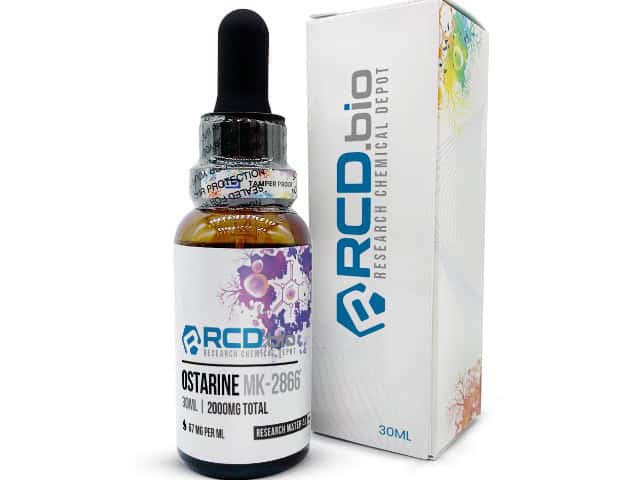
Disclosure: These are affiliate links. I earn a small commission if you purchase — at no extra cost to you. I only recommend products I personally use or have thoroughly researched.
Research & Studies
This section includes 3 peer-reviewed studies referenced in our analysis.