

- Neuroprotection and brain cell longevity
- Mood stabilization and emotional balance
- Cognitive support and memory maintenance
- Healthy stress and anxiety response
- Brain-derived neurotrophic factor (BDNF) support
I’ll be honest — lithium scared me for years. Every time I saw it mentioned, my brain went straight to psychiatric wards, heavy sedation, and kidney damage. The word “lithium” carried so much pharmaceutical baggage that I completely overlooked the fact that it’s a naturally occurring trace mineral found in drinking water, grains, and vegetables.
That blind spot cost me years of potential brain health benefits.
When I finally looked past the stigma and into the actual science — particularly the research showing that regions with higher lithium in their water supply have lower rates of dementia, suicide, and cognitive decline — everything changed. Lithium orotate became one of the most underrated tools in my entire nootropic toolkit.
The Short Version: Lithium orotate is a low-dose, over-the-counter form of the essential trace mineral lithium, bound to orotic acid for enhanced brain penetration. At doses of 5–20mg elemental lithium (far below pharmaceutical levels), it supports neuroprotection, mood stability, and cognitive function. A landmark 2025 Nature study found it reduced Alzheimer’s pathology in mice — a clinical trial is being planned. The evidence is genuinely exciting, but human trials on this specific form are still catching up to the preclinical promise.
What Is Lithium Orotate?
Lithium orotate is the mineral lithium bound to orotic acid (a natural compound involved in DNA and RNA synthesis). This pairing isn’t random — orotic acid acts as a carrier molecule that helps lithium cross cell membranes and the blood-brain barrier more efficiently than its pharmaceutical cousin, lithium carbonate.
Lithium itself is a naturally occurring alkali metal — the lightest solid element on the periodic table. It’s found in trace amounts in drinking water, soil, and certain foods like grains and vegetables. For over 70 years, high-dose lithium carbonate (typically 900–1,800mg daily, delivering 170–340mg of elemental lithium) has been the gold-standard treatment for bipolar disorder. But that’s the pharmaceutical sledgehammer version.
Lithium orotate operates on a completely different level. A typical supplement provides 5mg of elemental lithium per capsule — roughly 1/30th to 1/60th of a pharmaceutical dose. Think of it less like a drug and more like a targeted mineral supplement. The idea isn’t to suppress manic episodes — it’s to give your neurons the trace lithium they need for housekeeping, protection, and long-term resilience.
Here’s where the “foundations first” philosophy matters: lithium orotate isn’t a replacement for fixing broken sleep, chronic gut inflammation, or relentless stress. But once those fundamentals are dialed in, low-dose lithium is one of the few compounds with genuine evidence for long-term brain protection — not just short-term cognitive boosts.
How Does Lithium Orotate Work?
Picture your neurons like houses in a neighborhood. Over time, normal wear and tear — oxidative stress, inflammation, toxic protein buildup — damages these houses. Lithium acts like a maintenance crew that shows up regularly to patch the roof, reinforce the foundation, and clear debris before it causes structural problems.
At the molecular level, lithium orotate works through several overlapping pathways:
-
GSK-3β inhibition — Glycogen synthase kinase-3 beta is an enzyme that, when overactive, contributes to tau protein tangles (a hallmark of Alzheimer’s), neuroinflammation, and neuronal death. Lithium is one of the most potent natural inhibitors of this enzyme. By dialing down GSK-3β, lithium helps prevent the molecular chain reaction that leads to neurodegeneration.
-
BDNF upregulation — Brain-Derived Neurotrophic Factor is essentially fertilizer for your neurons. It promotes the growth, survival, and plasticity of brain cells. Lithium increases BDNF expression, which is why researchers have been studying it for everything from depression to traumatic brain injury recovery.
-
Autophagy enhancement — Your brain has a built-in recycling system that clears out damaged proteins and cellular junk. Lithium boosts this cleanup process through a mechanism independent of the mTOR pathway, meaning it complements other autophagy-promoting strategies like intermittent fasting.
-
Nrf2 activation — This master antioxidant switch controls your cells’ internal defense system. When lithium activates Nrf2, it ramps up production of glutathione and other protective enzymes that shield neurons from oxidative damage.
Here’s where it gets particularly interesting. A key difference between lithium orotate and lithium carbonate isn’t just the dose — it’s the delivery mechanism. Research indicates that orotate salts enter cells via URAT1 transporters, a different pathway than carbonate salts use. This may explain why lithium orotate appears to achieve meaningful brain concentrations at dramatically lower doses, potentially reducing the risk of the kidney and thyroid side effects associated with high-dose pharmaceutical lithium.
Pro Tip: The enhanced cellular uptake of lithium orotate is a double-edged sword — it means lower doses are effective, but it also means you shouldn’t treat it as “just a mineral” and take massive amounts. More is not better here. Stick to recommended doses.
In practical terms: lithium orotate gives your brain a low-level, sustained neuroprotective signal. It’s not something you “feel” like caffeine or phenylpiracetam. It’s more like a long-term investment in brain infrastructure that pays dividends over months and years.
Benefits of Lithium Orotate
Let me be straight with you about the evidence landscape here, because it’s a mix of genuinely exciting science and frustrating gaps.
Neuroprotection and Alzheimer’s Prevention
This is where the strongest case for lithium orotate lives — and the science took a major leap forward in 2025.
A groundbreaking study published in Nature (2025) specifically tested lithium orotate — not carbonate — in a mouse model of Alzheimer’s disease. The results were remarkable: lithium orotate reduced amyloid plaque burden, decreased tau phosphorylation, and reversed memory deficits in treated animals. The researchers are now planning a human clinical trial, which would be the first rigorous test of lithium orotate specifically for neurodegeneration.
This builds on decades of epidemiological data. Multiple population studies have found that communities with naturally higher lithium levels in their drinking water show:
- Lower rates of dementia and Alzheimer’s diagnosis
- Reduced suicide rates
- Lower rates of violent crime
- Better overall cognitive aging
A 2017 study in JAMA Psychiatry analyzed data from over 73,000 dementia patients in Denmark and found that long-term lithium exposure was associated with reduced dementia risk.
Mood Stabilization and Emotional Resilience
Lithium’s mood-stabilizing properties are the best-established benefit — though most clinical trials have used lithium carbonate at pharmaceutical doses. The mechanism (GSK-3β inhibition, enhanced serotonergic signaling, BDNF upregulation) is the same regardless of the salt form. Low-dose lithium has shown mood benefits in smaller studies and user surveys.
A 2025 survey by Strawbridge et al. of 211 lithium orotate users provides the most comprehensive real-world snapshot available. Users reported benefits including:
- Improved mood stability
- Reduced anxiety
- Enhanced cognitive clarity
- Better emotional regulation
Cognitive Support
Lithium’s effects on BDNF, neuroplasticity, and autophagy all point toward cognitive benefits — and the epidemiological evidence from drinking water studies supports this. However, dedicated human cognitive trials using lithium orotate specifically are still needed.
| Benefit | Evidence Level | Key Research |
|---|---|---|
| Neuroprotection / anti-Alzheimer’s | Strong preclinical (2025 Nature); epidemiological support | Orotate-specific mouse study + drinking water population studies |
| Mood stabilization | Strong for lithium generally; moderate for low-dose orotate | 211-user survey (Strawbridge 2025); decades of carbonate RCTs |
| Cognitive support | Moderate (epidemiological + mechanistic) | Denmark dementia study (JAMA Psychiatry 2017); BDNF research |
| Anti-aging / longevity | Preliminary (animal + epidemiological) | C. elegans lifespan studies; population data |
| Anxiety reduction | Moderate (user reports + mechanistic) | Strawbridge 2025 survey; GABAergic modulation research |
Reality Check: The honest assessment is that human clinical evidence for lithium orotate specifically is still thin despite a strong mechanistic rationale and exciting preclinical data. Most rigorous human trials have used lithium carbonate at pharmaceutical doses. The 2025 Nature study is a game-changer for orotate-specific research, but a planned clinical trial hasn’t happened yet. I believe the totality of evidence — epidemiological, mechanistic, and preclinical — is compelling enough to warrant use. But I won’t pretend the clinical data for this exact form is as robust as some supplement companies suggest.
How to Take Lithium Orotate
Dosing lithium orotate requires understanding an important distinction: the elemental lithium content versus the total compound weight. A typical lithium orotate capsule weighs approximately 120–130mg but delivers only about 5mg of elemental lithium. Always check labels for the elemental lithium amount — that’s the number that matters.
Dosage Guidelines
| Goal | Elemental Lithium | Capsules (typical) | Timing | Duration |
|---|---|---|---|---|
| General neuroprotection | 5mg/day | 1 capsule | Morning with food | Ongoing |
| Mood and cognitive support | 5–10mg/day | 1–2 capsules | Morning (or split AM/PM) | Ongoing |
| Enhanced neuroprotective protocol | 10–20mg/day | 2–4 capsules | Split across meals | With practitioner guidance |
Practical Dosing Protocol
- Start low: Begin with 5mg elemental lithium (one capsule) daily for at least 2–4 weeks before considering an increase
- Take with food: Lithium is better absorbed and better tolerated with meals
- Morning is ideal: Some users report mild energizing effects; taking it too late may affect sleep in sensitive individuals
- Stay hydrated: Lithium affects sodium and water balance — drink adequate water throughout the day
- Consistency matters: The neuroprotective benefits accumulate over weeks to months. This isn’t a “take it when you remember” supplement
Insider Tip: Unlike racetams or stimulant nootropics, you won’t “feel” lithium orotate working on day one. The benefits are cumulative and often subtle — better emotional resilience during stressful weeks, sharper recall over time, a general sense of cognitive stability. Give it a minimum of 8–12 weeks before evaluating. The people who get the most from lithium orotate are the ones who take it consistently and stop looking for a lightning-bolt moment.
Forms Available
Most lithium orotate supplements come in capsule form providing 5mg elemental lithium per capsule. Some products offer:
- Standard capsules (most common, ~120mg lithium orotate / 5mg elemental lithium)
- Liquid drops (allows micro-dosing, useful for sensitive individuals)
- Higher-dose capsules (10–20mg elemental lithium — use with practitioner guidance)
Side Effects and Safety
Here’s where intellectual honesty matters most. For years, the low-dose lithium community (myself included) assumed that because the doses are so much lower than pharmaceutical lithium, side effects were essentially a non-issue. The 2025 Strawbridge survey of 211 users complicated that narrative — and that’s a good thing.
Common Side Effects (reported in user surveys)
- Mild nausea — usually resolves within the first week, especially if taken with food
- Fatigue or drowsiness — more common at higher doses (10mg+ elemental)
- Increased thirst and urination — lithium’s effect on kidney water handling, even at low doses
- Brain fog during adjustment — paradoxically, some users report temporary cognitive dulling in the first 1–2 weeks before improvement
- GI discomfort — mild stomach upset, typically dose-dependent
What the 2025 Survey Revealed
The Strawbridge study found that side effects and withdrawal symptoms were more frequent than previously assumed among lithium orotate users. This doesn’t mean lithium orotate is dangerous at recommended doses — but it does mean we should take it seriously as a bioactive compound, not dismiss it as “just a mineral supplement.”
Important: Do NOT combine lithium orotate with pharmaceutical lithium (carbonate or citrate) without medical supervision. Do not use lithium orotate if you have significant kidney disease or hypothyroidism without consulting your doctor. Lithium interacts with NSAIDs (ibuprofen, naproxen), ACE inhibitors, and certain diuretics — all of which can increase lithium levels. If you’re on any of these medications, talk to your healthcare provider first.
Who Should Avoid Lithium Orotate
- Individuals with kidney disease or impaired renal function
- Those with untreated hypothyroidism or thyroid disorders
- Pregnant or nursing women (insufficient safety data)
- Anyone taking pharmaceutical lithium (risk of additive toxicity)
- People on medications that affect lithium clearance (NSAIDs, diuretics, ACE inhibitors)
Monitoring
While low-dose lithium orotate doesn’t require the regular blood monitoring that pharmaceutical lithium demands, it’s reasonable to:
- Check thyroid function (TSH) annually if using long-term
- Monitor kidney function (BUN/creatinine) at baseline and periodically
- Pay attention to signs of excessive thirst, tremor, or GI issues
Stacking Lithium Orotate
Lithium orotate plays well with several other neuroprotective and cognitive-support compounds. Here are the synergies that make the most sense mechanistically:
Strong Pairings
-
Magnesium L-Threonate — Magnesium supports many of the same neuroprotective pathways as lithium (NMDA receptor regulation, BDNF support) while also addressing the most common nutritional deficiency in developed countries. These two together form a strong mineral-based neuroprotective foundation. Dose: 144mg elemental magnesium (as threonate) in the evening.
-
Omega-3 DHA — DHA is the primary structural fat in neuronal membranes. Combined with lithium’s intracellular signaling support, you’re protecting the brain from both the structural and signaling sides. Research suggests lithium may enhance the incorporation of DHA into brain phospholipids. Dose: 1–2g combined EPA/DHA daily.
-
Lion’s Mane — Lion’s Mane stimulates Nerve Growth Factor (NGF) while lithium boosts BDNF — two different neurotrophic factors working through complementary pathways. This is one of the most logical neuroprotective stacks available. Dose: 500–1,000mg Lion’s Mane extract daily.
-
N-Acetylcysteine (NAC) — NAC boosts glutathione production, complementing lithium’s Nrf2 activation. Together they enhance your brain’s antioxidant defense system from two different angles. Dose: 600–1,200mg NAC daily.
Worth Considering
- Creatine Monohydrate — Supports brain energy metabolism; emerging evidence for cognitive and neuroprotective benefits that complement lithium’s mechanisms
- Coenzyme Q10 — Mitochondrial support that pairs well with lithium’s cellular protective effects
Avoid Combining With
- Pharmaceutical lithium carbonate/citrate — additive lithium levels, risk of toxicity
- High-dose iodine supplements — may compound thyroid effects
- Excessive sodium restriction — low sodium increases lithium retention and risk of side effects
My Take
Lithium orotate is one of those supplements that doesn’t get the attention it deserves — partly because of the stigma around the word “lithium,” and partly because there’s no pharmaceutical company spending billions to run clinical trials on a cheap mineral supplement.
In my experience, low-dose lithium orotate has been one of the most quietly impactful additions to my daily protocol. I didn’t notice a dramatic “on” switch — no surge of focus, no euphoria, no perceptible shift on day one. What I noticed was that after about two months of consistent use, I was handling stressful situations with more composure. My emotional baseline felt more stable. My thinking felt cleaner during high-pressure weeks.
Is that placebo? Maybe. But the epidemiological data, the mechanistic evidence, and the 2025 Nature study give me confidence that something real is happening at the cellular level.
Who this is best for:
- Anyone over 35 interested in long-term brain protection
- People with a family history of Alzheimer’s or dementia
- Those dealing with mild mood instability or emotional reactivity
- Biohackers looking for an underappreciated neuroprotective compound
- Anyone who wants a “set it and forget it” daily brain health supplement
Who should probably look elsewhere:
- If you’re looking for an acute cognitive boost you can feel in an hour, lithium orotate isn’t it — try caffeine + L-theanine or a racetam
- If you have thyroid or kidney concerns, get medical clearance first
- If you’re already on pharmaceutical lithium, this is redundant and potentially risky
Here’s my honest bottom line: the 2025 Nature study showing lithium orotate specifically — not carbonate — reducing Alzheimer’s pathology in mice is the most exciting development in this space in years. A human clinical trial is being planned, and I genuinely believe it will validate what the epidemiological and mechanistic data have been suggesting for decades.
At 5mg of elemental lithium per day, the risk-to-reward ratio is extremely favorable. It’s cheap, it’s well-tolerated for most people, and the potential upside — genuine, long-term neuroprotection — is enormous. This is one of the few supplements where I’d say: if you’re not taking it, you should at least seriously consider why not.
Recommended Lithium Orotate Products
I know how frustrating it is to sort through dozens of brands making the same claims. These are the ones I've personally vetted — because quality is the difference between results and wasted money.
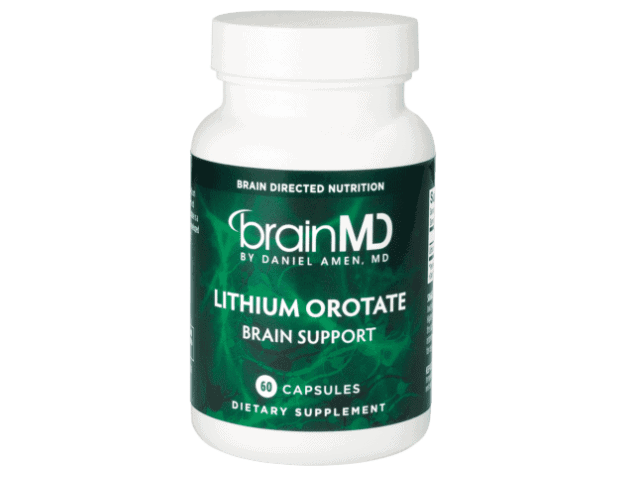
Disclosure: These are affiliate links. I earn a small commission if you purchase — at no extra cost to you. I only recommend products I personally use or have thoroughly researched.
Research & Studies
This section includes 3 peer-reviewed studies referenced in our analysis.