
- Supports cellular energy production in brain and muscle
- May improve memory and processing speed under stress
- Enhances exercise performance and recovery
- Emerging evidence for mood support and neuroprotection
I’ll be honest — for years, I dismissed creatine as a bodybuilding supplement. Something for guys in tank tops grunting at the squat rack. Not something a nootropics guy needed to think about.
I was dead wrong.
When I finally looked at the research — really looked at it — I realized creatine might be one of the most underrated brain supplements hiding in plain sight. Not because it’s some exotic compound from a rainforest. But because your brain is the most energy-hungry organ in your body, and creatine is quite literally cellular fuel.
The Short Version: Creatine monohydrate is a naturally occurring compound that supercharges your cells’ energy systems — brain included. It’s backed by over 680 clinical trials and is considered the most well-researched supplement in existence. The strongest cognitive benefits show up in vegetarians, older adults, and people under stress or sleep deprivation. At 3-5g per day, it’s cheap, safe, and worth trying for nearly everyone.
What Is Creatine Monohydrate?
Creatine is a naturally occurring amino acid derivative your body already makes — about one gram per day, synthesized from L-arginine, glycine, and L-methionine in a two-step process involving your kidneys and liver. You also get roughly another gram daily from food, primarily red meat and fish. The monohydrate form is simply creatine bound to one water molecule, which is how it’s been studied in virtually every clinical trial.
Here’s something most people don’t realize: making creatine is one of the most metabolically expensive things your body does. It consumes roughly 40% of all available methyl groups from SAM (S-adenosylmethionine) — the same molecule your body needs for DNA methylation, neurotransmitter production, and detoxification. Supplementing creatine doesn’t just give you more creatine. It frees up methyl groups for everything else.
Your body stores about 120-140 grams of creatine total. Ninety-five percent sits in skeletal muscle. The remaining 5% is distributed across your brain, kidneys, liver, and testes. That small brain percentage matters more than you’d think, because your brain — just 2% of your body mass — burns through 20% of your total energy supply.
The history is fascinating too. A French chemist named Michel Eugène Chevreul first isolated creatine from meat in 1832 (the name comes from the Greek word kreas, meaning flesh). But it wasn’t until the 1992 Barcelona Olympics — when gold medalists Linford Christie and Sally Gunnell reportedly used it — that public interest exploded. By 2001, Americans were spending over $400 million a year on creatine. And now, three decades later, the research has shifted from biceps to brains.
How Does Creatine Monohydrate Work?
Think of ATP as the cash your cells spend to do anything — fire a neuron, contract a muscle, run a biochemical reaction. The problem is, your cells only keep a few seconds’ worth of cash on hand. Run out, and everything grinds to a halt.
Creatine is essentially a backup wallet.
When you have adequate creatine stores, the enzyme creatine kinase can rapidly transfer a phosphate group from phosphocreatine to ADP, regenerating ATP in milliseconds. This is faster than any other energy system — faster than burning glucose, faster than oxidative phosphorylation. It’s the biological equivalent of a surge protector for your cellular power supply.
But it gets more interesting than simple energy buffering. The creatine kinase system actually functions as an intracellular energy transport network. Different versions of the creatine kinase enzyme sit in different cellular compartments — one form at the mitochondria (where energy is produced), another in the cytoplasm (where energy is consumed). Phosphocreatine shuttles high-energy phosphate from production sites to consumption sites, while free creatine cycles back. It’s not just a battery. It’s an entire power grid.
For your brain specifically, several mechanisms converge:
Energy buffering for demanding cognitive tasks. Working memory, executive function, and complex problem-solving create acute, localized energy deficits in specific brain regions. More phosphocreatine means a larger reserve to draw from during mental heavy lifting.
Emerging neurotransmitter role. This is cutting-edge — research published in eLife in 2023-2024 found creatine stored in synaptic vesicles with calcium-dependent release. That’s the signature of a neurotransmitter. We may need to rethink creatine as more than just a fuel molecule.
Mitochondrial protection. Creatine stabilizes mitochondrial membrane potential, reduces reactive oxygen species production, and delays opening of the mitochondrial permeability transition pore — a key trigger of cell death. Both creatine and phosphocreatine demonstrate direct antioxidant properties.
Neurotransmitter modulation. Creatine stimulates synaptic glutamate uptake (reducing excitotoxic risk), helps maintain GABAergic tone, and influences dopaminergic and serotonergic systems — partially explaining its antidepressant potential.
In practical terms: creatine helps your brain maintain its energy supply under demand, protects neurons from damage, and may directly participate in neural signaling. That’s a remarkably broad mechanism for a compound most people associate with bench press PRs.
Benefits of Creatine Monohydrate
Cognitive Benefits
Let me be straight with you about the evidence here, because the internet hype has outpaced the science in some areas.
Memory improvement has moderate support. Meta-analyses show a small-to-medium effect size (SMD around 0.29-0.31) across all populations. But here’s where it gets interesting — the effects are dramatically stronger in older adults (SMD = 0.88 in ages 66-76). Young, well-nourished omnivores? Barely noticeable. This makes biological sense: older adults have declining creatine synthesis, creating a bigger gap for supplementation to fill.
Processing speed also shows moderate effects (SMD = -0.51 in a 2024 meta-analysis in Frontiers in Nutrition), with the most pronounced improvements under cognitive stress conditions.
Sleep deprivation resilience is one of the most compelling findings. A 2024 study by Gordji-Nejad and colleagues found that a single high dose (0.35 g/kg body weight) improved cognitive performance by 16-29%, reduced fatigue by ~8%, and increased brain phosphocreatine by 4-6% in sleep-deprived subjects. If you travel frequently or have irregular sleep, this is worth noting.
Depression support is emerging and genuinely promising. An 8-week randomized controlled trial published in European Neuropsychopharmacology (Sherpa et al., 2024) found that creatine combined with cognitive behavioral therapy produced significantly greater improvement than CBT alone — a PHQ-9 score difference of -5.12 points, which is clinically meaningful. NHANES data also links higher dietary creatine to lower depression risk.
Alzheimer’s disease has early but intriguing data. A 2025 pilot study (Smith et al.) gave 20g/day for 8 weeks to Alzheimer’s patients, increasing brain creatine by 11% and improving cognition. But this was uncontrolled with only 20 participants — promising, not proven.
Reality Check: EFSA (the European Food Safety Authority) rejected a health claim for creatine and cognitive function in November 2024, citing inconsistent results. A 2025 critical review in The Journal of Nutrition warned that “commercial enthusiasm has surged despite considerably limited evidence.” The cognitive benefits are real for certain populations, but creatine is not a universal smart drug. Manage your expectations accordingly.
Physical Benefits
This is where the evidence is bulletproof. A 2024 meta-analysis of 143 studies with 3,655 participants found creatine increased upper body strength by an average of 4.4 kg and lower body strength by 11.4 kg. The International Society of Sports Nutrition considers it the single most effective ergogenic supplement available. Period.
Who Benefits Most
The pattern across studies is clear — creatine’s cognitive effects are most pronounced when your baseline stores are depleted:
- Vegetarians and vegans — lower dietary intake creates more room for improvement. Benton & Donohoe (2011) showed creatine improved memory in vegetarians but not omnivores.
- Older adults — age-related decline in creatine synthesis amplifies supplementation benefits.
- Women — a 2024 meta-analysis found greater cognitive benefit in females.
- Sleep-deprived individuals — impaired energy metabolism in the brain creates acute demand.
- People under high cognitive stress — exams, demanding work periods, high-stakes problem solving.
How to Take Creatine Monohydrate
Dosage
Maintenance dose: 3-5g per day. This is the well-established, time-tested protocol that works for the vast majority of people. At this dose, you’ll reach full muscle saturation in about 28 days.
Loading phase (optional): 20g per day, divided into four 5g doses, for 5-7 days. Then drop to maintenance. Loading gets you to saturation faster, but it’s not necessary — you end up at the same place either way. I generally skip loading because the only thing it reliably accelerates is GI discomfort.
For cognitive goals specifically: The brain is harder to load than muscle because creatine crosses the blood-brain barrier via a limited transporter (CRT1/SLC6A8). Standard 5g/day produces modest brain increases (~4-6%). Research using 10g/day for 8 weeks or 20g/day for 7 days showed more substantial elevations (~9-10%). There’s no established “cognitive dose” yet, but 5-10g/day is a reasonable range if cognition is your primary goal.
Pro Tip: Take creatine with a meal containing both carbohydrates and protein. Insulin enhances creatine transporter uptake. Research shows ~50g of carbs plus ~50g of protein is as effective as ~100g of carbs alone for driving creatine into cells. Your regular post-workout meal or lunch does the job perfectly.
Timing
Post-exercise may have a slight edge for body composition, but the honest answer is: it doesn’t matter much. Consistency matters infinitely more than timing. Pick a meal, take it with that meal every day, and stop overthinking it.
Cycling
Not necessary. Full stop. There’s no evidence of tolerance, receptor downregulation, or any benefit to cycling on and off. The ISSN explicitly states cycling is unnecessary. Your stores will deplete in 4-6 weeks after you stop, which means cycling just gives you periodic windows of sub-optimal levels for no reason.
Which Form to Buy
Creatine monohydrate is the only form you need. It has ~99% intestinal absorption, 95%+ of all research behind it, and costs a fraction of “advanced” alternatives.
Micronized monohydrate is the same compound with smaller particles. Better solubility in water, may reduce the gritty texture some people dislike. Worth the small premium for convenience.
Creatine HCl is more soluble but no better absorbed in your body. More expensive for equivalent results.
Creatine ethyl ester is actually worse — it degrades to creatinine faster and results in less muscle uptake. Avoid it.
Insider Tip: Look for Creapure on the label. It’s manufactured by AlzChem in Germany to 99.99% purity standards and is the gold standard for quality. At $0.25-0.50 per serving, it’s also extremely affordable. If you’re paying more than $1 per serving for plain creatine monohydrate, you’re overpaying.
Side Effects & Safety
Here’s where creatine really shines compared to most supplements: we actually have robust safety data.
A landmark 2025 analysis reviewed 652 placebo-controlled studies encompassing over 26,000 participants. The findings were remarkable — side effect rates were essentially identical between creatine (4.60%) and placebo (4.21%) groups. GI issues, muscle cramping, and other commonly cited concerns showed no statistically significant difference from placebo.
Water retention is real but benign — expect 1-2 kg of weight gain from intracellular water. This is not bloating or fat gain. It’s water pulled into muscle cells, which is actually part of how creatine works.
The kidney myth deserves direct address. Multiple systematic reviews assessing kidney function markers (GFR, creatinine, urea) across doses of 1-80g/day for durations up to 5 years found zero evidence of kidney impairment in healthy individuals. A 2024 Mendelian randomization study added further support. The confusion exists because creatine naturally raises serum creatinine — the same marker doctors use to assess kidney function — as a measurement artifact, not actual kidney damage.
Important: Tell your doctor you take creatine before routine blood work. Elevated creatinine on a lab report can trigger unnecessary concern and follow-up testing if your physician doesn’t know you supplement. Also avoid creatine if you have chronic kidney disease, are taking nephrotoxic medications, or have uncontrolled diabetes. There are case reports associating creatine with manic episodes in bipolar disorder — exercise caution if that applies to you.
The hair loss question: A single 2009 study found creatine loading increased DHT by ~56% (still within the normal range). This spawned years of internet panic. A 2025 12-week RCT — the first to directly assess hair health outcomes — found no change in DHT, testosterone, or hair density. The weight of evidence does not support creatine causing hair loss.
Drug interactions to monitor: Use caution combining with nephrotoxic drugs (cyclosporine, aminoglycosides), diuretics (opposing fluid dynamics), or ephedra/ma huang (may increase stroke risk — do not combine). The caffeine “interaction” appears to be largely a non-issue at standard doses and may actually enhance cognitive benefits.
Stacking Creatine Monohydrate
Creatine’s mechanism — providing raw cellular energy — is unique among nootropics. Most cognitive enhancers modulate neurotransmitters. Creatine fuels the machinery itself. This makes it complementary to virtually everything rather than redundant.
Creatine + Alpha-GPC (300-600mg) — My favorite cognitive stack. Creatine provides the energy substrate while Alpha-GPC supplies acetylcholine precursors. You’re addressing two different bottlenecks simultaneously: cellular fuel and neurotransmitter availability. A 2025 animal study supports this synergy, and Thorne has already built commercial products around it.
Creatine + CoQ10 (100-200mg ubiquinol) — Dual mitochondrial support from different angles. Creatine optimizes the phosphocreatine shuttle while CoQ10 supports the electron transport chain directly. Additive neuroprotection has been observed in Parkinson’s disease models. Add alpha-lipoic acid for a triple mitochondrial stack.
Creatine + Omega-3s (1-2g EPA/DHA) — Energy production meets anti-inflammatory membrane support. Complementary pathways with no negative interactions. Both are foundational supplements that most people should consider regardless.
Creatine + Vitamin D (1-2000 IU D3) — Common co-deficiencies, especially in vegetarians and people with limited sun exposure. Both independently support muscle function, bone health, and emerging evidence for mood.
Avoid combining with: Ephedra or ma huang (stroke risk), chronic high-dose NSAIDs if you have any kidney concerns, diuretics (opposing fluid dynamics), and nephrotoxic medications.
My Take
Creatine monohydrate is one of those rare supplements where the evidence actually lives up to the reputation — at least for physical performance. For cognitive enhancement, I think the truth lies somewhere between “miracle brain fuel” and the EFSA’s skepticism.
In my experience, the cognitive effects are real but subtle. I’m not going to tell you creatine gave me superhuman focus or turned me into a genius. What I noticed was more resilience — fewer afternoon brain fog episodes, better performance when I was underslept, and a general sense that my mental endurance improved. It’s the kind of benefit you notice when it’s missing more than when it’s present.
Here’s who I think should absolutely be taking creatine: vegetarians and vegans (this is almost non-negotiable), anyone over 50, women (the data increasingly supports greater benefit), and anyone regularly dealing with sleep debt or high cognitive demands. At 3-5g per day with a meal, it costs less than a daily coffee and has a safety profile most supplements can only dream of.
Who might want to look elsewhere for noticeable cognitive enhancement? Young, well-fed omnivores who sleep well and aren’t under unusual stress. You’ll still get the physical performance benefits, but the cognitive needle probably won’t move much for you. Consider Bacopa Monnieri or Lion’s Mane if you’re specifically chasing noticeable cognitive improvement.
The bottom line: creatine monohydrate is a foundational supplement. Not flashy, not dramatic, but broadly beneficial with an unmatched safety and evidence profile. Get the basics right — sleep, nutrition, stress management, movement — and then add creatine as one of your first-line supplements. Your brain and body will both thank you for it.
Recommended Creatine Monohydrate Products
I know how frustrating it is to sort through dozens of brands making the same claims. These are the ones I've personally vetted — because quality is the difference between results and wasted money.
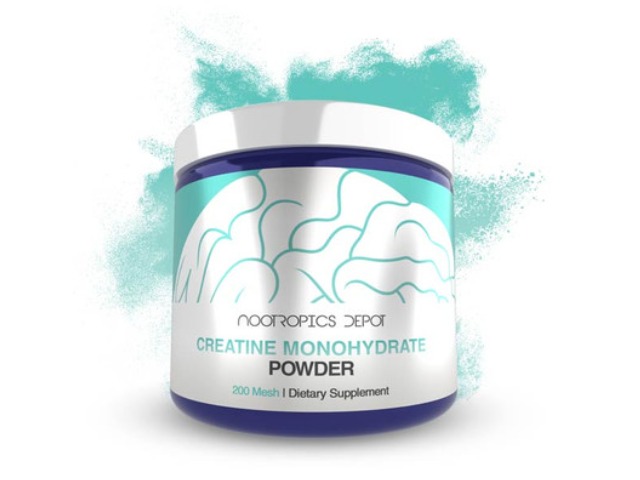
Creatine Monohydrate Powder (200 Mesh) by Nootropics Depot
Shop Now →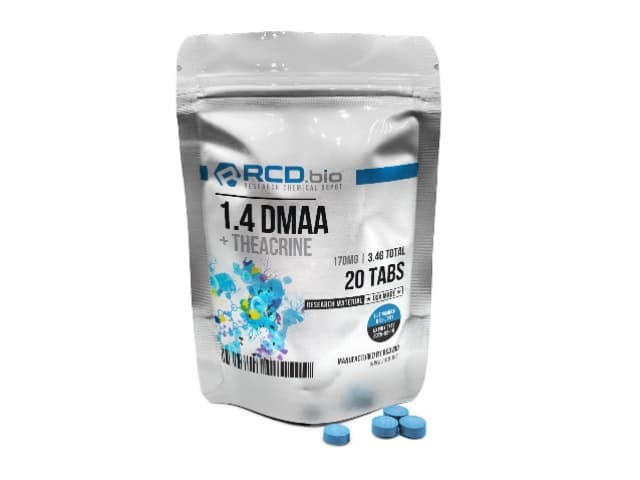
1,4 DMAA + Theacrine Tablets by Research Chemical Depot
Shop Now →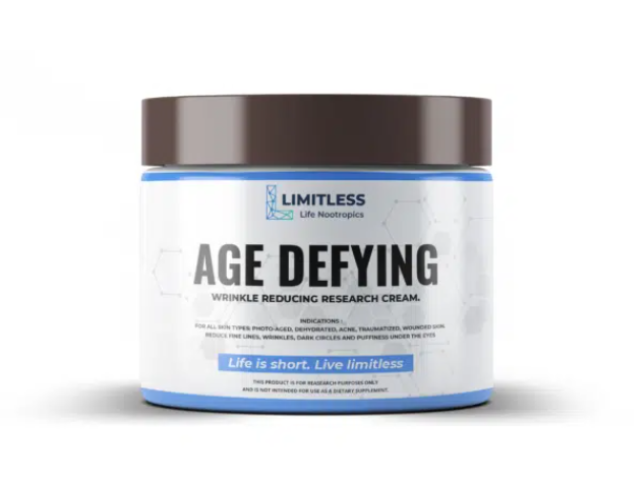
Anti Wrinkle Research Formula (Cream) by Limitless Life Nootropics
Shop Now →Disclosure: These are affiliate links. I earn a small commission if you purchase — at no extra cost to you. I only recommend products I personally use or have thoroughly researched.
Research & Studies
This section includes 8 peer-reviewed studies referenced in our analysis.